Sumatra Mandheling Coffee Beans: Flavor Profile and Pour-Over Guide
Introduction: Sumatra Mandheling is one of the world's renowned specialty coffee beans, widely popular for its rich, full-bodied mouthfeel and unique flavor. This article provides an in-depth analysis of Sumatra Mandheling's growing region characteristics, wet-hulling process, explores the impact of different roast levels on its flavor, and offers various practical brewing methods to help coffee enthusiasts better experience the charm of this classic coffee.
Sumatra coffee, often called Mandheling, is mainly produced on the Indonesian island of Sumatra, and is also found on Java and Sulawesi. Among these, Mandheling from Sumatra is particularly famous. Lintong and Mandheling in this region are representatives of high-end Arabica coffee on the market, especially the small coffee-growing areas in the Lintong administrative district, located in the highlands southwest of Lake Toba. These areas are mostly rolling clay plateaus covered with dense fern vegetation, where coffee trees are mostly grown by smallholders without shade trees or chemical inputs.
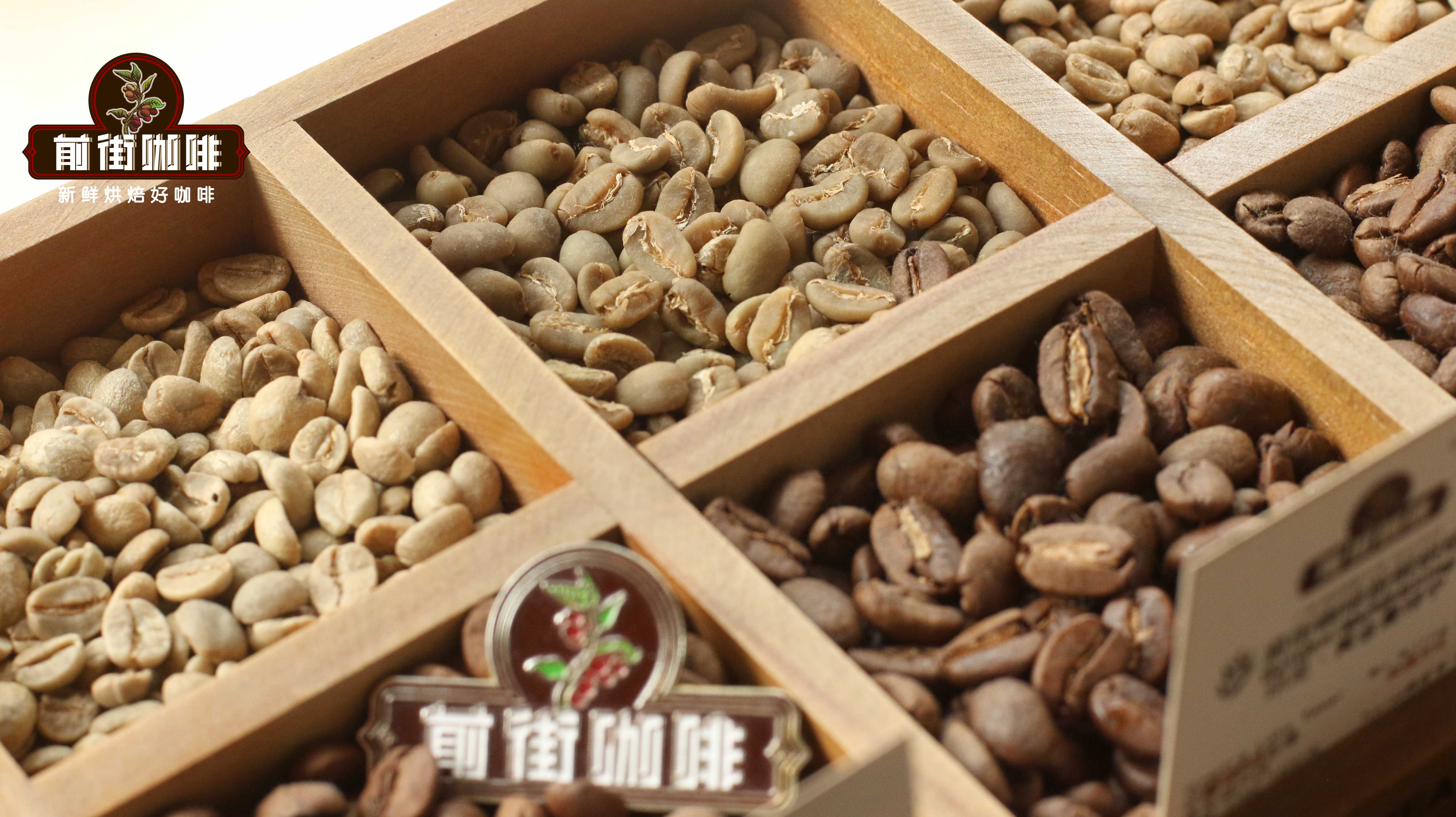
In the Lintong region of North Sumatra, at an altitude of about 1100-1600 meters, local coffee is processed using the wet-hulling method, with common varieties including Timtim and Ateng. These coffees often exhibit intense nutty, toast, caramel, herbal, and chocolate flavors, with a full body and low acidity, making them particularly suitable for dark roasting, which can present a rich bittersweet balance and unique earthy aroma. For drinkers seeking a full-bodied mouthfeel, this coffee has high recognizability and appeal.

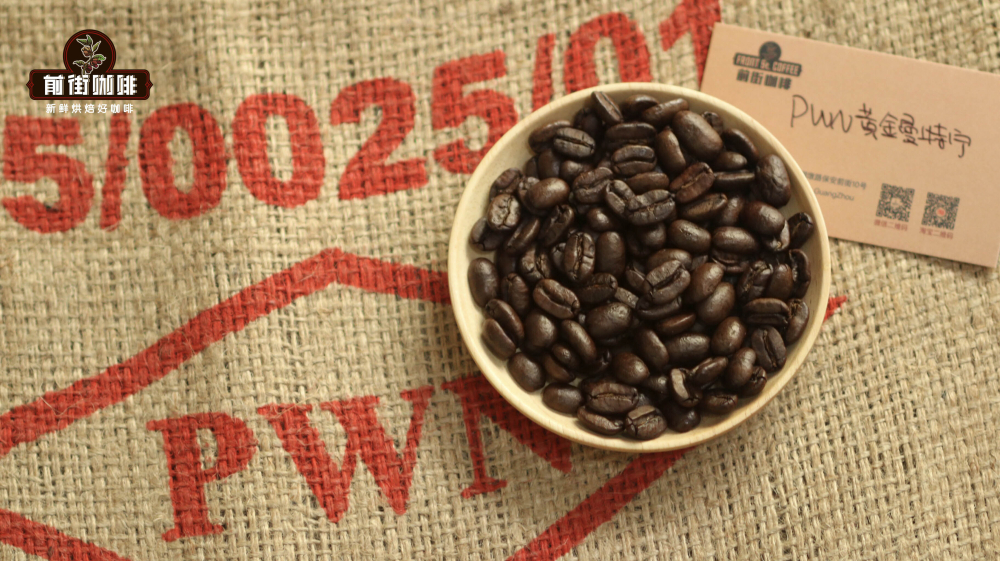
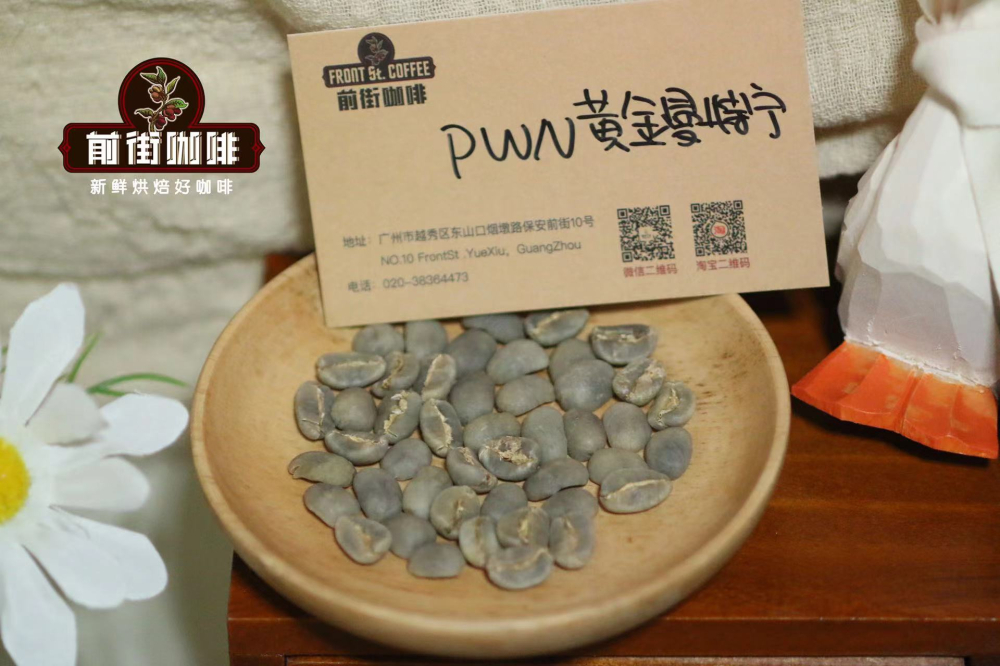
Another well-known producing region in Sumatra is Mount Gayo in Aceh, where coffee is produced by PWN and called "Golden Mandheling." This grade of coffee beans undergoes at least three manual sorting rounds after harvest and processing to ensure no more than 3 defective beans per 300 grams of green beans, with bean size all above screen 18, belonging to the highest grade G1. These beans appear dark green with a neat, flat shape, and their flavor emphasizes a combination of spice, pine, nut, and caramel, also with notable chocolate and herbal notes.
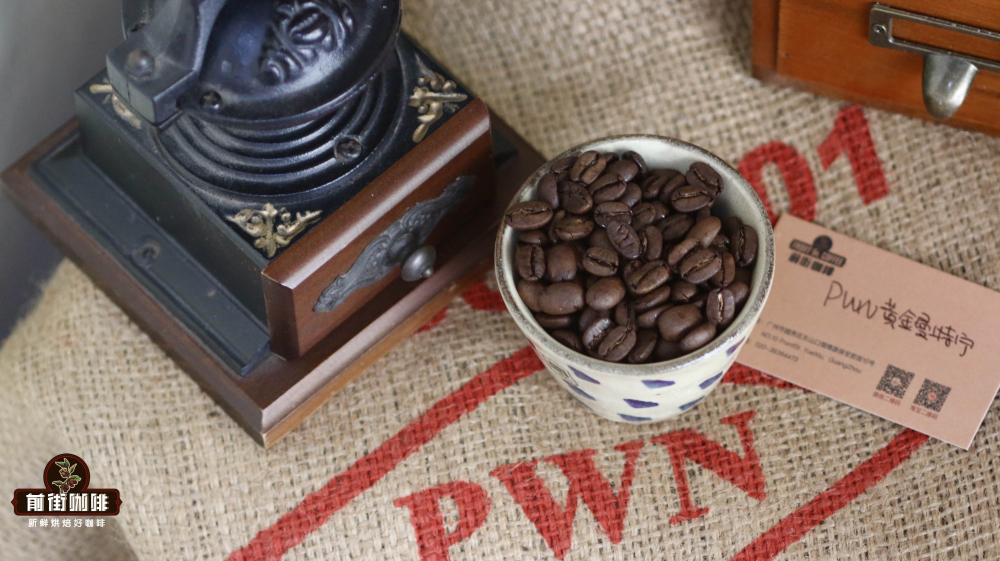
Different roast levels significantly affect the flavor direction of Mandheling. Through pour-over tests, light, medium-dark, and dark roasted Mandheling show distinctly different characteristics. Light roast (e.g., 80% passing through a No. 20 sieve, water temperature 90°C, water-to-coffee ratio 1:15) tends to have brighter acidity with fruity tartness and mouth-watering sensation, but overall smoothness is average; medium-dark roast (75% passing rate, water temperature 88°C) has better balance, moderate bitterness and sweetness, prominent chocolate and licorice flavors, and improved smoothness and aroma intensity; dark roast (70% passing rate, water temperature 86°C) is dominated by bitterness, with acidity almost gone, and if not brewed properly, can easily develop burnt notes.

Freshness is one of the key factors affecting coffee flavor. All specialty coffee beans should be shipped within 5 days after roasting and consumed within 30-35 days after roasting for optimal flavor. It should be noted that the darker the roast, the more carbon dioxide is produced inside the beans; it is recommended to rest the beans for 3-5 days before brewing to allow gas to release naturally and avoid uneven extraction.
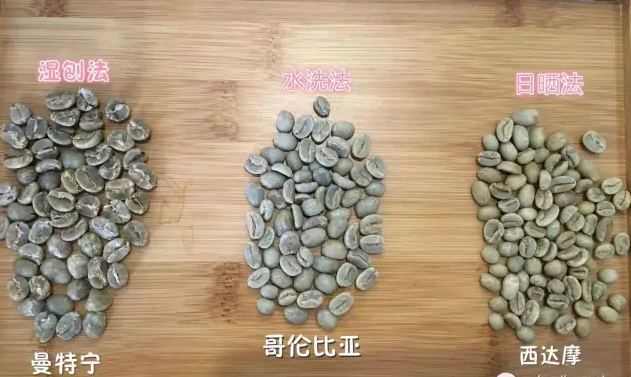
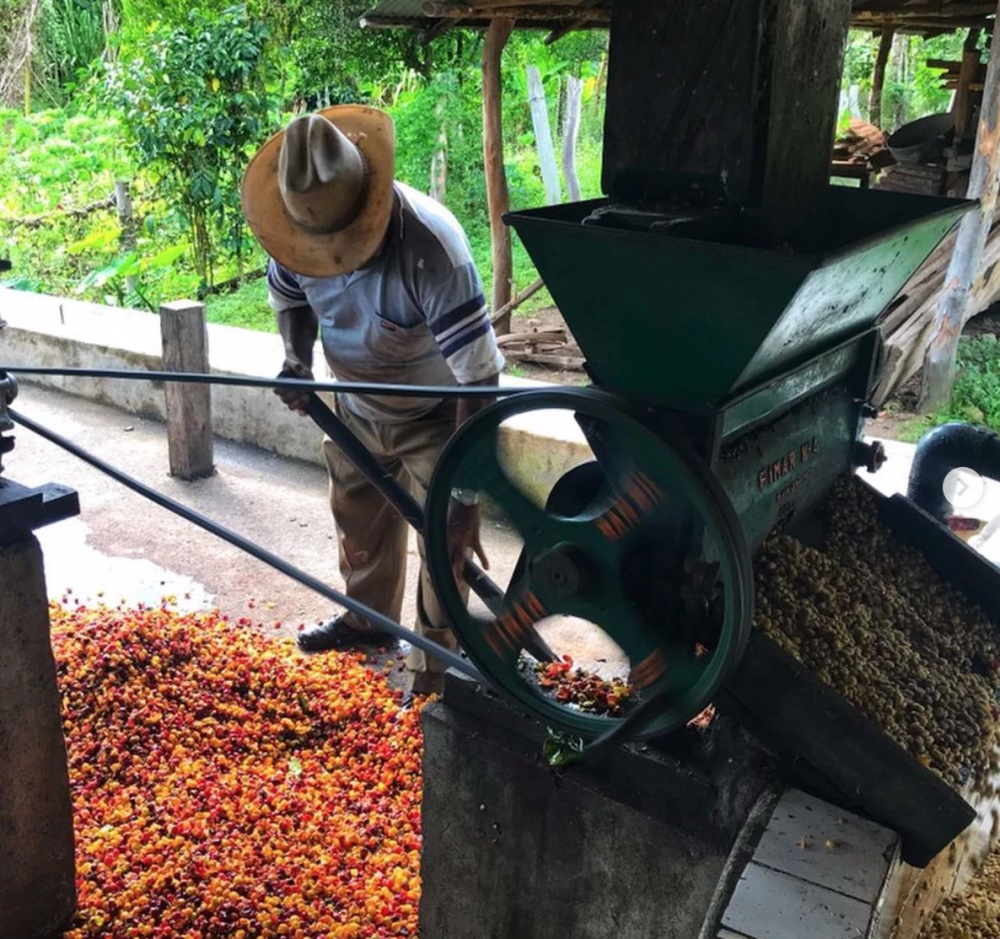
The unique flavor of Mandheling coffee is inseparable from its "wet-hulling" processing method. The coffee harvest seasons in Sumatra are March-May and September-December, and local farmers typically pick only fully ripe red coffee cherries. After picking, the skin and pulp are removed first, then the parchment beans are placed in water tanks to remove floaters. The sunken beans then undergo a short fermentation (usually 12-36 hours, though some practices skip this step), followed by 1-2 days of sun drying to reduce moisture content to 30%-50%. At this point, the parchment is removed using a huller, then drying continues to 12%-13% moisture content, and finally the beans are sent to a processing plant for hulling and grading.
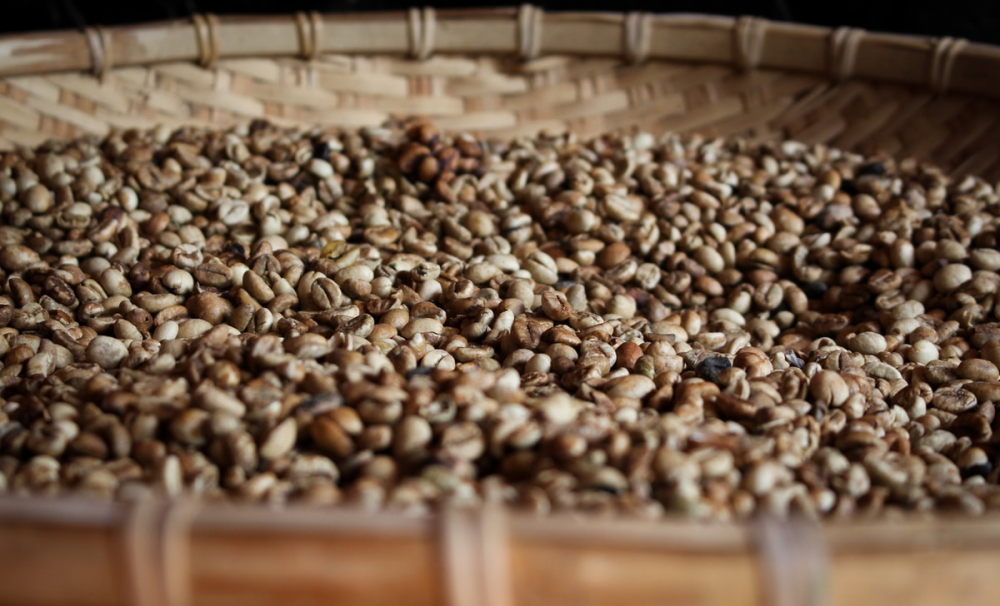
The special feature of wet-hulling is that the parchment is removed before the coffee beans are fully dried, greatly shortening drying time, but also increasing the risk of mold growth due to contact with air. This process can cause the so-called "goat's foot" cracks in coffee beans, which is one of the typical appearance characteristics of Sumatran coffee. Although mold may bring unconventional flavors such as earthy, woody, or medicinal notes, some believe that precise control of microbial strains and fermentation can enhance the complexity and layers of the coffee.
Wet-hulled coffee beans generally exhibit low acidity, full body, and flavors with earthy, chocolate, and smoky notes. These characteristics are closely related to the varieties commonly used in the region (such as Tim Tim and Catimor lines, which carry Robusta genes), as well as the variable fermentation and drying conditions during processing. At the same time, due to multiple manual selections during processing, defective beans can be effectively removed, improving final quality.
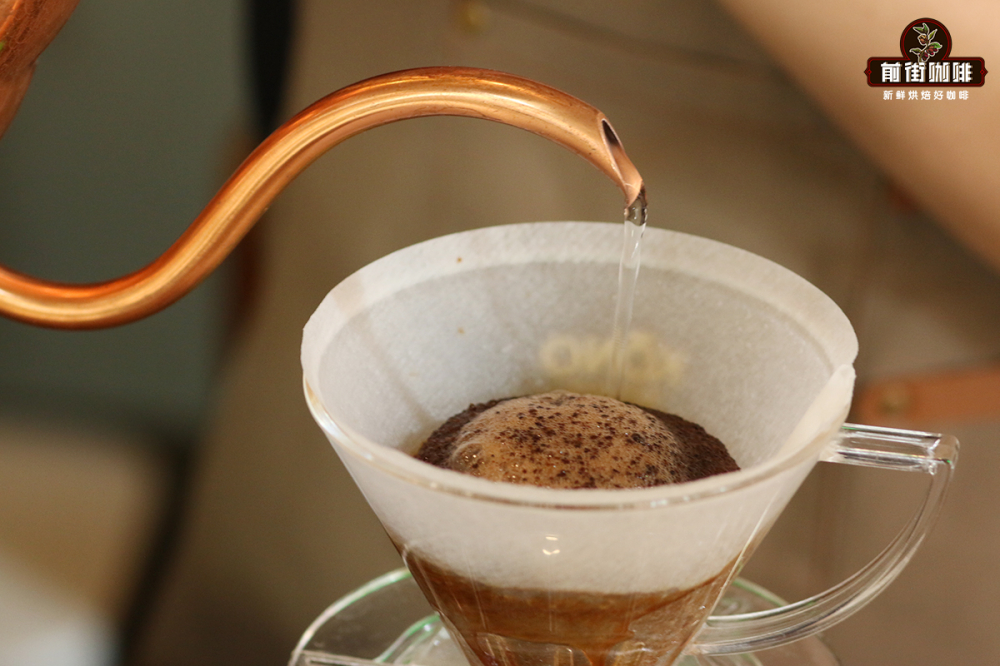
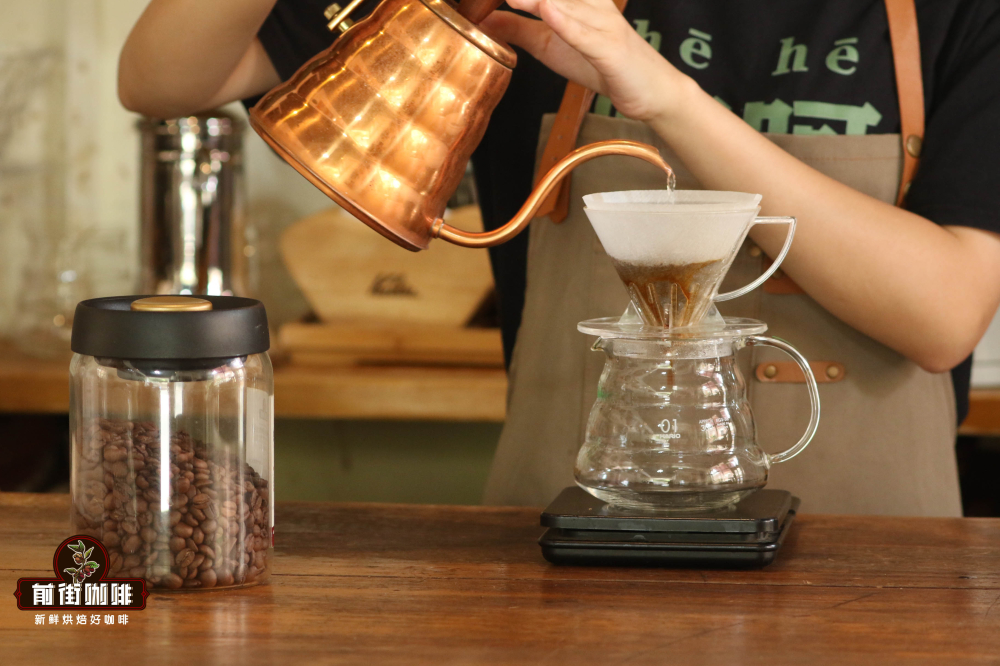
In terms of brewing, different equipment and parameter combinations significantly affect the flavor expression of Mandheling. Taking PWN Golden Mandheling as an example, when using a Hario V60 dripper for pour-over, it is recommended to use medium-coarse grind (70% passing through a No. 20 sieve), a coffee-to-water ratio of 1:15, and a water temperature of 88-89°C. Start with a 25-second bloom using 30 grams of water, then pour in stages to a total of 220 grams, with a total extraction time of about 2 minutes. This method fully displays Mandheling's layers and caramel sweetness in the finish.

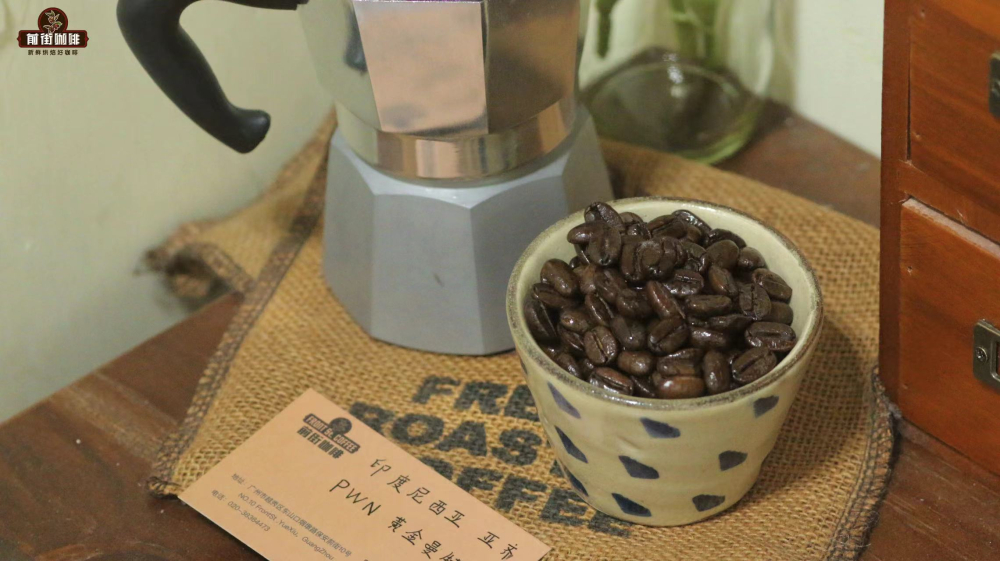
Besides pour-over, Mandheling is also suitable for French press, AeroPress, siphon, and other equipment. Each method brings a different mouthfeel emphasis; for example, French press highlights fullness and low acidity, while siphon may enhance aroma clarity and sweetness. Regardless of the method chosen, proper control of water temperature, grind size, and brewing time is key to bringing out Mandheling's unique flavor.
In summary, Sumatra Mandheling, with its unique wet-hulling process, full-bodied mouthfeel, and multi-layered flavors, has become a classic bean that coffee lovers worldwide should not miss. Understanding its growing region background, processing methods, and roasting characteristics, and mastering appropriate brewing parameters, will help every coffee enthusiast deeply experience the charm of this coffee from a Southeast Asian island.