Ethiopia Sidamo Shakisso washed beans: grades and terroir
Introduction: A deep look at specialty washed coffee from Ethiopia's Sidamo Shakisso region, from G1 grading standards to its distinctive processing, and how this citrus-toned coffee nurtured by volcanic soil becomes a collector's choice through its clear acidity and layered flavors. This article systematically reviews the region's geography, processing differences and flavor wheel to help you grasp the source code of specialty coffee.
A core coordinate on the Ethiopian coffee map
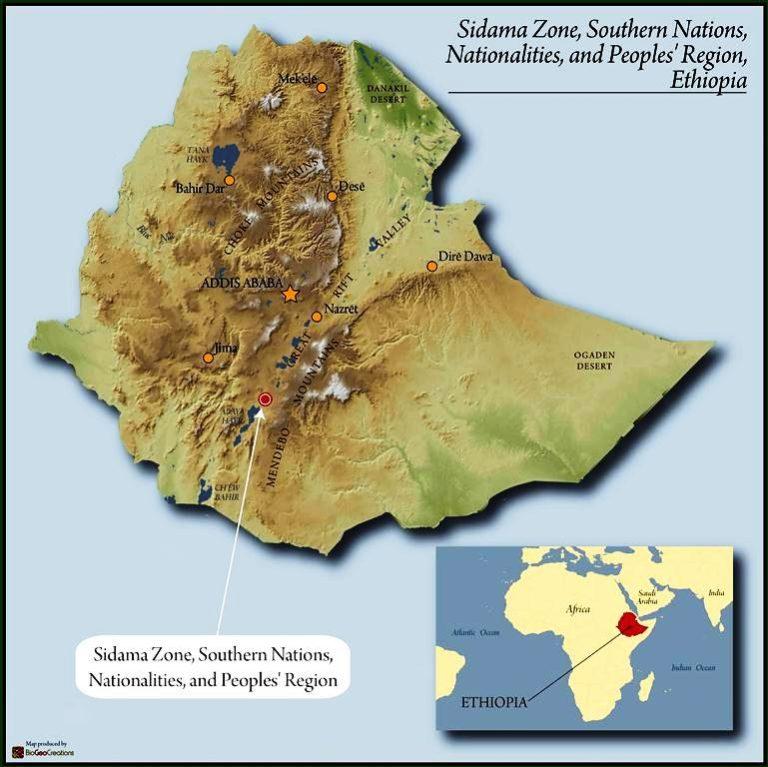
When talking about Ethiopian specialty coffee, Yirgacheffe's jasmine aroma is often seen as the national calling card, while the Sidamo region occupies an important place with its wilder citrus notes and complex layers. This highland region spanning the East African Rift sits at 1,400–2,200 meters; its unique location bordering Kenya gives rise to washed coffees that combine bright acidity with a full finish.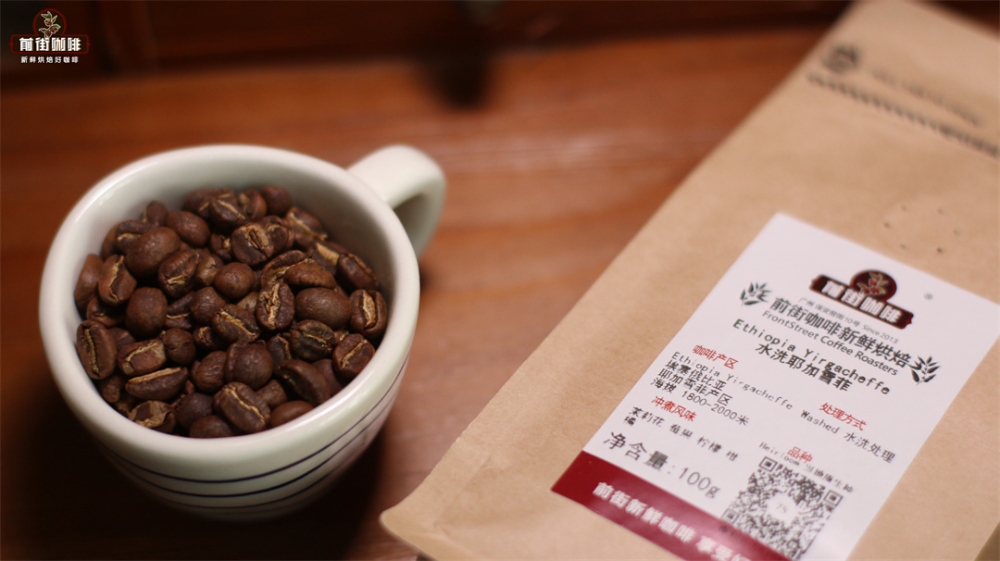
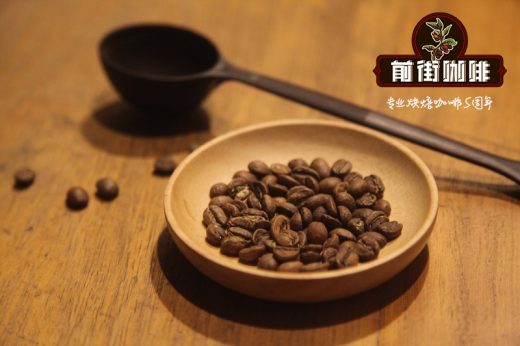
Sidamo coffee beans show typical pale green oval shapes, smaller on average than Yirgacheffe but denser. Their flavor spectrum covers wild fruit acidity, delicate florals and honey sweetness; this diversity comes from the interaction of more than 20 native coffee varieties with the local microclimate.
Shakisso: an underrated micro-region gem
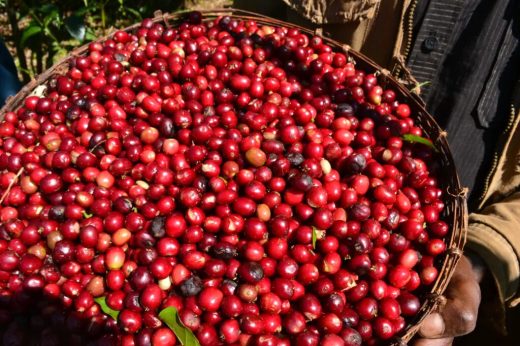
Shakisso, on the southern edge of Sidamo, is a hidden pearl of the Guji region, surrounded by the pitted terrain left by historical gold mining.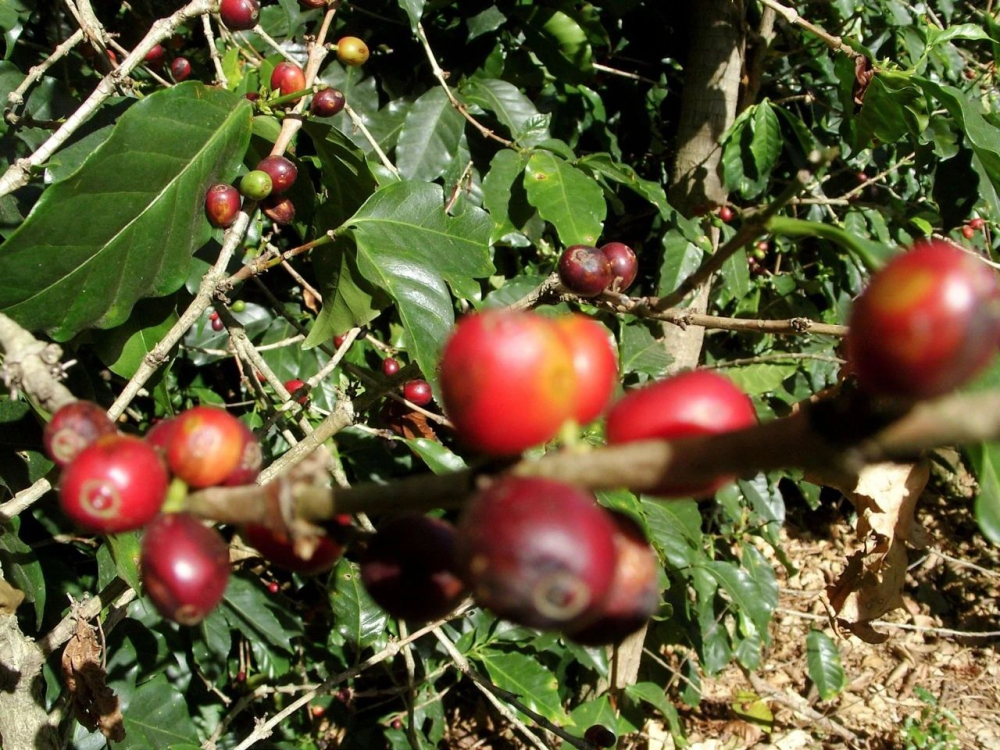 The area sits at 1,800–2,100 meters, where smallholders' organic coffee trees grow alongside shade trees, and the Enset shade-tree system effectively regulates light intensity and maintains soil moisture. Although access is poor (some villages still rely on government water points), farmers use traditional forest cultivation to produce a unique flavor with honey sweetness and an Earl Grey tea finish.
Coffee from this region often carries a three-stage acidity of lemon, white grape juice and blackcurrant, with the finish evolving into warm spice notes. The legendary Ninety Plus bean Nekisse comes from here; its name translates literally as "Shakisso's nectar."
Key parameters of the grading system
Ethiopia uses the internationally common defect-count grading method. The highest grades for washed beans are G1 (defect rate ≤3%) and G2 (defect rate ≤5%), while natural beans include grades G1 to G5. Shakisso washed beans usually reach G1 standard, requiring green bean moisture content stable at 11–12% and screen size ≥17.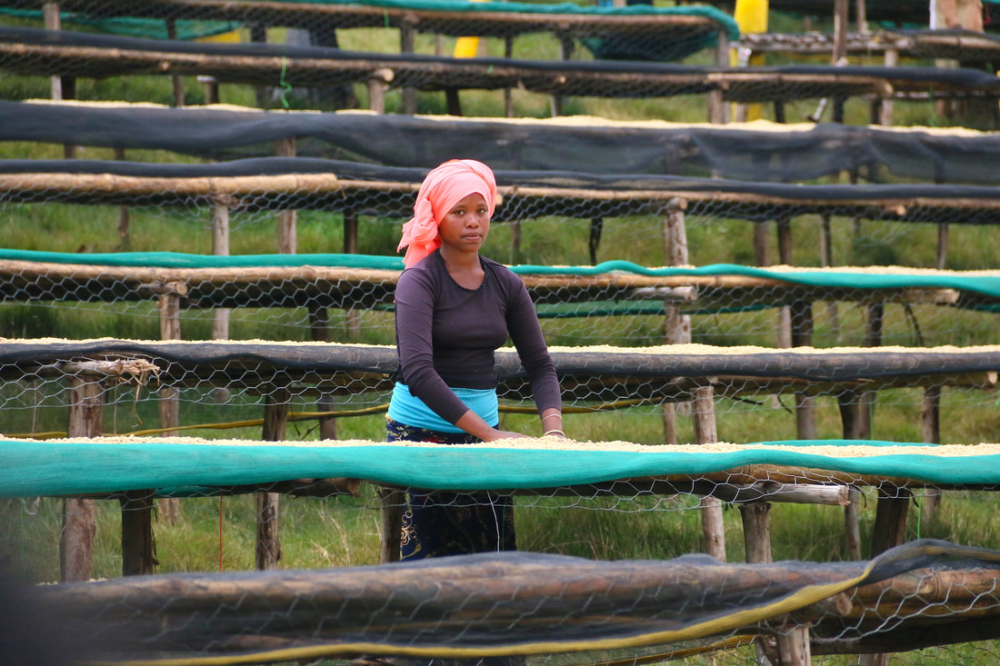
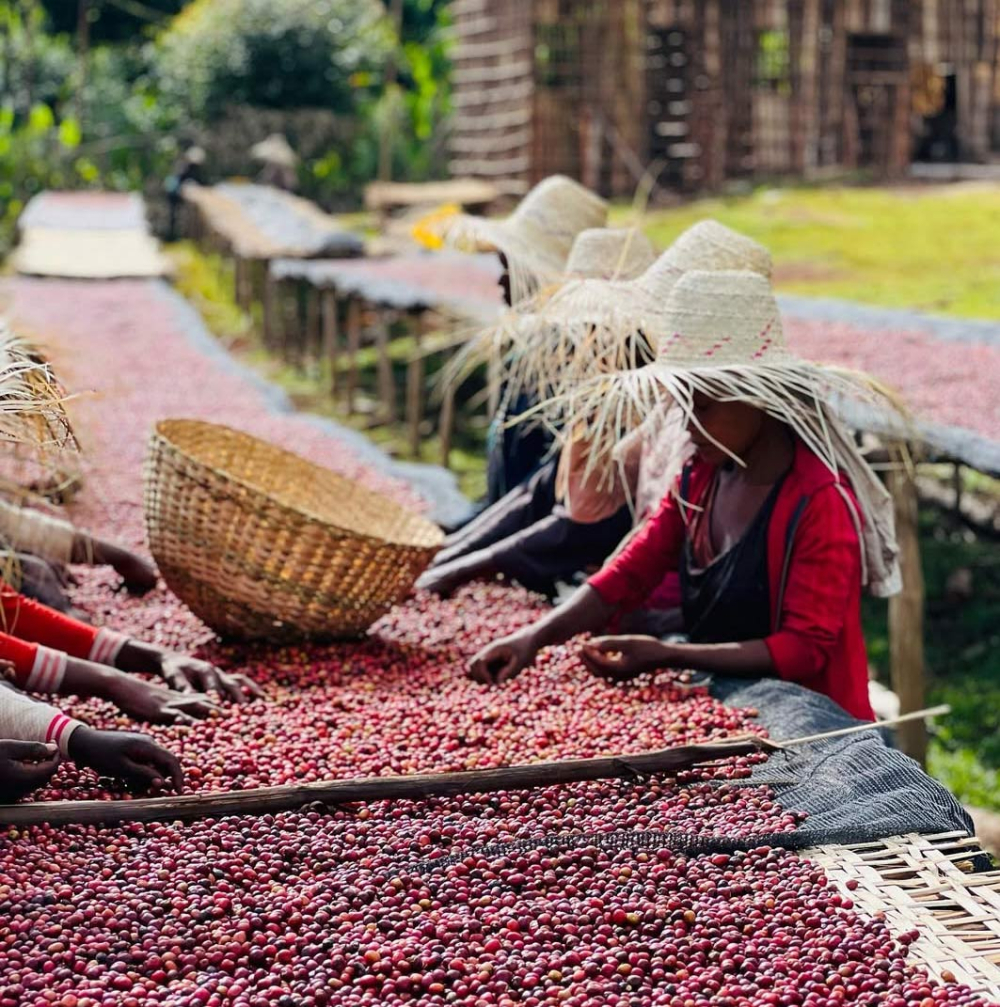
Notably, G1 washed beans must pass three rounds of hand sorting:
1. Initial sorting completed within 24 hours of picking
2. Removal of unripe beans before hulling
3. Final quality check before export
Washed processing explained
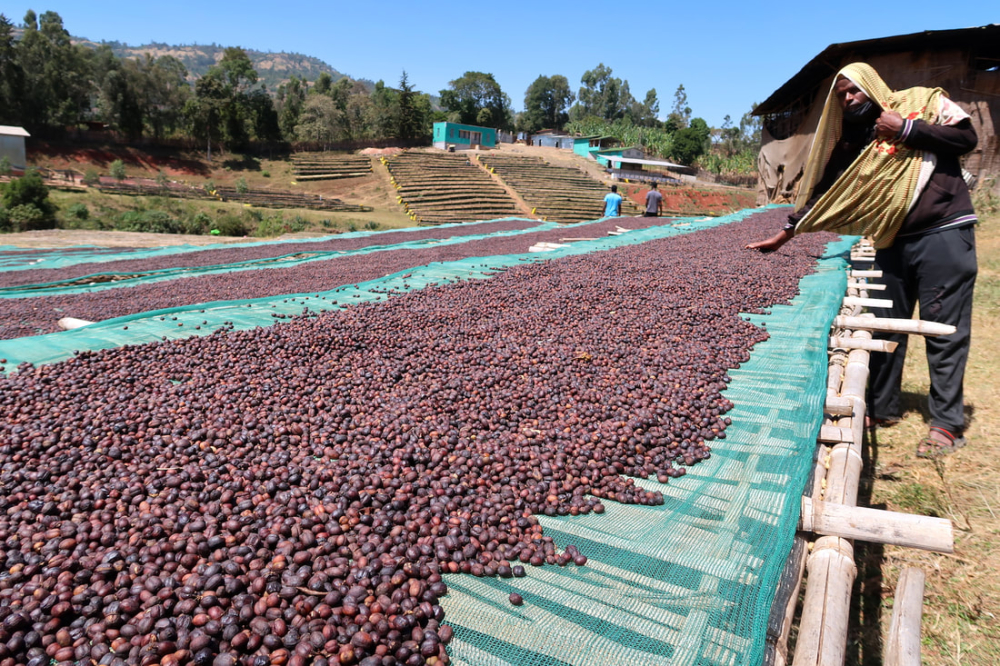
Shakisso washed processing uses traditional fermentation tank methods:
• After pulping, the beans go straight into clean water tanks to ferment for 12–36 hours (adjusted for temperature)
• Rinse off residual mucilage with clean water
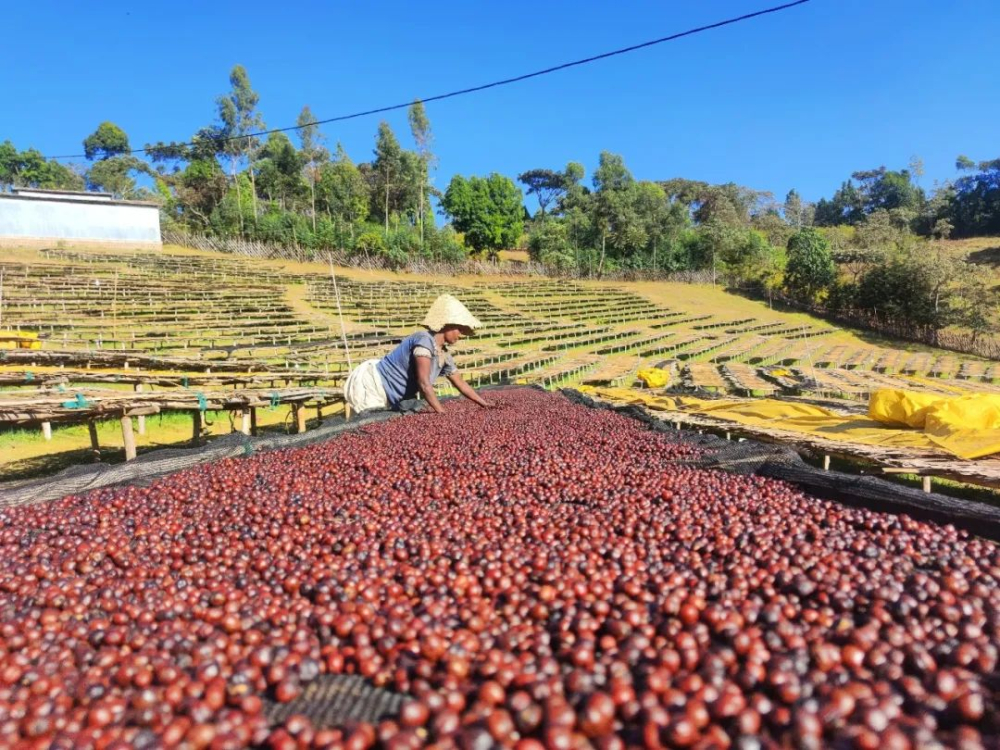
• Dry on African raised beds to 11% moisture content (taking 10–15 days)
• Final storage moisture content controlled with error ≤0.5%
This process strengthens the coffee's citrus acidity (pH 5.2–5.6) and floral-fruity notes, and reduces the risk of impurity absorption by 30% compared with the natural method.
Key elements of the region's terroir
Shakisso's volcanic soil reaches 1.8–2 meters deep; the dark brown clay rich in organic matter at the surface provides a unique mineral combination:
• Potassium content 20% higher than ordinary regions
• Calcium-to-magnesium ratio maintained at 3:1
• Microbial activity index reaches 0.75 (industry average 0.6)
Combined with a day-night temperature difference of 12°C, this prompts the coffee cherries to accumulate sugars slowly, ultimately forming a balanced expression of bright citric acid and a blackcurrant finish.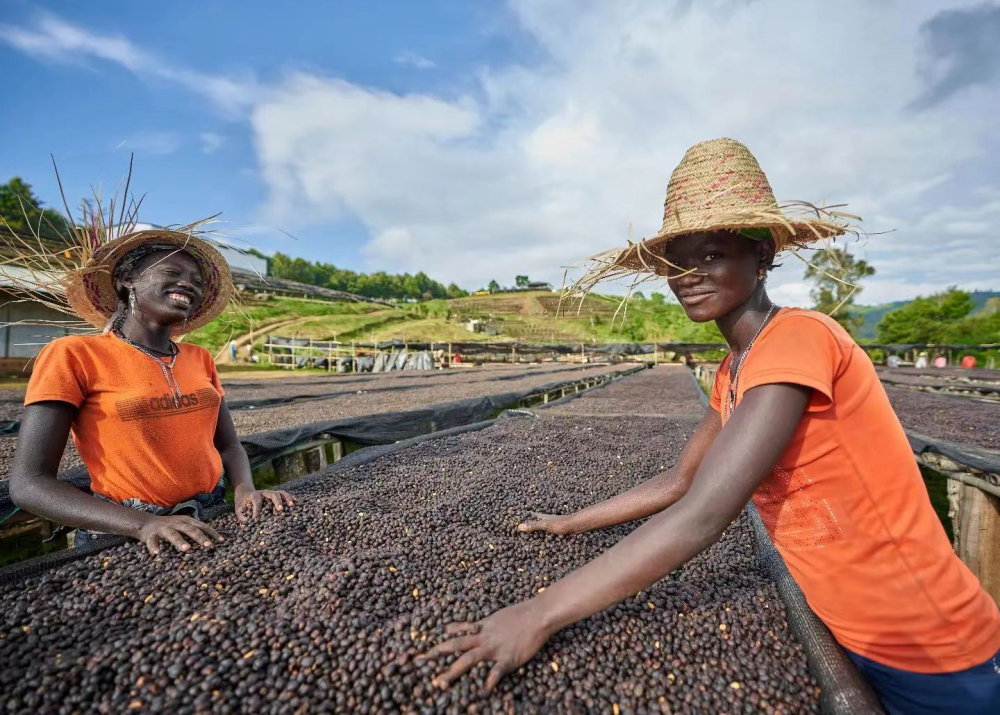
Processing method selection guide
In the Sidamo region the ratio of washed to natural is about 4:6, but the Shakisso micro-region leans toward washed processing:
√ Advantages of washed: highlights clean acidity (acidity intensity 6–7/10), lowers defect risk
√ Characteristics of natural: enhances body (body value 8–9/10), develops tropical fruit flavors
Professional roasters' recommended pour-over parameters:
- Water temperature: 90–92°C (washed) / 88–90°C (natural)
- Coffee-to-water ratio: 1:15–1:16
- Extraction time: 2 min 10 s ±10 s