Colombia La Esperanza Honey-Processed Mocha Peaberry: Flavor Analysis and Pour-Over Tips
Introduction: This article takes an in-depth look at the flavor characteristics and processing of Colombia La Esperanza honey-processed Mocha peaberry, from the variety's origins to the growing altitude of the region, explaining in detail how its floral, nutty and caramel notes are formed. It provides a professional-level flavor wheel description and brewing parameter references, and reveals how honey processing affects the cup, helping you precisely grasp the unique appeal of this rare specialty coffee.
In the specialty coffee world, Colombia is consistently known for its stable high quality. Its coffee system is centered on Arabica, offering both the classic full-bodied style suited to dark roasting and the refined flavors nurtured by high-altitude regions. As one of the country's top representatives, La Esperanza has won numerous awards in global competitions thanks to innovative variety cultivation and rigorous processing techniques.
La Esperanza encompasses four estates: Esperanza, Las Margaritas, Cerro Azul and Potosi. Among them, Esperanza estate is located in Cauca, where growing conditions above 1,500 meters give the coffee distinct acidity layers and a sweet base. The estate won both first and second place at Best of Panama in 2008 and 2009 consecutively, took 2nd, 3rd and 7th among the top ten at the 2012 SCAA Coffee of the Year, and also received GFA (Great Food Award) recognition, becoming the only region besides Ethiopia, Kenya and Panama to earn this honor.
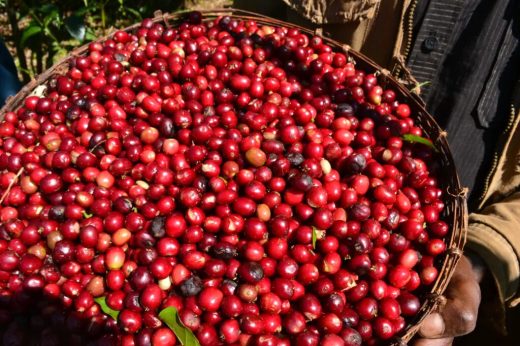
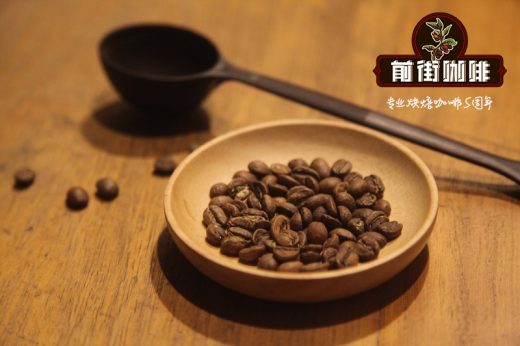
The honey-processed Mocha peaberry in focus traces its varietal origins to primitive Bourbon variants from Ethiopia or Yemen. Its beans are naturally small and round; although not peaberry, after being transplanted to Brazil, Hawaii and elsewhere, it gradually differentiated into dwarf and tall forms as it adapted to different soil and water environments. Colombia's Mocha peaberry mostly derives from improved Hawaiian varieties, retaining the compact bean shape—a trait that also increases the difficulty of harvesting and processing.
The honey process is the core highlight of this coffee. Unlike traditional washed or natural methods, honey processing requires retaining part of the mucilage layer during drying; by precisely controlling humidity and time, the coffee absorbs more sweet substances during fermentation. La Esperanza uses a staged drying method: slow shaded drying in the early stage to stabilize sugar conversion, followed by enhanced ventilation later to prevent mold, ultimately forming a unique caramel finish and full body.
In terms of flavor, this Mocha peaberry opens with bright floral notes, accompanied by the fresh acidity of green apple; the mid-palate reveals walnut woody tones and the sweet fragrance of sugarcane, with a lingering, clearly layered finish.This flavor combination benefits from the large day-night temperature difference at high altitude in Cauca, which slows fruit ripening and promotes full accumulation of sugars and aromatic compounds.
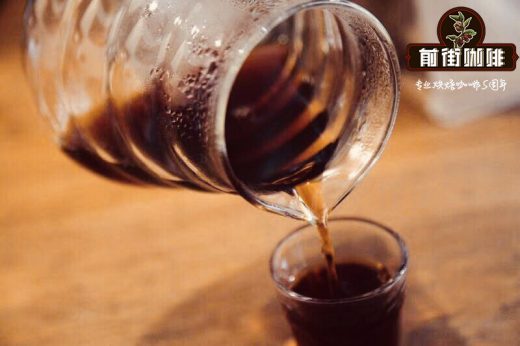
For coffee lovers, brewing with a V60 or pour-over kettle at 92-94°C water temperature and a 1:15 coffee-to-water ratio is recommended; when pouring in stages, note that a fast early extraction releases the floral and fruity acidity, while a slower flow later enhances sweetness. If using a French press, extending the steep time to 4 minutes is recommended to fully express its full-bodied texture.
It is worth noting that the yield of Mocha peaberry is limited by varietal characteristics and processing difficulty, and its global circulation is scarce. Through organic farming and scientific field management, La Esperanza maintains stable output while ensuring quality, making it a rare target that seasoned coffee collectors should not miss.