Pour-Over Coffee Fruit Acidity Guide: How Light-Medium Roasts Showcase Floral and Fruity Aromas, Plus 5 Flavor Profiles
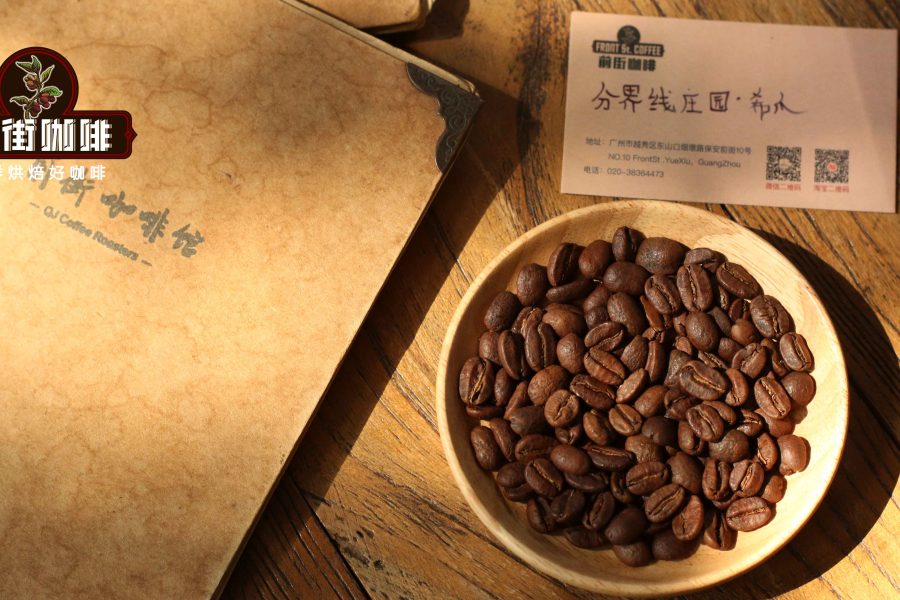
Introduction: From citrus to berry notes, the fruity acidity of pour-over coffee is closely tied to roast level. Light roasts retain more organic acids, presenting bright acidity and floral aromas; medium roasts balance sweetness and complexity. This article explains the flavor characteristics of light-to-medium roasted coffee beans, breaks down the key changes from first crack to second crack, and uses 5 typical bean examples to help you master practical tips for choosing coffee beans with pronounced floral and fruity notes.
In a coffee bean's roasting journey, a subtle adjustment of only about 10°C can shift the flavor from fresh fruity acidity to mellow caramelized aroma. Light roasts are usually completed from the middle to the end of first crack, when the organic acids in the bean's core (such as citric and malic acid) have not been fully broken down by high heat. The acidity is vivid but not overly sharp, bitterness is extremely low, and complex aromas such as jasmine and lemon are released. If you want to experience coffee's "brightness," this stage is the golden window.

When roasting enters the medium range after first crack ends and before second crack, caramelization gradually intensifies. Acidic compounds are partly transformed, sweetness rises noticeably, and acidity no longer dominates the palate but remains clearly discernible. The aroma layers at this stage are richer, with nutty notes faintly emerging to form a unique balance with the residual fruitiness—suitable for drinkers who prefer a soft sweet-and-sour profile.

Those pursuing floral and fruity aromas should focus on the light to medium roast range and pay attention to keywords such as "citrus," "berry," and "floral" in flavor descriptions. When buying, check the roast date (freshness directly affects acidity activity) and prioritize beans labeled with a specific processing method and origin.
 Imagine the experience of the first sip of pour-over coffee: the lively acidity of citrus fruit paired with white floral notes, like fresh lemon and jasmine meeting in the early morning. Such flavors are mostly found in highland beans grown above 1,800 meters; the washed processing method preserves the purity of fruity acidity to the greatest extent. Typical origins include certain regions of Africa, where beans after a standard washed process often display bright citric acidity and elegant floral notes, with acidity intensity around pH 5.8–6.2—refreshing on entry, not sharp.

Another popular choice is medium-light roasted beans with red berry characteristics. Their acidity resembles the liveliness of cherry tomatoes, blended with the deep flavors of blackcurrant or blueberry, usually stemming from a combination of specific varieties (such as SL28/SL34) and special processing methods. These beans release a faint fermented fruity aroma when ground; brewing with 92–94°C water and a flow rate of 2–3 ml per second is recommended to better highlight the layers of berry and slight tomato-like acidity.
If you prefer complex fruitiness, look for medium-roasted beans with honey processing or double anaerobic fermentation. These methods extend the interaction time between pectin and enzymes, giving the coffee a sweet, mellow acidity reminiscent of raisins and fruit gummies. Brewing parameters need slight adjustment: a coffee-to-water ratio of 1:15–1:16 is recommended; after a 30-second pre-infusion, use center pouring to balance the release rhythm of sweetness and acidity.

Some rare varieties, through innovative processing techniques, can present unique cross-origin fusion flavors. For example, a blend combining Central and South American varieties, after medium roasting, may simultaneously display the caramel sweetness of Costa Rican honey processing and the tea-like acidity of Panamanian Geisha. The optimal extraction range for such beans is relatively wide (medium-fine grind recommended, extraction time 2 minutes 10 seconds ±5 seconds); cold brew better concentrates the complex aromas of citrus and honey.
It is worth noting that a coffee's fruity acidity is affected by many factors: from green bean density (which affects uniform heat absorption) to the roasting curve (the heating rate during first crack determines the degree of acidity retention), and even water hardness (filtered water recommended, with TDS controlled at 50–150 ppm). Beginners can gradually find their preferred sweet-and-sour balance by recording brewing parameters and flavor notes.
 Overall, light-to-medium roasted coffee beans have enormous potential for floral and fruity aromas; the key is to unlock their flavor code through scientific roasting and precise extraction. Whether you are a refreshing-style seeker pursuing bright citrus notes or an advanced drinker fond of deep berry flavors, you can find your preferred choice in this range.