Brazil Fazenda Yellow Bourbon Natural: Peanut Butter Flavor and Roasting Guide
Introduction: This yellow Bourbon coffee from Fazenda Recreio in São Paulo, Brazil, presents layers of peanut butter and grape jelly through a distinctive natural process. We will analyze its 1,200 m high-altitude growing background, the refined processing craft passed down through five generations, and provide medium-dark roast recommendations and pour-over parameters to help you fully experience this rare coffee's balanced acidity and rich body.
Fazenda Recreio, in the Cerrado ecological zone of São Paulo State, Brazil, offers an ideal microclimate for the yellow Bourbon variety at 1,200 m above sea level. This naturally processed coffee, named "Seletivo Natural," is made by rigorously selecting coffee cherries at peak ripeness and drying them on patios for more than 20 days, ultimately developing its signature peanut butter sweetness and bright grape-jelly fruitiness, with soft acidity as harmonious as black tea.
Diogo Dias, the estate's fifth-generation operator, reveals that the key to processing lies in density grading: after harvest, the coffee cherries first undergo water flotation, where underripe fruit, being less dense, floats and is removed, leaving only the high-quality sunken berries. These beans in their parchment are then slowly dried on shaded terraces for at least 15 days, during which they must be turned by hand 3–4 times daily to ensure even dehydration, with the final moisture content precisely controlled at 11% ±0.5%. This traditional craft maximizes the sugar conversion of the mucilage layer, creating a unique nutty, creamy finish.
As for the estate's history, founder Ignês Bernardina da Silva Dias cleared this 605-hectare land in 1891; today 240 hectares are dedicated to coffee cultivation, of which 85 hectares are set aside as native vegetation reserve. Notably, its UTZ certification covers not only environmental measures—such as spring restoration projects and organic pesticide management—but also welfare guarantees for 45 permanent employees and seasonal workers, including residential facilities and skills training programs.
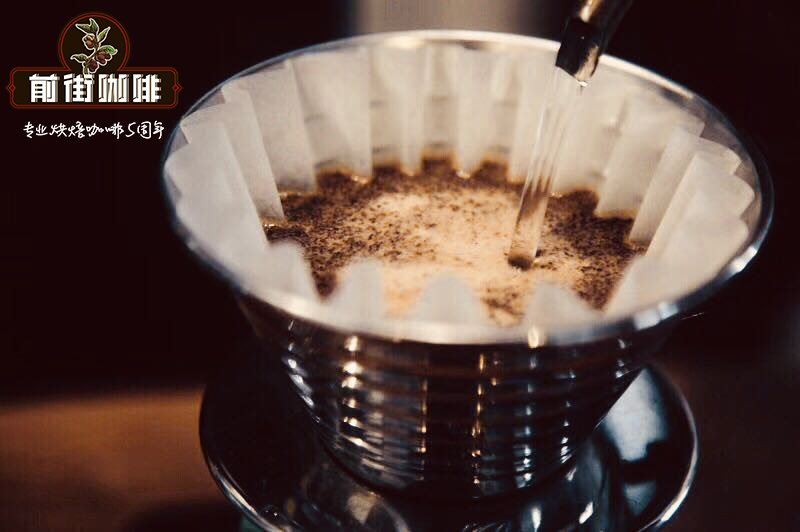
For roasting, a medium-dark range (around Agtron #55) is recommended; extending development time by 30 seconds after the dense phase of first crack ends can highlight the flavor framework of dark chocolate and caramelized nuts. Pour-over tests show that with 92°C water, a 1:15 coffee-to-water ratio, and a V60 dripper, a three-pour method (30 g bloom → center spiral → spiral pour) better balances the floral-fruity character and body. A common mistake is overpursuing high-temperature fast extraction, which turns the jammy sweetness into sharp acidity.
Professional cupping data shows this lot's sugar value reaches 22°Brix; the dry aroma carries obvious roasted peanut and caramel notes, while the wet aroma reveals a tropical-fruit fermentation character. Store in one-way valve foil bags; in a light-protected environment the flavor window lasts up to 14 months. For espresso blends, mixing it with Sumatra Mandheling at a 7:3 ratio effectively enhances the sweetness layers of milk-based coffee.
On the growing side, the estate uses a shade-tree system to regulate the microclimate, with coffee trees spaced strictly at 2.5×2.5 m to ensure ventilation. The processing plant is equipped with an optical color sorter for a second pass of defective bean removal, ensuring no more than 3 defects per kilogram of green coffee. These details together underpin this natural coffee's consistent performance in international competitions—it has continuously reached the finals of Brazil's Cup of Excellence since 2015.


