Ethiopia Yirgacheffe Gutingding Washed: Medium-Light Roast Pour-Over Bean Guide and Flavor Profile

Introduction: As a classic Ethiopian region, Yirgacheffe has become the entry point for many coffee lovers thanks to its vivid floral and fruity character. This article focuses on washed beans from the Gutingding cooperative in this region, detailing the flavor layers under a medium-light roast (such as citrus, berries, honey, and more), suitable brewing methods, and the core characteristics of Ethiopian heirloom varieties and the washed process, helping beginners understand this classic, high-value bean more systematically.

People new to specialty coffee often hear the resonant name "Yirgacheffe." Produced in this classic Ethiopian region, it has won countless coffee lovers over with its clean, bright base and prominent citrus and lemon-like acidity, so that their first taste is love for coffees with obvious floral and fruity flavors. If you want a medium-light roasted Yirgacheffe that is both flavor-forward and good value, the washed beans from the Gutingding cooperative are worth trying.
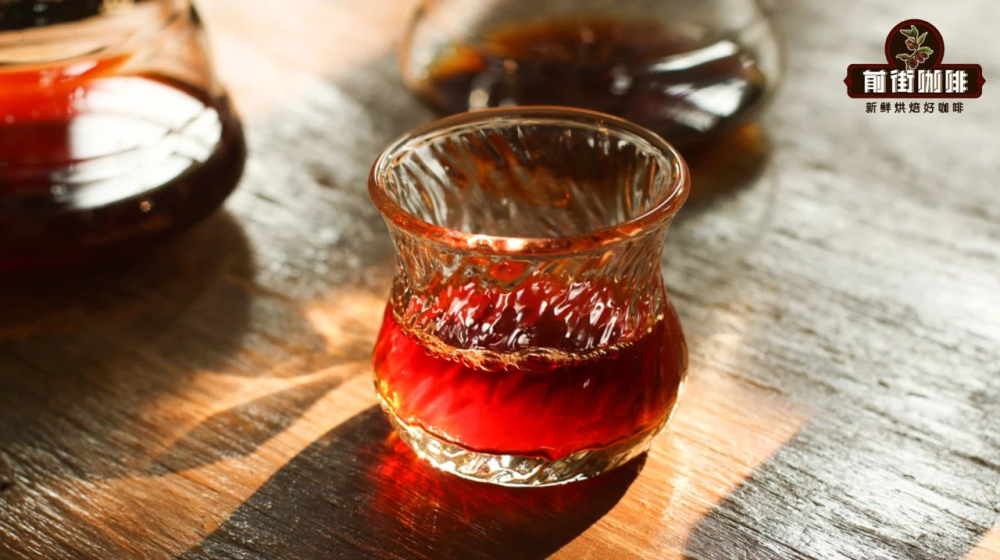
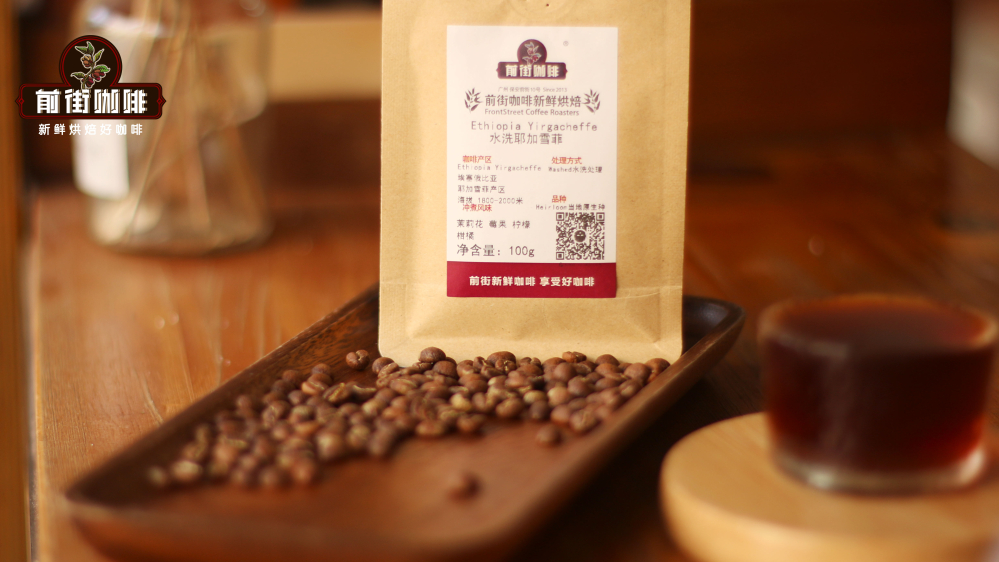
These beans are medium-light roasted, preserving the unique character of the Ethiopian heirloom varieties while presenting rich, layered flavors: on entry you can catch delicate white florals accompanied by bright berry notes, then citrus acidity interweaves with soft honey sweetness, and the finish carries a light, fresh green-tea-like aftertaste. The overall cup is clean and not bitter, suitable not only for pour-over but also for ice drip, cold brew, and even French press or the Clever Cup, showing good adaptability—a true multi-purpose bean.
[Regional background: high altitude and the natural gift of heirloom varieties]
Administratively, Yirgacheffe originally belonged to the Sidamo area of southern Ethiopia; later, because its washed beans became world-famous for their refined flavors, it was upgraded to a separate region. Most coffee in this region is grown at altitudes of about 1,900–2,300 meters; the high-altitude environment slows the ripening of the coffee cherries, which favors the accumulation of flavor compounds. Notably, because long-term local cultivation has reduced forest cover, the region is dominated by densely populated smallholder family farming—one reason Ethiopian coffee generally has small, uneven-sized beans.
As for varieties, Ethiopia has an extremely rich coffee gene pool. The common "Heirloom" label on the market is in fact used because the country has a huge number of coffee varieties (over several thousand), making it difficult to name each one, so they are collectively called heirloom. The beans from the Gutingding cooperative are grown from exactly this kind of regionally distinctive heirloom variety.
[Washed process: the cornerstone of clean flavor]
The washed process is the key step that shapes Yirgacheffe's highly recognizable flavor. Its standard procedure includes the following steps:
1. Floating and sorting: After picking, the coffee cherries are first immersed in water; unripe or defective beans float and are removed due to lower density, while the high-quality cherries that sink go on to the next step. This step greatly improves sorting efficiency.
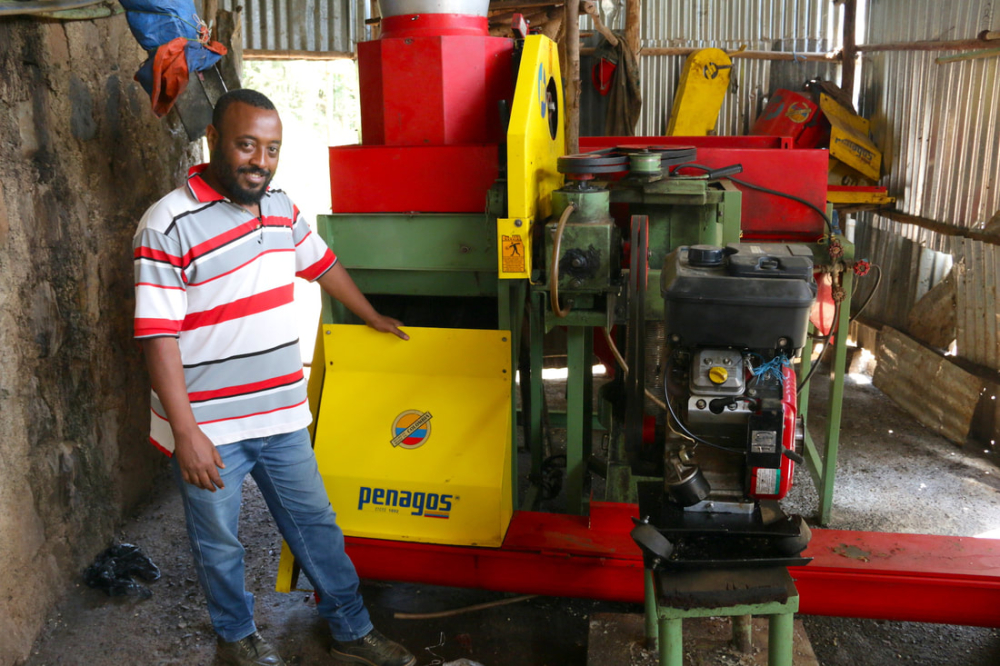
2. Pulping: The skin and pulp are removed by a pulper, at which point a layer of mucilage (pectin) still clings to the surface of the beans.
3. Mucilage fermentation: The mucilage-covered beans are placed in fermentation tanks, where microorganisms break down the pectin, usually taking about 18 hours. Afterward they must be rinsed again with clean water; at this stage, processing 1 kilogram of coffee beans consumes about 40–50 kilograms of water (dry regions use washed processing less due to water constraints).
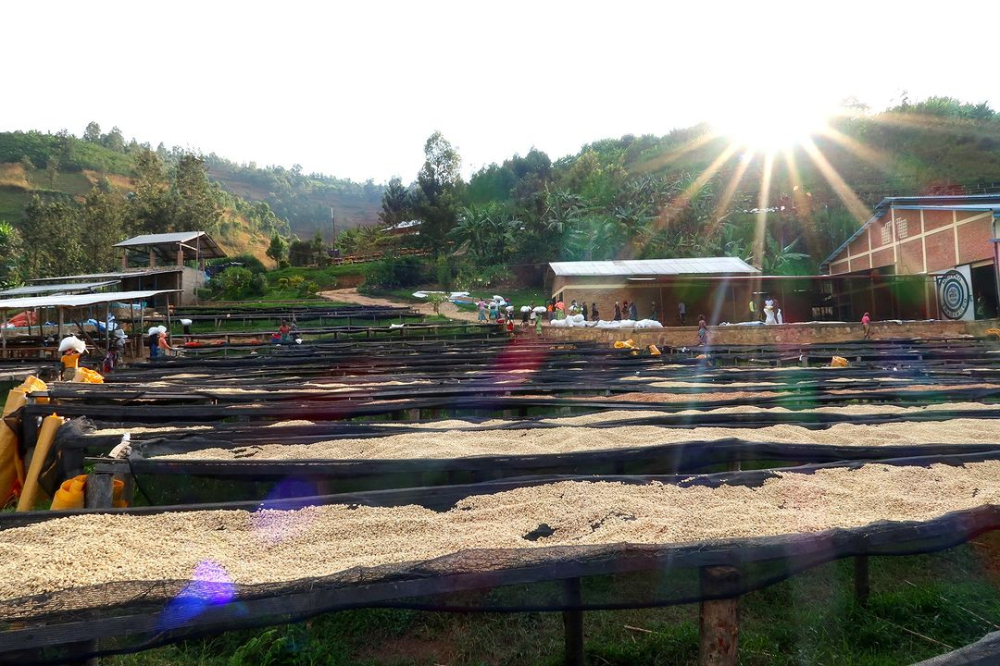
4. Drying and setting: The washed beans are placed on open-air drying beds or in mechanical dryers to bring moisture content down to the ideal range of about 11%.
5. Storage and packaging: The dried green beans are quality-checked, then sealed and stored, awaiting export and distribution.
Coffee processed by the washed method ultimately shows bright, clear acidity and prominent fruit aromas, with an overall transparent, clean cup; however, compared with natural or honey processing, its sweetness and body are usually somewhat milder.