SOE vs. Blended Coffee Beans: Which Is Better for Espresso?
Introduction: As specialty coffee becomes more widespread, more and more coffee enthusiasts are paying attention to the differences between SOE and blended beans. Is espresso made from single-origin coffee beans (SOE) really better than espresso made from blended beans? How do the two differ in flavor expression, extraction parameters, and suitable scenarios? This article takes you through the definition, historical background, common misconceptions, and practical recommendations to give you a comprehensive understanding of the characteristics of SOE and blended coffee beans and the basis for choosing between them.
As specialty coffee culture continues to spread in the country, the choice of espresso beans has gradually become a hot topic of discussion. Among the most common debates is whether SOE espresso made from single-origin coffee beans is really superior to espresso made from traditional blended coffee beans. Many coffee enthusiasts believe that SOE coffee, because it uses specialty beans from a single origin, has a purer flavor, while blended beans are often thought to sacrifice flavor complexity to control costs.
Supporters of SOE argue that SOE stands for Single Origin Espresso, which usually involves extracting high-quality coffee beans from a specific origin. Because of the unique terroir of their origin, such beans often bring more distinct regional characteristics and flavor expression, such as clear fruit acidity, floral notes, or sweetness. By contrast, some blended coffee beans may use relatively ordinary beans to pursue consistency and lower costs, and use dark roasting to mask defects, making the coffee flavor flat or even burnt and bitter.
However, supporters of blended coffee have their reasons too. They point out that Italian-style blended beans are often a mix of beans from multiple origins, and by complementing each other's flavors, they can achieve a more balanced, full-bodied mouthfeel, especially suitable for milk-based coffee. In addition, carefully designed blended beans usually have richer crema, which can show better smoothness and complexity when combined with milk—something many single-origin beans cannot match.
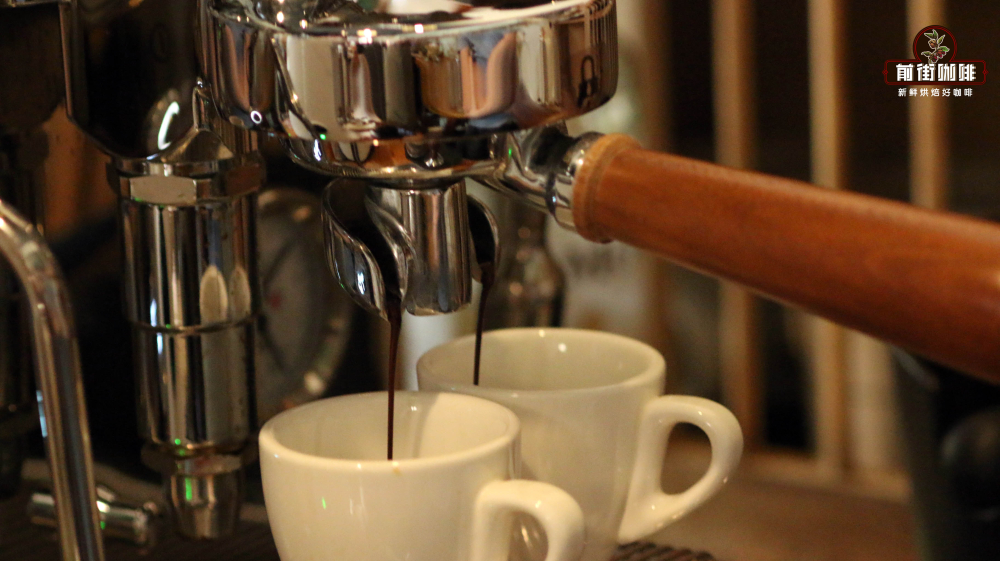
In fact, judging whether an espresso is "specialty" cannot simply use "whether it is single origin" as the only criterion. What truly determines coffee quality is a complete professional process from green bean selection, roasting curves, and extraction plans to end service. Whether SOE or blended, as long as every step is rigorous and professional, an excellent coffee experience can be presented. Flavor expression is only one part of it; the consumer's overall experience is equally important.
Tracing the origins of SOE's popularity, it can be dated back to the 2007 World Barista Championship (WBC), where a champion competitor used single-origin coffee beans to make espresso for the first time and defeated other competitors who used traditional blended beans. This event attracted the attention of the global coffee industry, and SOE gradually became a trend. In recent years, with the deepening development of specialty coffee in the domestic market, SOE has also begun to be recognized by more consumers. However, precisely because of this, some people mistakenly believe that SOE equals high-quality specialty coffee, which is actually a misunderstanding.

As for why blended coffee was once "disliked," part of the reason lies in the market's one-sided understanding of the concept of "specialty." Blended beans mix coffee beans from different origins to draw on each other's strengths, aiming to balance flavor expression, especially under the high-pressure and fine-grind conditions of Italian-style extraction, where they can better stabilize the output. At the same time, some merchants may use lower-quality beans to control costs, or even mix in non-specialty beans, masking defects through dark roasting and thereby reducing the overall coffee experience. This practice has indeed affected the reputation of blended coffee, but it cannot be used to deny the value of all blended beans.
In fact, many blended beans used by coffee shops on the market today are carefully formulated high-quality recipes that are not only clean in flavor and clearly layered, but also bring pleasant notes of chocolate, nuts, and caramel. Compared with single-origin SOE, blended beans focus more on overall harmony and output consistency, making them especially suitable for daily drinking and large-scale output.
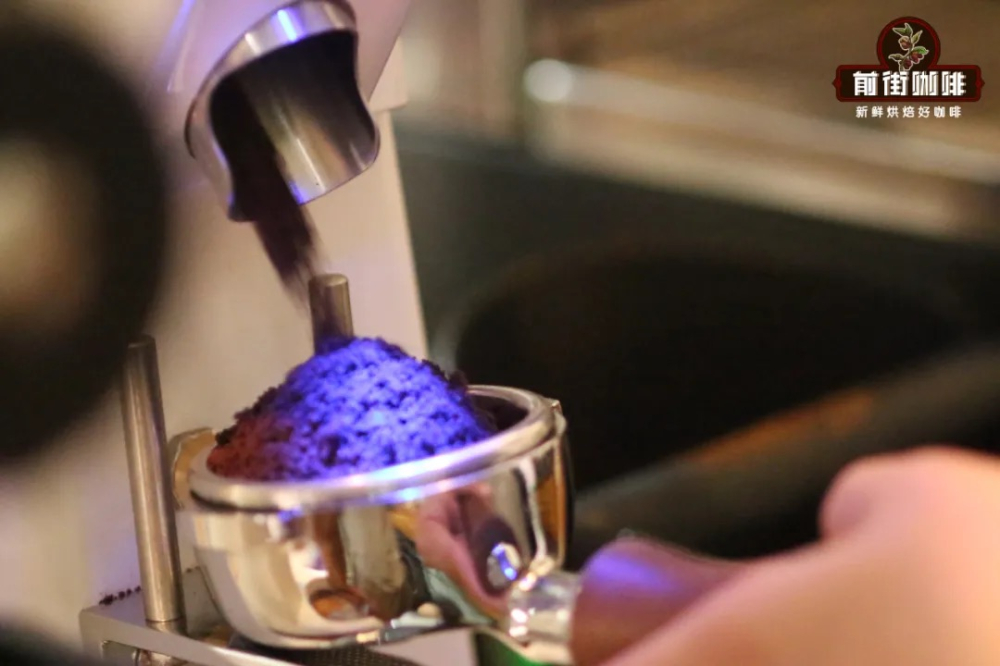
So, for coffee shops, should they prioritize SOE or blended beans? The industry generally recommends that, based on output consistency and customer acceptance, blended beans can be used as the main choice for espresso, while an additional grinder can be set up specifically for SOE extraction. This not only satisfies consumers seeking unique flavors but also ensures that most customers enjoy a balanced, full-bodied classic taste.
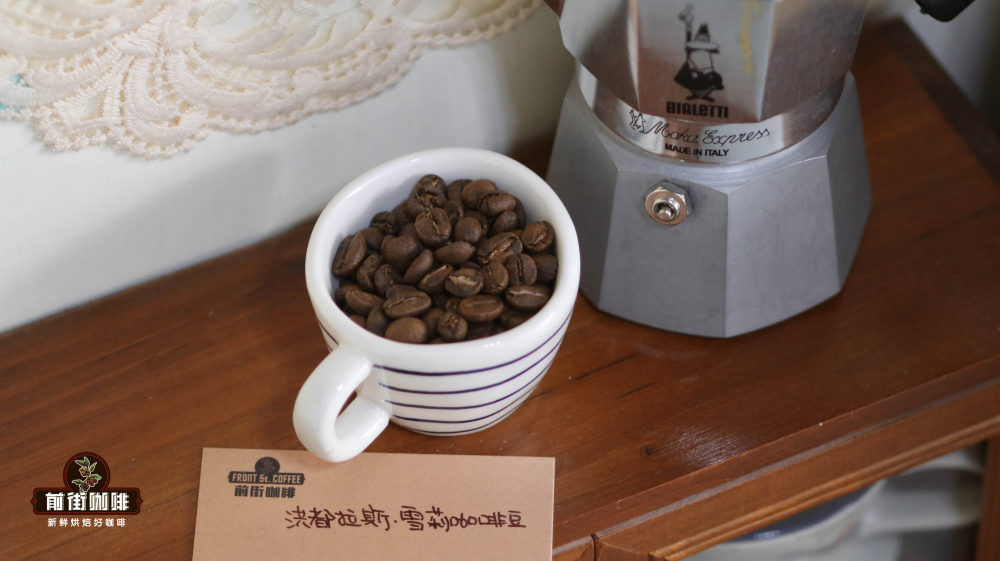
From the perspective of home or personal brewing, if you want to try SOE coffee, it is recommended to choose beans with a medium roast level or above; such beans have softer acidity and are more easily accepted by a wide range of people. For example, coffee beans from Central and South American origins, such as Costa Rica or Honduras, often have bright fruit acidity and rich sweetness, suitable for making SOE espresso with balanced acidity and sweetness. In terms of roast level, Medium roast or Medium-Dark roast can usually better show the regional characteristics of SOE without losing body.

In terms of extraction parameters, because SOE has a more distinct flavor, it is recommended to use a finer grind with a moderate brew ratio, such as 1:2, and control the extraction time between 25 and 30 seconds to fully show its complexity. Blended beans can be adjusted according to the flavor goal; fuller-bodied recipes are suitable for a slightly coarser grind and a slightly longer extraction time to ensure rich crema and a full mouthfeel.
Overall, SOE and blended beans each have their strengths. SOE is better at showing the unique flavor of a single origin, while blended beans have more advantages in balance and consistency. Whichever you choose, understanding their characteristics and suitable scenarios is the key to better enjoying the diverse experiences coffee brings.
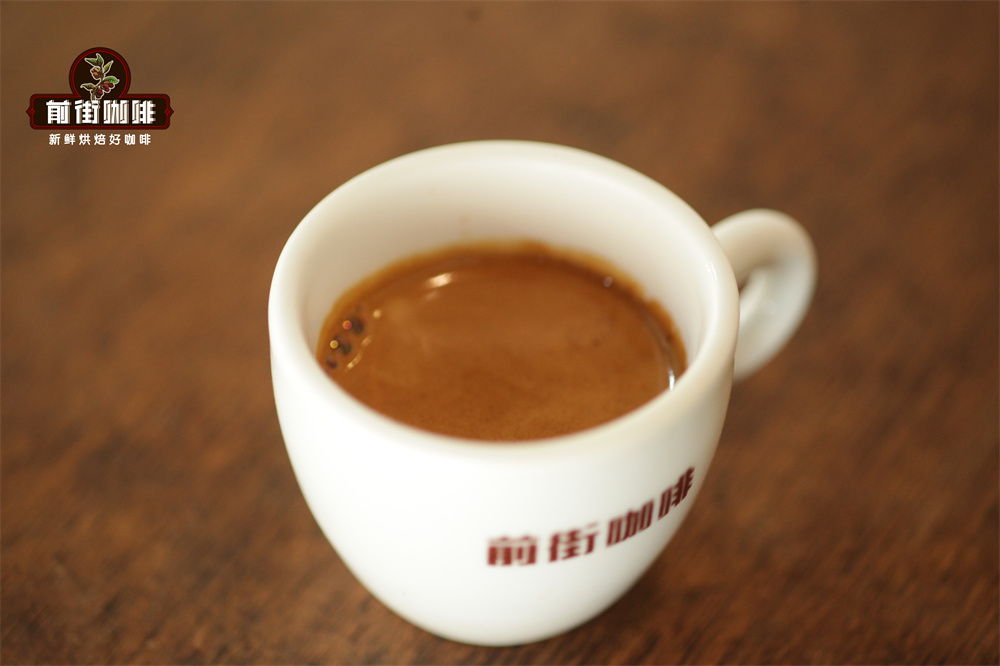
If you want to try SOE coffee, you can consider choosing medium-light to medium roast beans from Central and South America, such as beans with raisin aroma and fruity fermentation notes, or varieties with vanilla cream and nutty notes. Under medium roast, these beans can show clear acidity while also having good sweetness and body, making them very suitable for making SOE espresso with prominent flavor.
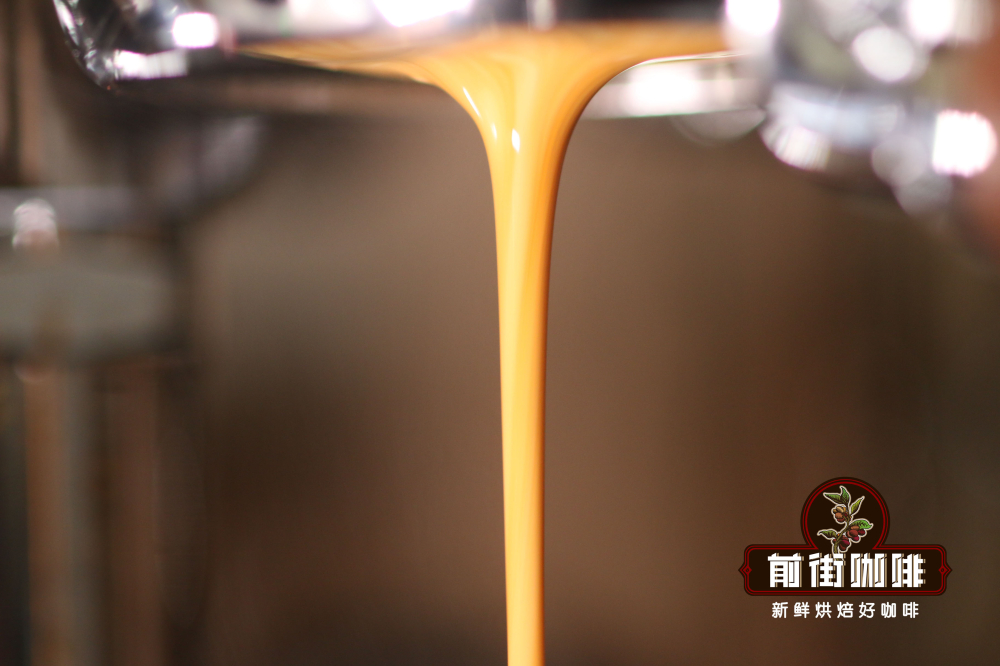
For blended coffee, common high-quality blend recipes on the market usually use origins such as Brazil and Colombia as the main base, paired with a certain proportion of other bean varieties, to achieve a comprehensive flavor of nuts, chocolate, and caramel. Such blends are not only suitable for making classic espresso but also blend perfectly with milk to create smooth, richly layered milk coffee.
In summary, SOE and blends are not opposites but expressions of different styles and needs. Understanding their characteristics, roast levels, extraction parameters, and flavor directions can help you make a more suitable choice based on personal preference or shop positioning. Whether SOE or blended, as long as it is made professionally and the flavor is harmonious, it can bring a satisfying coffee experience.