Top 10 Specialty Coffee Beans: Pour-Over Flavor Guide & Origins
Introduction: From the highlands of Africa to the volcanic belts of the Americas, the world's premier coffee-growing regions each possess a distinctive terroir. This article selects 10 internationally recognized high-quality coffee beans, covering a diverse range of flavor types from bright fruity acidity to rich chocolatey notes, with detailed explanations of each region's altitude grading standards, processing method differences, and typical flavor profiles, helping you find your ideal coffee beans according to your personal taste preferences.
In the specialty coffee world, the regional flavors of coffee beans have always been a core topic. Different growing regions around the globe, through differences in altitude, climate, and processing methods, cultivate flavor characteristics that are each distinctly recognizable. Understanding the representative works of these classic regions is an important starting point for exploring the world of coffee.
Colombian Huila coffee (Supremo grade) is known for its large bean size and uses washed processing to preserve clear acidity. This region has two harvests each year, from October to January and from April to June, and top-grade beans must meet the screen size standard of S17 (6.75mm) or above. The typical flavor profile features a Himalayan cedar-like base note, accompanied by hazelnut and caramel sweetness, with bright lemon-like acidity, making it suitable for pour-over enthusiasts who prefer a balanced cup.
Costa Rica's Tarrazú region, leveraging its high-altitude advantage (SHB Strictly Hard Bean at 1500m+), has developed a vivid layering of flavors. The locally prevalent honey processing method (retaining part of the mucilage layer) gives the coffee brown-sugar sweetness and tropical fruit notes, with lively citrus-like acidity. The harvest period is concentrated from November to March; be sure to choose products labeled GHB (Good Hard Bean) or above.
Guatemala's Huehuetenango region is located in a volcanic zone, and the coffee cultivated in its fertile soil has a heavy body and dark berry acidity. Its chocolate flavor comes from the uniqueness of the growing environment; medium-dark roasting is recommended to highlight the nutty and cocoa finish.
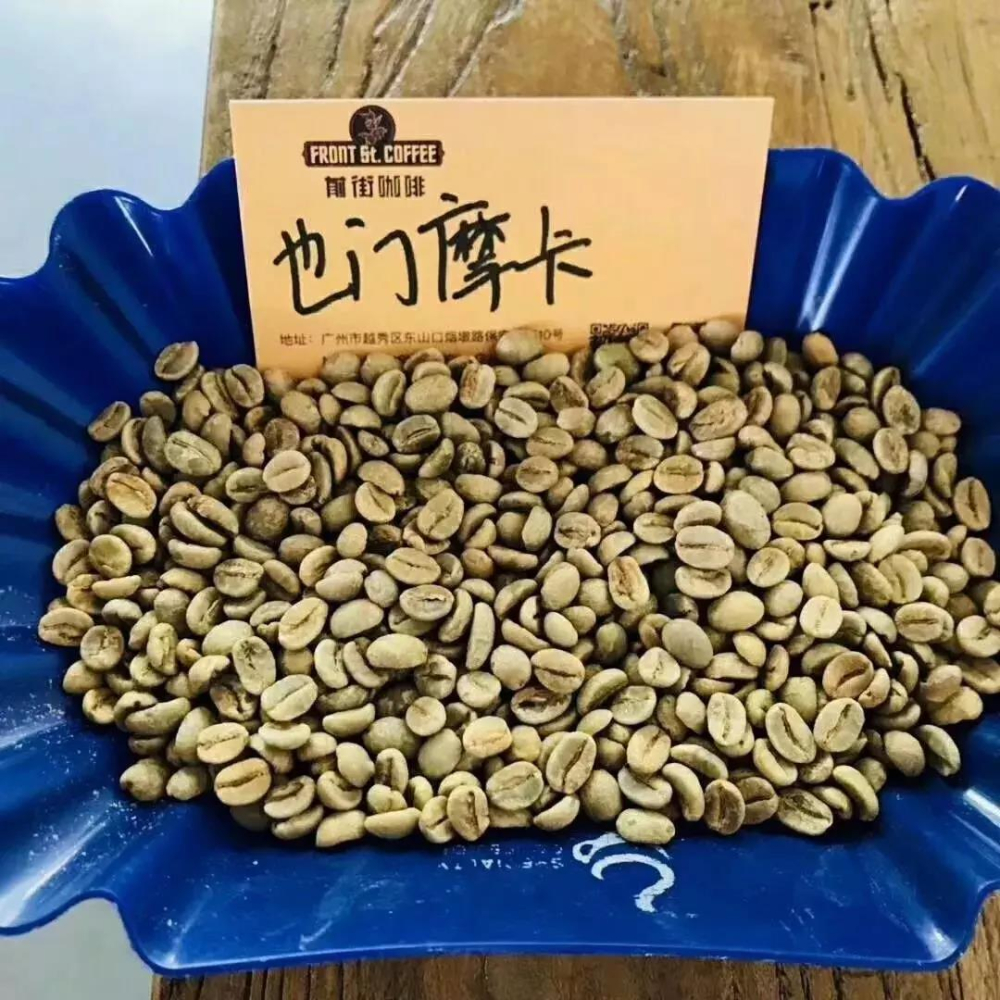
Yemen Mocha coffee (originally meaning the port name) carries the historical memory of the coffee trade. The remaining small estates use Italian sorting equipment to ensure stable quality, and the flavor presents a wine-like balance of acidity and astringency with black berry aroma. Due to the situation in the producing region, authentic Mocha beans continue to rise in price, and buyers should be careful to identify blended products.
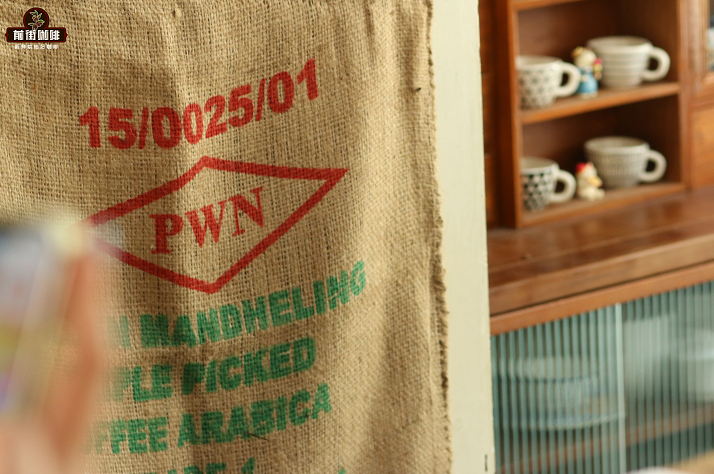
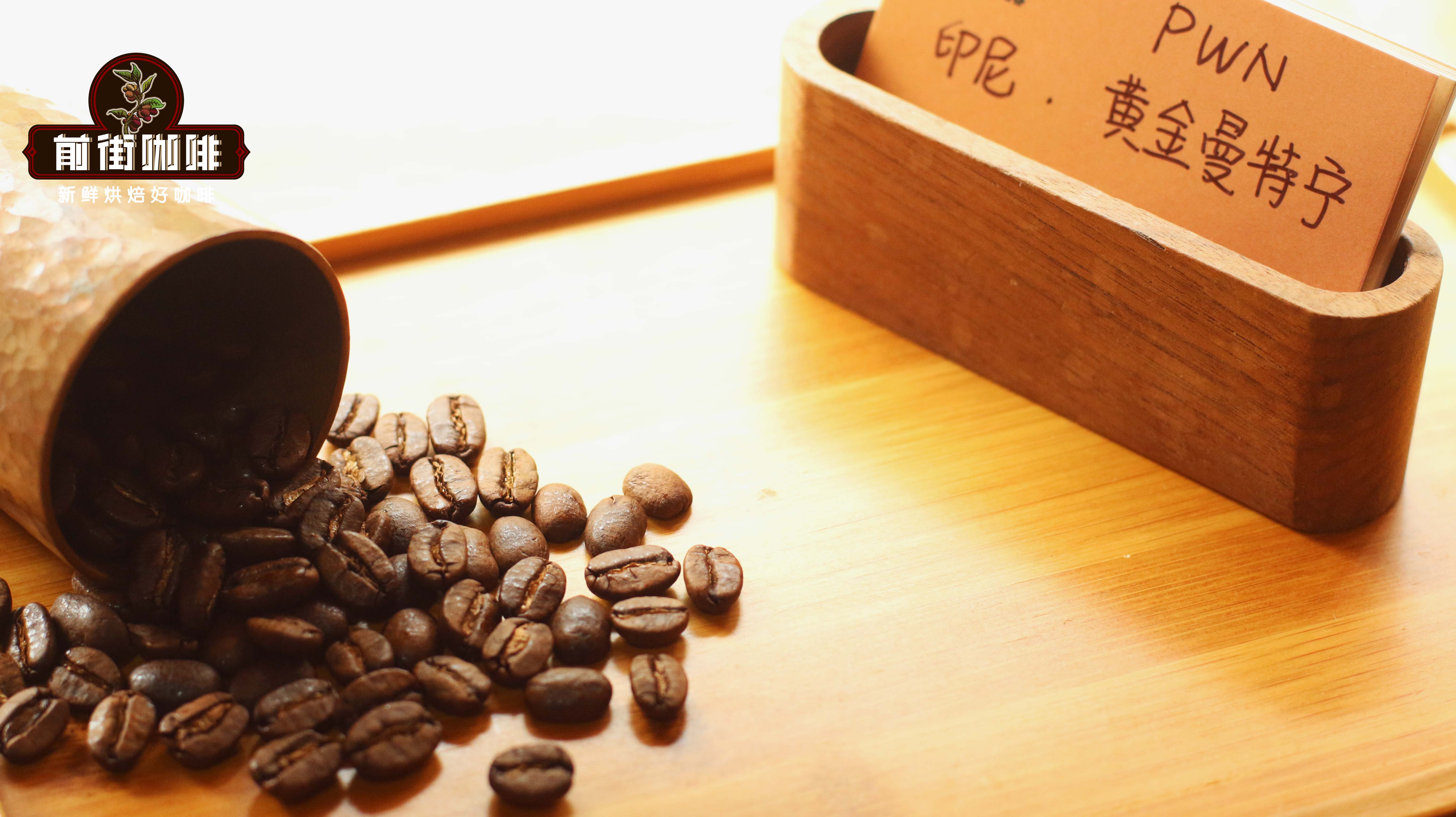
Sumatra Mandheling (main producing areas: Lake Toba/Lintong), as a representative of Indonesian coffee, uses wet-hulling processing to form its signature herbal, earthy notes and low-acid, heavy-bodied mouthfeel. This variety is sensitive to roast level; medium-dark roasting can intensify sandalwood and tobacco flavors. Be careful to distinguish between Typica and Robusta hybrid products.
Kenya AA coffee is famous for its large bean size (screen 18 and above) and intense fruity acidity; products from the Nyeri region often carry tomato-like acidity and a sweet finish of smoked plum. The grading system is strict, with AA+ representing the highest quality. A pour-over water temperature of 92°C is recommended to bring out the berry flavors.
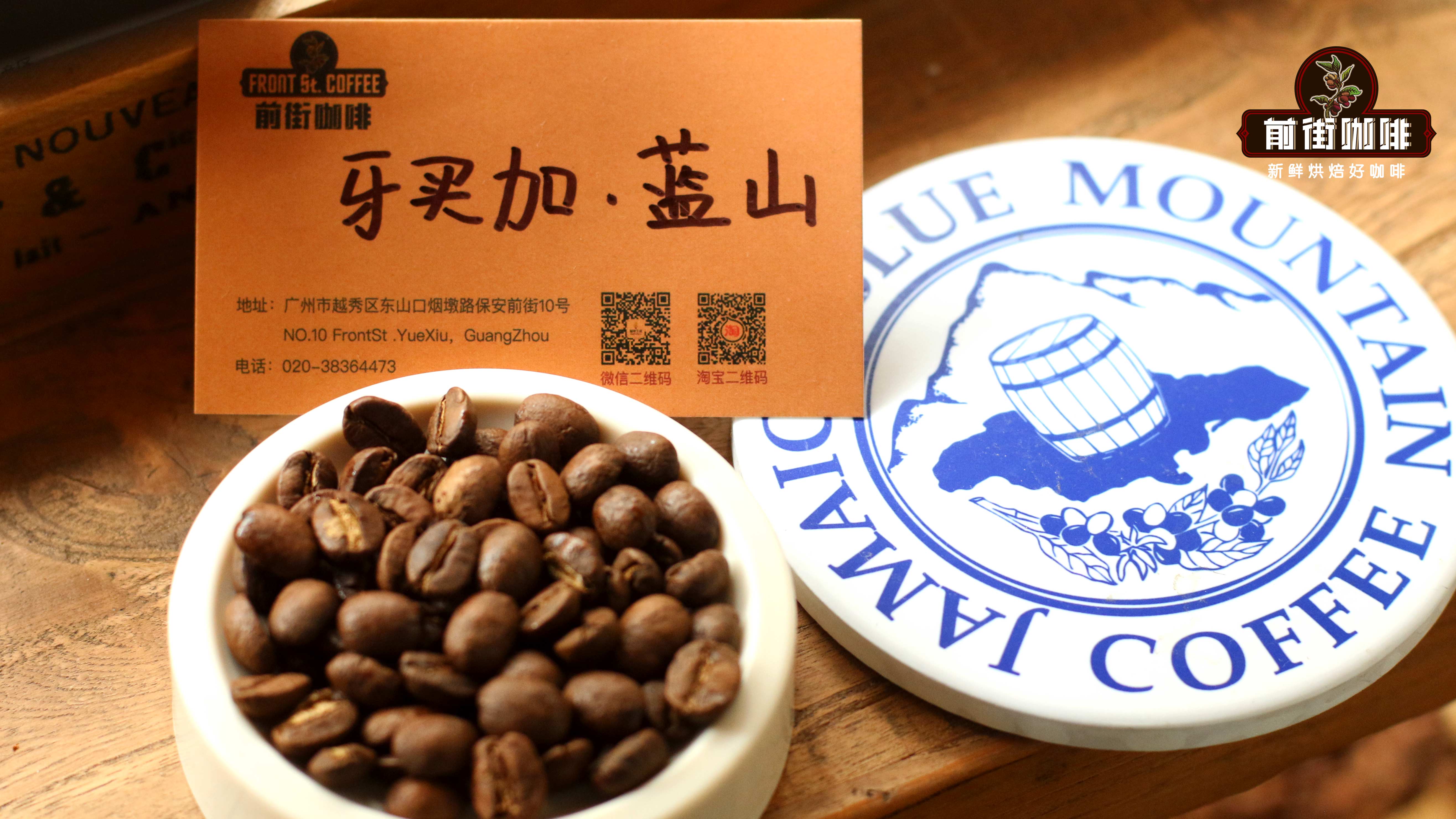
Jamaica Blue Mountain coffee (grown at 1200–1700m altitude) is hailed as a model of balance; the No.1 grade requires a defect rate below 3% and a moisture content of 13%±1. Its low-acid, mellow character comes from the high-altitude growing environment, commonly with dark chocolate and caramel finish. Be aware that there are many counterfeit products on the market.
Ethiopia Yirgacheffe (G1 washed grade) is synonymous with citrusy acidity and aroma; the heirloom variety Yirgacheffe carries jasmine floral notes and lemon acidity. The naturally processed G1 grade, meanwhile, displays a tropical fruit bomb-like flavor. Both are ideal choices for pour-over beginners.
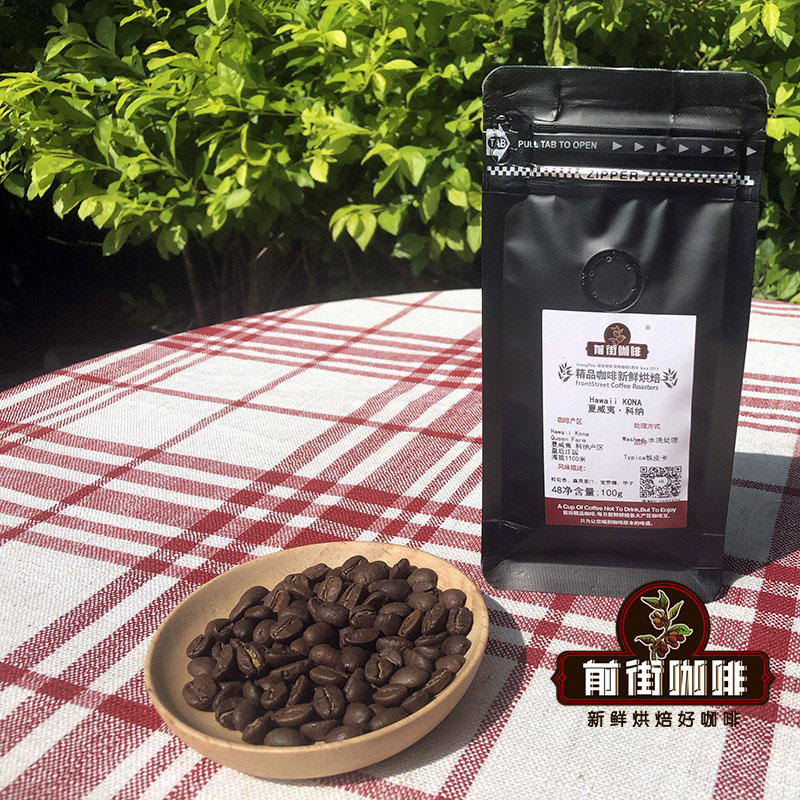
Hawaii Kona coffee, cultivated in volcanic soil, has a mild mellow body; in its grading system, Extra Fancy is the highest grade. Its wine-like acidity and nutty notes form a unique balance. Production is scarce, so beware of blended products on the market.
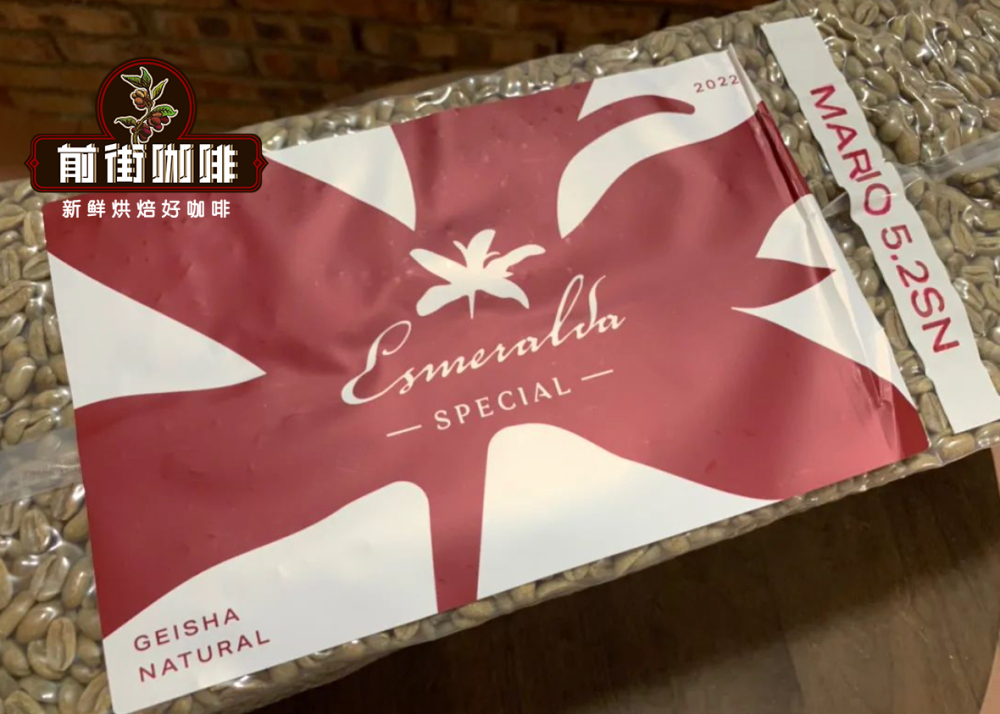
Panama Geisha (Hacienda La Esmeralda Red Label lot) is renowned for its auction record of $130 per pound; the Esmeralda Special grade features white floral aroma and mango sweetness. Its 2007 title as a roasters' championship winner has made it a benchmark for specialty coffee. Be careful to distinguish between the Green Label (private collection) and ordinary Catuai varieties.