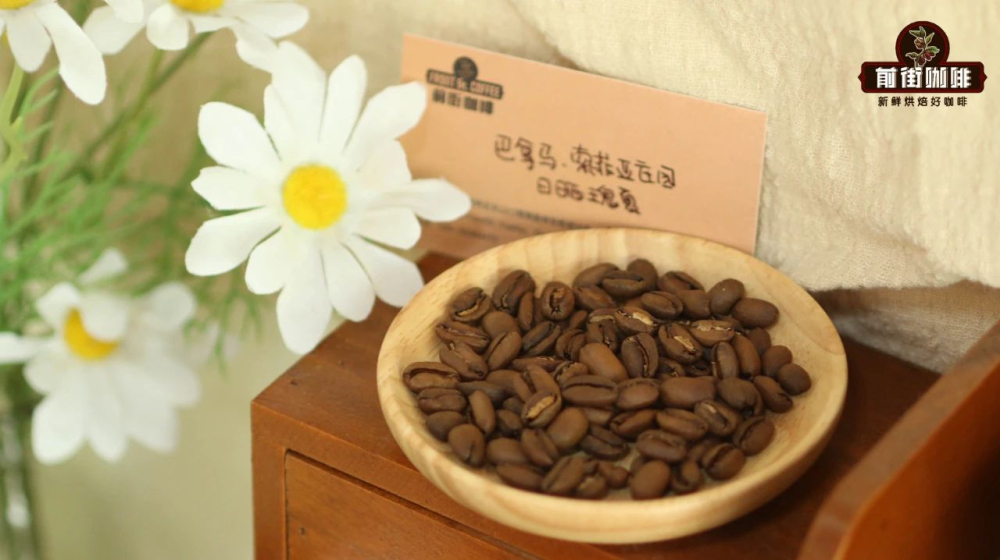
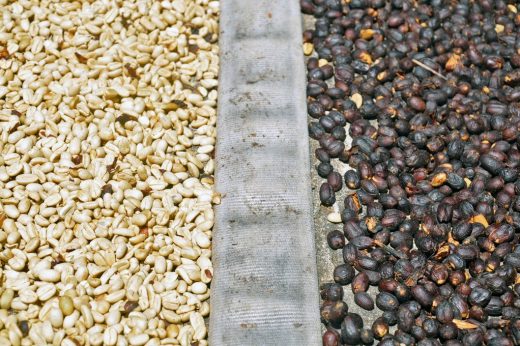
Panama 90+ Geisha Coffee: Varieties, Flavors, and Three Top Estates
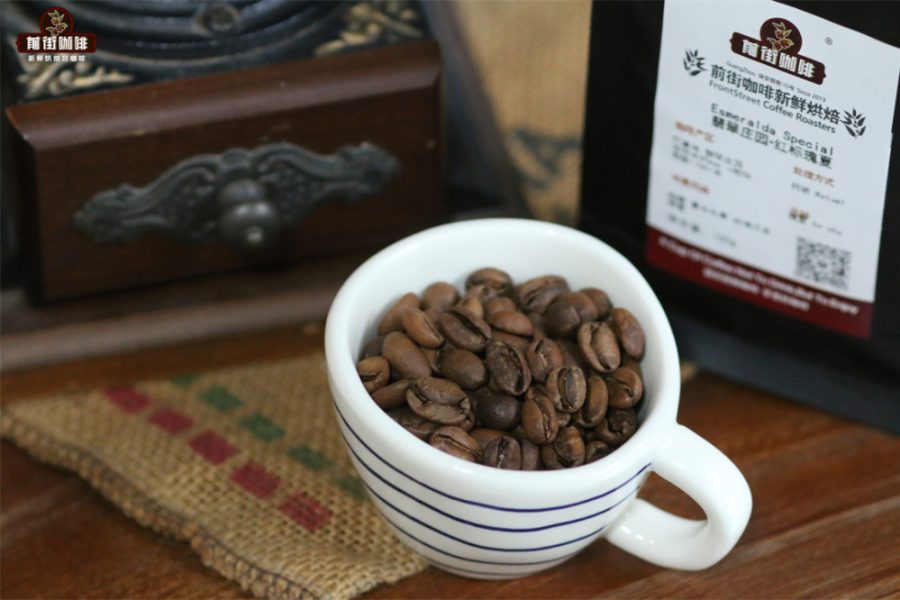
Introduction: Why has Panama Geisha coffee become the benchmark of the specialty coffee world? This article takes a deep look at three renowned Geisha origins, including 90+ and Hacienda La Esmeralda, revealing the flavor characteristics and growing stories of different bean series. From auction-level Red Label to experimental Blue Label, it walks you through the quality logic and brewing suggestions behind high-priced coffee.

When discussing specialty coffee, Panama Geisha is undoubtedly a topic that cannot be avoided. This coffee variety, originating from Ethiopia, swept the global market with its unique floral and citrus notes after winning the 2004 Panama green bean competition. But few know that, besides the well-known Hacienda La Esmeralda, several other producing regions are yielding equally stunning Geisha variants.
Appreciating specialty coffee is like a culinary experience: some love the herbal richness of Mandheling, others prefer the layered florals of Butterfly. But when it comes to the market premium of single-origin coffee, Panama Geisha consistently holds the top position. Among them, the experimental plantings at 90+ Estate have pushed flavor development to new heights.
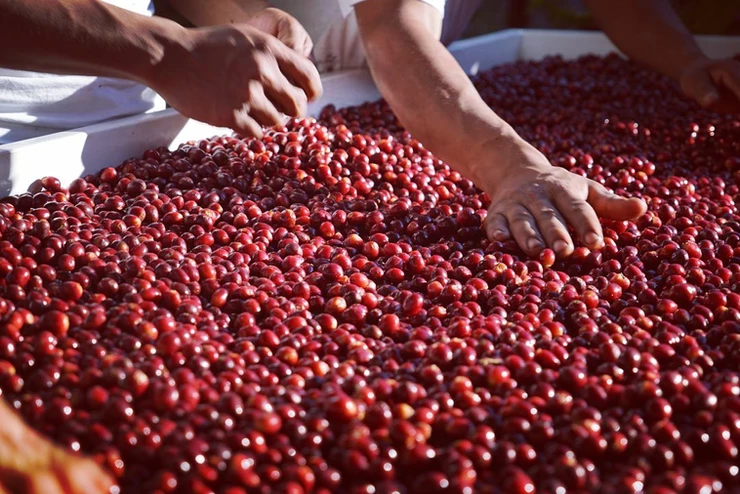
The founding of Ninety Plus Estate is full of legend. The 200 hectares of land founder Joseph Brodsky took over in 2009 were originally the natural habitat of wild Ethiopian coffee. This place preserves the most primitive gene pool of the Coffea genus, including heirloom varieties that can live up to a hundred years. Through six years of careful cultivation, the estate won the World Brewers Cup championship five times after 2014, validating the scientific basis of its unique planting philosophy.

The brand's series division is highly professional: the Signature series includes five single varieties such as Nekisse plus heirloom blends; the Innovation series releases five experimental processing beans such as Ruby and Carmo; the Founder's Selection series is limited to three legendary lots, 0602 and 0526B among them, with the smallest 10-gram pack priced at 200 USD. Note in particular that 90+ is not a scoring standard but represents a whole-process specialty control system from planting to cupping.
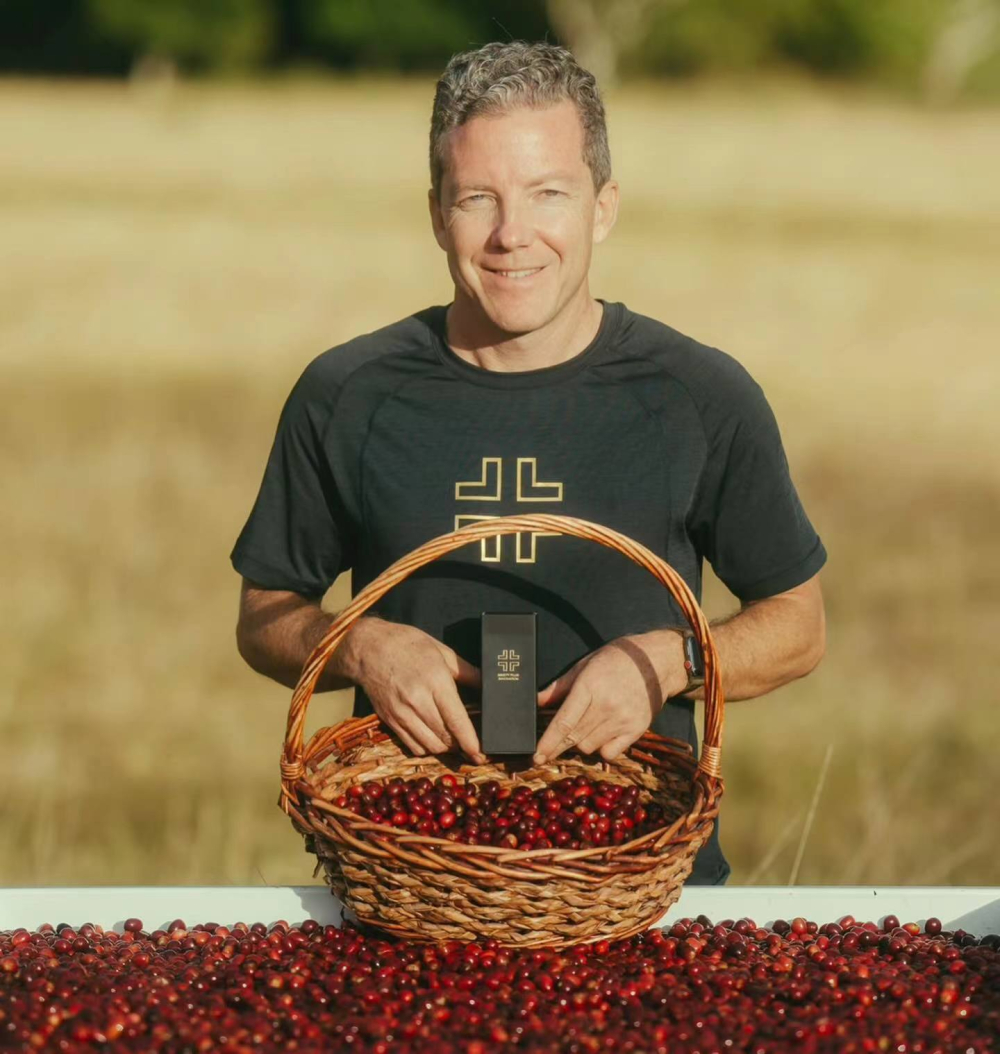
The estate's environmental practices are equally commendable. The 1,500-hectare coffee forest restoration plan implemented in Panama and Ethiopia not only protects biodiversity but also establishes an integrated production-research-education sustainable development model. This philosophy of combining commercial value with ecological protection has earned it the reputation in the industry as the luxury brand of coffee.
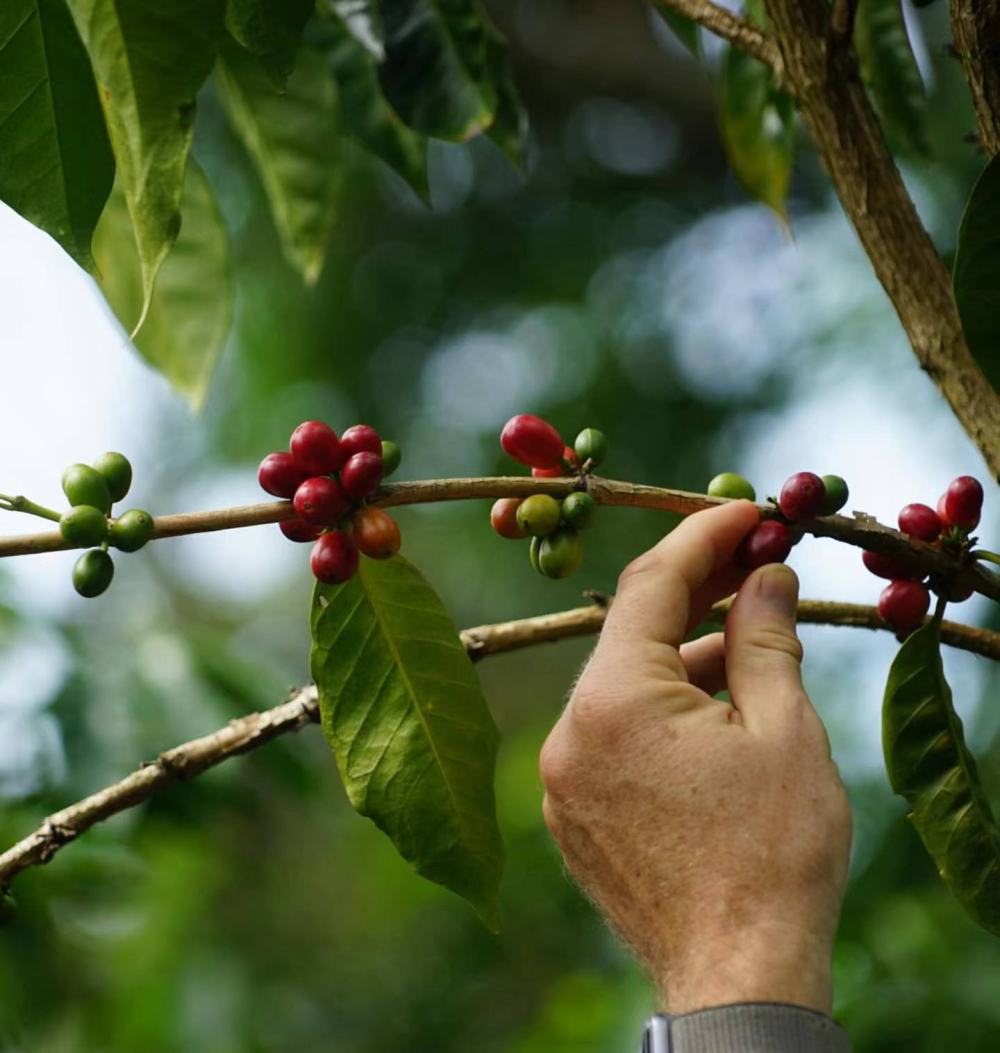
The history of Hacienda La Esmeralda dates back to 1967. Originally a livestock farm, it transitioned to coffee cultivation in 1997. The turning point came in 2004 — when coffee from a certain plot-specific harvest unexpectedly showed extraordinary flavor, the owner pioneered independent micro-lot processing, giving birth to the Geisha auction beans that later became world-famous.
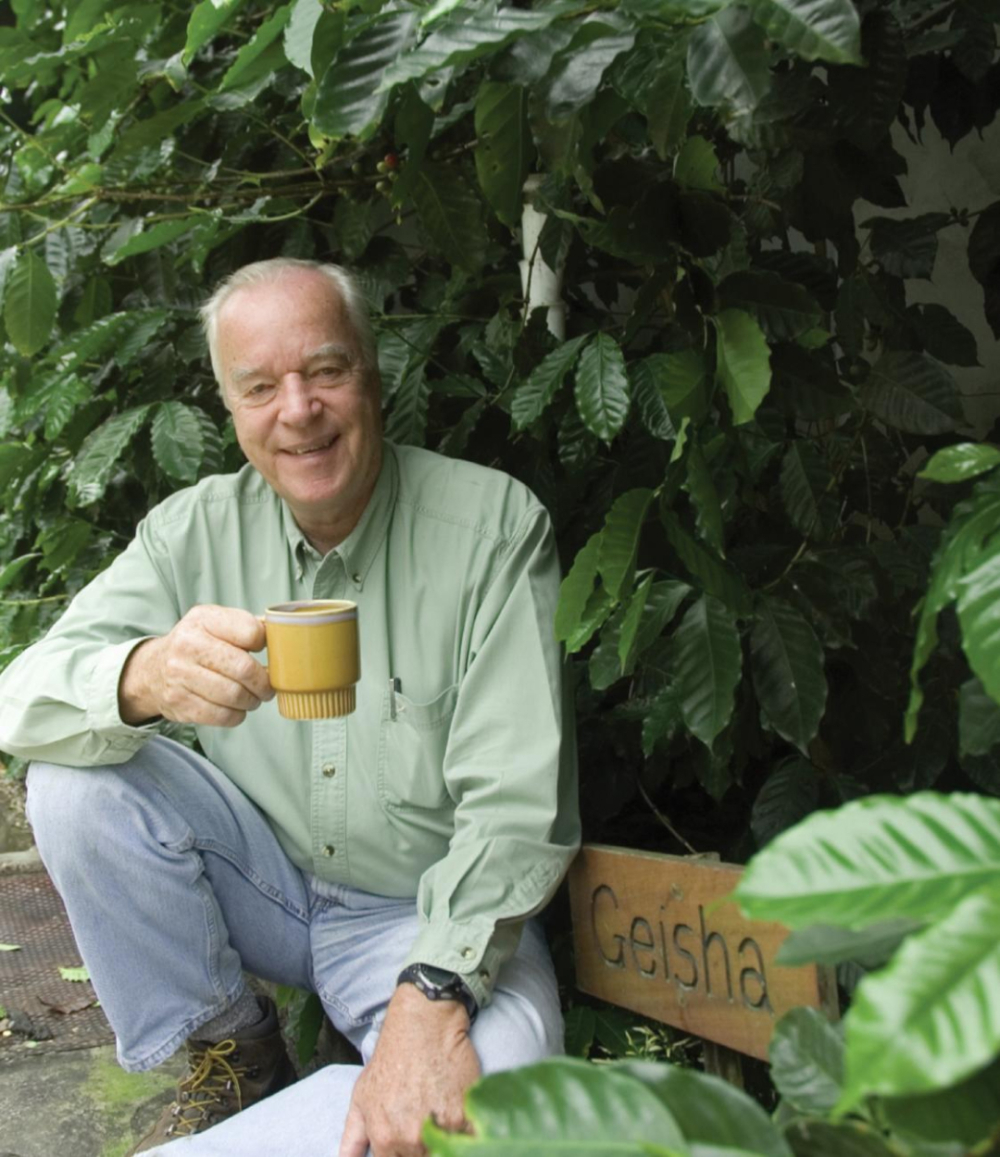
The selection criteria for Red Label Geisha are extremely strict: 1,600–1,800 meters elevation, cupping score above 90, and must come from core producing areas such as Jaramillo. Auction lots must further pass multiple rounds of internal tasting; non-winning beans of the same quality circulate as commercial Red Label. Green Label Geisha, though blending materials from different plots, still maintains distinct floral and citrus acidity thanks to cultivation above 1,600 meters.
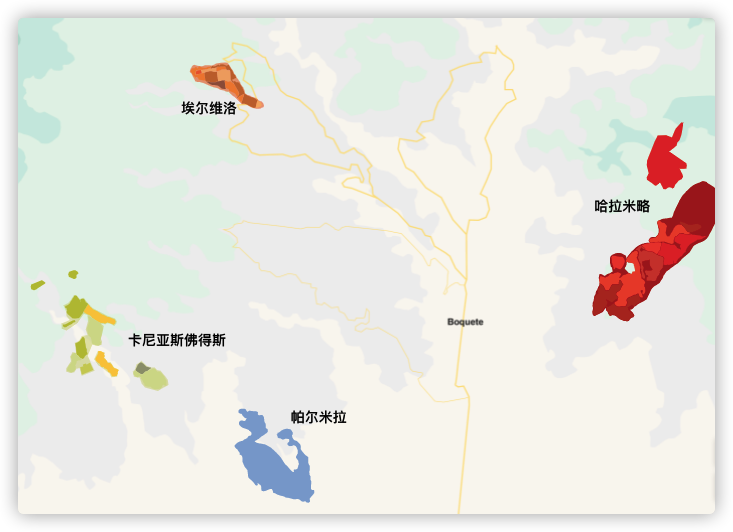
There is an important understanding about Geisha cultivation: the stress-induced flavor enhancement effect. In environments with large day-night temperature swings and high sunlight intensity, this variety instead accumulates more aromatic substances. This explains why the high-elevation plots of Hacienda La Esmeralda produce more distinctive fruit, and also confirms the decisive influence of meticulous management on quality.

Blue Label Geisha, once an entry-level product (now adjusted to Geisha 1500), uses blended bean sources from 1,400–1,500 meters elevation. Although less full-bodied than Red Label, it retains the signature tea-like feel and fresh fruit notes. Note that this grade was discontinued after 2021, and existing stock has special collectible value.
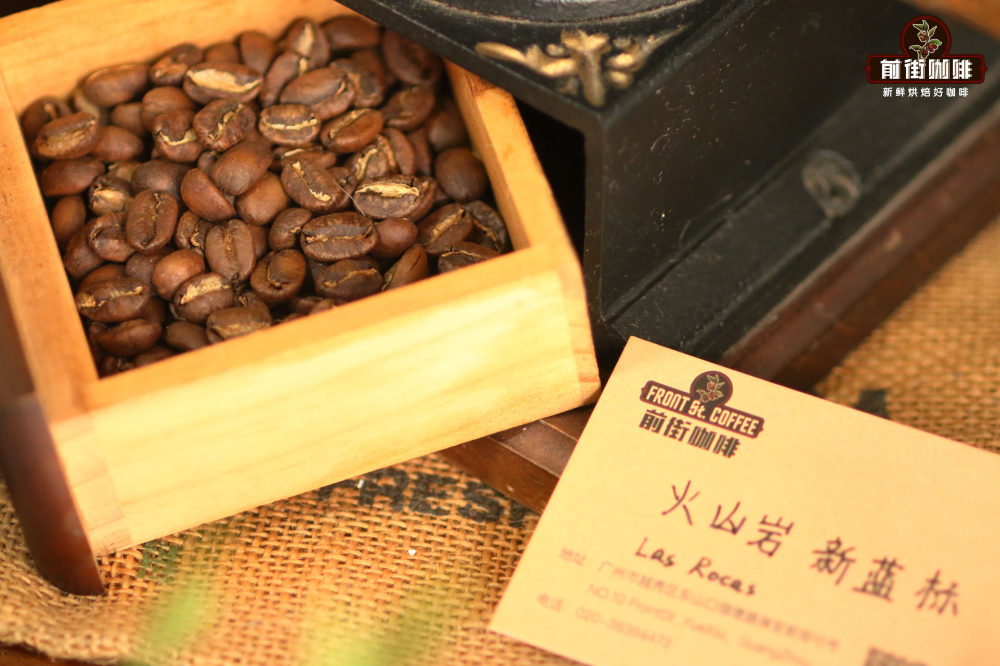
Sofia Estate, as an emerging representative, rose rapidly thanks to its extreme elevation of 2,100 meters. Founded in 2008 as an experimental farm, it not only commands volcanic views and primary forest but also won multiple international awards consecutively from 2016 to 2020. Its innovative processing methods provide an important reference case for the diversified development of Geisha flavors.