Natural vs Washed Coffee Beans: Gesha Processing, Flavor and Brewing Guide
Introduction: This article takes an in-depth look at the core differences between the two mainstream coffee processing methods, natural and washed. Using real examples of the Gesha variety, it analyzes how different processing methods affect flavor. From the principles of the processing techniques to brewing parameter recommendations and flavor characteristic descriptions, it helps coffee enthusiasts understand the key role that processing method selection plays in the coffee experience, and provides professional-grade brewing plan references.
In the specialty coffee field, the choice of processing method directly affects the flavor characteristics a coffee ultimately presents. Take a well-known mixed-variety coffee from the Boquete region of Panama as an example: its conventional combination of 70% Gesha with Caturra and Catuai is often used as a typical sample for understanding processing differences. By comparing this variety's performance under washed and natural processing, the shaping effect of processing on coffee flavor can be clearly observed.

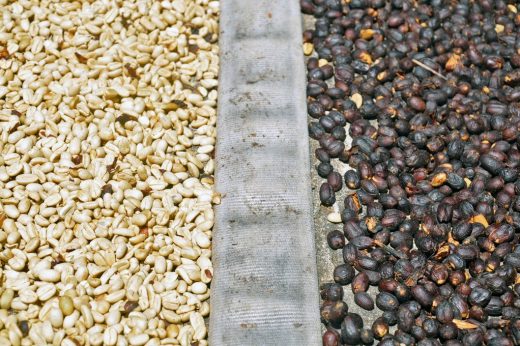
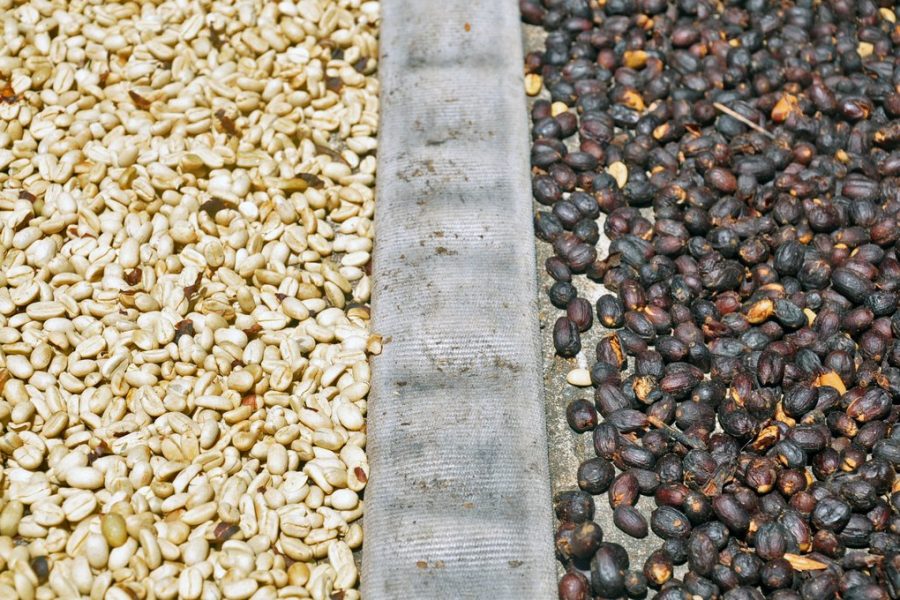
The natural process is the oldest coffee processing technique, and its core principle is natural drying with the coffee fruit kept fully intact. The traditional approach is to spread whole coffee cherries directly in the sun, turning them regularly to ensure even drying until the moisture content drops to the safe range of 11%–12%. Modern improved techniques use African raised beds to improve airflow, or transparent canopies to control light intensity. This processing method has strict climate requirements: it needs an environment with an average daily temperature above 25°C and dry, low-rainfall conditions. Typical producing regions include tropical highland areas such as Ethiopia and Yemen.

In sharp contrast is the washed process, whose standardized procedure includes: flotation to remove defective beans → pulping machine to strip the outer skin → fermentation tank to break down the pectin layer → clean water rinsing of residual mucilage → drying beds to dry the parchment. The entire process requires a continuous and stable water supply, and professional processing plants are usually equipped with water recycling systems to reduce water consumption. The advantage of the washed method is that it can significantly reduce the defect rate of green beans, and the drying cycle is shortened to 10–14 days, making it especially suitable for high-altitude, rainy regions such as Colombia and Kenya.

In terms of actual flavor performance, three samples using the same Gesha mix showed clear differences. The washed sample, at 92°C water temperature and a 1:15 coffee-to-water ratio, using a V60 dripper with three-stage pouring (initial 30 ml bloom for 30 seconds, then 120 ml + 75 ml in stages), ultimately extracted a clear and bright citrus character. The tasting notes show it has red-tea-based white floral notes, acidity with a soft, rounded quality like freshly squeezed juice, and a cleanliness score reaching a professional level of 8.5/10.

The natural group used the same standard brewing parameters, but the flavor direction was completely different. The green beans, which underwent 22–25 days of full-fruit fermentation, released under the same brewing plan a rich, full-bodied quality like tropical fruit red wine, with fermented aromas of citrus and pineapple interwoven with delicate white floral notes. Although cleanliness was slightly lower (score 7/10), sweetness was more prominent, and the finish had a honey-like viscous texture. This difference stems from the complete retention of the pectin layer during natural processing, allowing yeast populations to fully break down sugars and produce more ester aroma compounds.

The technical details of the processing method directly affect the chemical transformation in coffee. The washed method, through precise control of fermentation time (usually 18–36 hours), mainly preserves refreshing acids such as chlorogenic acid and citric acid; while the natural method, through long fermentation (up to 45 days) in a 21–28°C environment, promotes the conversion of quinic acid into malic acid with more body, while also generating more furan aroma compounds. Professional roasters recommend that light roasting better highlights the fresh characteristics of washed processing, while medium-dark roasting helps display the complex layers of natural coffee.

For home brewing practice, parameters can be adjusted according to the characteristics of the processing method: for washed beans, a finer grind is recommended (80–85% passing rate on a No. 20 sieve) with a medium-fine water flow to highlight their bright acidity; natural beans are suited to a slightly coarser grind (75–80% passing rate) and a longer bloom time of 45 seconds to fully release fermented aromas. It is worth noting that natural processing carries a higher defect risk, so when selecting beans, pay special attention to whether there are immature beans or off-flavors from over-fermentation.

From the perspective of producing-region traditions, Ethiopia's Heirloom varieties often use a mixed-harvest natural drying method, in which dozens of wild varieties ferment together to create a unique regional flavor; while modern processing of Panama Gesha places more emphasis on varietal purity, maintaining genetic characteristics through separate processing. This difference explains why the same variety presents completely different cupping performance under different processing systems—essentially, both are individualized results of plant metabolites and microbial action.

Professional tasting data shows that the acidity peak of washed Gesha appears 8–12 seconds after extraction, and the optimal flavor window is within 15 minutes after brewing; the sweetness release of natural Gesha is more sustained, and it is recommended to enjoy it within 30 minutes after extraction. In terms of storage, green beans from both processing methods need to maintain a moisture content below 11%, but natural beans, due to more cell wall damage, are more sensitive to oxygen and humidity. It is recommended to prioritize packaging with one-way exhaust valves and shorten the resting period to 7–10 days.