Cold Drip Coffee: Flavor Guide, Bean Selection, and Brewing Basics
Introduction: Cold drip coffee, with its unique low-temperature slow extraction process, delivers a flavor experience entirely different from traditional hot brewing. This article takes an in-depth look at the extraction principles, flavor characteristics, and suitable coffee bean types for cold drip coffee, compares the effects of different processing methods and roast levels on taste, and offers recipe ideas for several flavor profiles along with practical operational details to help you master the essentials of making this niche coffee.
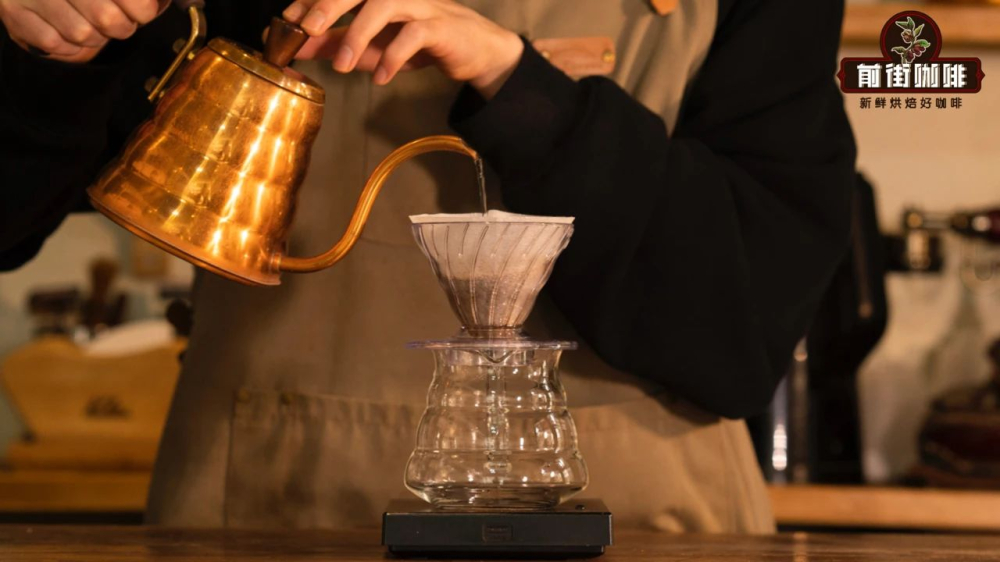
Pour-over coffee is certainly charming, but if you want to try another extraction method, cold drip coffee may be a good choice. Especially in the heat of summer, a glass of icy, refreshing cold drip coffee brings a different kind of taste pleasure; and in cooler seasons, it can likewise win over the palate with its unique flavor.
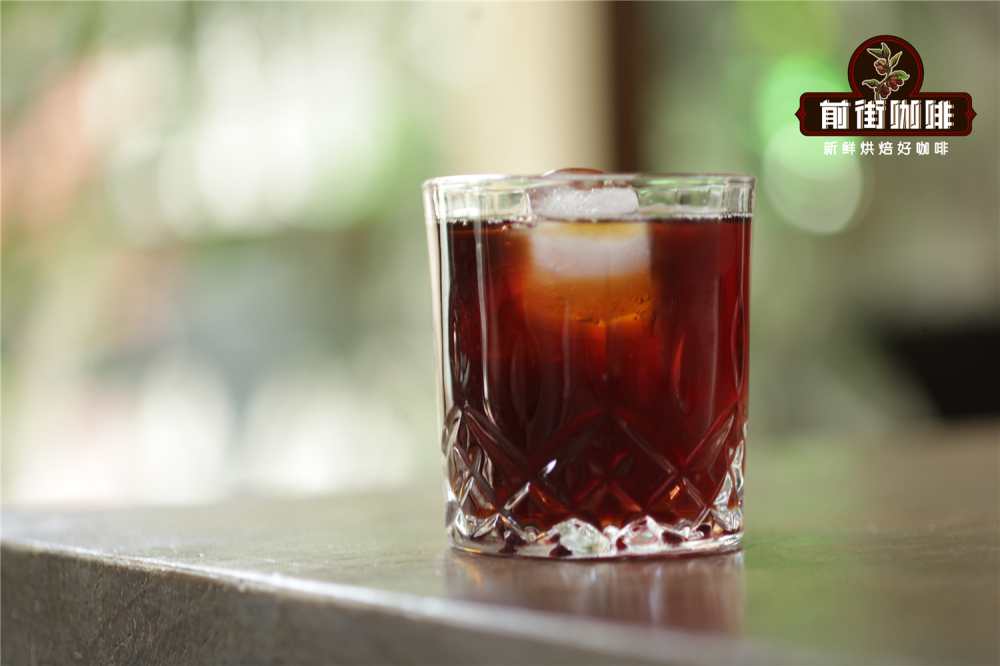
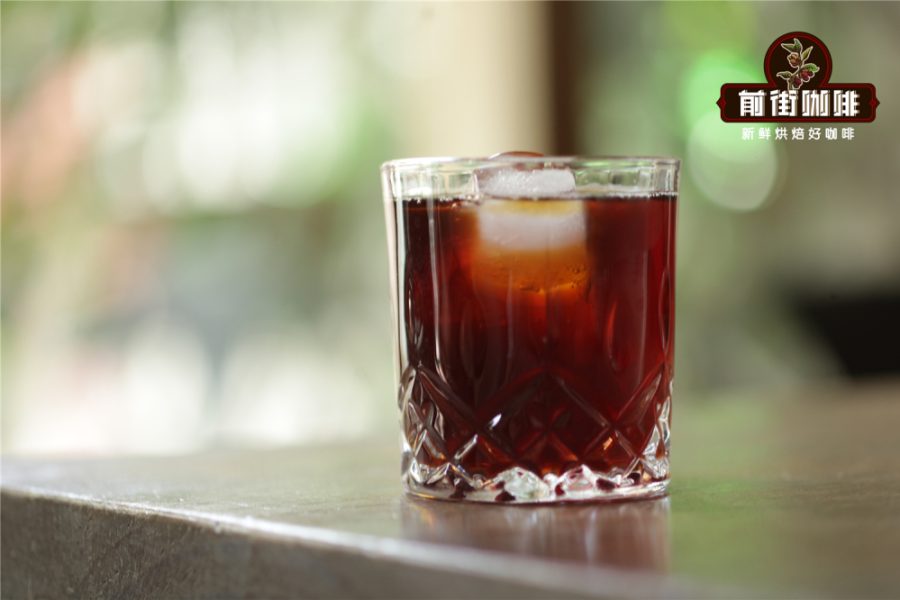
Cold drip coffee, as the name suggests, is coffee extracted by slowly dripping ice water at low temperature. Unlike the common hot-water pour-over method, it uses water close to 0°C, allowing coffee flavor compounds to be released slowly in a low-temperature environment and reducing off-flavors and over-extraction caused by high heat. This method not only preserves more delicate aromas but also, as the coffee warms while drinking, brings an aroma burst that forms a unique tasting experience.
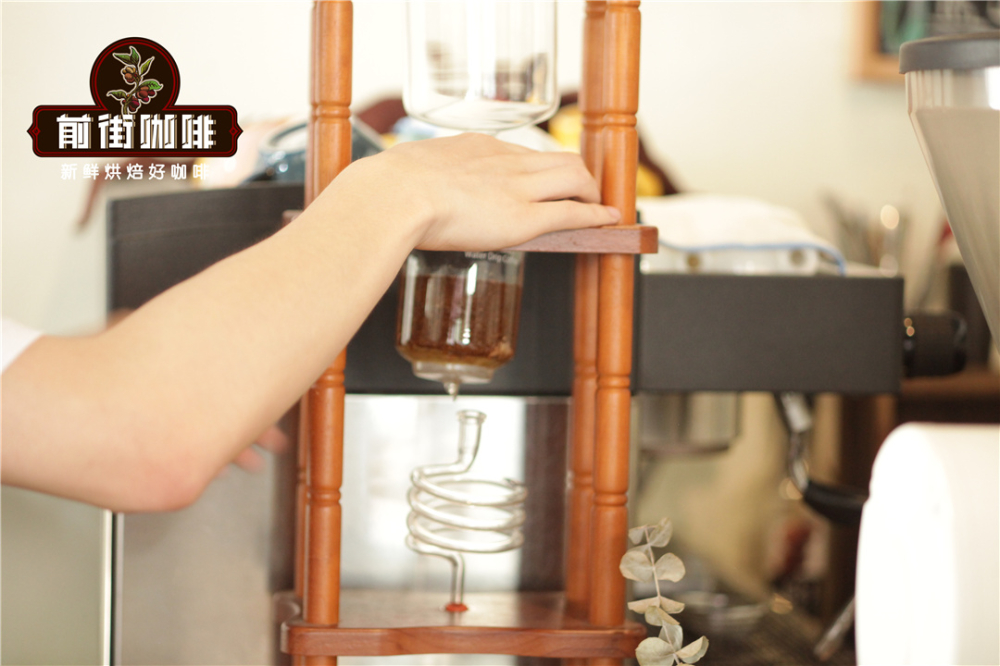
The history of cold drip coffee can be traced back to the Dutch colonial period, which is why it is also called Dutch drip coffee. Its core lies in using a dripper to let ice water seep drop by drop through the coffee grounds; traditional equipment usually consists of multi-layered glass containers and a wooden stand, with a controllable drip rate to ensure even and stable extraction. Compared with hot-water extraction, the cold drip process takes longer, but the flavor layers are often richer.
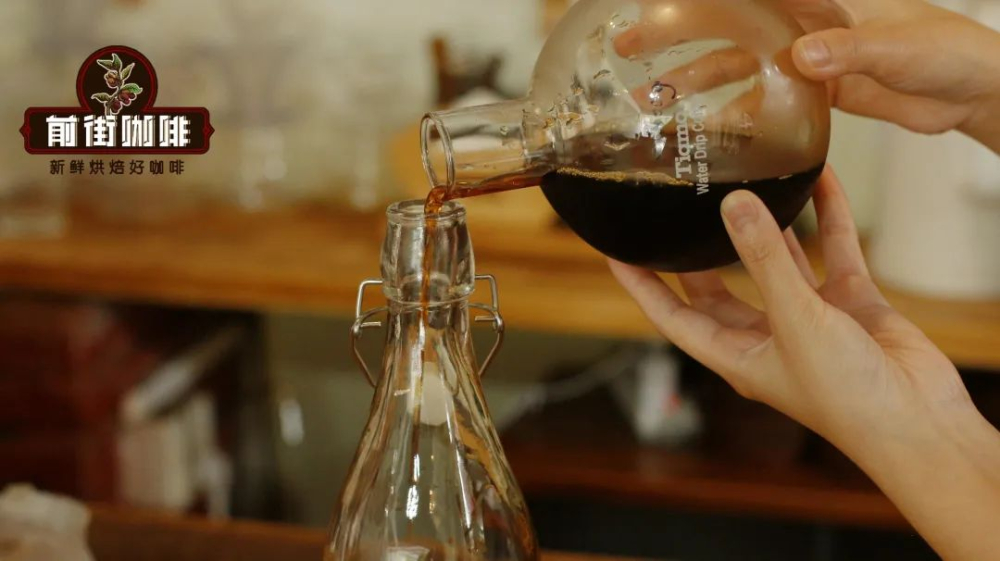
From the perspective of extraction principles, cold drip coffee relies on long, low-temperature permeation. Unlike the high-temperature, rapid extraction of pour-over, the low-temperature environment inhibits the release of astringent substances such as tannic acid while also reducing the amount of caffeine and impurities dissolved. After extraction is complete, it is recommended to refrigerate the coffee liquid and let it rest for more than 8 hours, allowing flavor molecules to further integrate at low temperature and ultimately presenting a mellow mouthfeel with a slight fermented aroma.
Coffee bean types suitable for cold drip
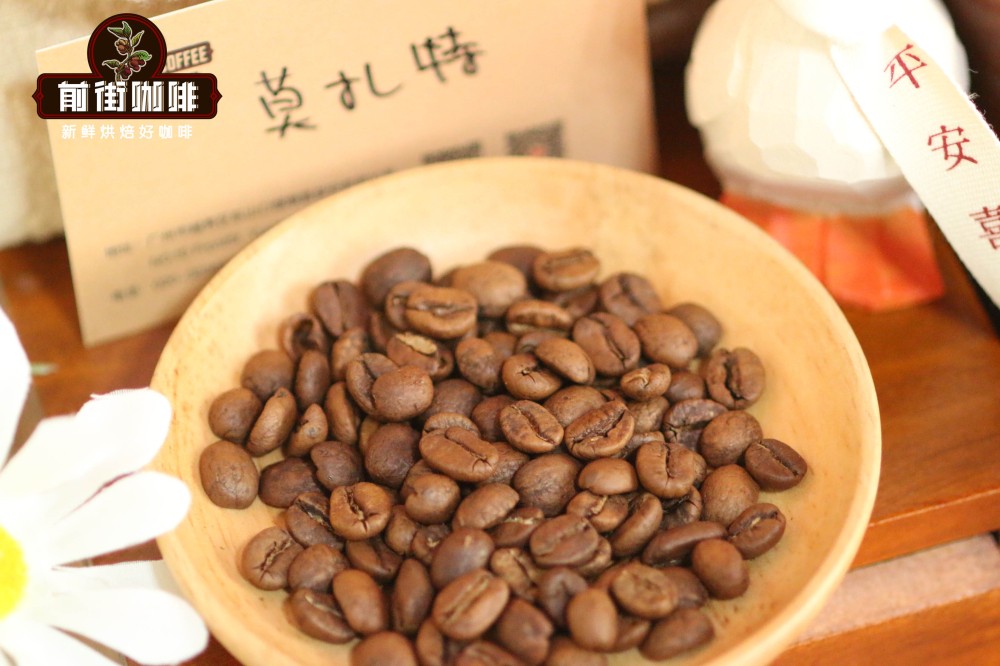
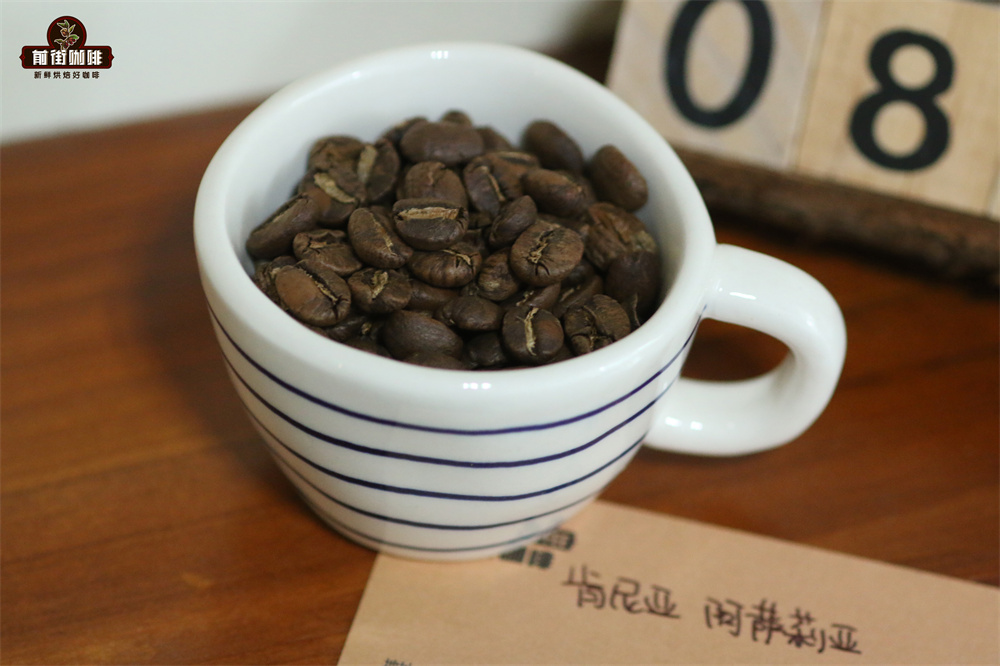
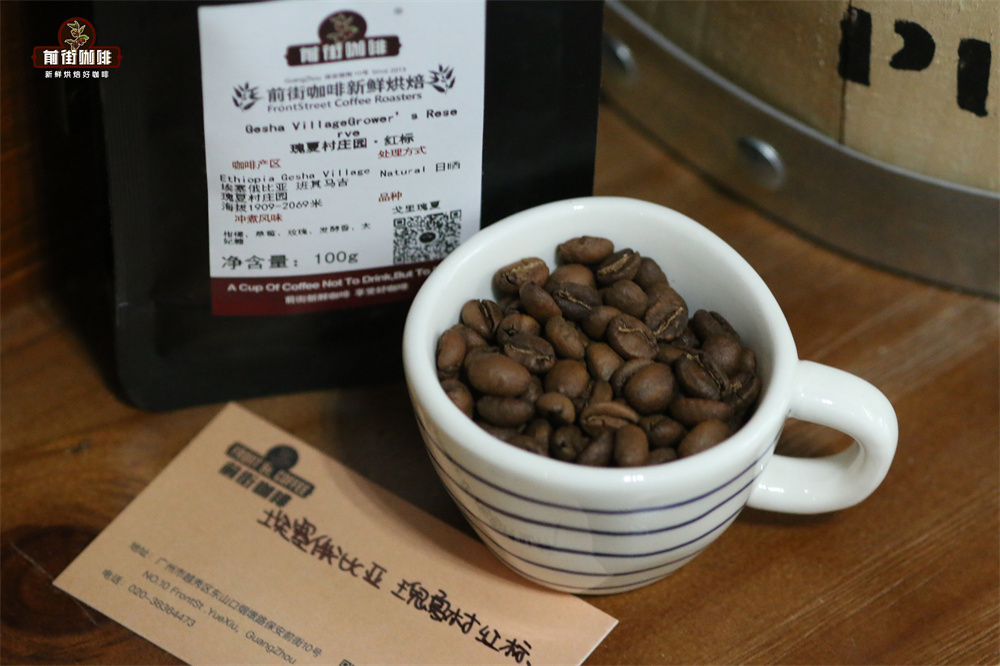
In theory, most coffee beans suitable for pour-over can be used for cold drip, but single-origin beans are often the better choice. Single-origin beans clearly showcase the characteristics of origin and processing method, avoiding the complex interference of blends. According to personal taste preferences, you can choose beans with distinct flavors—for example, Kenyan beans with bright acidity, Yirgacheffe with rich fruit aromas, or varieties with unique berry notes.
It is worth noting that the long extraction time and low-temperature environment of cold drip coffee make it more suitable for coffee beans with strong flavors. For example, the bright acidity of Kenya and the floral-fruity aroma of Yirgacheffe can still maintain clear layers after long extraction without being overly diluted. If you seek sweetness, dark-roasted beans such as Indonesian Mandheling are also worth trying; the chocolate finish produced by their caramelization reactions will present a unique mellowness in cold drip.
The following are references for several common flavor-type cold drip recipes:
• Dark berry type: Choose anaerobic honey-processed coffee beans (such as a certain Central American variety); their raisin and blueberry aromas transform into richer fermented fruit notes in cold drip, paired with vinous notes and blackcurrant acidity, giving a refreshing mouthfeel and a long finish.
• Refreshing and clean type: Beans with high acidity and a juice-like quality (such as washed beans from certain African origins) suit summer. After cold drip, they present the fresh acidity of cherry tomatoes and grapefruit, light on the palate with balanced sweetness and acidity.
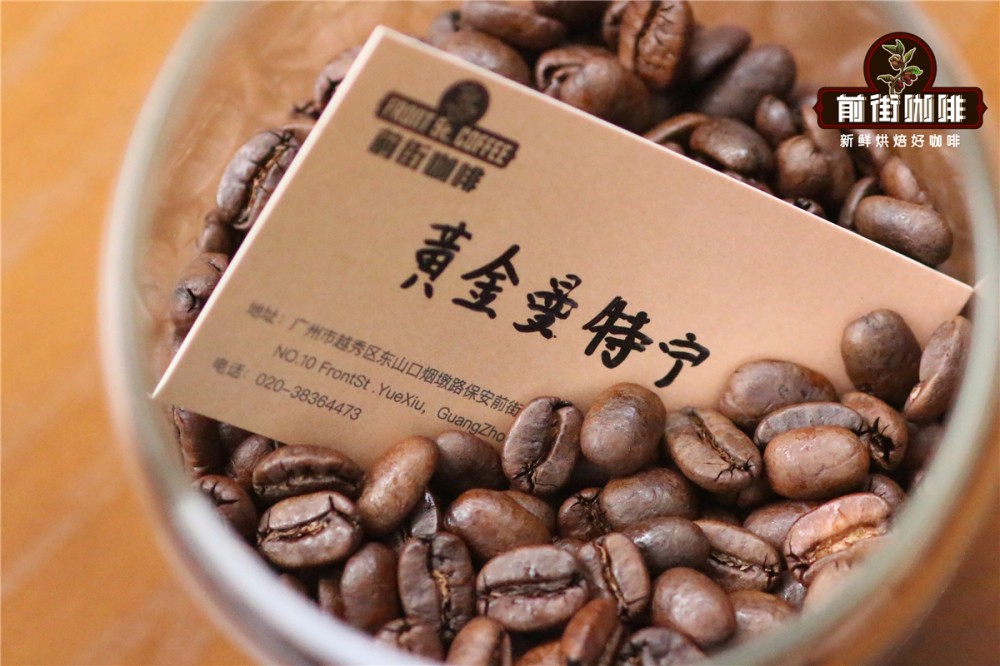
• Sweet and mellow type: Dark-roasted beans (such as Indonesian Golden Mandheling) have their bitterness weakened in cold drip, highlighting caramel and chocolate sweetness. After 24 hours of refrigeration, the coffee liquid is clear with a fermented, mellow texture.
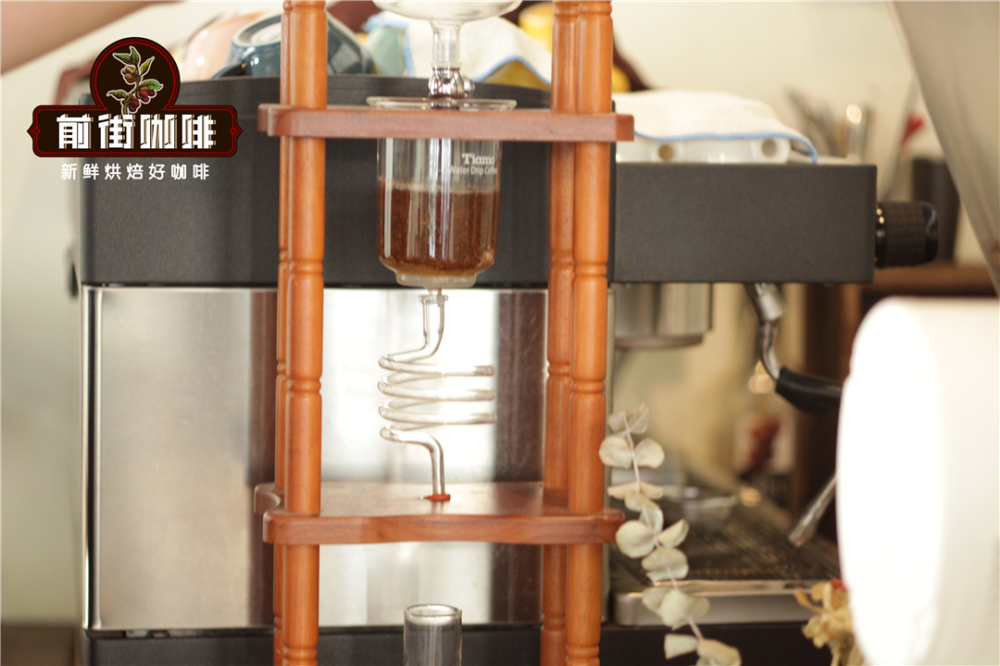
Advanced enthusiasts can try blended beans, enhancing flavor expression through the complementarity of different bean types. For example, a combination of a barrel-treated bean (providing brandy notes and a honey finish) and a natural-processed bean (contributing plum acidity and maple sweetness) can produce a complex, layered cold drip coffee. When blending, it is recommended to let one bean lead the aroma and the other reinforce the flavor body.
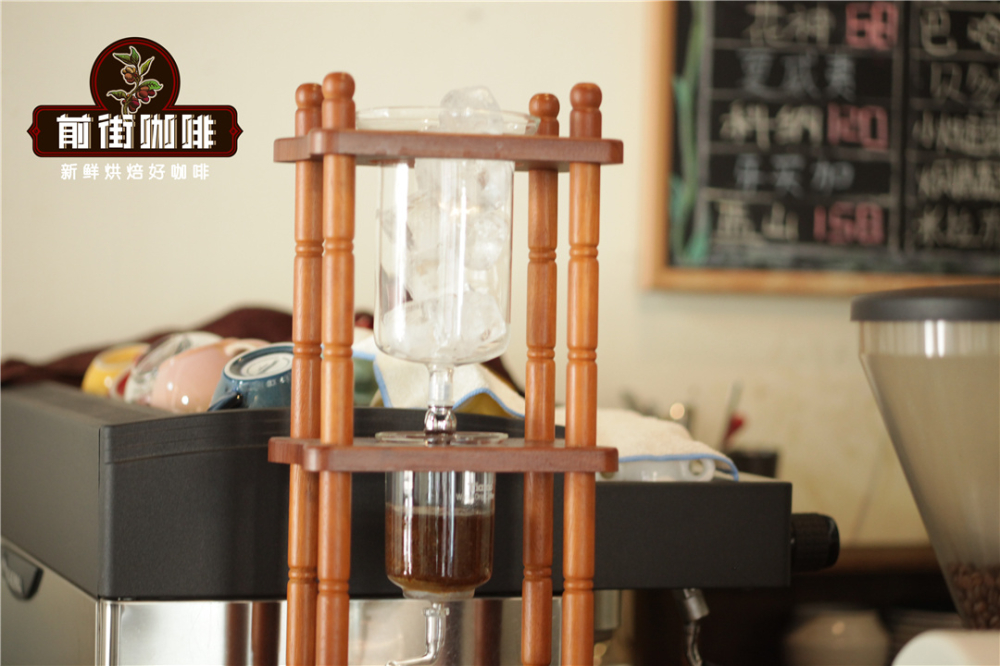
Key operational points for cold drip coffee
Cold drip extraction parameters need to be adjusted according to the equipment; a common ratio is ice water mixed 1:1, with the drip rate controlled at about 7 drops per 10 seconds. The grind can be slightly coarser than for pour-over (about 58% passing through a Chinese standard No. 20 sieve) to avoid clogging caused by excessive fines. Before extraction, pre-wet the coffee grounds with ice water (similar to the bloom in pour-over) to improve extraction uniformity.
After extraction is complete, be sure to seal the coffee liquid and refrigerate it to rest for 12–24 hours; this process releases flavor molecules through oxidation. However, note that the resting time should not exceed 72 hours to prevent microbial growth from affecting quality.
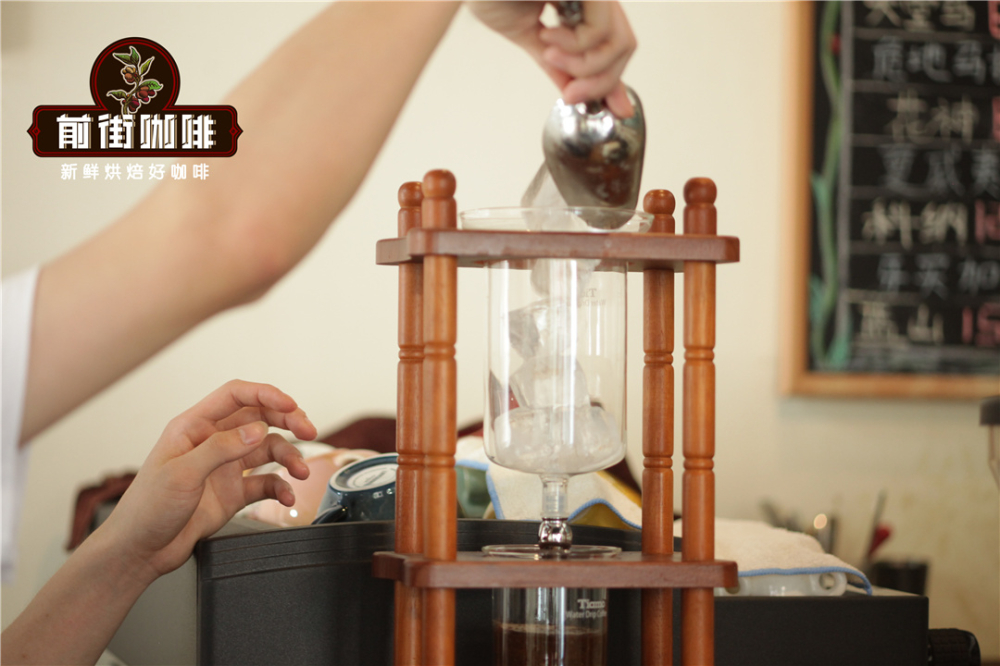
The importance of coffee bean freshness
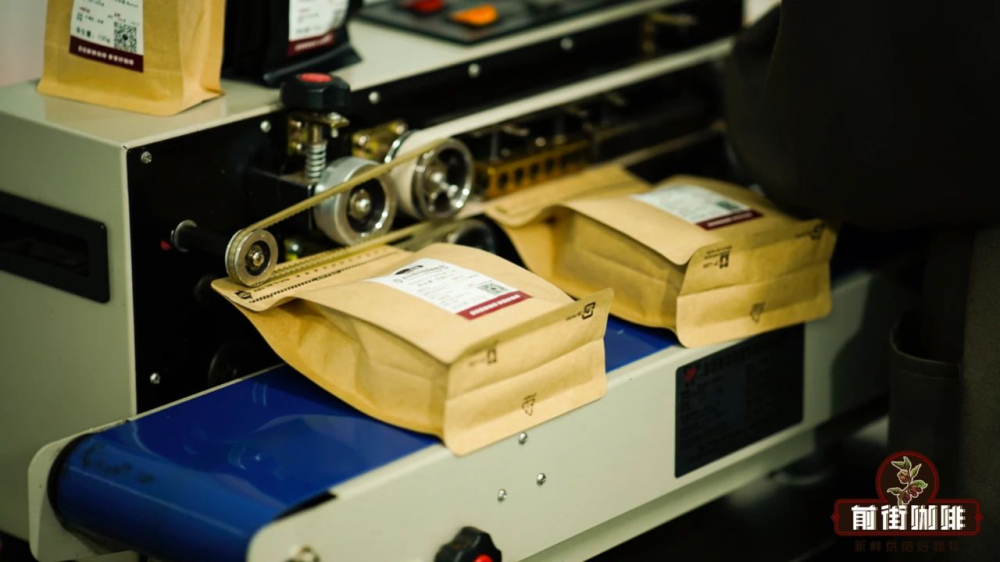
Whether for cold drip, pour-over, or espresso extraction, the freshness of coffee beans directly affects flavor expression. It is recommended to choose coffee beans within 5 days of roasting, when the flavor is at its peak. After receiving the coffee beans, it is recommended to rest them for 4–7 days (once the carbon dioxide produced by roasting has been released, aromatic substances are more easily released). If you buy pre-ground coffee, use it as soon as possible (within 1 week is recommended), because it oxidizes much faster than whole beans.
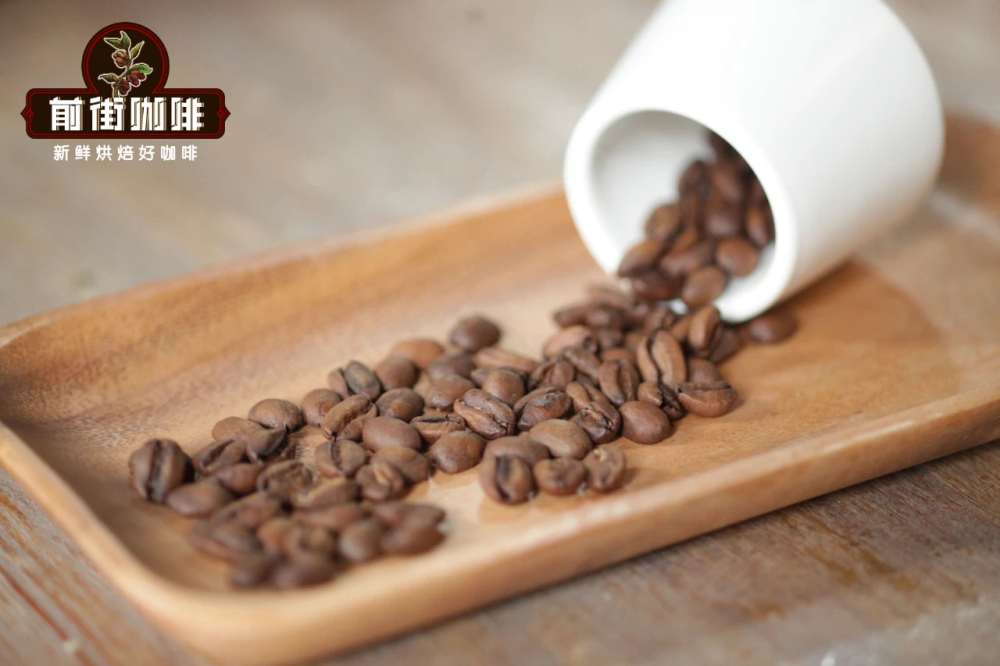
The charm of cold drip coffee lies in its unique low-temperature slow extraction process. Through precise parameter control and reasonable bean selection, everyone can make a personalized drink that suits their own taste. From the mellowness of dark roasts to the freshness of light roasts, the world of cold drip awaits your exploration.