Pour-Over Coffee Flavor Analysis: Describing Sweet, Sour, Bitter and Aftertaste
Introduction: From aroma to taste to lingering sweetness, the experience of a good cup of coffee goes far beyond the moment it enters your mouth. Understanding how aftertaste forms and mastering the key terms for describing flavor can help you express your impressions of coffee more precisely. This article not only breaks down the logic of sweet, sour and bitter balance, but also recommends several specialty coffee beans with layered aftertastes, taking you deep into the flavor world of pour-over coffee.
Tasting a cup of coffee is a multi-dimensional sensory journey: first the dry and wet aromas captured by the nose, then the balance of sweet, sour and bitter on the tongue, and finally the aftertaste that lingers in the mouth after swallowing. Many people tend to overlook this last stage—aftertaste—but it is precisely an important indicator for judging coffee quality.
What is aftertaste? The technical term is "aftertaste," referring to the continuation of aroma remaining in the mouth and nasal cavity after the coffee liquid is swallowed. It is not as vivid as the flavors tasted directly, yet like the coda of a piece of music, it determines the overall impression. Imagine eating a fragrant peach and still feeling the lingering sweetness on your lips and teeth several minutes later—coffee's aftertaste is a similar experience.

The formation of aftertaste is closely related to retronasal olfaction. Coffee contains a large number of oil-soluble aromatic substances that do not dissolve in water; during brewing, some oils adhere to the mouth. As these tiny oil droplets gradually break down, aroma molecules drift through the nasopharyngeal passage to the nasal cavity, forming what is called "retro-nasal aroma."High-quality coffee usually has richer and more stable oils, which can extend the aftertaste and enhance aroma complexity.

Why do some coffees have a pleasant aftertaste while others are unbearably bitter? This depends on the quality of the coffee beans themselves, the processing method and the roast level.Light roasts often highlight fruit acidity and floral notes, with a fresher aftertaste (such as citrus or tea-like); medium-dark roasts release more caramel and chocolate notes, with a fuller aftertaste. If the aftertaste carries obvious burnt bitterness, fermented off-flavors or a long-lasting astringent sensation, it indicates possible defects in roasting or extraction.

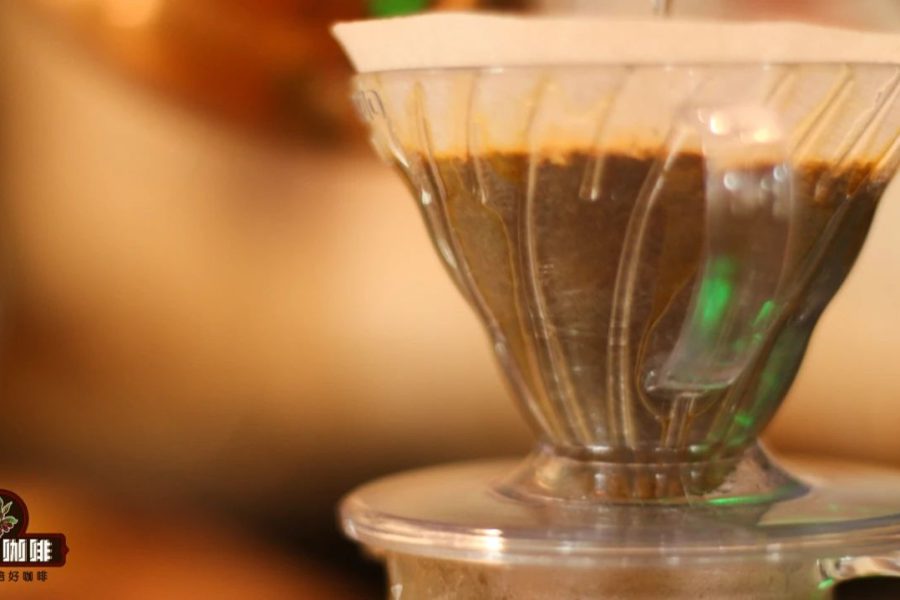
Another key factor affecting aftertaste is extraction parameters. During pour-over brewing, water that is too hot (above 94°C) easily leads to over-extraction, amplifying bitterness and shortening the ideal aftertaste; water that is too cool (below 88°C) may lead to under-extraction, resulting in a thin flavor. It is recommended to use 90–93°C hot water with a coffee-to-water ratio of 1:15 to 1:17, pouring evenly from the center outward to avoid localized over-extraction.
Next, here are several coffee beans with rich flavor layers and outstanding aftertaste. They all use special processing methods that can present bright fruit acidity and sweet notes with a long lingering sweetness.
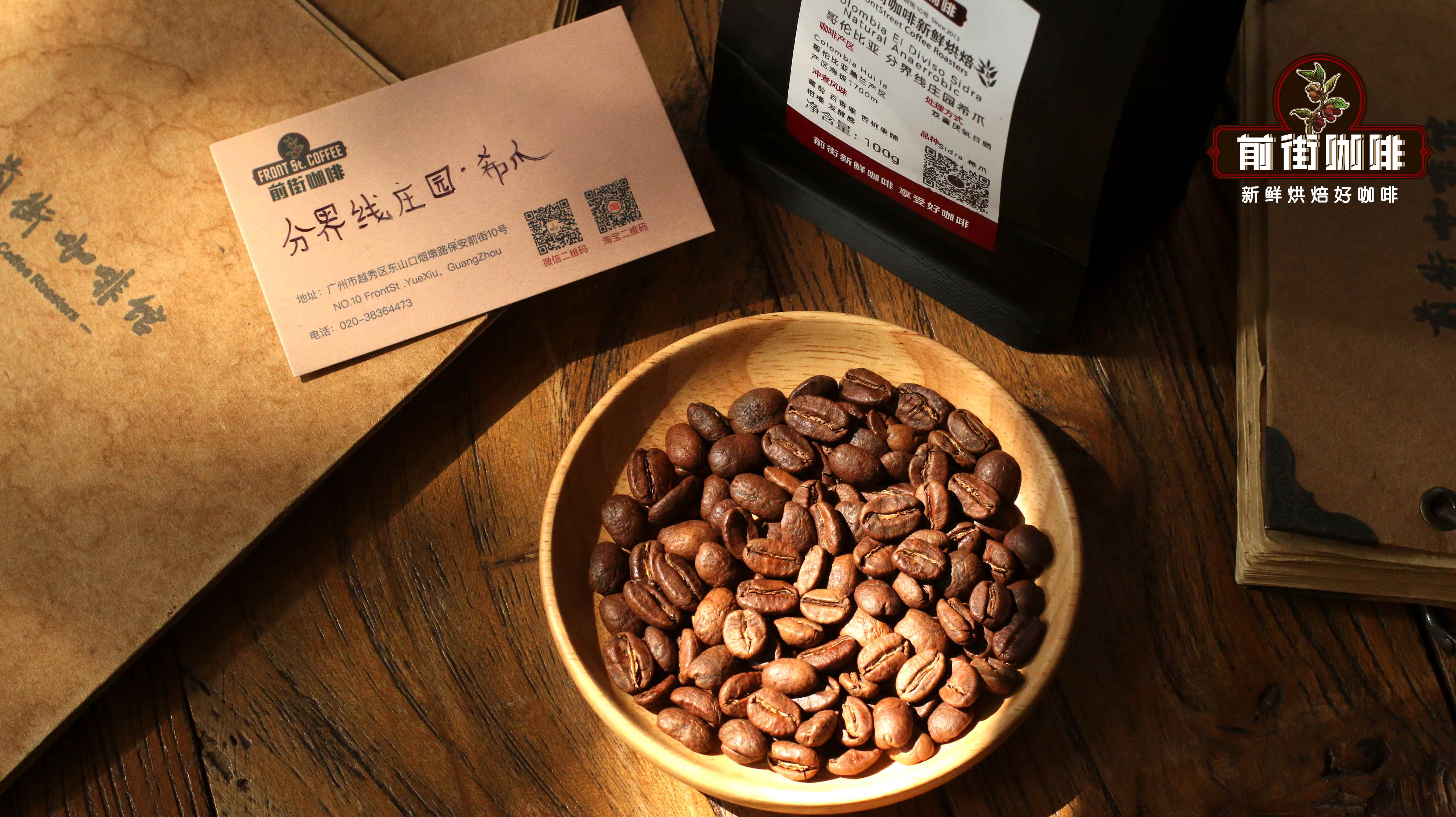
The first recommendation is an anaerobic natural bean from a high-altitude growing region in Central and South America, grown at about 1,700 meters. This bean uses a double anaerobic fermentation technique to fully activate the natural sugars in the fruit pulp; after brewing it shows the bright acidity of tropical fruits such as passion fruit and grape, accompanied by a soft dried-fruit sweetness. The entry is refreshing and lively, and after swallowing, the aftertaste of almond and caramel can last 1–2 minutes, suitable for those who like a balance of sweet and sour.
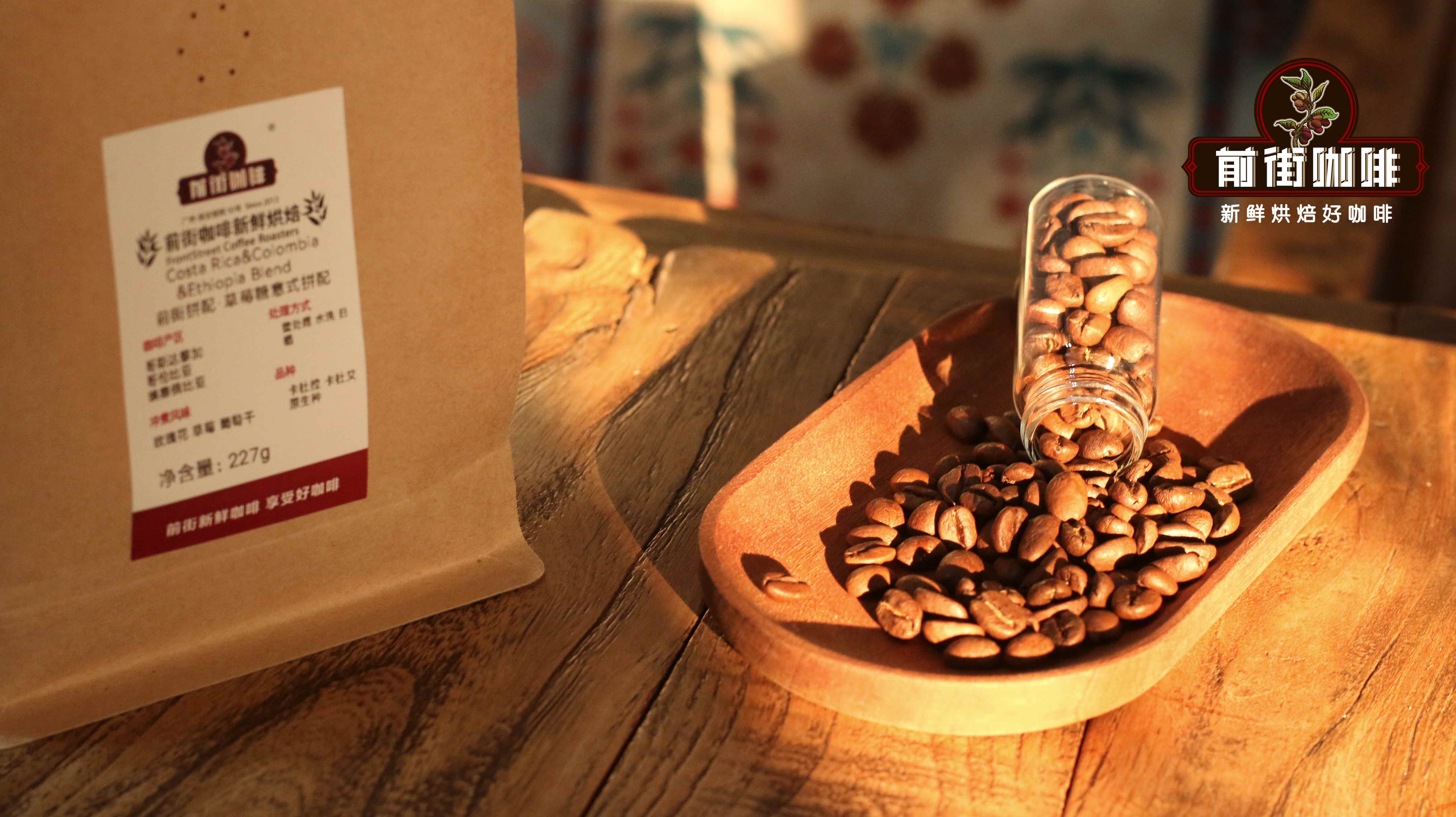
Another is a blend combining two major specialty regions of the Americas, cleverly combining the delicate floral notes of washed Geisha with the full-bodied sweetness of honey-processed coffee. Medium roast preserves the floral and fruity notes while bringing out the brown sugar aroma from caramelization. After brewing it gives off a complex sweet aroma of rose, raisin and honey, with a clean aftertaste and a slight nutty note, suitable for enthusiasts seeking a rich mouthfeel.
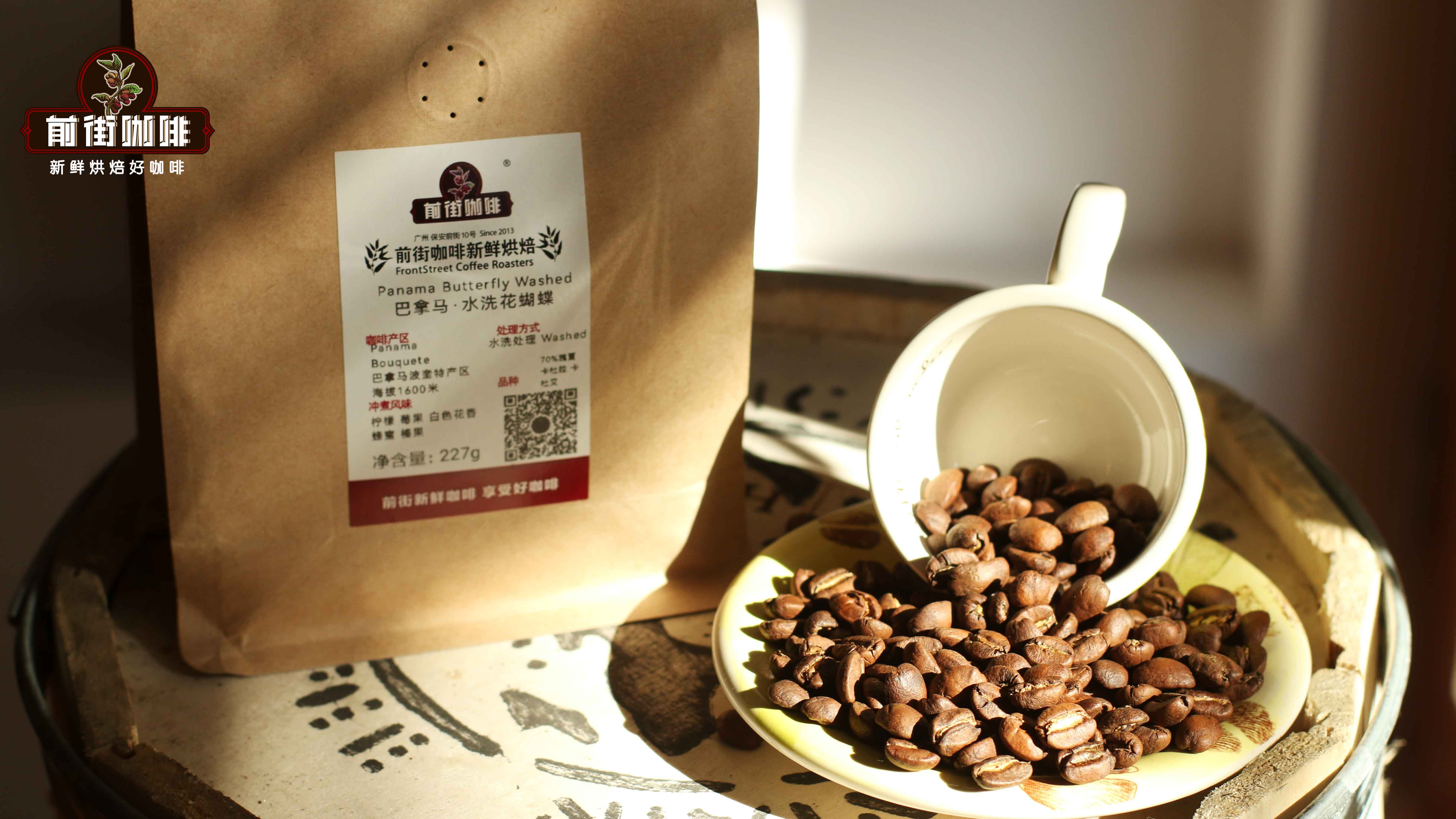
There is also a classic-ratio blend worth trying: dominated by a high proportion of Geisha (about 70%), combined with traditional varieties such as Caturra and Catuai. This combination reduces cost while retaining Geisha's signature bright citrus acidity and elegant white floral aroma. After brewing, the sweetness is prominent, like a combination of honey and lemon, and the aftertaste is mild and lasting, with a faint caramel aroma. Whether pour-over, cold brew or drip bag, it delivers stable flavor performance.
Evaluating aftertaste mainly depends on two points: duration and flavor quality. A high-quality aftertaste should transition naturally, without abruptness or irritation. The aftertaste of light-roast coffee is usually shorter (about tens of seconds), but a good performance is floral, tea-like or honeyed; medium-dark roast aftertaste may last several minutes, preferably with cocoa, dark chocolate or caramel notes. Conversely, if the aftertaste is accompanied by smokiness, fermented off-odor or persistent astringency, check the freshness of the beans or adjust the brewing plan.