Washed Coffee Processing: The Five-Step Method and Flavor Guide
Introduction: Washed processing is the most mainstream green coffee processing technique in specialty coffee. Through precise control of fermentation and washing, it produces its signature bright acidity and clean flavor. This article breaks down the five core steps of the washed method, compares it with the innovations of traditional natural processing, and includes professional-grade pour-over parameters to help you systematically master this important technique that established modern coffee quality standards.
In today's specialty coffee supply chain, washed processing holds an important position thanks to its consistent quality. Compared with the natural fermentation characteristics of sun-dried processing, this systematized washing method produces coffee beans with higher cleanliness and more vivid acidity. Looking at premium lots from well-known origins such as Yirgacheffe in Ethiopia and Asalia in Kenya, most are processed this way.
Looking back at the evolution of coffee processing, the earliest natural method simply dehydrated the fruit by drying it in the open air. Although it cost nothing to operate, it had serious flaws—mold grew easily in humid conditions, and the sugar in the fruit pulp attracted pests, causing great quality fluctuations. Not until the mid-18th century did colonial administrators discover that soaking coffee fruit in water could speed up the removal of pectin. This accidental discovery gave rise to the prototype of modern washed processing.
Technological innovation came in 1844, when the introduction of dedicated depulping equipment greatly improved efficiency. But the high water consumption of washed processing (10–20 tons of clean water per 200 kg of green coffee) always limited its adoption, meaning processing plants had to be built near water sources. Despite environmental controversy, the method remains the mainstream choice for commercial coffee production because of its stable yield of good beans.

The complete washed process begins with strict selection of raw materials: after picking, the coffee cherries are separated in flotation tanks, where immature, light fruits naturally float and are removed. The outer skin and pulp are then removed mechanically, leaving sticky pectin on the surface of the beans, which are still wrapped in the silver skin. These mucilage-covered beans rest in fermentation tanks for about 12–36 hours (adjusted according to ambient temperature), and the organic acids produced by microbial breakdown effectively soften the pectin layer.
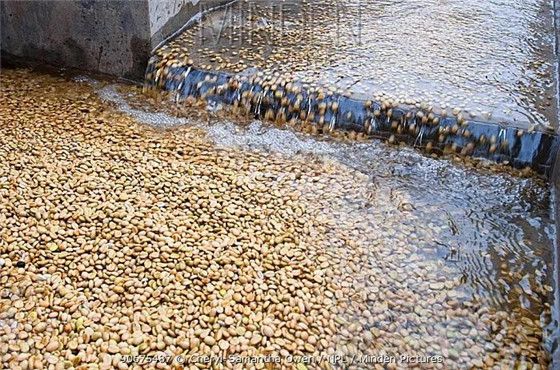
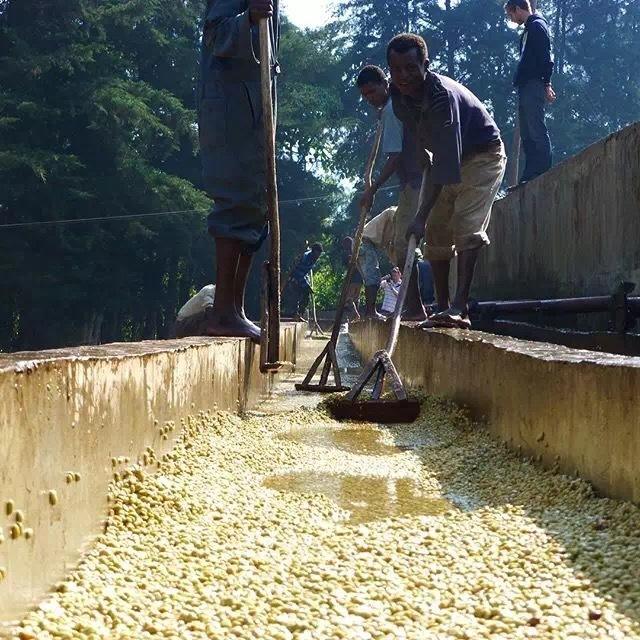
After fermentation, the beans must be scrubbed by hand or rinsed with running water to completely remove residual pectin. Professional processing plants use stepped water channels, relying on differences in water-flow density to screen out abnormal beans. Finally, the selected parchment beans are spread evenly on ventilated drying racks to reduce moisture content from over 50% to the safe storage standard of 11%–12%. The entire process usually lasts 10–14 days, during which the beans must be turned daily and temperature and humidity monitored.

This multi-stage processing system brings three major advantages: first, the flotation stage already removes 30%–40% of defective raw material; second, the acidic environment during fermentation inhibits the growth of unwanted bacteria; and finally, multiple washings before drying ensure a clean surface. Together these factors give washed beans a generally lower defect rate and clearer expression of origin flavor.
A classic example from the Sidamo region of Ethiopia illustrates this: after the local introduction of a standardized washing line in 1972, the citrus notes of Yirgacheffe coffee were significantly enhanced. Compared with the earthy off-flavors that traditional natural processing may absorb, washed processing perfectly preserves floral and fruity aromas through physical isolation, and with a medium-light roast it reveals distinct layers of jasmine, lemon and honey.

Professional-grade pour-over parameters (for washed Yirgacheffe):
With a V60 dripper at 92–93°C water temperature and a 1:15 coffee-to-water ratio, a grind similar to fine sugar with 78% passing a No. 20 sieve is recommended. The pouring rhythm is divided into three stages: an initial bloom with 30 g of water for 30 seconds, then 95 g (about 125 g total) poured continuously until 1 minute, and a final 100 g (225 g total) to complete extraction at 2 minutes 10 seconds. This approach balances brightness of acidity with body and avoids the astringency caused by over-extraction.

In terms of flavor characteristics, high-quality washed beans usually show three dimensions: the entry stage is dominated by citrus-fruit acidity accompanied by clear floral notes; the mid-palate develops herbal undertones of green tea or black tea; and the finish presents berry sweetness with a slight caramel aftertaste. As the temperature drops, creamy texture and sucrose sweetness may emerge.
For beginners, choosing washed coffee beans is an ideal starting point for building a flavor-recognition framework. Compared with the complex and variable natural beans, their pure flavor profile makes it easier to identify the terroir characteristics of a single origin. It is recommended to start with high-quality washed beans from high-altitude African origins and, by comparing the differences between processing methods, gradually develop the ability to perceive coffee's complexity.