How to Choose Kenyan Coffee Beans: Light Roast, Moderate Acidity, and a Flavor Guide to Pour-Over and Cold Brew
Introduction: Kenyan coffee is known for its bright fruit acidity and complex berry tones, but how do you select beans from quality regions and master the best roast level and brewing method? This article explains the characteristics of the two classic varieties SL-28 and SL-34, analyzes Kenya's unique double washed process, and provides a full-scenario flavor analysis and practical parameters from light roast to pour-over, ice drip, and cold brew, helping you precisely experience the unique charm of Kenyan coffee.
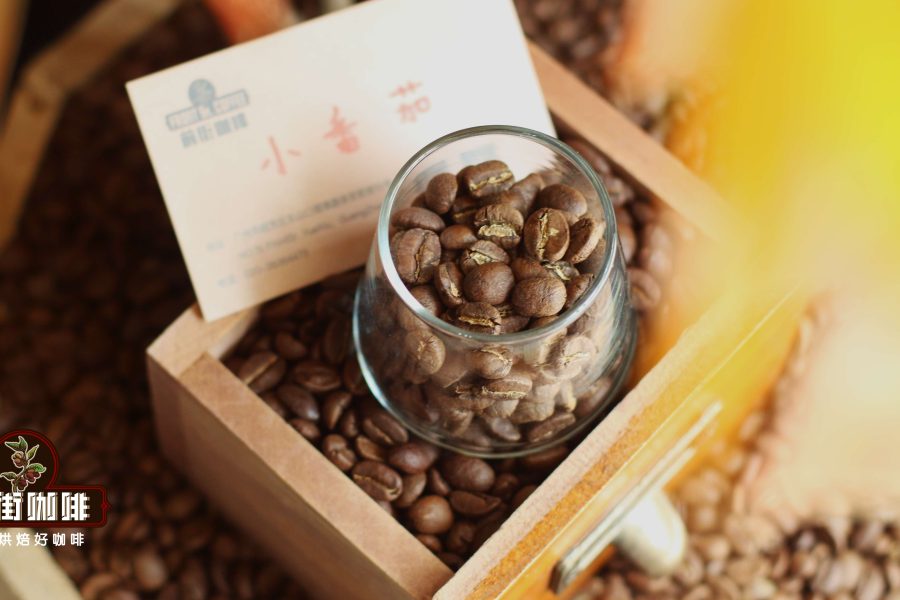
In the early 20th century, French and British missionaries and researchers selected and cultivated Bourbon-derived varieties in Kenya. Over a century, these varieties have fully adapted to the local high-concentration phosphoric acid soil environment, developing unique acidity and aroma characteristics distinct from Bourbon beans of Central and South America. Today, Kenya's top coffee beans mainly come from the two excellent lines SL-28 and SL-34, but when transplanted to Asia they often lose their original flavor characteristics.

In the specialty coffee wave, coffee variety is one of the key factors affecting flavor, and the unique flavor of Kenyan coffee is inseparable from SL-28 and SL-34. SL stands for Scott Labs. In the 1930s, the lab was commissioned by the Kenyan government to conduct coffee breeding and classification research, aiming to find varieties adapted to the local terroir, with commercial value and suitable for large-scale planting. SL-28 and SL-34 were two important results.
As a representative of Africa's classic regions, Kenyan coffee's high-quality beans are usually processed by the washed method. After delicate roasting, they better display their distinctive fresh flavors of lemon, citrus, and grapefruit, with a refreshing mouthfeel and balanced acidity and sweetness. Among them, Kenya's unique "double washed method," or "K72" process, is an important part of its flavor formation.

This processing method requires two fermentations: first, the harvested coffee cherries are floated to remove defective fruit and fruit with insufficient density and depulped, then the parchment beans are put into the upper fermentation tank for about one night of fermentation, or dry fermentation without a tank; afterward the beans are moved to the lower fermentation tank to continue fermenting for 36 hours, with multiple water changes throughout to avoid spoilage. After fermentation, residual mucilage must be washed off with clean water. The entire washing and fermentation process usually takes between 48 and 72 hours.
It is worth noting that the washing channels for the two fermentations are divided into upper and lower levels, used for the first and second treatments respectively. Fermentation time is greatly affected by ambient temperature; the higher the temperature, the faster the fermentation, but to avoid over-fermentation producing fatty acids that cause rancidity, the duration must be strictly controlled, usually not exceeding 72 hours, with the optimal range being 36-72 hours. In practice, the second treatment often requires more than 12 hours, making Kenyan coffee's flavor purer and its acidity brighter.


This unique washing process not only enhances the coffee's acidity and cleanliness, but also increases acetic acid concentration through fermentation, thereby enhancing the overall flavor layering. After proper roasting, Kenyan coffee often presents prominent berry flavors, such as blackcurrant, grapefruit, and even a slight cherry tomato note, with acidity usually obvious and elevated, giving the coffee a lively, bright base.
So which brewing method suits Kenyan coffee beans better? Due to its prominent acidity and distinct berry tones, it is especially suitable for lovers of fruity-acid black coffee. Whether pour-over or iced forms such as iced pour-over, ice drip, or cold brew, all can highlight its refreshing and complex aroma. Iced brewing methods in particular better balance acidity and extend flavor layers.
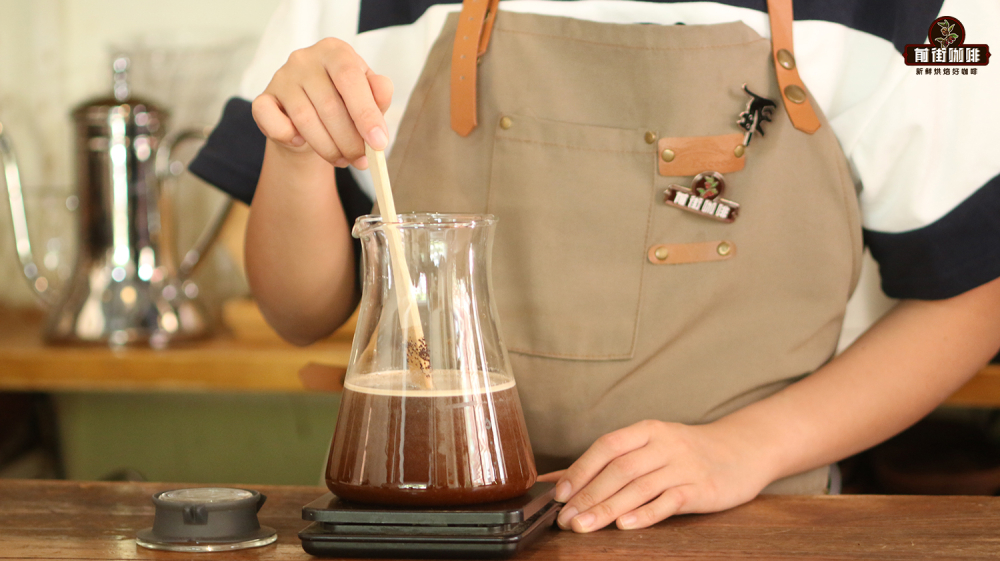
Taking iced pour-over as an example, it is recommended to use 15 grams of coffee grounds, a coffee-to-water ratio of 1:10, a water temperature of 91°C, and a medium-coarse grind (about 80% passing a 0.85 mm sieve). First extract a low-ratio, high-concentration coffee liquid from the grounds, then dilute with pre-chilled ice. For pre-chilling, place ice in another server in advance to cool it; before use, discard the old ice and refill with 100 grams of ice, then pour the hot coffee liquid over the ice to mix. After completion, cover to reduce aroma loss, and avoid mixing ice directly into the coffee. This brewing method is initially rich and full-bodied, gradually becoming refreshing and smooth as the ice melts, with the flavor shifting from complex to fresh.
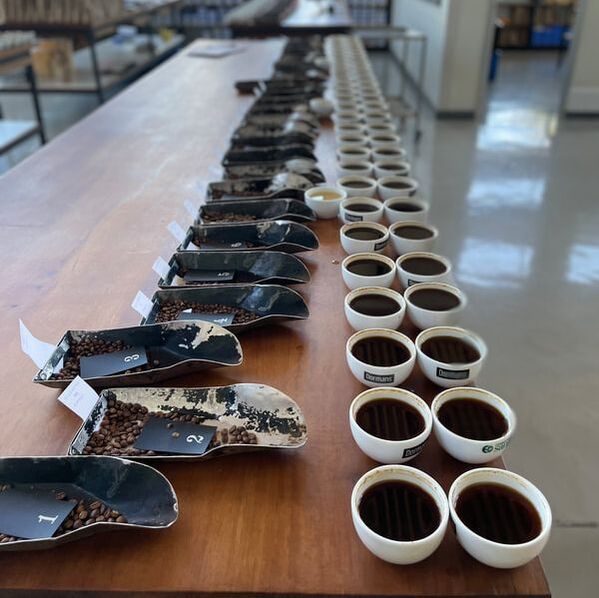
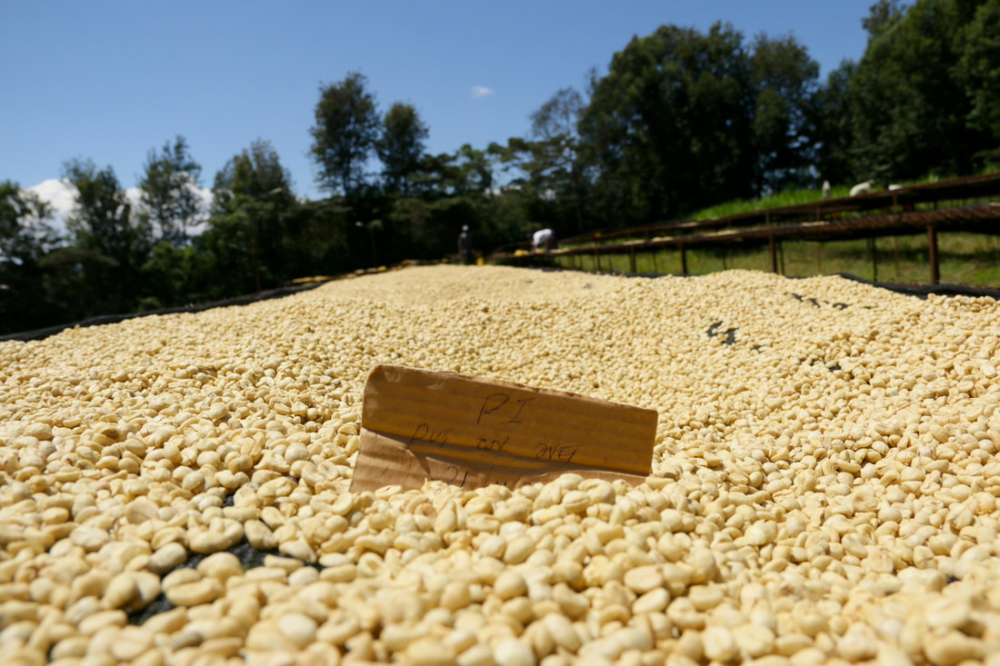
For ice drip coffee, use 60 grams of coffee grounds with a coffee-to-liquid ratio of 1:10, using ice-water mixture as the water source, controlling the drip rate at about 3 drops per 10 seconds, with a total extraction time of about 8 hours. After completion, seal the coffee liquid and place it in the refrigerator for 48 hours to fully integrate the flavors. For cold brew coffee, it is recommended to use 50 grams of coffee grounds with 400 ml of cold water and 200 grams of hard ice (about 600 grams of ice-water mixture in total, with coffee grounds absorbing about twice their weight), stir well, seal and refrigerate for 24 hours, then filter out the grounds and continue resting for 32 hours to finally obtain a soft, balanced cold brew drink.
In summary, Kenyan coffee, with its unique varietal genetics and double washed process, shows distinctive acidity and berry tones. From light roast to iced drinks, as long as you master the appropriate roast level and brewing parameters, you can fully experience its fresh, bright, and richly layered flavor charm. Whether for daily drinking or exploring the diversity of specialty coffee, Kenyan coffee is a quality choice worth trying.