El Salvador Coffee Regions: From Volcanic Soil to Five Distinctive Estates
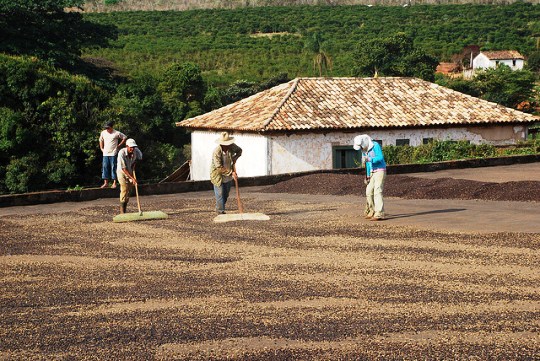
Introduction: El Salvador, the smallest country in Central America, nurtures distinctive specialty coffee through its unique volcanic terrain. This article provides an in-depth analysis of the flavor characteristics of Salvadoran coffee beans, guides you through the geographic secrets of five core regions, and reveals the cultivation secrets of the Pacas Bourbon variety. Through practical details such as the altitude grading system and thermal spring washing process, it helps coffee enthusiasts more precisely choose their preferred beans.
Although El Salvador is the smallest nation on the Central American map, its unique geographical environment provides natural advantages for coffee cultivation. Two parallel mountain ranges within the country create abundant volcanic soil. These mineral-rich black soils, combined with high-altitude growing areas above 1,200 meters, form an ideal microclimate for coffee growth. The country's main coffee regions are concentrated in the western highlands and volcanic slopes, with five core areas including Apaneca and Central Belt contributing the vast majority of the nation's high-quality coffee production.
Local coffee cultivation shows a distinct vertical distribution, with the dry season from October to February serving as the golden window for coffee cherry maturation. Growers strictly follow an altitude classification system, dividing coffee beans into three grades: SHG (Strictly High Grown, 1,500m+), SG (High Grown, 1,200-1,500m), and SC (Standard Central, mid-altitude). This classification directly affects the final flavor expression and market price.
The flavor code of Salvadoran coffee lies in the interweaving of variety and terroir. The two main Arabica variants, Bourbon and Pacas, develop unique taste characteristics nourished by volcanic ash: at medium roast they show a balance of bright citrus acidity and caramel sweetness, while dark roast highlights a chocolate-like full body. Notably, the large beans grown locally (average size 17-18 screen) are more conducive to the full development of flavor compounds.
Terroir differences among the five regions create a diverse flavor spectrum: the Apaneca-Ilamatepec region is known for its tea-like acidity from high altitude; coffees from the Central Belt often carry a honeyed, sweet finish; and beans from the Tecapa-Chinameca volcanic group are distinguished by complex spice notes. Each microclimate area nurtures a recognizable flavor fingerprint—this is the charm of single-origin coffee.
The site selection of Salvadoran coffee farms holds hidden wisdom—fertile hilly slopes not only offer excellent drainage, but the alternation of morning mist and afternoon sunlight also favors the slow ripening of coffee cherries. Organic farming is particularly prevalent here; many estates insist on avoiding chemical fertilizers and maintain ecological balance through shade tree planting. This sustainable farming approach not only protects biodiversity but also adds a unique fresh herbaceous note to the coffee.
Among the many specialty processing methods, the thermal spring washing process can be considered El Salvador's unique skill. Some estates use natural geothermal hot spring water for fermentation. This special process creates a perfect fusion of soft malic acid and honey sweetness. Due to the need for specific geological conditions and limited production, such coffees often become collector-grade products in the specialty coffee market. For pour-over brewing, it is recommended to use 92°C water with a medium-fine grind to fully reveal its layers.