El Salvador San Sio Estate SL28 Honey Process Brewing Guide and Flavor Analysis
Introduction: This article provides an in-depth analysis of the 2017 COE 14th place El Salvador San Sio Estate SL28 coffee, from its high-altitude volcanic soil growing environment to its unique honey processing, explaining the source of its bright citrus acidity and honey sweetness. It offers professional pour-over parameter suggestions and flavor tasting points to help coffee enthusiasts fully reveal the complex layers of this rare Kenyan variety transplanted bean.
Located on the outskirts of Santa Ana, El Salvador, San Sio Estate is a specialty coffee base purchased by coffee farmer Ernesto Menendez in 2009. This volcanic slope farm, at an altitude of 1450-2000 meters, has a 60-hectare core planting area and a 30-hectare primary forest reserve. The year-round cloud-covered climate allows coffee cherries to slowly accumulate sugars. Notably, the estate is surrounded by active volcanoes such as Santa Ana and Blue Volcano; the fertile soil formed by volcanic ash provides a unique nutrient foundation for the SL28 variety.
The estate's existing Kenyan SL28 seed source can be traced back 60 years—originally brought from Kenya and planted by the former owner of Andes Farm. After taking over, Ernesto retained this classic variety known for its bright acidity through strict selection. In 2017, this honey-processed bean won 14th place in the COE international competition, and its flavor characteristics combine the berry notes of its Kenyan heritage with the full-bodied texture of Central American coffee.
In processing, the estate employs a meticulous double manual selection + 16-hour controlled-temperature fermentation process: only fully ripe red cherries are picked, impurities are removed by flotation, and then experienced workers perform a second manual selection. After pulping, the beans are fermented in clean water tanks for 16 hours (temperature controlled at 20-22°C). This duration is about 4 hours shorter than conventional honey processing, effectively preserving more floral and fruity aromas without producing excessive fermentation flavors. The subsequent African raised-bed sun drying lasts 12-15 days, during which the beans are turned 3-4 times daily to ensure even drying, with the final moisture content precisely controlled at 11.0%.
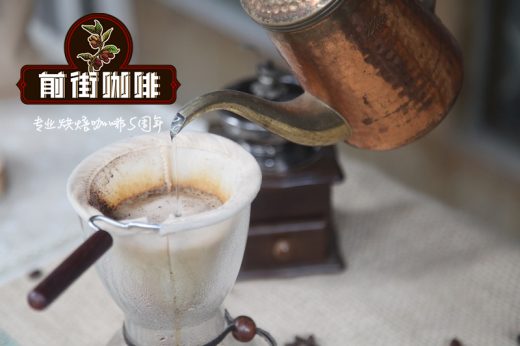
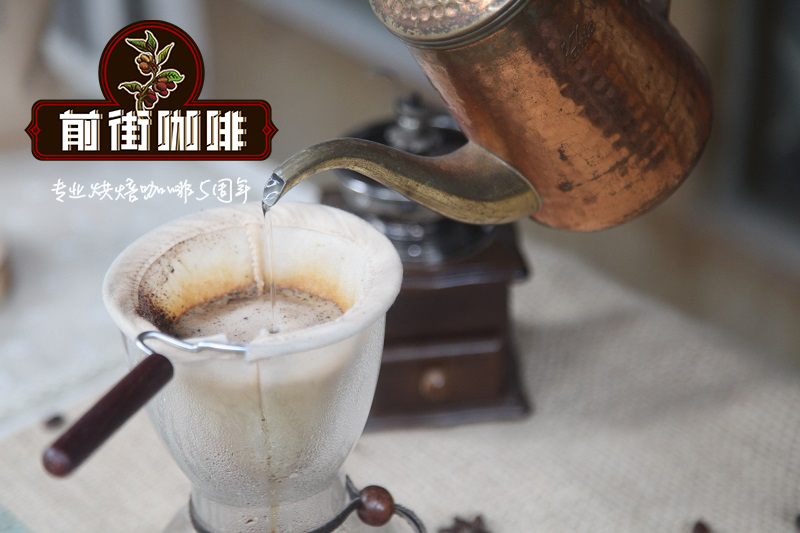
Of particular note is the San Sio Wild Coffee Project, where the estate reserves some areas to simulate primary forest ecology, using no chemicals and maintaining natural vegetation cover. Although this sustainable cultivation method reduces yield by about 40%, it creates more complex regional flavors in the beans. For actual brewing, it is recommended to use a V60 dripper with medium-fine grind (75% passing a Chinese standard No. 20 sieve), with water temperature controlled at 90-92°C to better balance acidity and sweetness.
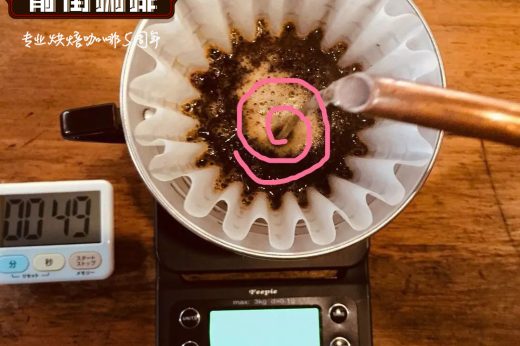
Professional brewing parameters for reference: coffee-to-water ratio 1:15, staged pouring with 30g bloom (30 seconds) → center circular pour to 125g → staged pouring to a total of 225g. Flavor development typically shows prominent orange peel acidity in the first three pours, caramel sweetness and black tea finish in the mid-palate, and possibly a faint dark chocolate aftertaste in the tail. For storage, avoid environments above 20°C; after opening, it is recommended to store in an airtight canister with a one-way exhaust valve. The optimal enjoyment period is 21-45 days after roasting.
For beginners, note that honey-processed beans are more prone to showing defective flavors than washed beans. It is advisable to first test the brewing plan with a smaller dose (15g). Common mistakes include excessively prolonging the bloom time (which can cause over-extraction and bitterness) or using water that is too hot (which amplifies astringency). Pairing suggestions include light-textured nut-based desserts, or enjoy it alone to appreciate its multi-layered fruity variations.