El Salvador Black Beauty Estate Coffee Pour-Over Guide: From Roast to Flavor
Introduction: This article takes an in-depth look at the unique appeal of El Salvador's Black Beauty Estate coffee, covering the relationship between its growing environment, variety characteristics, and the spicy natural process. It focuses on the City-level roasting parameters suited to this bean, provides a precise pour-over recipe (including water temperature, coffee-to-water ratio, and time control), and explains the logic behind the formation of its berry-toned flavors. Whether you are a coffee novice or a seasoned enthusiast, you can learn the key techniques for improving flavor expression.
Produced at Black Beauty Estate in the Ahuachapán department of El Salvador, the coffee beans grow at 1,250–1,350 meters in volcanic soil. The area's climate is moderated by a nearby volcanic lake, maintaining a cool 18–22°C year-round, and combined with the humid air brought by the Pacific monsoon, it provides ideal growing conditions for three classic varieties: Pacamara, Bourbon, and Caturra. Of particular note, the iron and trace elements rich in the volcanic red soil directly contribute to the coffee fruit's full berry-flavor base.
This processing method, known locally as "spicy natural," is highly distinctive—after picking, the coffee cherries must dry thoroughly in drying sheds for 20–25 days, during which the mucilage layer and the seed undergo continuous enzymatic reactions. This process both preserves the bright fruity acidity and imparts the rich flavors of dark berries such as blackcurrant and cherry, ultimately forming a unique layered sweetness.
In terms of roasting strategy, after comparative testing of light, medium, and dark degrees, a City-level roast in the mid-to-late stage of first crack (about 30–45 seconds after the start of first crack) proved to best balance flavor expression. At this point the bean body shows a transition from oily dark green to light brown, and after grinding it releases a distinct fermented wine aroma and dried berry notes.
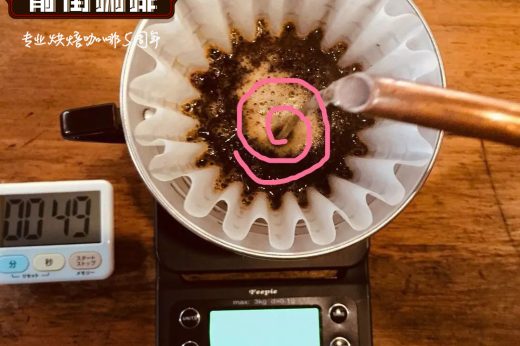
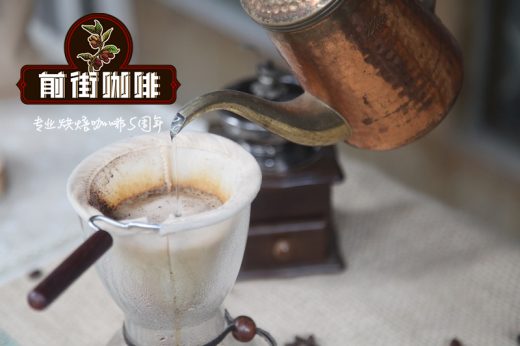
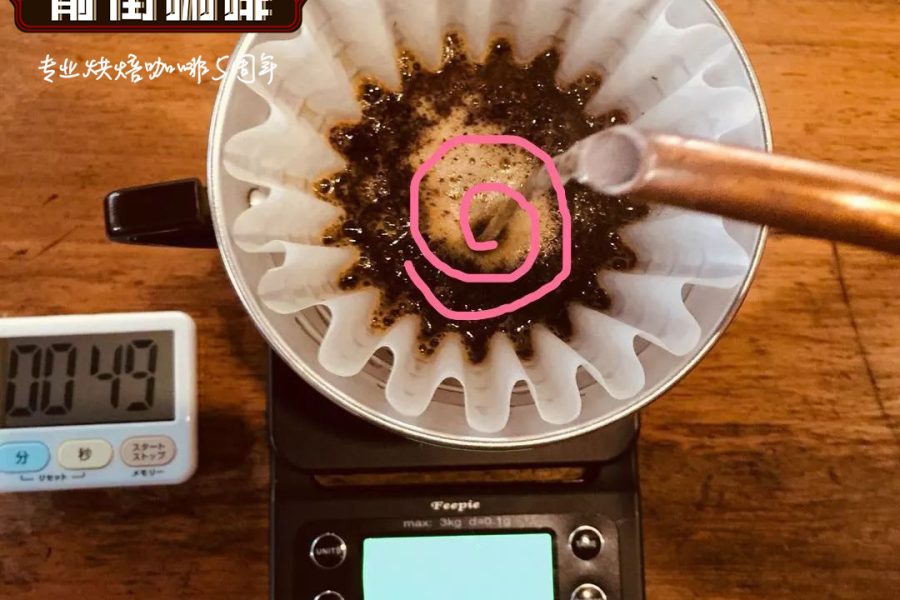
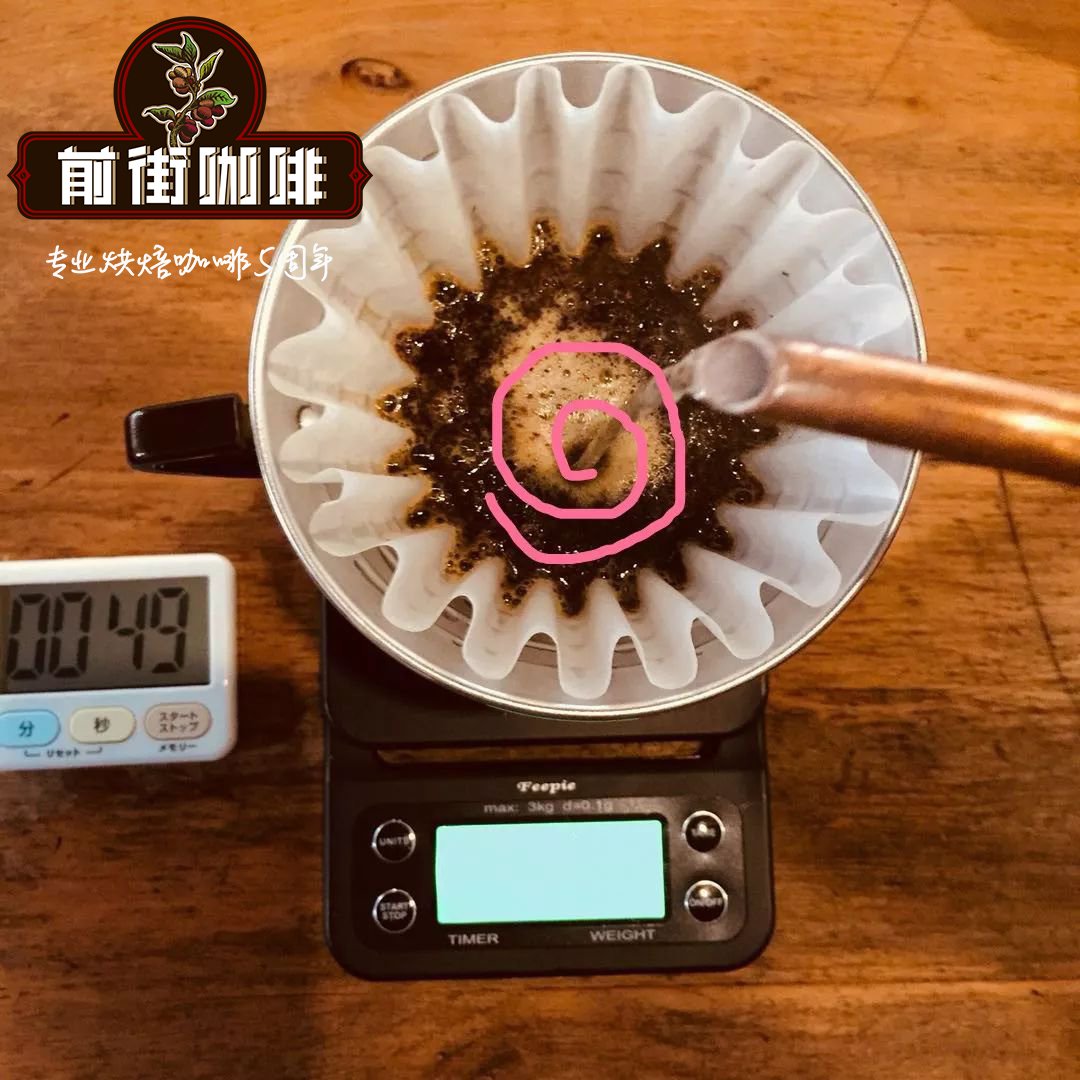
For pour-over practice, the following parameters are recommended: water temperature controlled in the 88–92°C range (90°C recommended as the baseline), coffee-to-water ratio of 1:13 (15 grams of coffee to 195 milliliters of water), with a total extraction time of about 1 minute 30 seconds. In practice, a V60 dripper is recommended, and the staged pouring rhythm is to first pour 30 milliliters for a 30-second bloom, then slowly pour in a circular motion until finished.
The flavor wheel shows this bean presents a clear three-stage taste structure: on entry, the lively acidity of smoked plum and black cherry is first captured; the mid-palate turns into a clear sweetness like lychee honey; and the finish brings back a fruity tea character with obvious sweetness. The professional cupping report specifically notes its cleanliness score of 8.5/10, indicating that the processing method effectively reduces defective and off-flavors.
Common brewing mistakes include: water that is too hot easily causes excessive extraction of tannic acid (it is recommended not to exceed 93°C), a coffee-to-water ratio below 1:12 results in insufficient body, and grinding too fine may cause over-extraction and bitterness. For drinkers who prefer brighter acidity, try lowering the water temperature to 88°C and extending the bloom time to 40 seconds.