Hawaii Kona Coffee: Terroir, Flavor Profile, and Brewing Guide
Introduction: Hawaii Kona coffee is renowned worldwide for its rarity and distinctive flavor and is one of the highest-priced specialty coffees in the world. This article takes an in-depth look at the core growing environment, cultivation history, and grading system of Kona coffee, explains the causes behind its signature floral and fruity aromas and full-bodied mouthfeel, and provides process details of the professional washed method along with brewing recommendations to help you fully understand the appeal of this top-tier coffee.
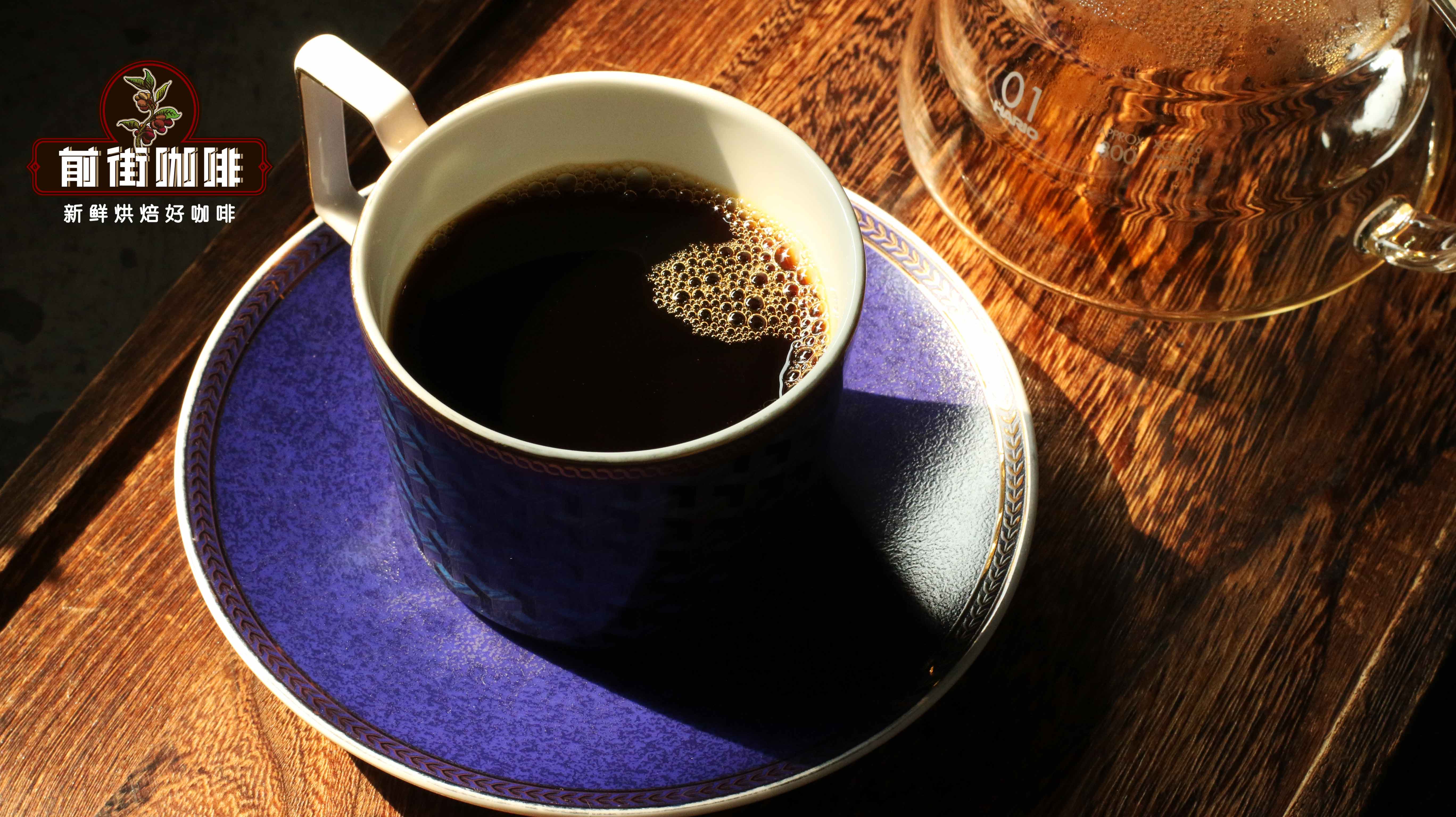
As the only U.S. state that commercially cultivates coffee, Hawaii, with its unique volcanic island environment, produces the world-famous Kona coffee. The region lies in the Pacific volcanic belt, where fertile basalt soils formed by active volcanoes such as Kilauea, combined with an average of 2,000 hours of sunshine per year and a constant temperature of 15-25°C, provide ideal growing conditions for Arabica coffee trees. Notably, the stratocumulus clouds characteristic of local afternoons effectively reduce direct intense sunlight; this natural shading effect allows the coffee cherries to ripen more evenly.
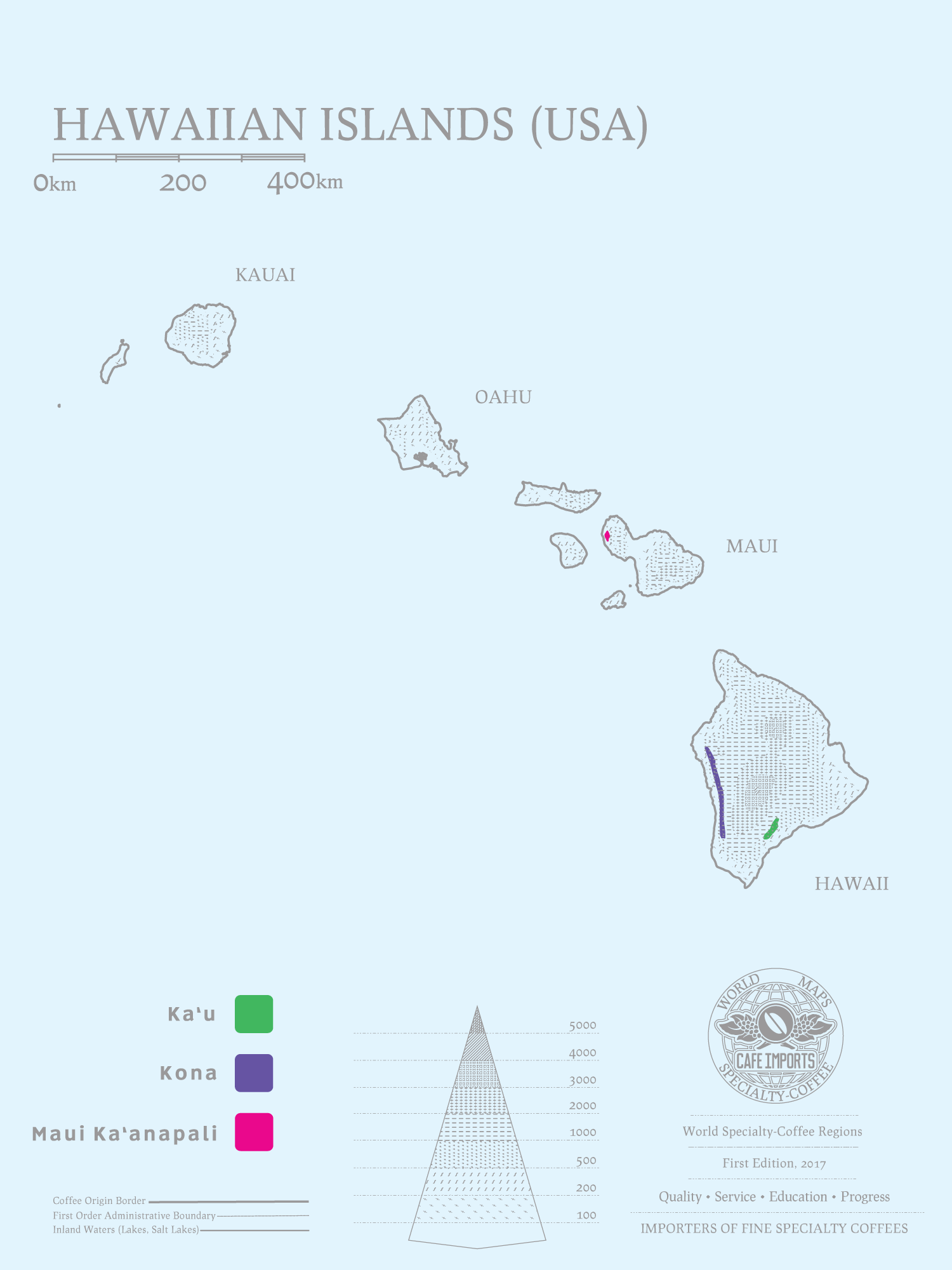
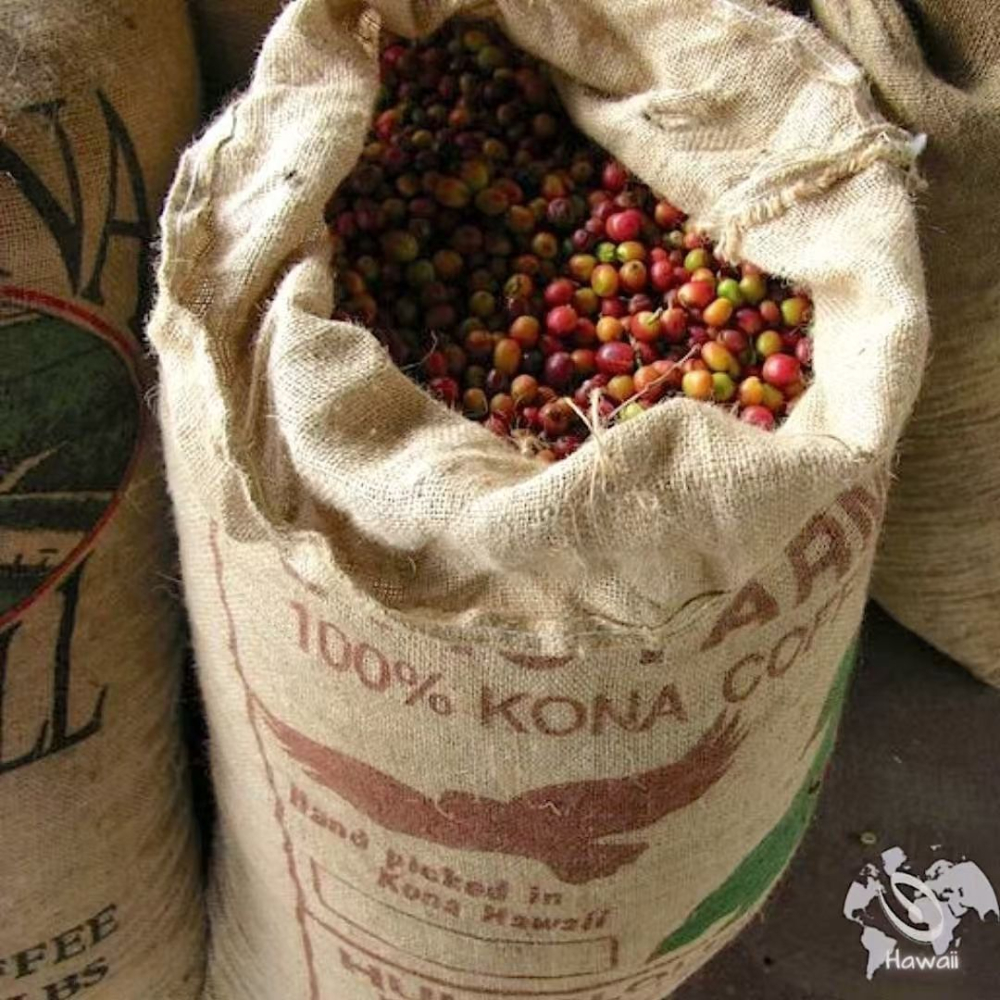
The scarcity of Kona coffee stems from its strictly limited growing range—it is distributed only across roughly 1,400 hectares of volcanic slopes in the southwestern part of the Big Island of Hawaii, a planting area equivalent to the size of two Forbidden Cities. Constrained by steep terrain and the cost of manual harvesting, annual output is less than 0.01% of global coffee trade volume. This supply-demand imbalance often pushes its auction price above $300 per pound, and the market chaos of so-called "Kona blends" (with actual Kona beans accounting for less than 5%) further highlights the value of the genuine article.
The Kona region spans Hawaii's main island group, with the Big Island's Kona district, Maui, and Oahu forming the core triangle. Microclimates differ markedly among the islands: the volcanic soils of the Kona district are rich in iron and magnesium minerals, giving the coffee a bright citrus note; Maui's basalt soils produce beans of medium acidity but rich layering; Kauai's cloudy, misty weather creates a silky-smooth mouthfeel. Professional roasters recommend comparing the regional characteristics of beans from different islands through cupping.
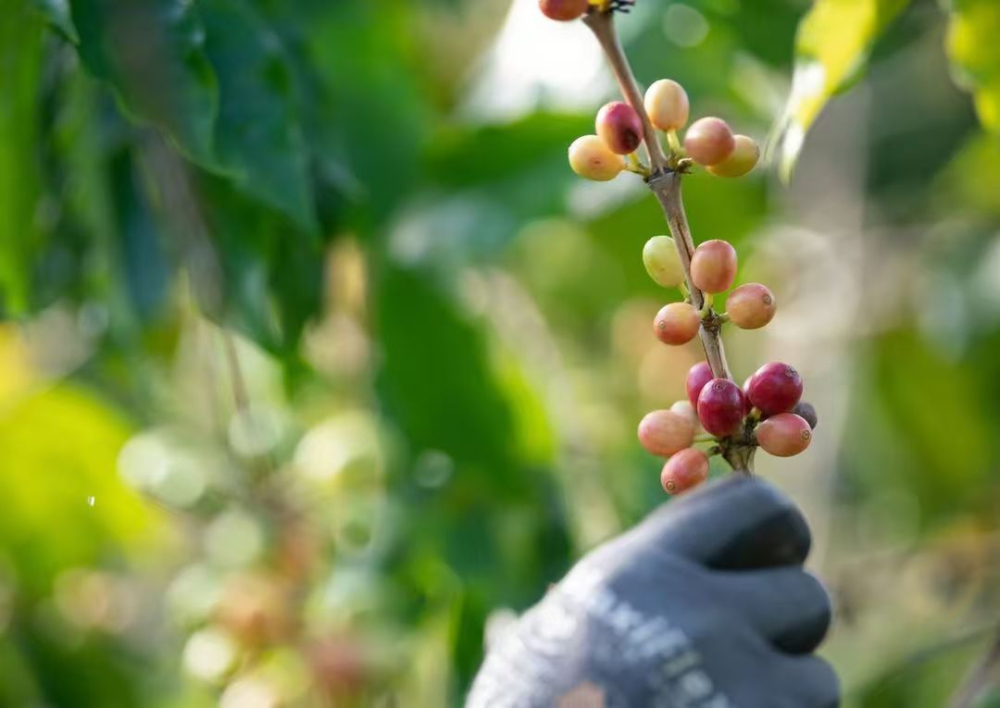
The modern Kona coffee industry began in the early 19th century: in 1817 a Spanish advisor's first introduction failed, until in 1825 Brazilian Bourbon was successfully trialed in Manoa Valley. The key turning point came in 1836 with large-scale planting on Kauai, which was nearly wiped out by the leaf rust disaster of 1858; only the Big Island's Kona district survived thanks to the microclimate of its higher elevation (800-1,200 meters). The currently dominant Typica variety, though elegant in flavor, has weak disease resistance, so its yield per unit is only 60% that of commercial beans.
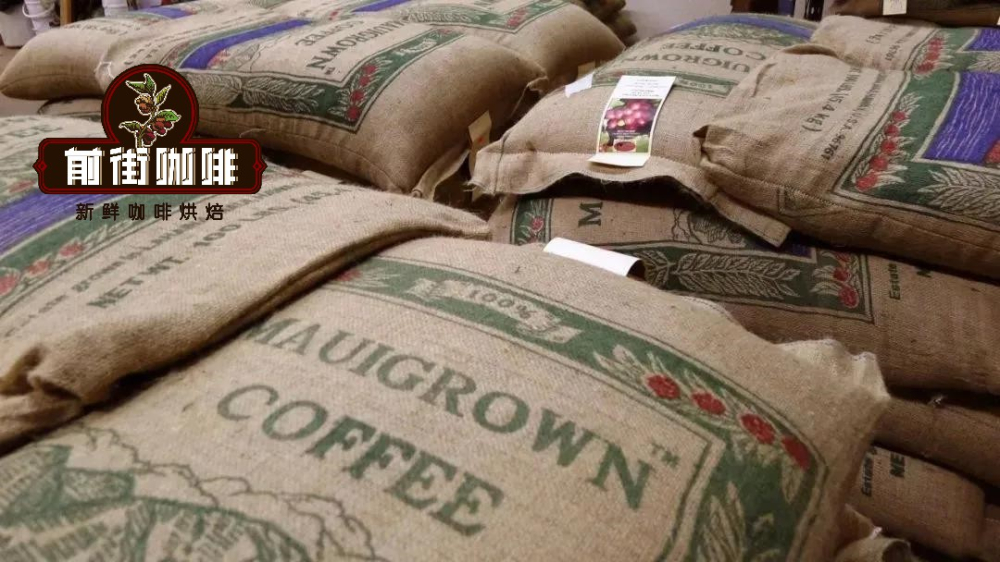
Kona coffee follows the world's strictest grading system, divided into five quality tiers: Extra Fancy grade requires bean size ≥19 screen (about 8 mm), moisture content precisely controlled at 9-12%, and no more than 10 defects per 350 grams of green beans; Fancy grade allows a slightly broader 18-screen standard and an upper limit of 16 defects; the top No.1 Peaberry refers specifically to round peaberry beans, which must meet ≥10 screen and ≤20 defects. In the annual Kona coffee competition, Queen Manor has twice (2009/2011) taken second place, with its extra-fancy beans accounting for more than 70% of the harvest.
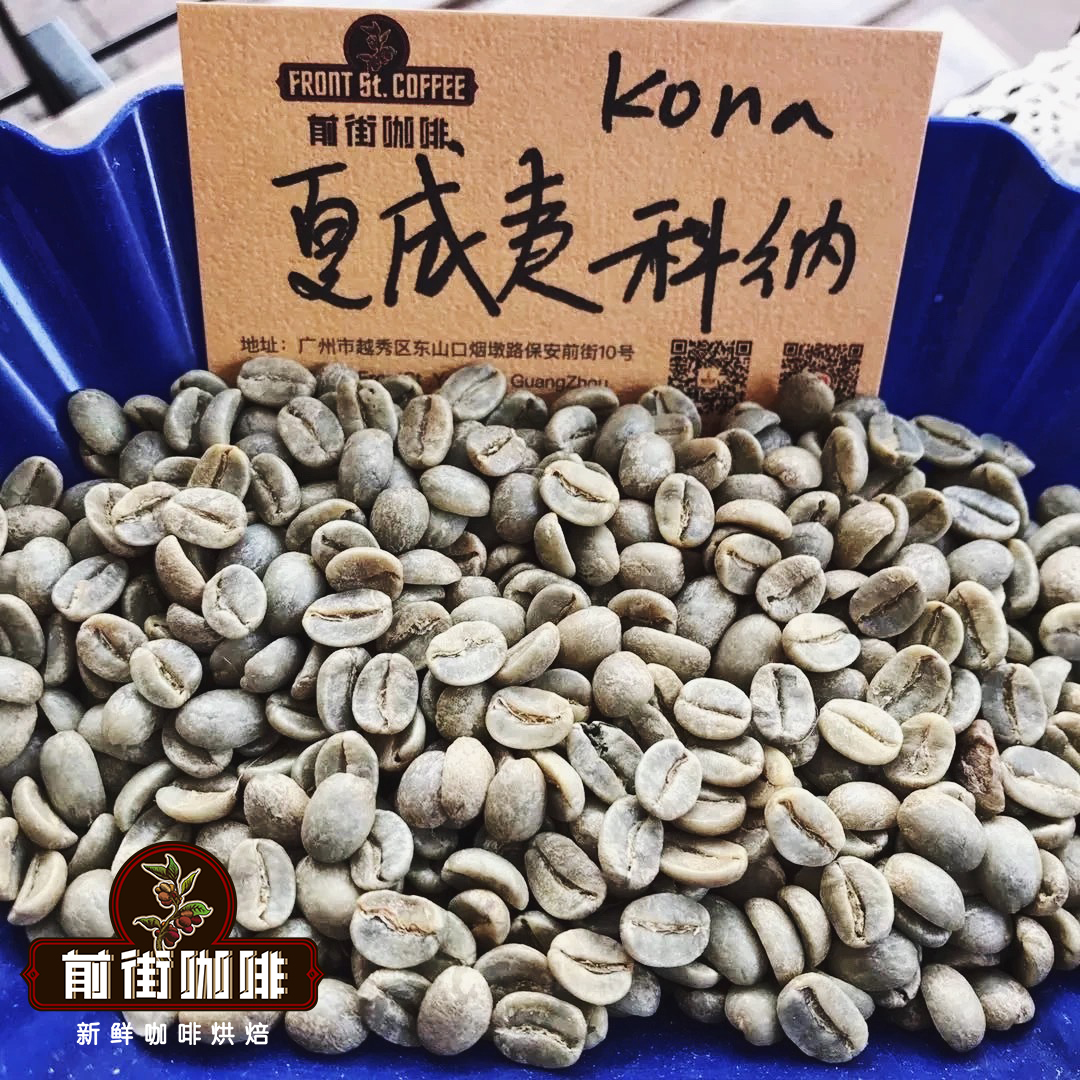
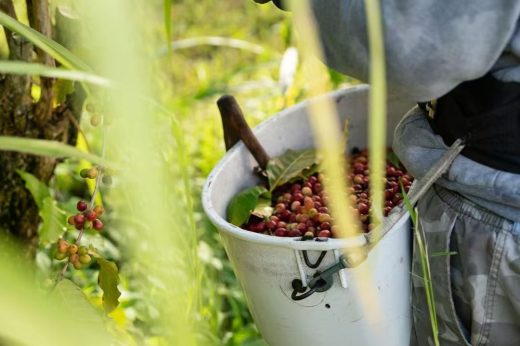
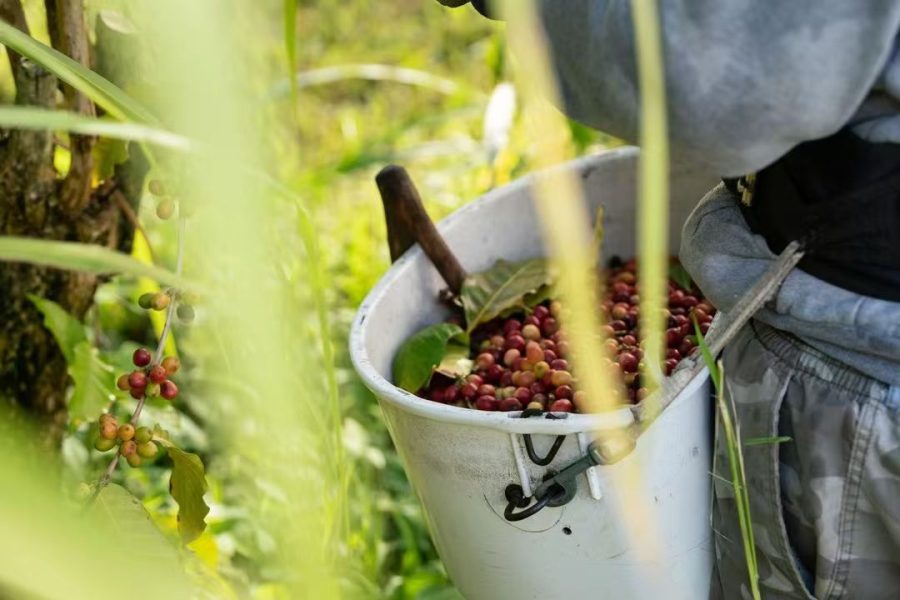
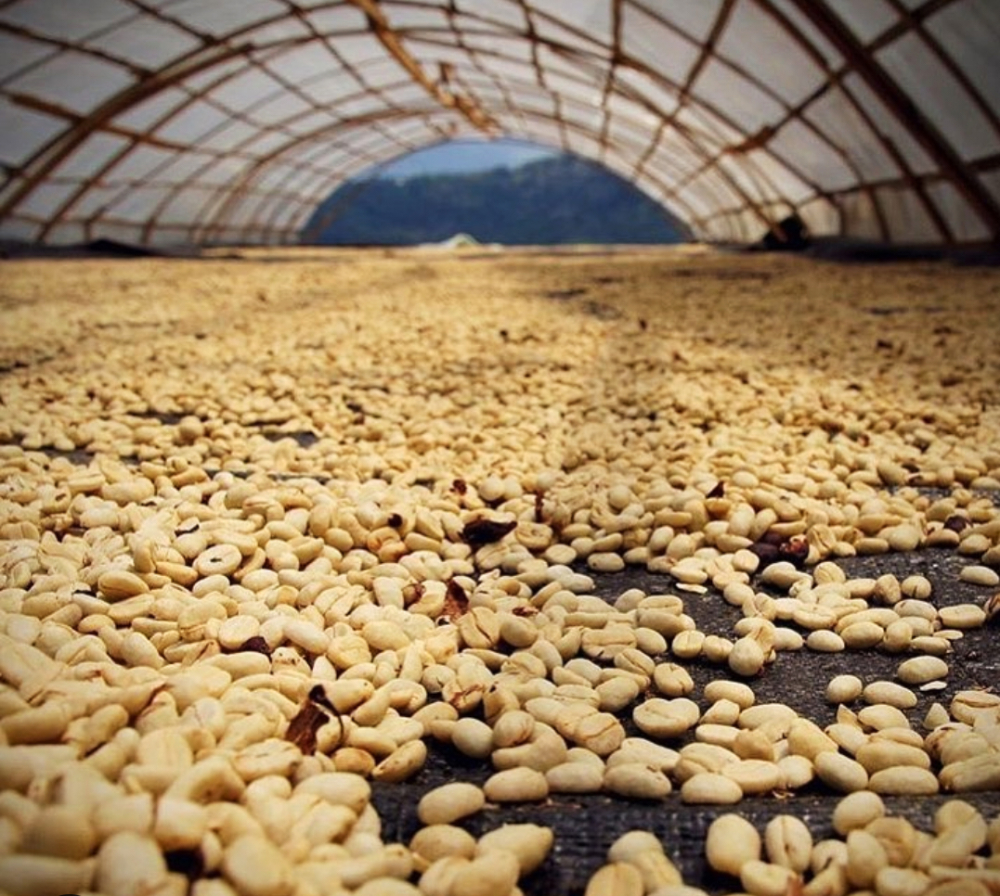
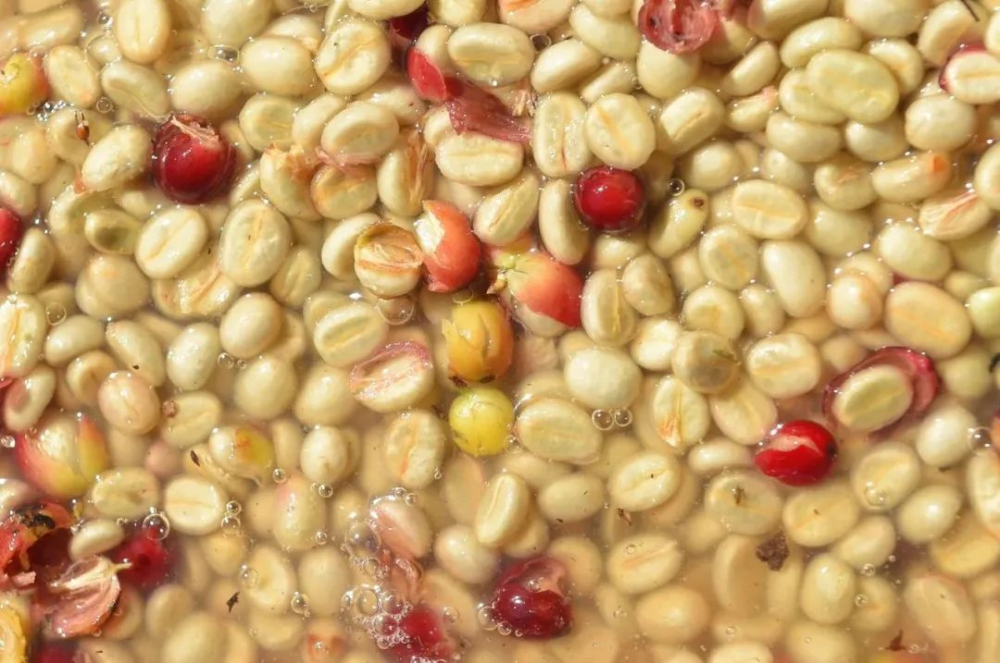
The typical processing of professional-grade Kona coffee uses a double washed method: first, density flotation removes unripe beans, then a pulper strips the outer skin, and the retained mucilage layer undergoes controlled-temperature fermentation (25-28°C) for 18-24 hours to fully break down the pectin. The key step is three gradient washes—the first removes fermentation residue, the second rinses away impurities, and the final rinse ensures a clean surface. During drying, moisture content must be reduced from 55% to 11±2%; traditionally this uses African raised beds with sun drying and regular turning, while modern farms use temperature-controlled dryers to maintain even dehydration.
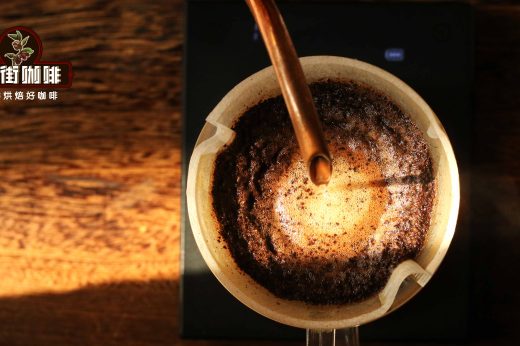
Brewing Kona coffee requires attention to three key points: for grind size, a medium-fine grind is recommended (70-75% passing a Chinese standard No. 20 sieve), equivalent to the very fine granulated sugar particles commonly used for pour-over; water temperature should be strictly controlled in the 90-93°C range, as too high will over-extract sharp acidic compounds; a coffee-to-water ratio of 1:15 to 1:16 is recommended, and when pouring, use a center-outward radial motion to avoid disturbing the coffee bed structure. The flavor profile shows pronounced white floral notes (similar to gardenia) in the first three brews, blackcurrant and honey sweetness emerging in the middle, and a lingering almond-nut aroma in the finish.
For beginners, it is advisable to first choose washed Kona beans to experience the pure flavor. For storage, use one-way degassing valve foil bags, keep out of light at 18-22°C, and consume within two weeks after opening. Professional baristas note that Kona coffee's delicate acidity is not suited to dark roasting; a medium roast (Agtron #65-#70) best balances sweetness and aroma complexity.