Hawaiian Kona Coffee Beans: Flavor Profile and Origin Guide
Introduction: Although Hawaiian Kona coffee grows at low altitude, its unique island climate and volcanic soil produce beans of exceptional flavor. This article takes an in-depth look at Kona coffee's origins, growing environment, variety characteristics and processing methods, explaining how this bean, known as the 'Queen of Coffee,' has secured an important place in the global specialty coffee market, and offers practical guidance on flavor appreciation and brewing.
As the only coffee-growing region in the United States, Hawaii is known for its blue seas and skies, yet it also produces a world-famous specialty coffee: Kona coffee beans. Contrary to the common belief that 'high altitude makes good beans,' Kona coffee, in a relatively low-altitude island environment, displays a distinctive appeal of full fruitiness and balanced acidity thanks to its special climate and soil conditions. Its cinnamon-spice-like aroma and mild acidity make it a typical representative for coffee lovers exploring high-quality low-altitude beans.
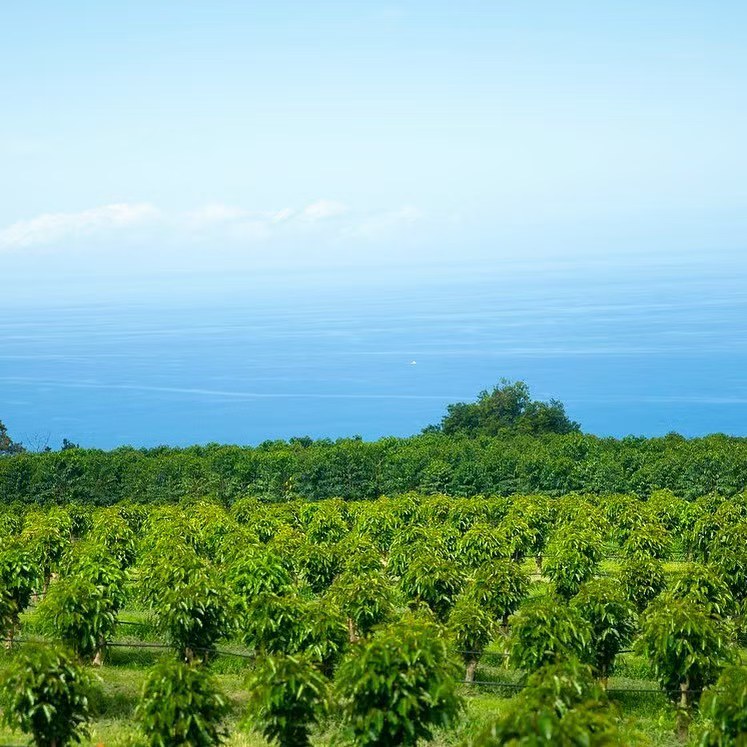
The cultivation history of Kona coffee dates back to the early 19th century. In 1817, Spanish advisor Don Francisco de Paula Marin first attempted to introduce coffee but without success; it was not until 1825, when Oahu governor Chie Boki brought coffee seedlings back from Brazil and planted them successfully in Manoa Valley, that Hawaii's coffee industry truly began. In 1828 Bourbon was introduced to the Big Island, and in 1836 cultivation was greatly expanded on Kauai, but in 1858 pests and diseases caused crop failure in most regions. Only the KONA region on the Big Island survived and continues to this day, ultimately establishing its status as the 'Queen of Coffee.'
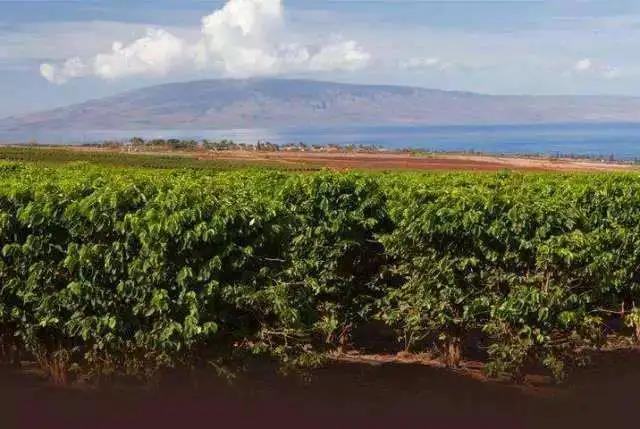
Kona coffee's outstanding quality is inseparable from Hawaii's unique island climate. Temperatures fluctuate little over the year but the day-night temperature difference is marked; abundant cloud and mist soften direct sunlight, and together with fertile volcanic soil this forms a flavor base that is 'soft, fragrant and elegant.' Although island beans are less full-bodied than Indonesian Mandheling and their acidity varies less than Kenyan beans, their global scarcity places them among the ten most expensive coffees (alongside Jamaican Blue Mountain and Hawaiian Kauai Coffee). The regular afternoon showers brought by the trade winds and the cool nighttime environment together shape Kona coffee's delicate and distinctive regional flavor.
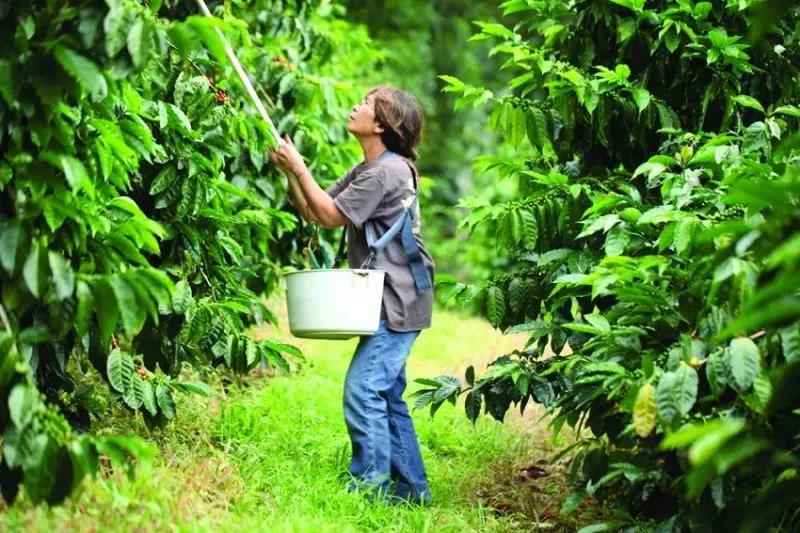
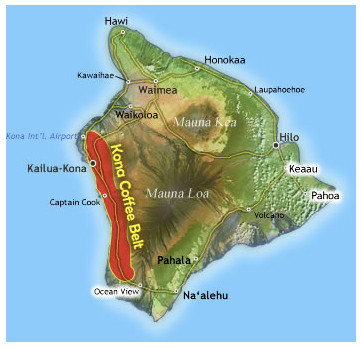
The core growing belt of the Kona region lies in the southwest of the Big Island, covering the slopes of the Hualalai and Mauna Loa volcanoes, at elevations concentrated between 800 and 1,100 meters. Although this is lower than well-known Central American regions (usually above 1,200 meters), the moderating maritime climate makes the actual growing environment resemble that of higher altitudes. The mountainous area is rainy and cooler than the flatlands; together with ample sunshine, natural shade from afternoon fog and no threat of frost, this produces high yields averaging 2,240 kg per hectare. Combined with farmers' meticulous management, it ultimately yields specialty coffee that is both high in quality and consistent.
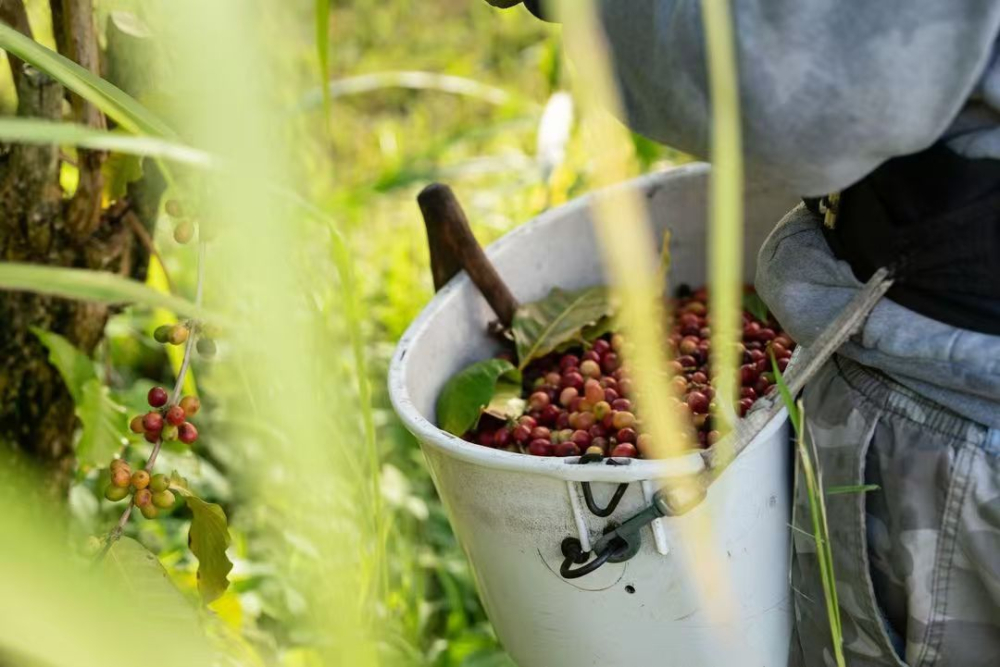
Besides the main KONA region, other Hawaiian islands also grow small amounts of coffee: the Ka'anapali estate on MAUI (100-550 meters) grows varieties such as Catuai and Typica, with a harvest from September to January; the WAIPAPU region (WAIPAPU, MAUI ISLAND) lies at 500-750 meters and is run by a company from a neighboring island, mainly growing Typica and Catuai; the KAU and HAMAKUA regions on the Big Island focus respectively on coffee processing and reviving cultivation (100-600 meters), while the KONA region, with more than 630 family-run small plantations (most under 2 hectares), has become the core symbol of Hawaiian coffee.
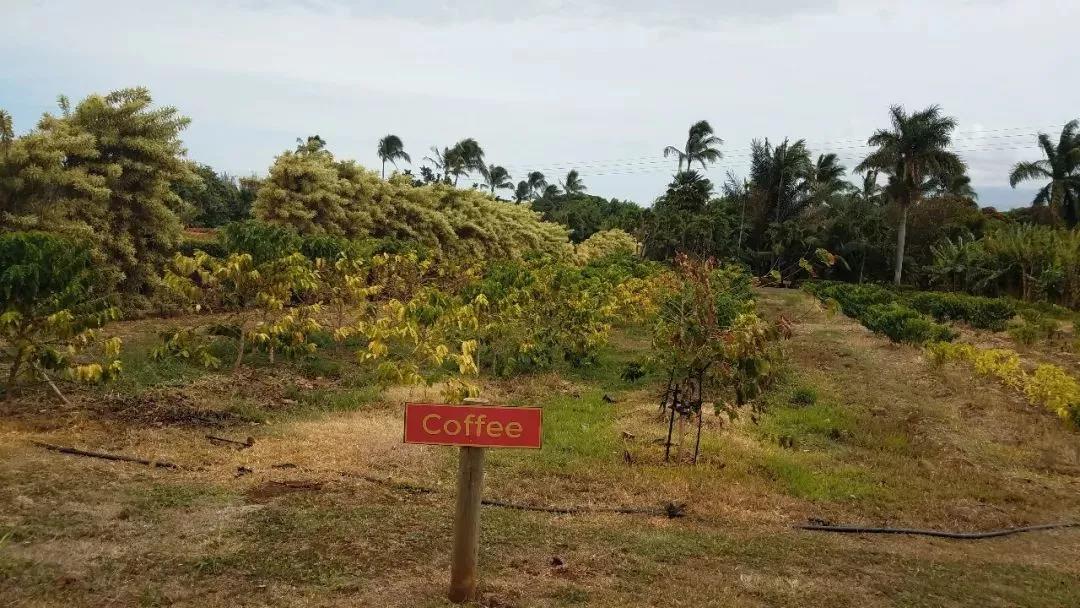
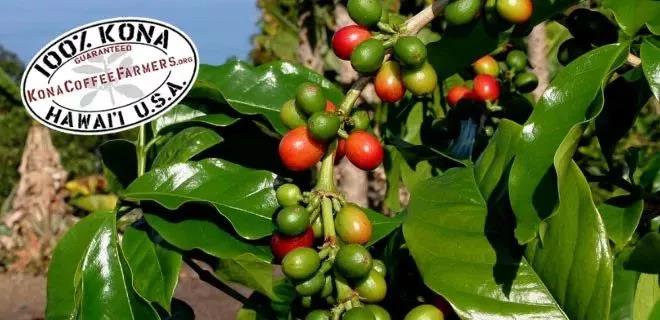
Kona coffee's flavor advantages are closely tied to its main cultivated variety. Typica, the oldest native Arabica variety from Ethiopia, has gradually been replaced by varieties such as Caturra due to its weak disease resistance, but its elegant, clean flavor and balanced mouthfeel remain classic. Typica beans are pointed-cone or slender-tipped in shape (unlike the round-bodied Bourbon bean), and the top leaves often take on a bronze color (commonly called 'red-top coffee'); it has given rise to well-known variants such as Mandheling and Blue Mountain. In the Kona region, Typica together with other varieties contributes the base flavor of full fruitiness and balanced sweetness and acidity, while the unique regional environment further enhances its flavor expression.
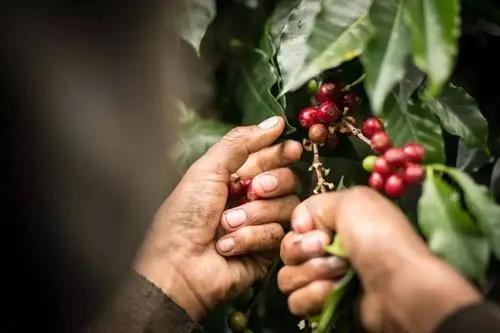
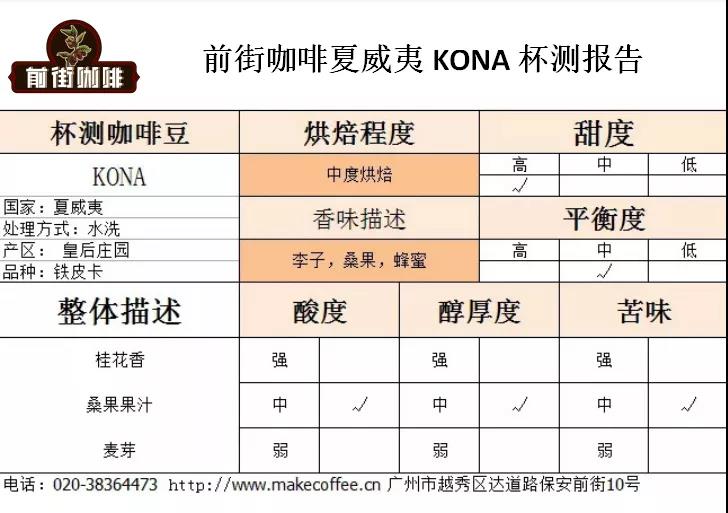
Kona coffee's flavor characteristics are distinct: high fruit fullness, a noticeable cinnamon-spice note, and mild, moderate acidity; on the palate it is neither bitter nor astringent, with no scorched taste, and has prominent sweetness and body, going down smoothly with a lasting finish. Its special growing environment in the volcanic belt gives its aroma layers, blending mixed-fruit sweetness, citrus acidity and spice flavors; the whole is pure with no sense of impurities, and it is widely recognized as 'one of the highest-quality coffees.' Note that only beans grown in the designated KONA area (with strict certification) may use the name, ensuring the purity of the flavor.
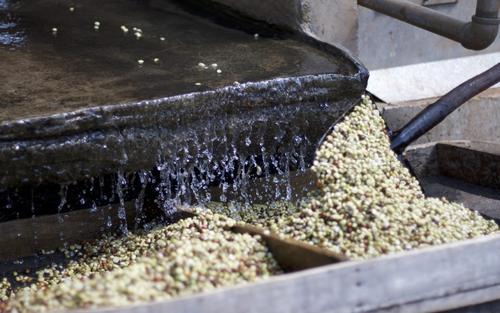
Kona coffee is mainly processed by the washed method: the mucilage layer is removed by fermentation, followed by a second washing (using clean mountain spring water to ensure purity), then sun-dried on flat drying beds. This process effectively preserves the coffee's fresh character, producing its bright, clear appearance and pure flavor. The washing process places high demands on water quality, and Hawaii's abundant freshwater resources provide a natural advantage, ultimately creating Kona beans' signature clear color and bright mouthfeel.
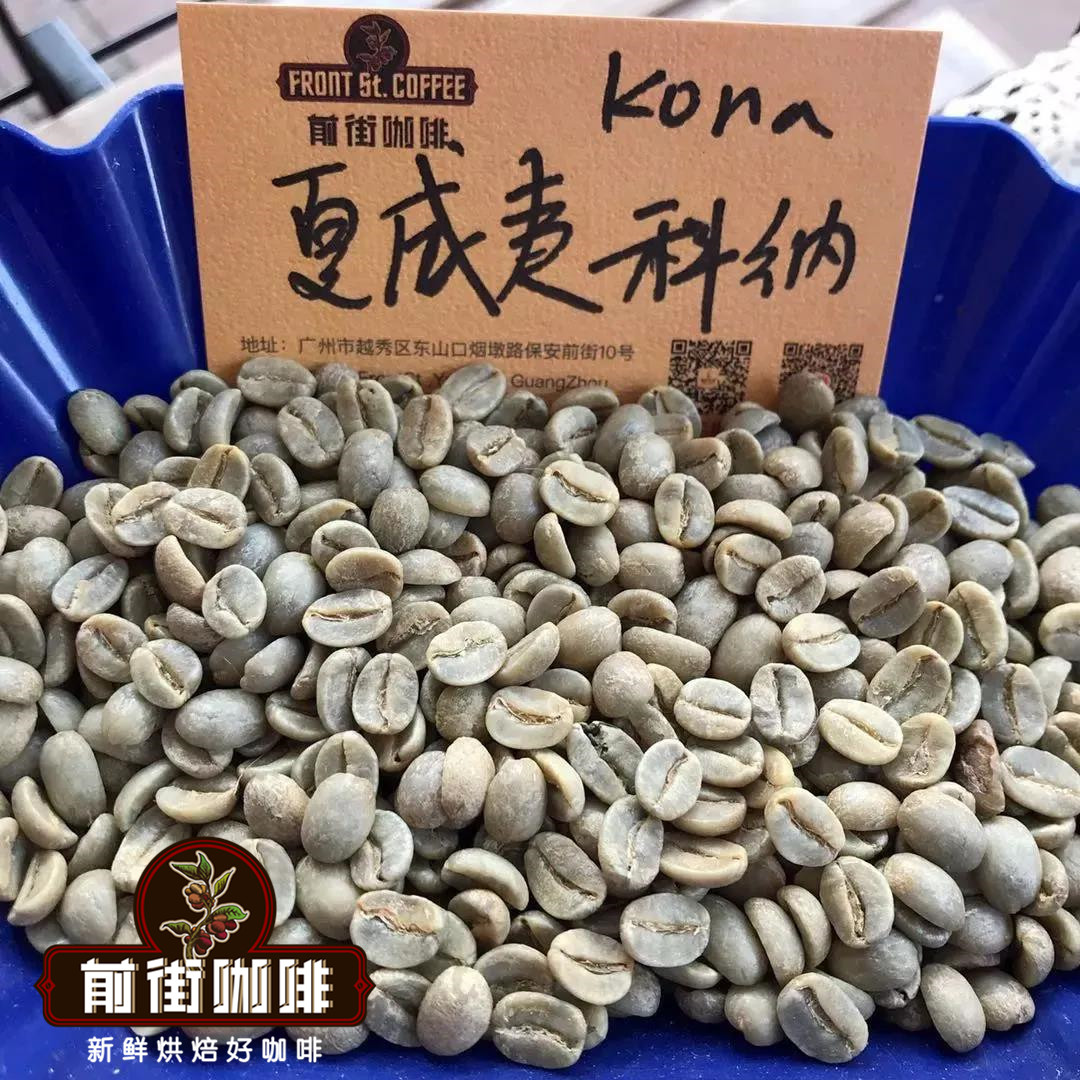
Kona coffee beans are graded, mainly by bean size, into four levels: the highest Extra Fancy, Fancy, Prime and Gr. No.1 (all Type 1 standard beans), plus Type 2, used exclusively for small round peaberries (including Kona Number 1 Peaberry and others). Grading reflects not only bean size but also density and uniformity, which directly affect flavor expression. Among them, Extra Fancy grade usually has a fuller mouthfeel and richer aroma layers, making it the preferred choice for specialty coffee lovers.
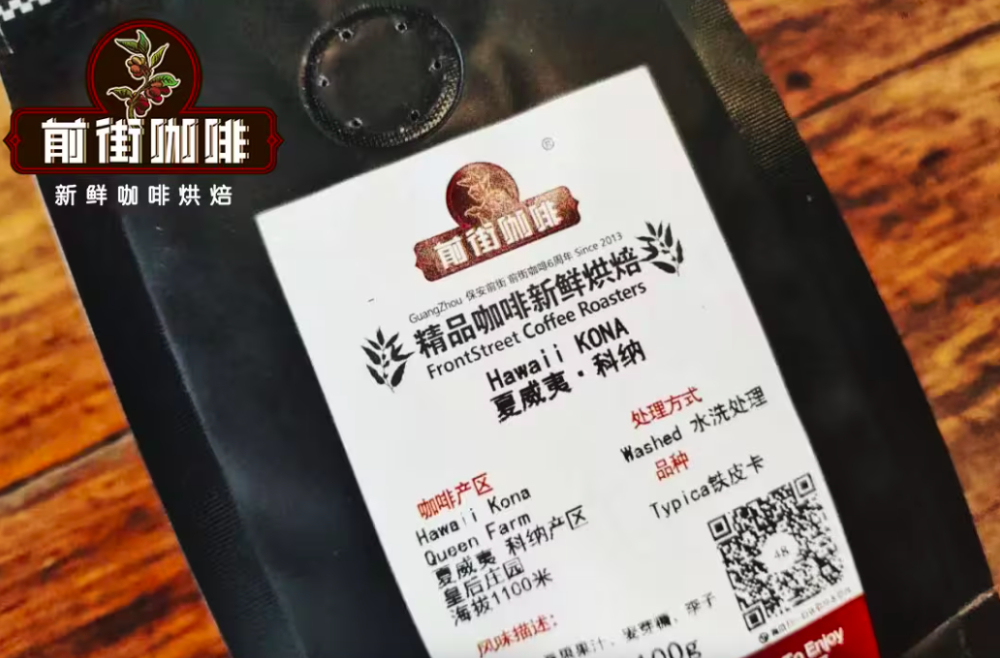
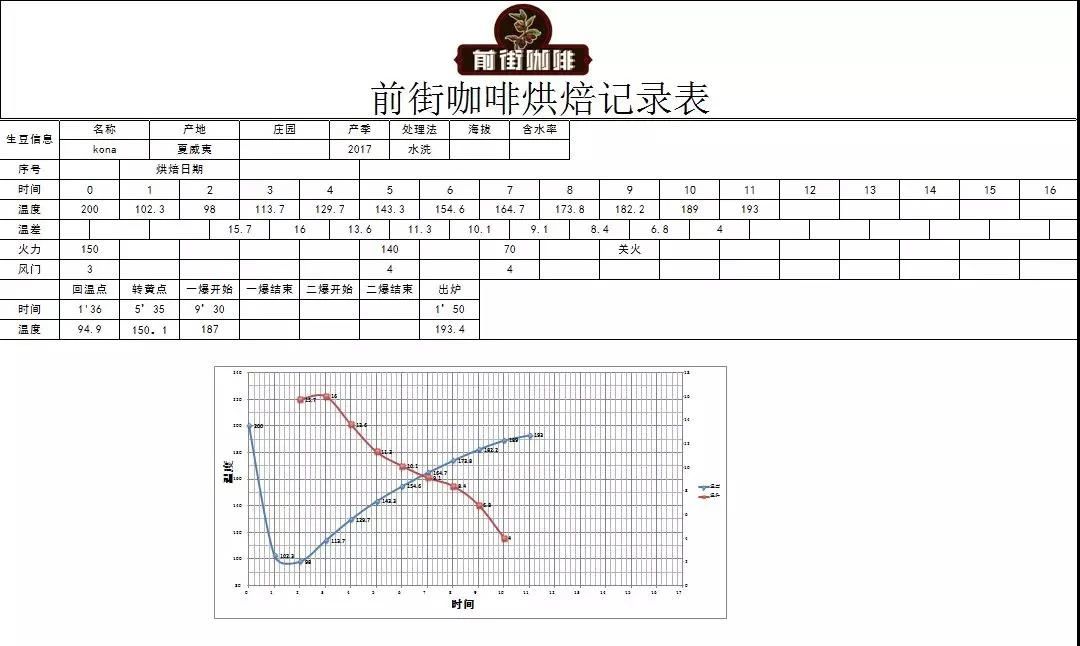
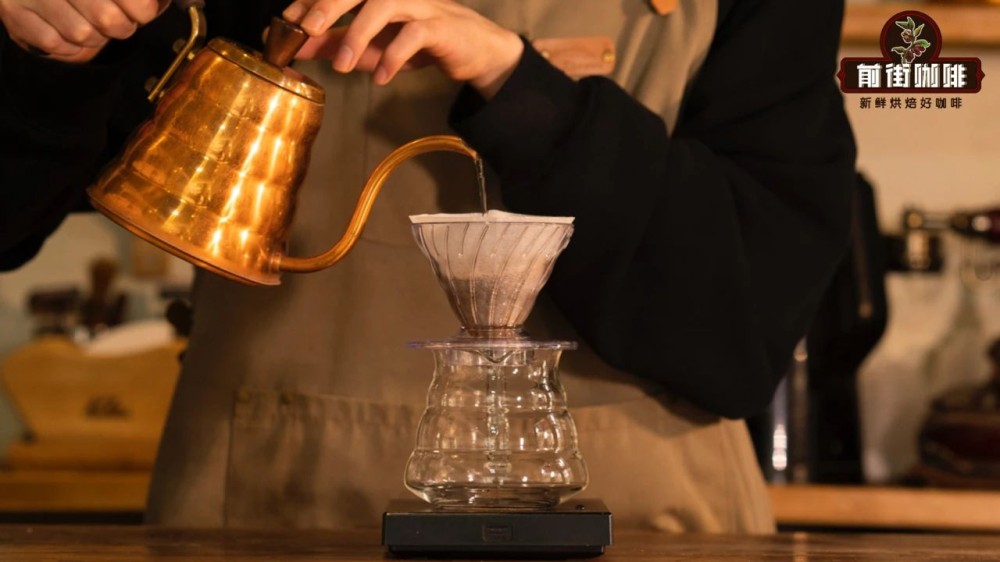
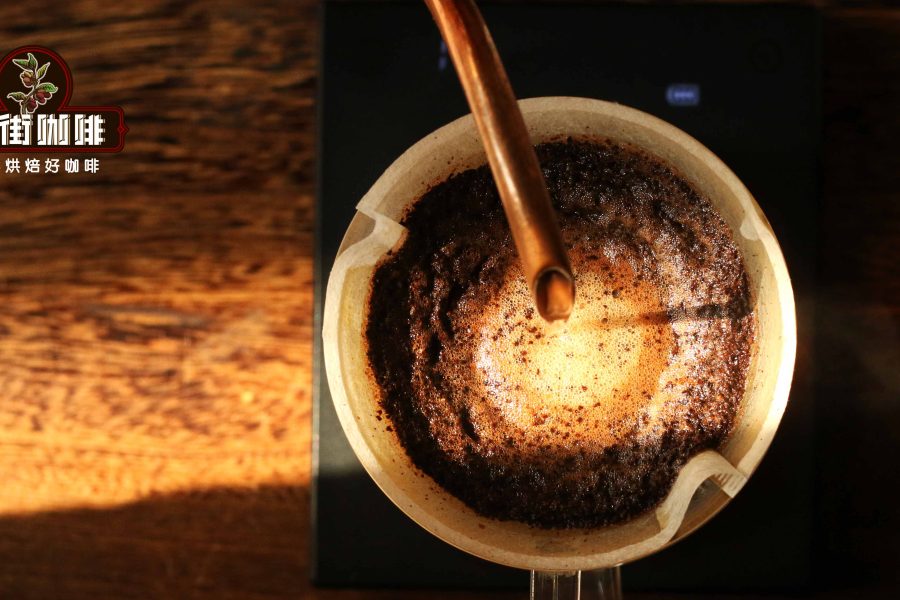
Given Kona coffee's characteristics, a medium roast is recommended to balance its sweetness and acidity: it preserves the honey-like sweet aroma while avoiding over-development that would mask the regional flavor. For brewing, a V60 dripper is recommended (water temperature 90°C, coffee-to-water ratio 1:15, grind size like fine granulated sugar), using staged extraction (first bloom with 2 times the coffee weight for 30 seconds, then pour in a small stream to 125 g for the first stage, and continue to 225 g before stopping) to highlight its delicate sweetness and citrus acidity, ultimately presenting a balanced flavor in which honey sweetness and malt aroma interweave.