Ethiopian Yirgacheffe Coffee Bean Flavor Analysis and Pour-Over Parameters Guide
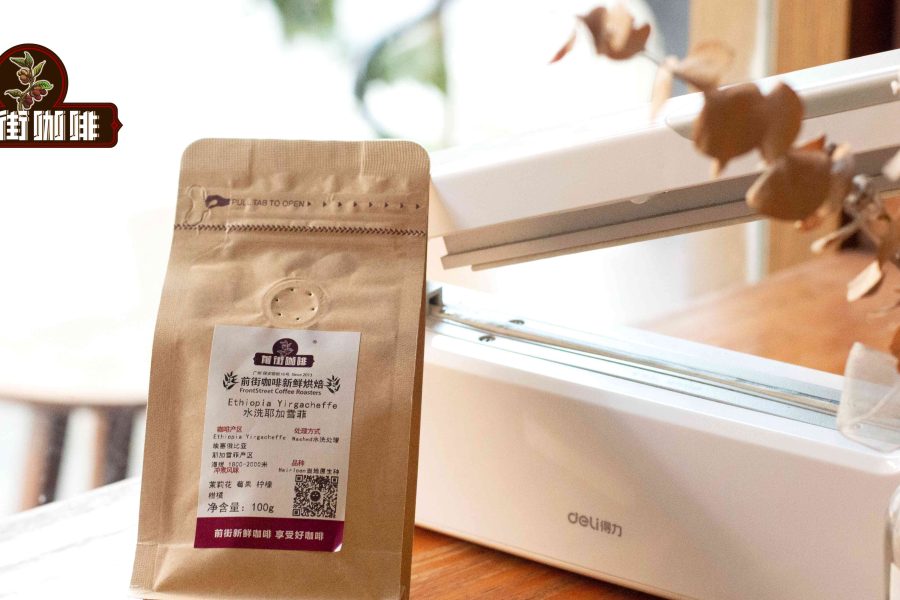
Introduction: An in-depth analysis of the unique flavor characteristics of Ethiopian Yirgacheffe coffee beans, from citrus notes to a tea-like finish, detailing the process differences and flavor expressions of washed and natural processing methods. Professional pour-over parameter recommendations are provided, including water temperature, coffee-to-water ratio, grind size, and other key indicators, along with brewing step guidance to help you precisely present the bright acidity and floral-fruity aroma of this classic highland coffee.

Although the beans from the Ethiopian highlands are small, they contain stunning flavor complexity. Its aroma spectrum is complex and varied, with the bright notes of fresh jasmine and citrus fruits, blended with the sweet aroma of peach and almond and a delicate tea charm. The entry experience is particularly special—the body is silky smooth, the acidity is lively and bright but not sharp, and a balance similar to fruit black tea slowly unfolds on the tongue. The wet aroma presents a syrupy viscous texture, accompanied by a complex aroma of apricot nectar and honey chocolate.
Professional baristas often describe its flavor explosiveness as "a hundred flowers blooming," and this distinct regional character comes from the unique microclimate of Yirgacheffe.
The Yirgacheffe producing area is located in the Ethiopian highlands at an altitude of 1700-2100 meters, and the town's name means "settled wetland" in the local language. It is cool and foggy all year round, with summer breezes moderating the temperature and no severe cold threat in winter, creating an ideal environment for Arabica bean growth. It is worth noting that local coffee farmers generally adopt a agroforestry planting system, intercropping coffee trees with crops such as bananas on gentle slopes, and this traditional cultivation method contributes specially to flavor formation.
The history of this producing area can be traced back to the period when European missionaries introduced the species. Today, although it is managed uniformly by cooperatives, the tradition of garden-style dispersed planting is still retained. Every year during the harvest season, professional buyers select high-quality lots according to strict standards, and finally export them under the unified brand "Yirgacheffe." In the late 20th century, because its flavor was too outstanding, the Ethiopian government separated it from the Sidamo producing area, making it an important benchmark for global specialty coffee.
Modern Yirgacheffe mainly adopts two processing methods: washed method (about 60%) and natural method (about 40%). The washed process, through the flow of depulping and fermentation → multiple washes → raised-bed drying, produces clean and transparent citrus notes; while the natural method, through whole-fruit drying → controlled-temperature drying, retains more berry sweetness and full body. Professional advice: consumers who prefer refreshing acidity can choose washed beans, while those who love rich fruity aroma are suitable for the natural version.
Detailed washed process: After selecting ripe coffee cherries, the skin and pulp are first removed while retaining the mucilage layer, then placed in flowing clean water to ferment for about 24-36 hours until the pectin softens, and then the mucilage is thoroughly removed through intensive washing. Finally, the parchment beans are evenly spread on raised drying beds and dried in layers at 18-22°C to a moisture content of 11-12%. This process creates its signature balance of jasmine floral aroma and citric acidity, making it a model for washed Yirgacheffe worldwide.
Key points of natural processing: Immediately after picking, density grading and screening are carried out, and high-quality fruits are placed directly on mold-proof mesh beds for 10-15 days of natural drying, during which they need to be turned daily and shaded from the strong midday sun. This method gives the coffee a fuller tropical fruit character and syrupy sweetness, especially suitable for making cold brew or espresso drinks.
Brewing plan recommendations:
• Equipment choice: V60 dripper (01/02 recommended)
• Basic parameters: water temperature 90±1°C | coffee-to-water ratio 1:15 | medium-fine grind (80% passing through China No. 20 sieve)
• Operation process:
1. Pre-rinse the filter paper and add 15 grams of coffee grounds
2. Bloom with 30 grams of water for 30 seconds (activate carbon dioxide)
3. When pouring in stages to 125 grams, perform the first stage
4. Continue pouring to a total of 225 grams and end extraction
5. Control the total time at 2 minutes 00 seconds ±10 seconds
Flavor tasting notes:
• Washed version: citrus aroma dominant, as temperature drops, creamy aroma and caramel finish gradually appear, with obvious tea-like sensation
• Natural version: fermented fruit aroma prominent, lively berry sweet and sour on the palate, with a buttery smoothness in the aftertaste
Special note: freshly roasted beans (5-14 days after roasting) need a 4-7 day resting period, and after grinding, it is recommended to brew and drink immediately to avoid oxidation loss.