Brazil's Queen's Estate Yellow Bourbon: Origin, Flavor and Growing Story
Introduction: Brazil is the world's largest coffee producer, and the Cerrado region of Minas Gerais state is known for its high-quality coffee. This article takes an in-depth look at well-known growing areas such as Queen's Estate (Fazenda Rainha), explaining the unique growing environment of classic varieties like Yellow Bourbon, the pulped natural processing method, and the nutty flavor characteristics that set it apart from ordinary Brazilian beans. From fruit color to roasting performance, this helps you fully understand the key points for buying and tasting this classic coffee bean.
In the Cerrado region of Minas Gerais in southeastern Brazil, there are several estates famous for growing traditional Bourbon coffee, such as Fazenda Capim Branco and Fazenda Vista Alegre. Although the old Bourbon varieties produced by these estates come from the same region, they each have their own distinct flavor profiles. For example, coffee from Fazenda Capim Branco is usually smoother and more delicate in the cup, while the product of Fazenda Vista Alegre is known for being rich, full-bodied and darker in color; both show low acidity. It is worth noting that Brazilian coffee tastes best when fresh, and its acidity tends to increase gradually with longer storage.
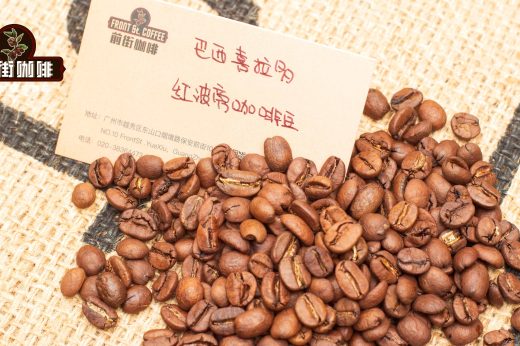
The growing environment in this region provides exceptionally favorable conditions for coffee. The Yellow Bourbon variety is widely planted locally and processed using the pulped natural method (also known as semi-washed processing). In this method, after the outer pulp of the coffee fruit is removed, the mucilage layer covering the parchment of the green bean is deliberately retained before drying. This process gives the final coffee a clean finish, a gentle mouthfeel and sweet acidity, making it one of the typical representatives of Brazilian specialty coffee.
The name "Bourbon" actually comes from a French overseas island in the Indian Ocean—Bourbon Island (now called Réunion). Although the island was renamed long ago, the coffee variety introduced and spread from it retains this classic name. As an important branch of the Arabica species, Bourbon is grown in many coffee-producing regions around the world, and Brazil has a particularly long history of cultivation, which has also formed a distinctive regional flavor.
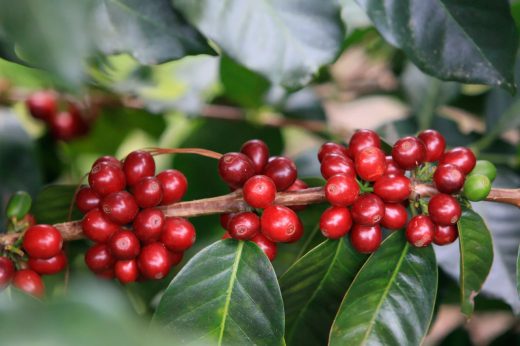
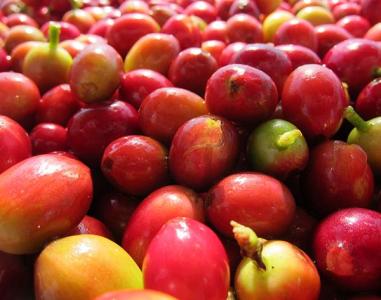
Of particular note is the Yellow Bourbon variety. Unlike traditional red-fruited Bourbon, the fruit of the Yellow Bourbon coffee tree turns bright yellow, rather than the usual red, when fully ripe. This variant not only has relatively low yields and higher requirements for growing environment and management, but its flavor is often more distinctive. After careful picking and pulped natural processing, Yellow Bourbon coffee beans show a dry, clean and sweet taste after roasting, accompanied by a unique nutty aroma—an important reason it stands out among many Brazilian coffees.
Besides Yellow Bourbon, Brazil also produces other types of coffee beans such as Rio and Parana. These varieties usually have lower requirements for the growing environment and are easy to cultivate on a large scale, so their yields are larger. Although their flavor complexity may not be as rich as specialty beans and they are sometimes described as somewhat rough, they have a clear advantage in value for money and are suitable for daily drinking or as a blending base. Depending on origin and processing standards, Brazilian coffee beans are divided into several grades, mainly based on impurity content (NO.2–NO.8), bean size (NO.13–NO.19) and flavor performance (six grades in total).
Among the many Brazilian coffees, "Brazil Santos" is one of the most representative varieties. With its consistent quality and affordable price, it has long been a base bean in blended coffee recipes and is widely popular in the market. In recent years, another Brazilian coffee called "Torma Cup" has also gradually attracted attention, and its flavor has won praise from many coffee lovers.
For enthusiasts who want to understand Brazilian coffee in depth, understanding the differences among regions, varieties and processing methods is the key to improving tasting ability and buying accuracy. From Queen's Estate's Yellow Bourbon to the widely planted Santos, every Brazilian coffee carries a unique story of terroir and craft, waiting for you to explore and savor.