Brazil Specialty Coffee Regions and Varieties: Flavor Guide and Brewing Tips
Introduction: As the world's largest coffee producer, Brazil is known for beans with low acidity, full-bodied sweetness and nutty, cocoa notes. This article takes an in-depth look at the characteristics of Brazil's main coffee regions and the performance of distinctive varieties such as Yellow Bourbon, and offers practical parameters and blending schemes for pour-over and espresso extraction to help coffee lovers choose beans that suit their flavor preferences.
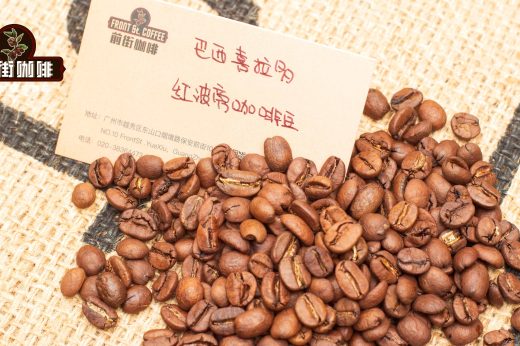
 The typical flavor profile of Brazilian coffee beans is clear: soft acidity with prominent nutty and cocoa tones, closely related to the Bourbon variants of the mainly cultivated Typica. Notably, the Yellow Bourbon variety selected in some Brazilian regions has a rare pale yellow skin; it is not only distinctive in appearance but also develops a clean sweetness similar to cane sugar after roasting. This sweetness is often described as 'pure caramel sweetness' and is accompanied by lower citrus acidity, making it an ideal base for balancing the overall flavor in espresso blends.
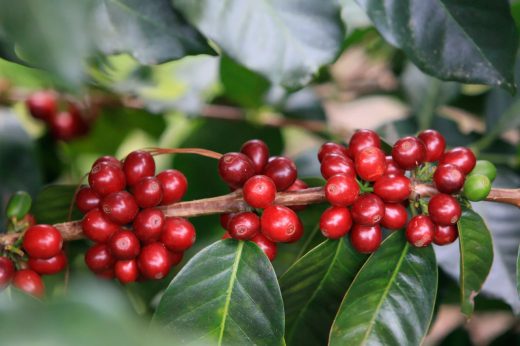
 Among Brazil's many regions, high-altitude growing areas produce particularly outstanding beans. Take the 1,200-1,400 m zone as an example: large day-night temperature swings and soil rich in volcanic rock minerals give the coffee fruit a slower ripening process, ultimately forming full nutty aroma and silky body. Among these, medium-dark roasted Yellow Bourbon single-origin beans can show layers of creamy peanut and caramel through pour-over and also suit moka pots, French presses and other devices—for pour-over, use 92-94°C water and a 1:15 coffee-to-water ratio, with staged extraction to highlight sweetness.
 If you prefer the rich mouthfeel of espresso, the advantage of Brazilian beans' nutty base becomes even more obvious. Their naturally occurring almond and walnut-like oily aromas can blend silkily with milk under high-temperature extraction. Actual tests show that a blend containing 30%-50% Brazilian beans can increase the persistence of a latte's finish by about 20% while reducing the risk of over-extraction. For home users, choose medium-dark roasted blended beans, adjust the grind to the fine-sugar grain size used for espresso machines (about 70% passing a No. 20 sieve), and keep extraction time in the 25-30 second range.
Common high-quality blending schemes on the market usually fall into two directions: one focuses on the sweet balance of chocolate and caramel, and such recipes pair with beans from Colombia's Huila region to enhance the sweet-acid contrast; the other introduces the ripe plum acidity of Yunnan small-bean coffee, using the interplay of sweetness and acidity to enhance overall layers. Professional roasters remind buyers to check the roast date—Brazilian beans are at their best 10-25 days after roasting, and storage should avoid humid environments that weaken the nutty aroma. For first-time tasters, start with 100% Brazilian single-origin beans; slow extraction with a siphon (recommended to maintain medium heat for 90 seconds) better highlights their clean cane-sugar finish.
 From a professional perspective, the value of Brazilian coffee beans lies not only in their performance as a single origin but also in their role as a blending 'stabilizer.' Whether for an office latte seeking a full-bodied mouthfeel or a specialty coffee shop menu requiring clear flavors, a reasonably proportioned Brazilian bean can provide reliable base support. Consumers can adjust parameters according to their equipment: for example, when using a Clever Dripper, extending the bloom time to 45 seconds helps release nutty lactone compounds; moka pot users are advised to keep the dose at 2/3 of the pot's capacity to avoid excessive compression affecting flow rate.