Costa Rica's Megalith Estate Black Honey Beans: Flavor Analysis and Pour-Over Guide
Introduction: Explore Megalith Estate in Costa Rica's Brunca region and discover the distinctive craft behind its signature black honey process. This article details the Caturra and Catuai varieties grown at 1,700–1,800 meters, analyzing the key parameters—from pectin retention rate to roast curve—that create its caramel aroma and chocolate finish, and offers a professional pour-over recipe with a flavor profile reference.
Costa Rican coffee is known for its clear, bright acidity and layered sweetness, which are inseparable from its distinctive honey processing. The so-called honey process does not involve adding honey; rather, the mucilage layer on the parchment of the coffee cherry is retained during drying. By adjusting the proportion of mucilage left and the drying method, a special flavor is created that sits between the cleanliness of washed coffee and the intensity of natural coffee.
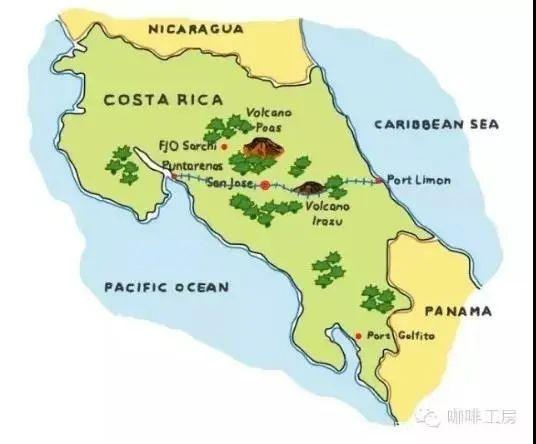
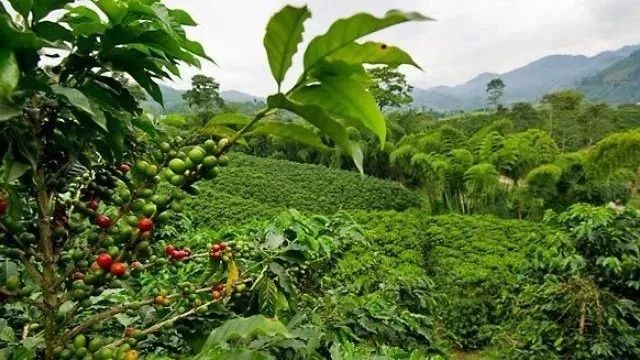
The country's coffee cultivation is concentrated in the central highland volcanic belt, and the Brunca region in southern Tarrazú province attracts attention for its diverse microclimates connecting to Panama. The stone spheres unearthed here, dating from 200–1500 BC, add mystery to Megalith Estate (the core area of the Brunca region). Volcanic ash soil and a cool climate averaging 18–22°C, together with altitudes above 1,400 meters, give the coffee fruit excellent conditions for slow ripening.
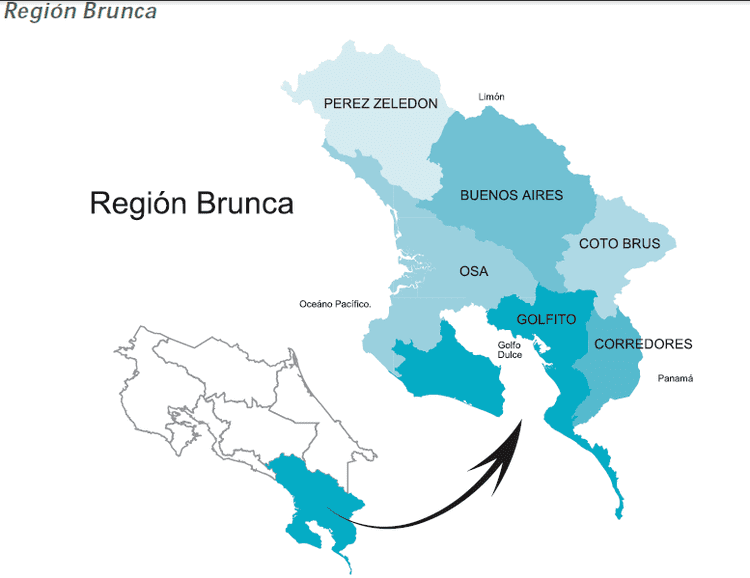
Brunca is one of Costa Rica's six socioeconomic regions, and coffee cultivation there began in the late 19th century. Among the country's eight major producing regions, West Valley, Tarrazú and Tres Ríos are known for high-altitude SHB (1,500–1,650 m) beans, while Megalith Estate in Brunca reaches 1,700–1,800 meters, placing it in the extra-selected strictly hard bean category.
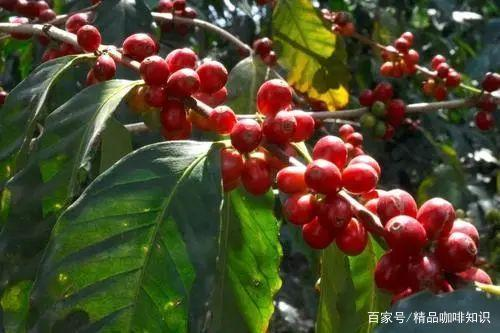
The estate uses two main varieties, Caturra and Catuai: the former is a dwarf mutation of Bourbon (discovered in Brazil in 1937) with strong disease resistance but a tendency toward alternate-year crops; the latter is a cross of Mundo Novo and Caturra, combining wind and drought resistance with stable fruit quality. The two show markedly different flavor directions during honey processing—Caturra contributes bright citrus notes, while Catuai reinforces the nutty and caramel base.
Costa Rica divides honey processing into four grades: black honey (90%+ mucilage retained), red honey (70%), yellow honey (40%) and white honey (20%). The difference lies not only in the proportion of mucilage removed but, more importantly, in the degree of shade and frequency of turning during drying—black honey requires full shade-net coverage and multiple turnings per day over 14–21 days, creating its rich, full-bodied character.
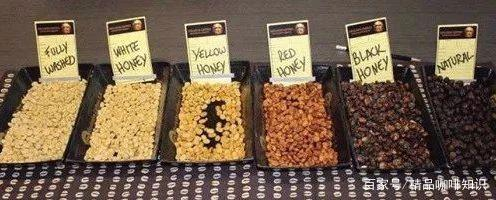
Take Caturra/Catuai black honey beans grown at 1,700 meters in Brunca as an example: their flavor profile shows a clear three-layer structure. The dry aroma releases fermented wine and fresh berry notes; on the palate, brown sugar sweetness interweaves with a creamy texture, accompanied by medium-high body; the finish reveals bittersweet dark chocolate and raisin, with acidity expressed as a soft apricot tone.
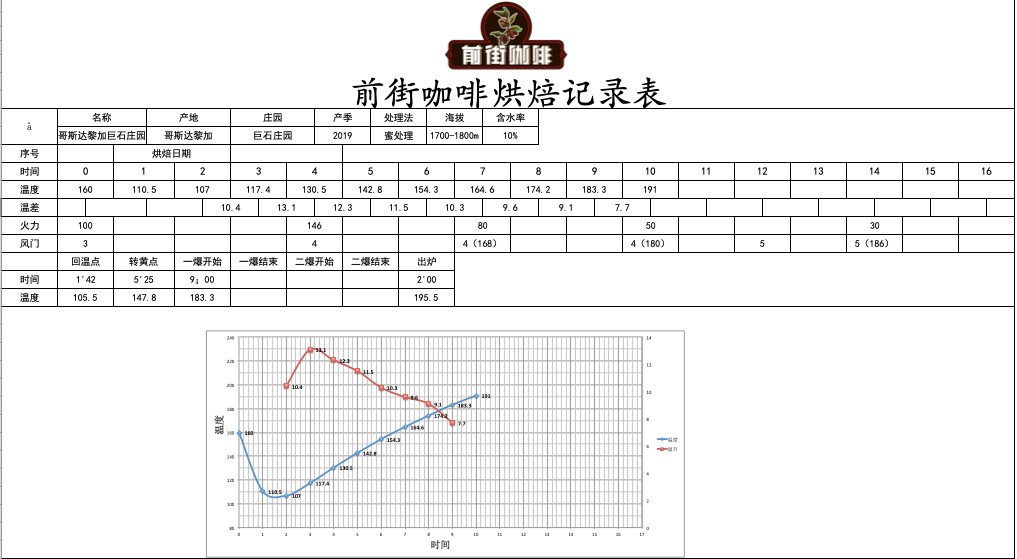
Professional roasting recommendations (using an 800N drum roaster as an example): charge temperature 160°C, heat 100%, airflow setting 3; at the turning point of 1'42" the bean temperature is 146°C, increase airflow to setting 4; after the bean surface turns yellow at 153.6°C, lower heat to 80%, and at 168°C maintain airflow at setting 4; first crack begins at 9'00" (about 195.5°C), develop for 2 minutes, then drop. This curve highlights the sweetness conversion of honey-processed beans and avoids over-development that leads to woody flavors.

For a home pour-over recipe, a V60 dripper is recommended: water temperature 90–92°C, coffee-to-water ratio 1:15, grind size comparable to BG#5R (about 70% passing a No. 20 sieve under Chinese standards). Begin by pouring 30 grams of water and blooming for 30 seconds, then pour in a slow circular stream to 125 grams in stages; when the water level drops to the coffee bed, continue pouring to 225 grams to finish extraction (total time 2 minutes). Keep the pouring speed even to avoid channeling and localized over-extraction.

Flavor description reference: at high temperature (85–75°C), distinct fermented strawberry aroma is noticeable; in the mid-temperature range (65–55°C), caramel and roasted nuts are balanced; in the tail (45–35°C), a wine-like tannic astringency emerges. Pair with a light-roasted Ethiopian Yirgacheffe for comparison to better appreciate the unique way honey processing modifies floral and fruity notes.


