Inside Indonesia's Kopi Luwak: Price, Flavor and Brewing Guide
Introduction: Kopi Luwak, also known as civet coffee, is one of the most expensive and scarce coffees in the world. This article takes an in-depth look at the origins of this unusual coffee, its distinctive flavor, the in-vivo fermentation process, and the truth behind its market price. It also offers professional brewing advice and flavor descriptions to help coffee enthusiasts fully understand this controversial drink, and recommends alternatives.
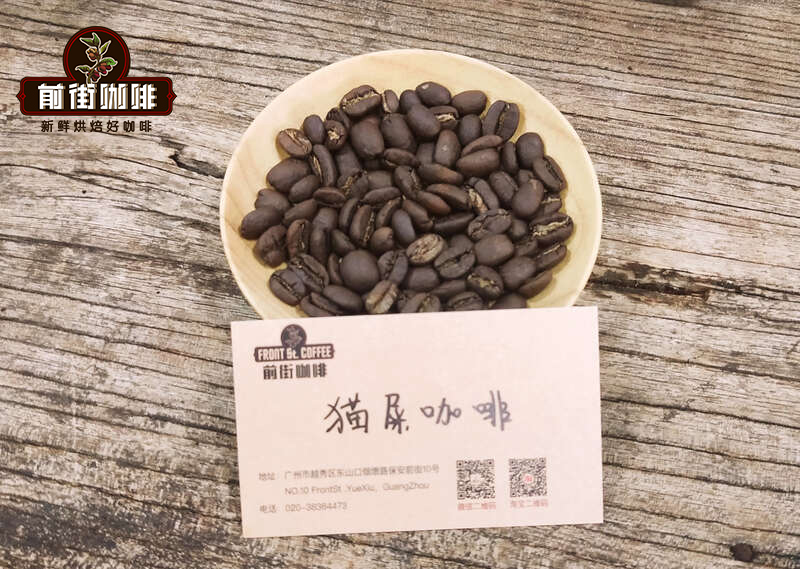
 Kopi Luwak: the name is both familiar and highly controversial among coffee lovers. It is billed as one of the most expensive coffees in the world, with extremely limited annual production and a price that can reach hundreds of dollars per pound. What makes this coffee unique is that the beans undergo fermentation in the civet's digestive tract, producing a distinctive flavor. Yet the ethical controversy surrounding its production has never subsided, especially the caging of civets in commercial farming operations.
 Civets live mainly in the tropical rainforests of Southeast Asia, including Indonesia, the Philippines and Vietnam, usually below 2,100 meters in elevation. They shelter in rock crevices, tree hollows and other hidden spots, and are omnivorous. Although these felines occasionally eat coffee cherries, commercial production mostly uses lower-quality robusta beans, because these are mainly grown at low and medium elevations. Notably, genuinely high-quality arabica beans usually grow at higher elevations and rarely become a food source for civets.
 So what special flavor does Kopi Luwak actually have? Because of the civet's digestive system, enzymes in the digestive juices slightly alter the protein structure of the beans as they pass through the gut. The finished coffee usually shows a rich body with a syrupy, viscous mouthfeel. In terms of flavor, common descriptions include herbal notes, nutty tones, a dark chocolate finish, and a distinctive fermented flavor. However, these characteristics depend heavily on the variety and processing of the original coffee beans.
 Traditional Kopi Luwak production uses the "in-vivo fermentation method"—collecting coffee beans excreted by wild civets. What makes this process unique is that, as the beans pass through the animal's digestive tract, the outer layer is affected by stomach acid and enzymes, which in theory may produce subtle changes in flavor. But modern research has found that, in commercial farming conditions, civets are often forced to eat continuously over short periods, so the beans spend too little time in the digestive tract (usually only 1-2 hours) to produce significant chemical changes. In addition, captive civets are generally in poor health because their natural diet is artificially altered.
From a technical standpoint, can this special processing method be replicated? With advances in food science, researchers are exploring microbial fermentation techniques to simulate the process. Preliminary experiments suggest that by precisely controlling specific strains and fermentation conditions, it may be possible to produce similar mouthfeel characteristics while avoiding animal-welfare controversies. If this method can be successfully commercialized, it will offer the market a more sustainable alternative.
 For enthusiasts who want to try brewing Kopi Luwak, professional advice is to use a medium-dark roast to highlight its rich character. The roast level affects bean density and extraction characteristics; medium-dark roasted beans usually require a slightly higher water temperature (86-87°C recommended) and a medium grind (similar to granulated sugar). When brewing, keep the coffee-to-water ratio at 1:15, pour slowly with a coarse stream to avoid over-extraction. Devices that retain more oils, such as the KONO dripper, are generally better suited to this type of coffee and can better showcase its rich layers of mouthfeel.
 Specific brewing parameters for reference: use 15 grams of ground coffee, pour 30 grams of water and let it bloom for 30 seconds, then pour in a slow circular stream to 125 grams, pause, and when the water level drops continue pouring to 225 grams to complete extraction, with a total time of about 2 minutes. This staged extraction method helps balance body and flavor clarity. In terms of flavor, high-quality Kopi Luwak usually presents a herbal base, accompanied by nutty aroma and a dark chocolate finish, along with a distinctive fermented note.
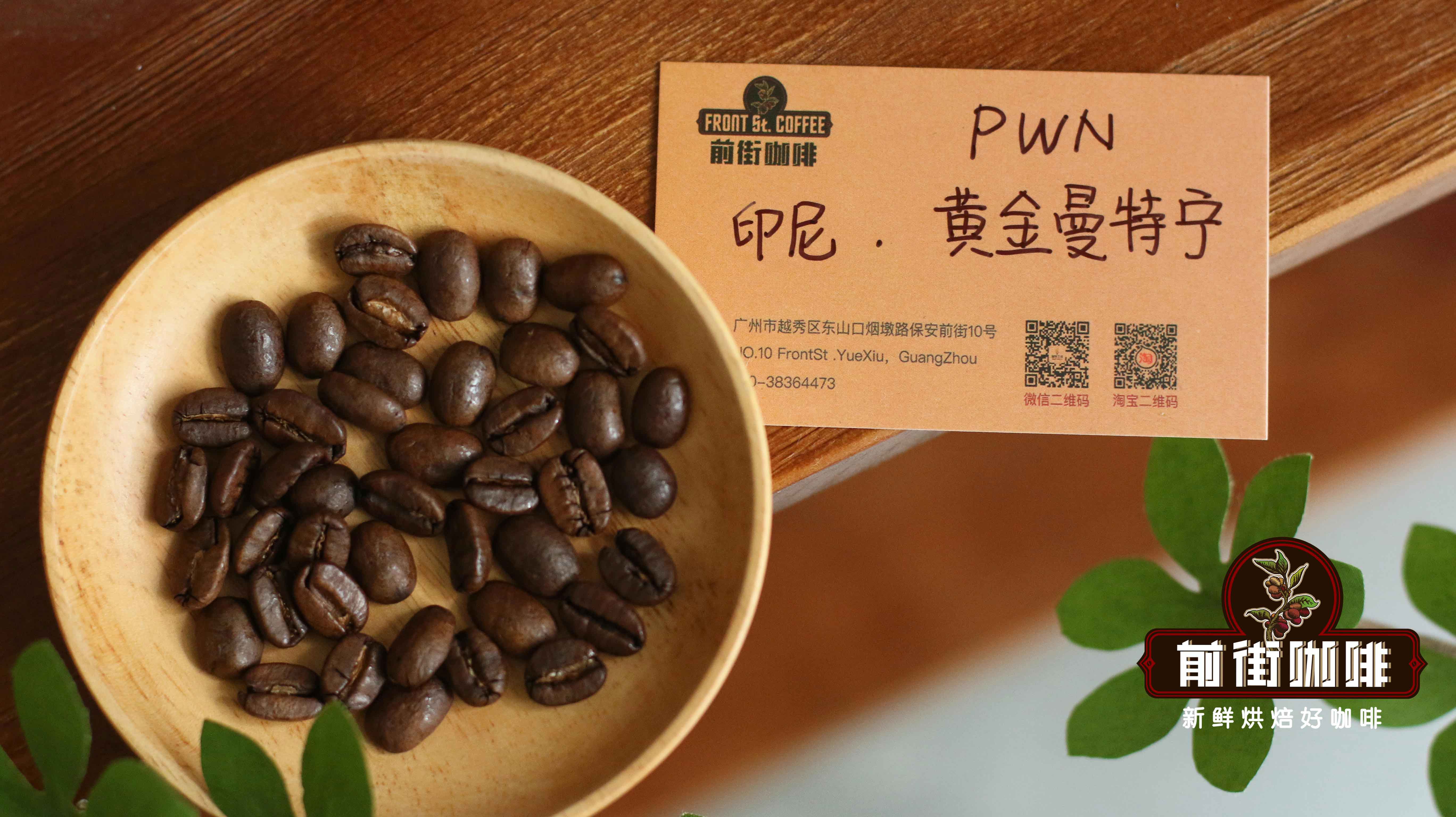
 It should be noted that although Kopi Luwak attracts much attention for its unique production process, many coffee professionals do not recommend drinking it regularly, given value for money and animal welfare. The market offers many high-quality alternatives, including Panama Geisha (known for its floral aroma), Ethiopia Hachira (showing bright fruit acidity and black tea notes), Brazilian coffee (offering a balanced nutty and caramel flavor), and Indonesia's Golden Mandheling (with pronounced full body and low acidity).