Natural Process Coffee Beans: Processing, Flavor and Pour-Over Guide
Introduction: The natural process, the oldest coffee processing method, gives beans distinctive tropical fruit notes and a full body. This article breaks down the complete natural drying workflow, explaining the technical points of each stage from fresh cherry sorting to warehouse management, comparing typical flavor profiles across origins, and providing professional pour-over recipes and parameter recommendations to help you fully master the essence of this classic processing method.
 The natural process, as the most traditional processing method in the coffee supply chain, holds an important position thanks to its simple workflow and distinctive flavors. This technique, which relies entirely on sun drying, maintains an irreplaceable place in the global specialty coffee system, especially showing unique advantages in dry, low-rainfall high-altitude regions.
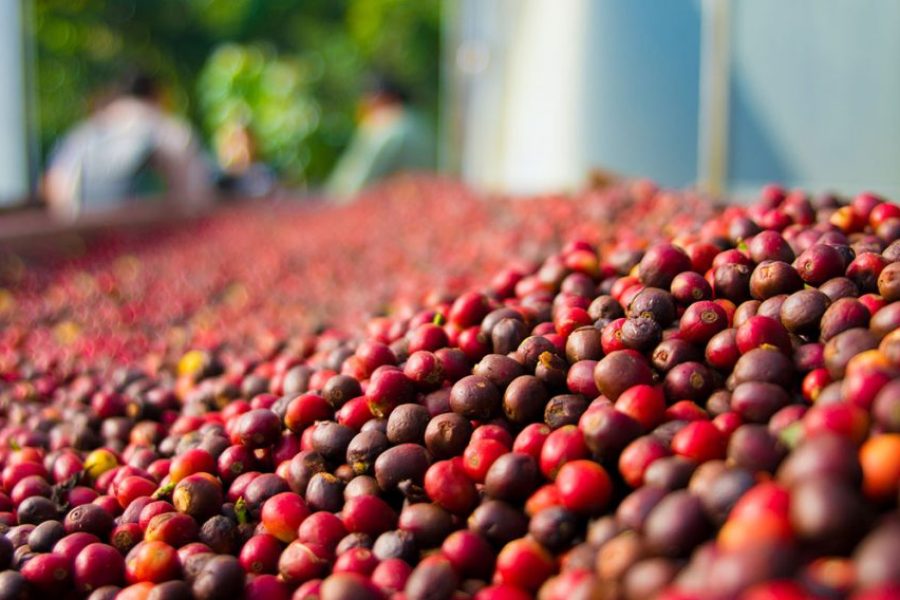
The entire natural process begins with the carefully sorted fresh cherry stage.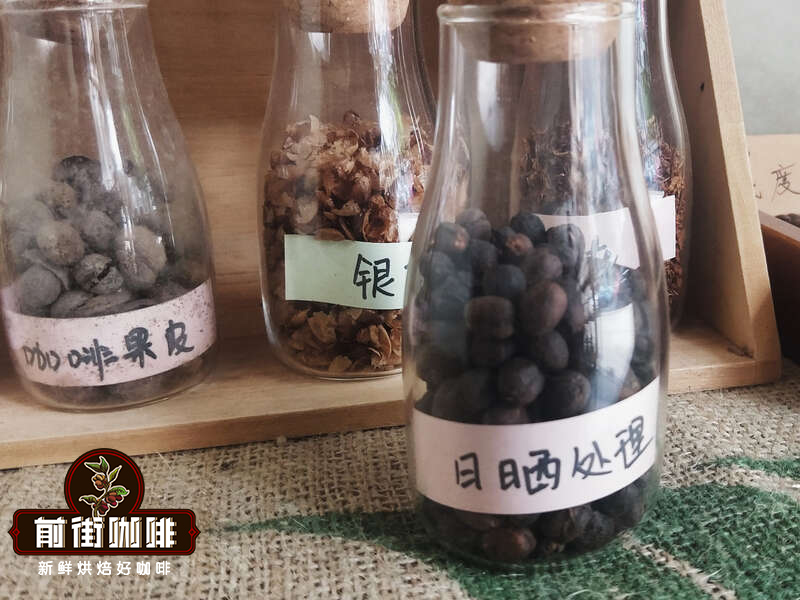 Coffee cherries with unripe, overripe, and pest- or disease-damaged fruits removed by hand must undergo 27-30 days of natural drying under consistently sunny weather. Professional processing stations typically use raised drying beds or waterproof canvas platforms to ensure the fruit is evenly heated while preventing moisture from seeping up from the ground. Note that when daily sunlight intensity exceeds 8000 lux, shading is recommended around midday to prevent the mucilage layer from hardening too quickly.
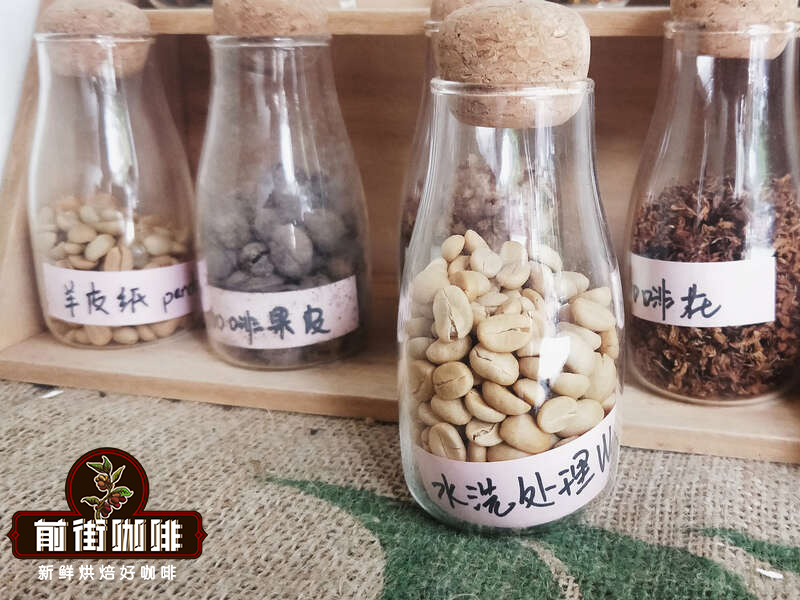 In sharp contrast to the traditional natural method is the washed process (as shown), in which the mucilage layer is removed in fermentation tanks before mechanical drying; this difference directly creates the fundamental distinction in flavor between the two methods. The honey process lies between the two, retaining part of the mucilage for temperature-controlled drying.
Standardized natural processing involves four core stages: first, raw material pretreatment, in which skilled workers must complete three rounds of sorting within 6 hours of picking—an initial screening to remove twigs, leaves, and other debris, a second hand sorting to identify poorly developed fruits, and finally density flotation to separate defective beans. Next comes the key drying stage, spreading the whole coffee cherries in a 3-5 cm layer and turning them at least 4 times a day to ensure even heating. Environmental temperature and humidity monitoring shows that the optimal drying conditions are an average daily temperature of 28-32°C and relative humidity below 60%, during which the beans' moisture content must gradually drop from an initial 65% to a safe threshold of 11±1%.
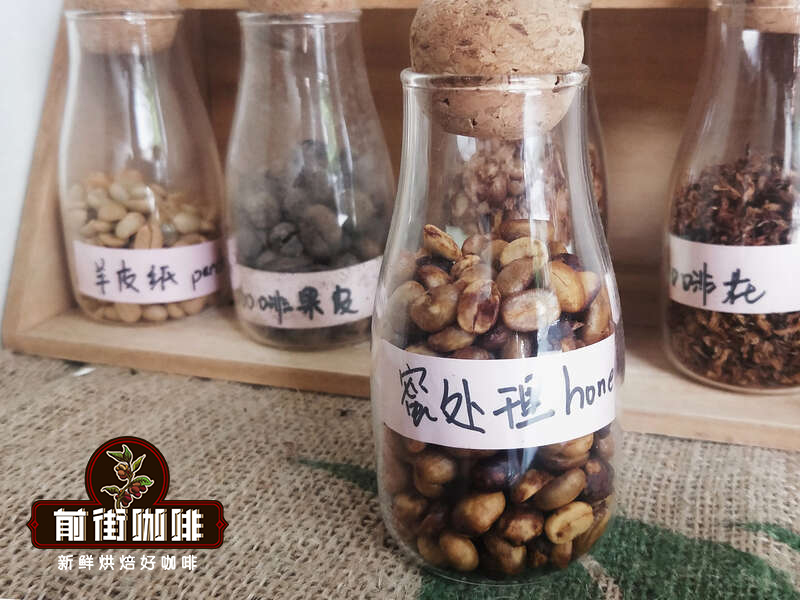 Once drying is complete, the dried fruit and seed enters the hulling stage; professional hullers remove the hard, dry parchment layer with friction rollers, and some high-end production lines add a polishing step to enhance the green beans' luster. The final sorting stage combines optical sorters with manual re-inspection to remove broken, insect-damaged, and discolored beans, ensuring a defect rate below 3% for each batch of green coffee.
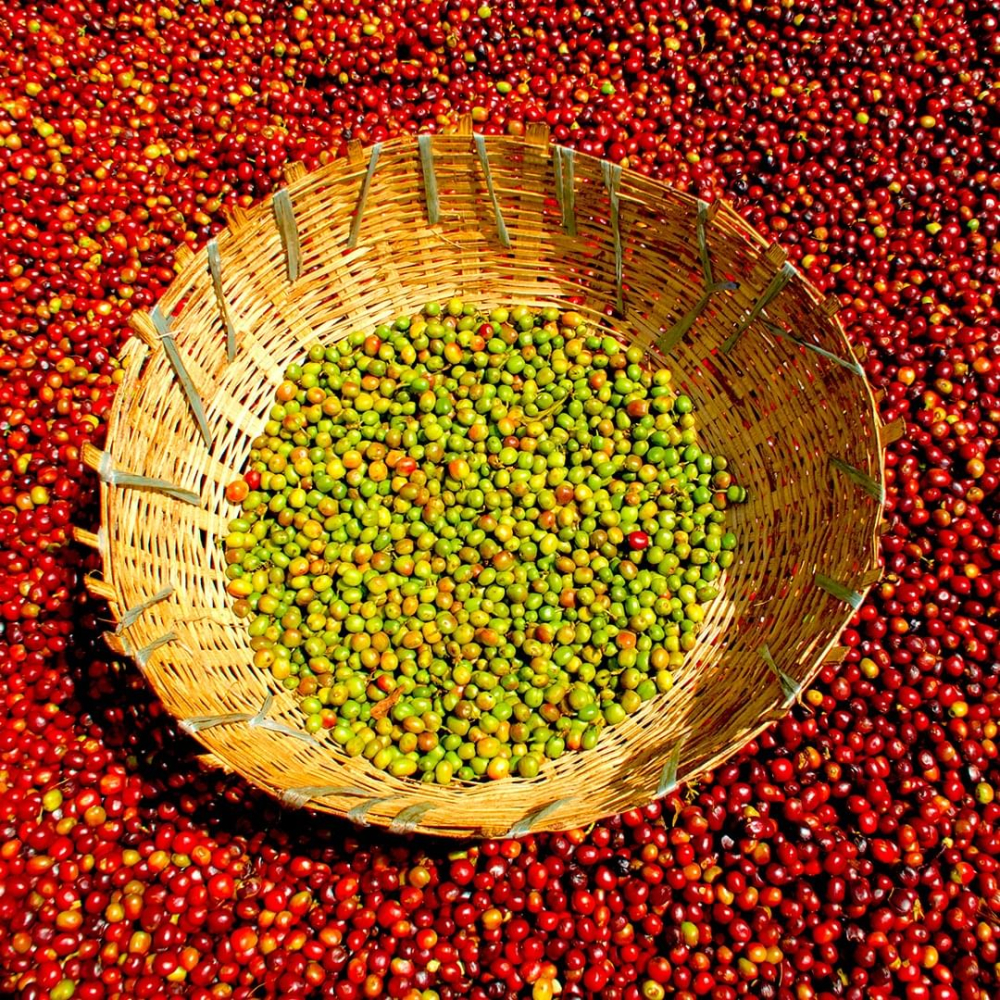 Take the Ethiopian highlands as an example, where the local microclimate creates an ideal environment for natural processing. On plantations at 1,900-2,000 meters, annual rainfall is concentrated in the rainy season, and the dry season lasting up to 8 months makes natural drying the inevitable choice. Growers place the harvested coffee cherries on raised mesh beds (about 1.2 meters high), where the day-night temperature difference promotes sugar concentration—a technique that produces a highly recognizable tropical fruit character.
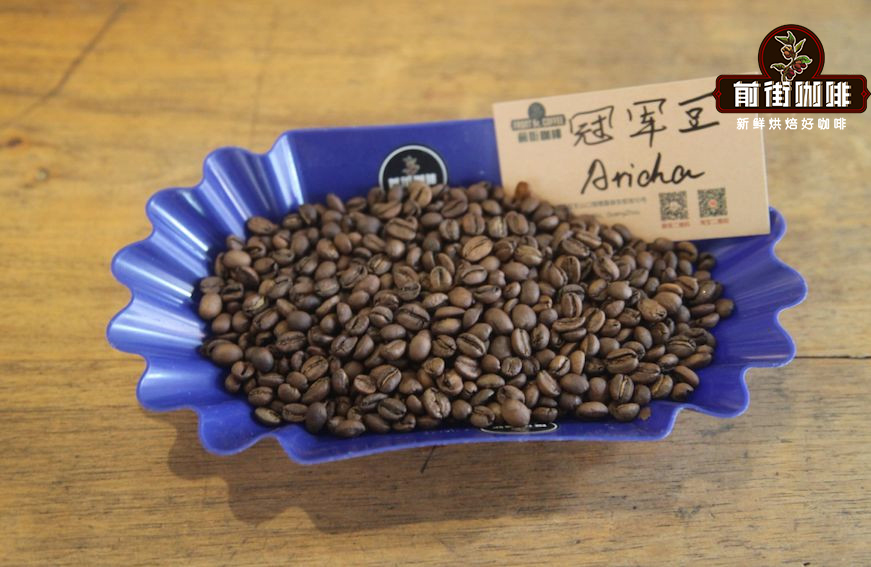
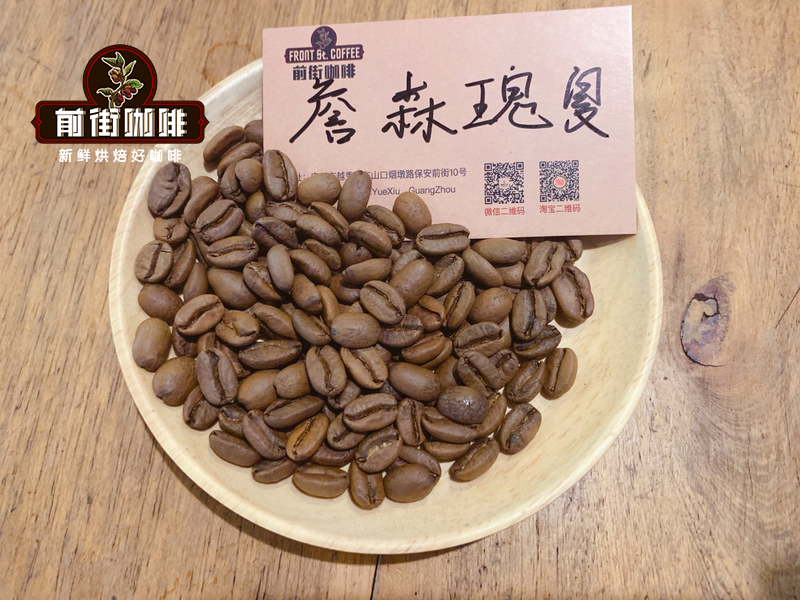
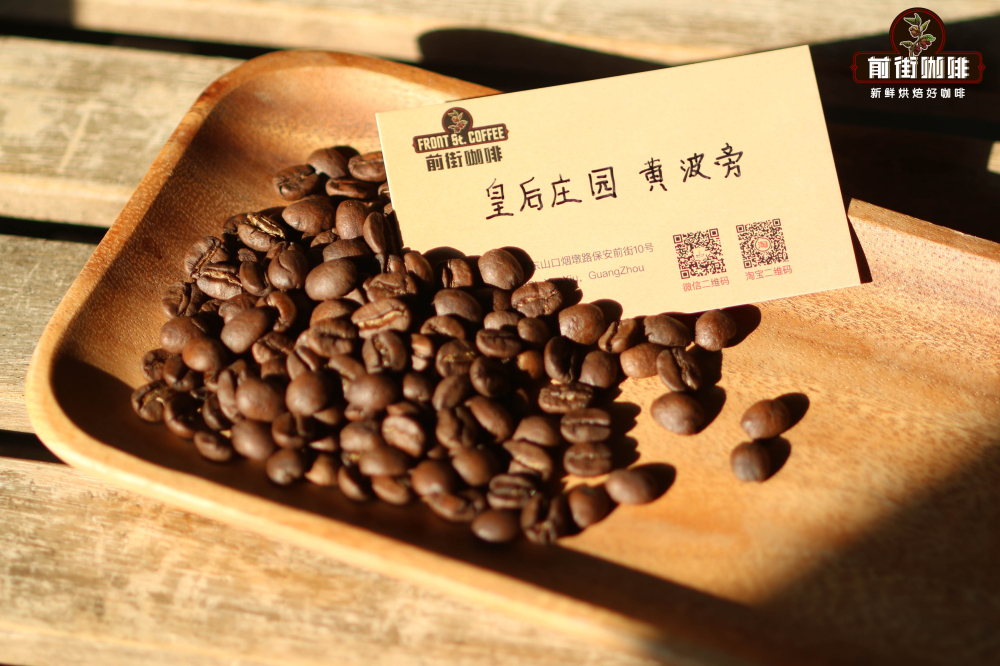
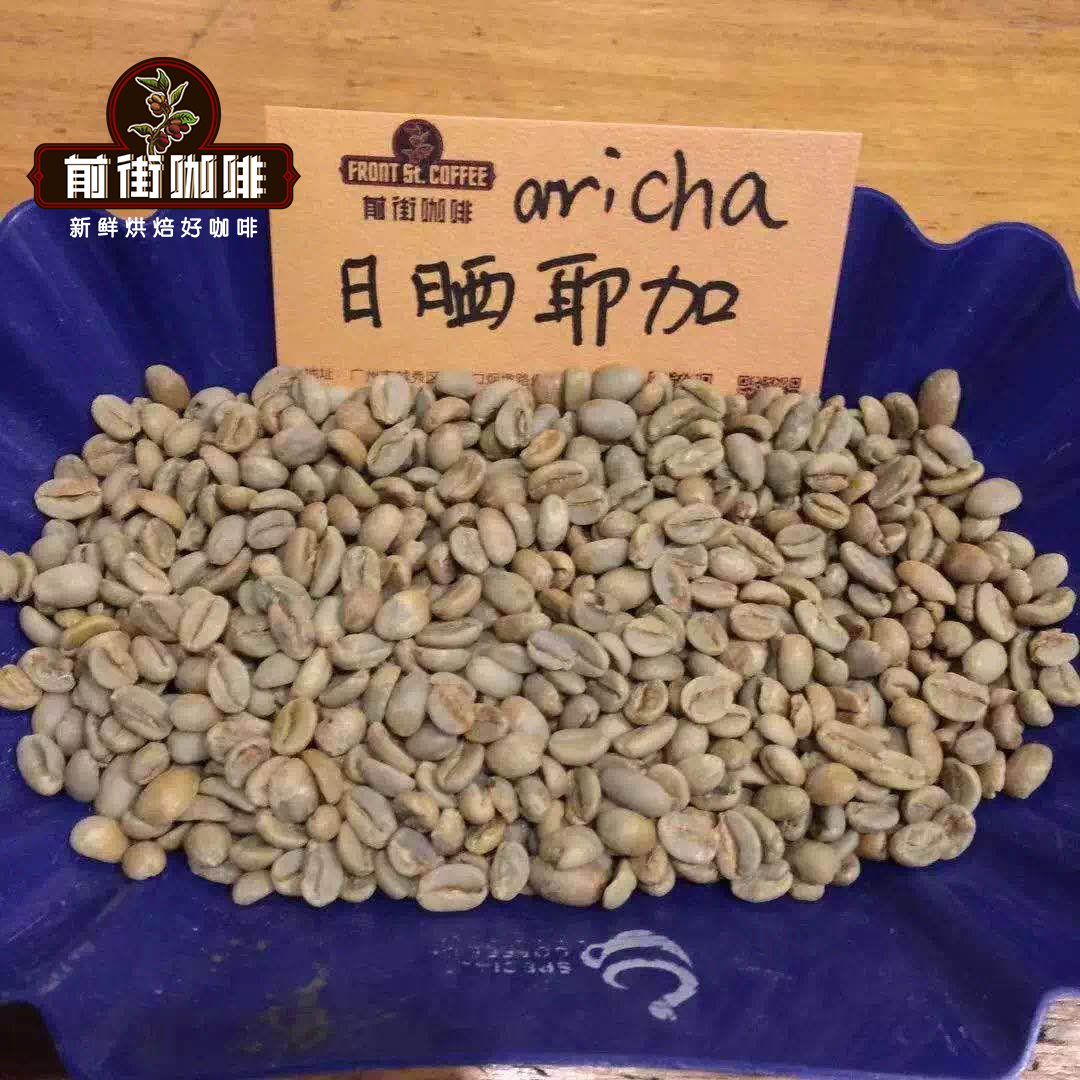
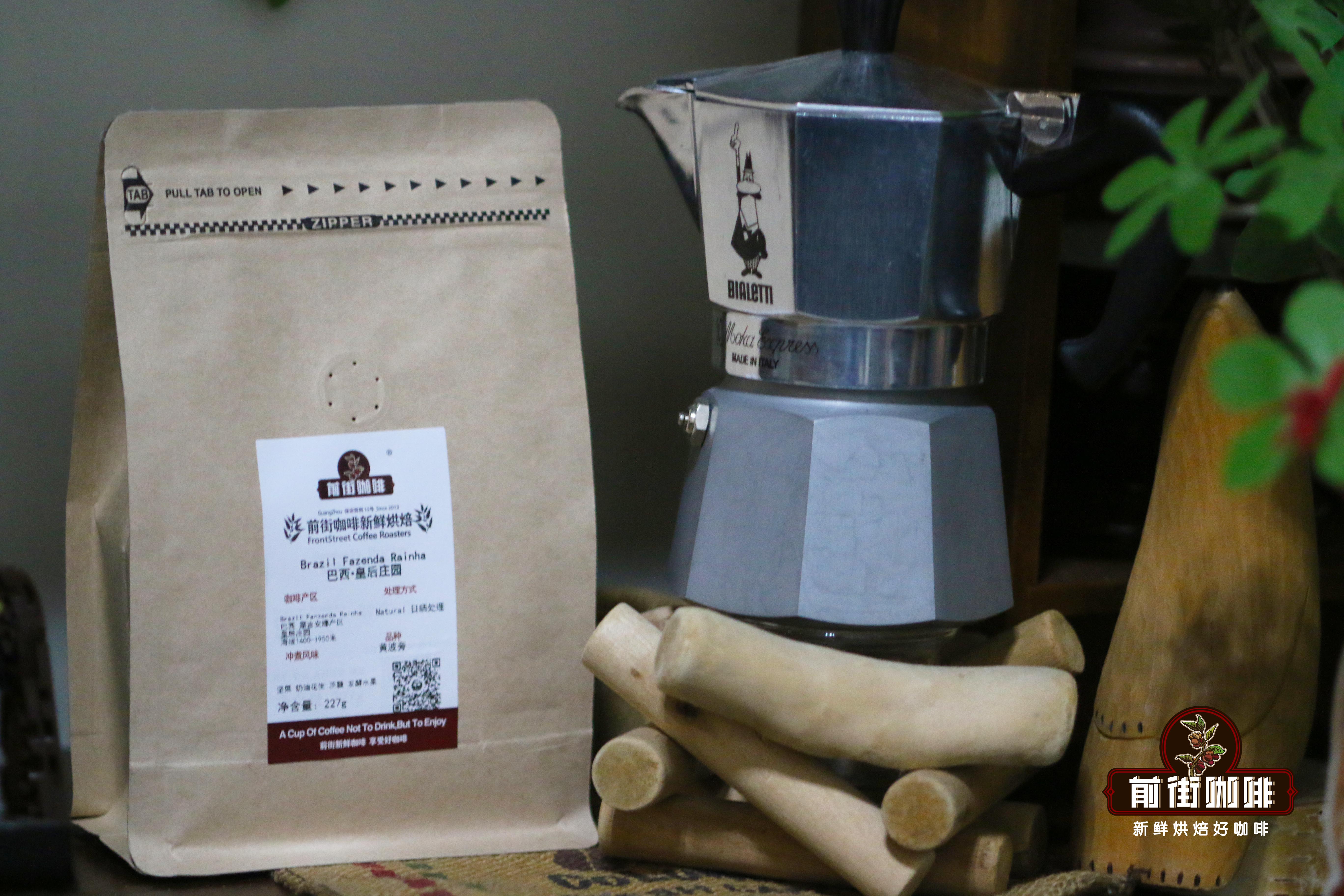
Actual brewing tests show (parameters: V60 dripper / 1:15 coffee-to-water ratio / 90°C water temperature) that natural beans from different origins present significant flavor differences: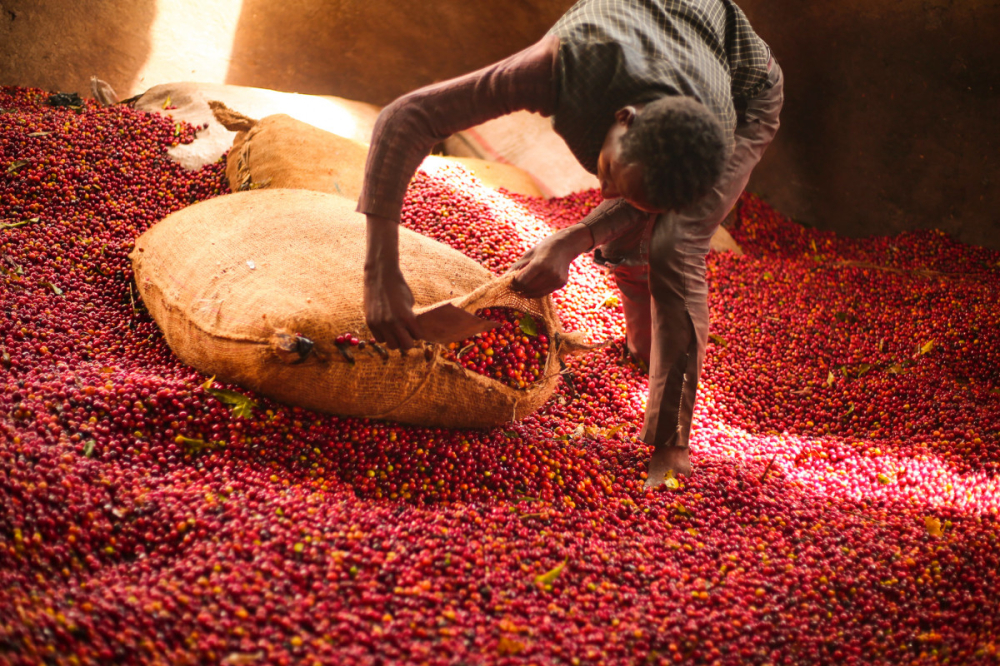 Ethiopian natural Yirgacheffe Aricha shows bright fermented fruit aromatics with layers of green grape and grape juice; Panama Geisha Hacienda La Esmeralda beans release a complex fruit character over a maple syrup base, with a multidimensional collision of lemon citrus and dark berries; Brazil Fazenda Rainha Yellow Bourbon is led by a nutty base, with black chocolate flavor running through the finish. Grind size should be adjusted to bean characteristics; natural beans, being denser, usually need to be ground 10-15% finer than washed beans.
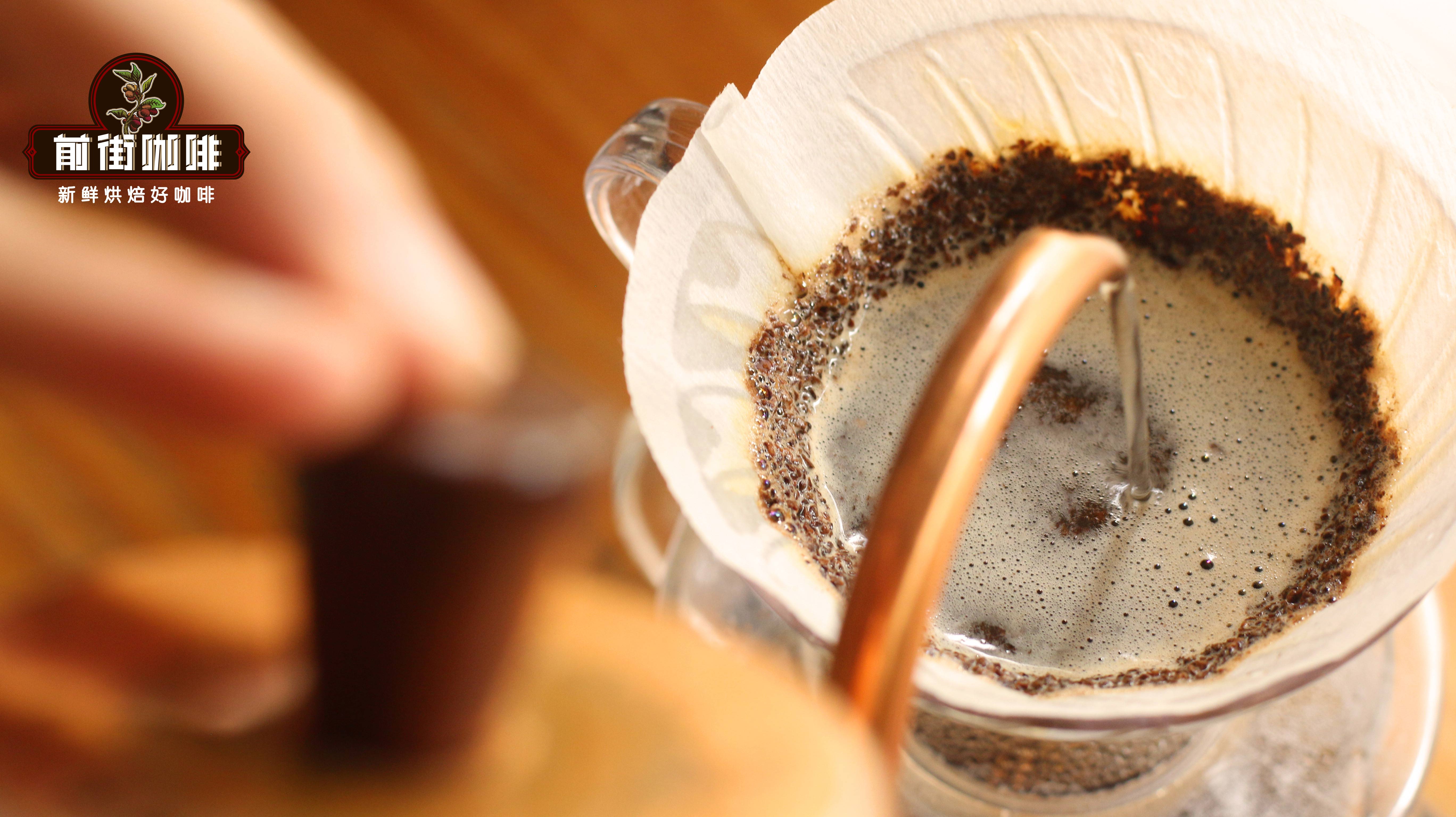
 Professional baristas recommend a three-stage pouring method to optimize extraction: the first stage uses 30 g of water for a 30-second bloom to activate aromatic compounds; the second stage pours 125 g in circles until the water level drops by one third; the final stage tops up to 225 g to complete extraction. Note that because natural beans retain more mucilage, it is recommended to extend the resting period to 14-21 days so that internal chemical reactions reach equilibrium.
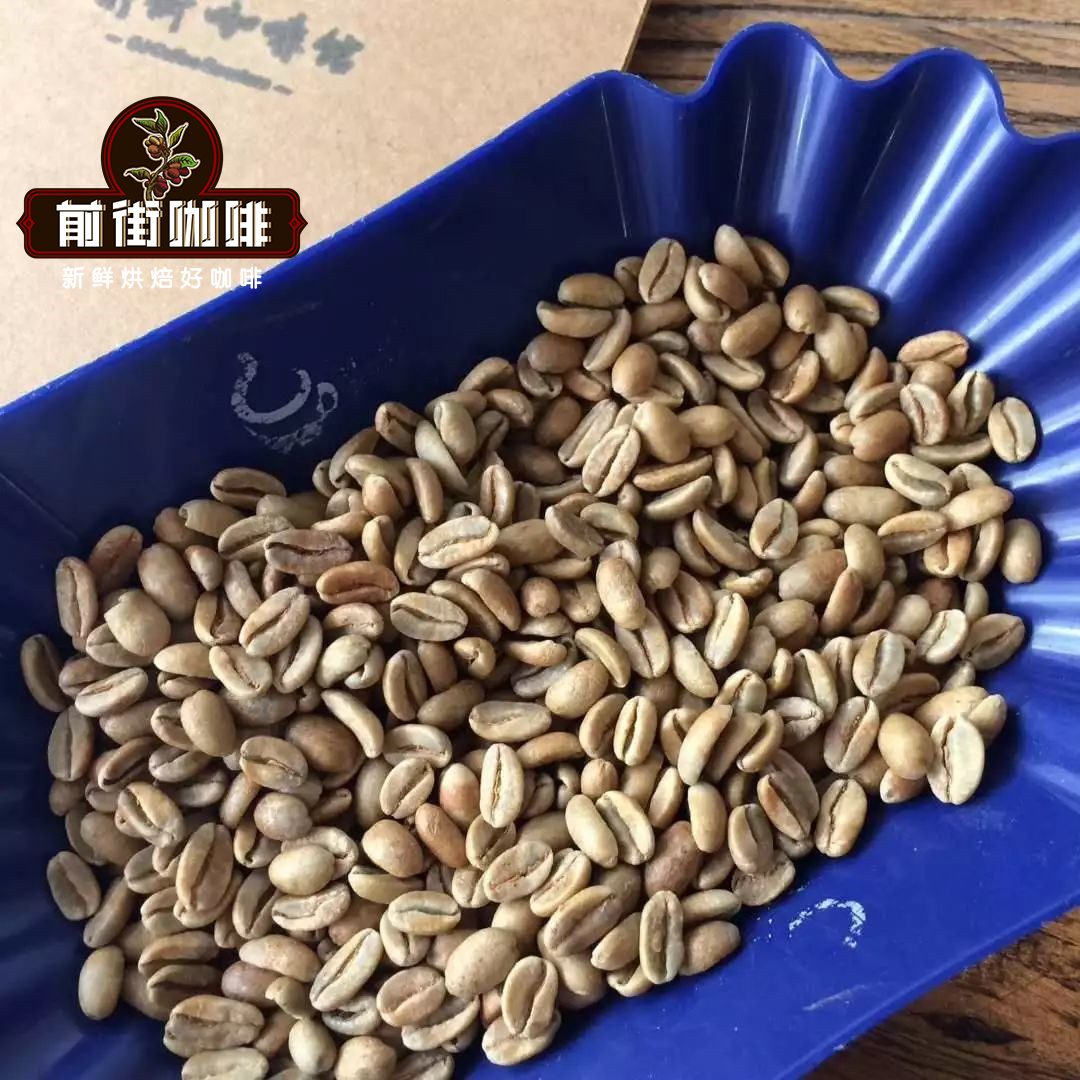 For home users, three key indicators should be noted when buying natural coffee beans: the green beans should be blue-green in color with no obvious mold spots; the ground aroma should combine fermented wine notes with fruity sweetness; and the brewed crema should be amber and last more than 30 seconds. For storage, use aluminum foil bags with one-way degassing valves and keep them in a light-free environment at 18-22°C.
 Comparative experiments show that high-quality natural beans typically score 84-87 in cupping (SCAA standard), with body 20-30% higher than washed beans from the same origin and softer, rounder acidity. This processing method is particularly suited to coffee lovers who prefer a full mouthfeel and complex fruit aromas, and it is also an ideal choice for making cold brew.