Espresso Extraction Time Guide: Standard Duration and Flavor Balance Tips

Introduction: Master the core parameters of espresso extraction, from standard time control to concentration ratio adjustment, to help you precisely balance sweetness and bitterness. This article explains the 8%-11% ideal concentration range, the 18%-22% golden extraction yield, and the flavor compound release patterns at different stages, plus practical tips to avoid over-extraction and under-extraction.
Coffee concentration directly determines flavor intensity and refers to the proportion of dissolved solids in the total weight of the coffee liquid. The typical concentration range of espresso is 8%-11%, which is also the key reason for its rich mouthfeel; by comparison, American drip coffee usually has a concentration of only 1.15%-1.4%, a striking difference.
The dissolution rates of coffee's soluble components differ markedly: acidic substances and organic salts dissolve first, bringing fresh flavors such as citrus and berry; next are aromatic compounds produced by the Maillard reaction and caramelization, presenting warm notes such as nut and caramel; finally, heavy molecules such as lignin are released, which may produce a smoky or woody aftertaste. Understanding this order is crucial for controlling extraction time.
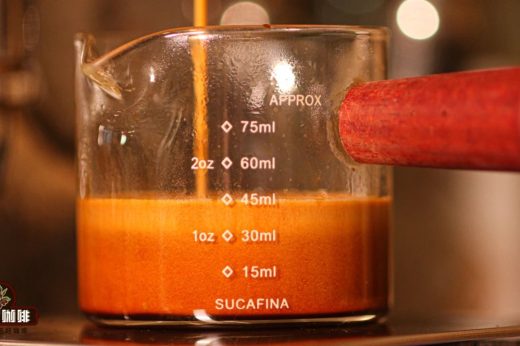
A common mistake in espresso extraction is insufficient time—many consumers shorten extraction because they worry about bitterness, but end up sacrificing the sweetness they should have. In fact, the ideal extraction time for espresso is usually 20-30 seconds (adjusted according to grind fineness), too short leads to a thin flavor, while too long may cause the astringency of over-extraction.
Judging extraction quality requires attention to two core indicators: concentration (TDS) and extraction yield. Concentration is the proportion of soluble solids by weight in the coffee liquid, while the extraction yield formula is TDS divided by the dose of coffee grounds (for example, using 20 grams of grounds to extract 40 grams of coffee liquid, with a measured TDS of 10%, the extraction yield is 10/20=50%, but note this is a simplified example). Professional recommendations are to keep the extraction yield within the 18%-22% range; outside this range, off-flavors or sourness and astringency are likely to appear.
In practice, it is recommended to observe changes through staged extraction: the coffee liquid flowing out in the initial stage is darker and flows faster, a signal of concentrated release of acidic and aromatic substances; the middle stage should show an even golden color and stable flow rate, when sweet compounds are fully dissolved; if the liquid suddenly becomes lighter or the flow rate accelerates in the final stage, it may indicate a risk of over-extraction. Adjusting grind size and dose can effectively optimize these parameters.
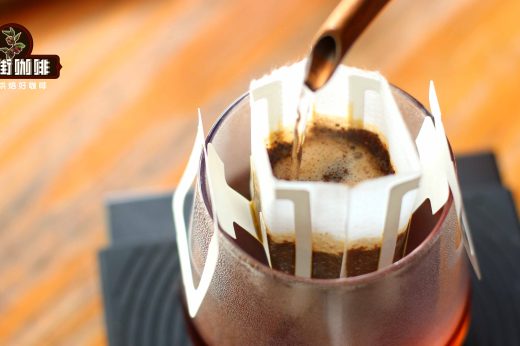
Although different extraction methods share the ideal extraction yield range of 18%-22%, their specific parameters differ noticeably. For example, espresso relies on high-pressure rapid extraction (completed under 9Bar pressure), while pour-over coffee achieves similar concentration by extending contact time (usually 2-4 minutes). After mastering these basic principles, you can fine-tune parameters according to personal taste preferences—for bright acidity, appropriately shorten the time; for a fuller body, extend extraction by a few seconds.