Espresso Extraction Time Explained: The 25–30 Second Golden Window and Flavor Control
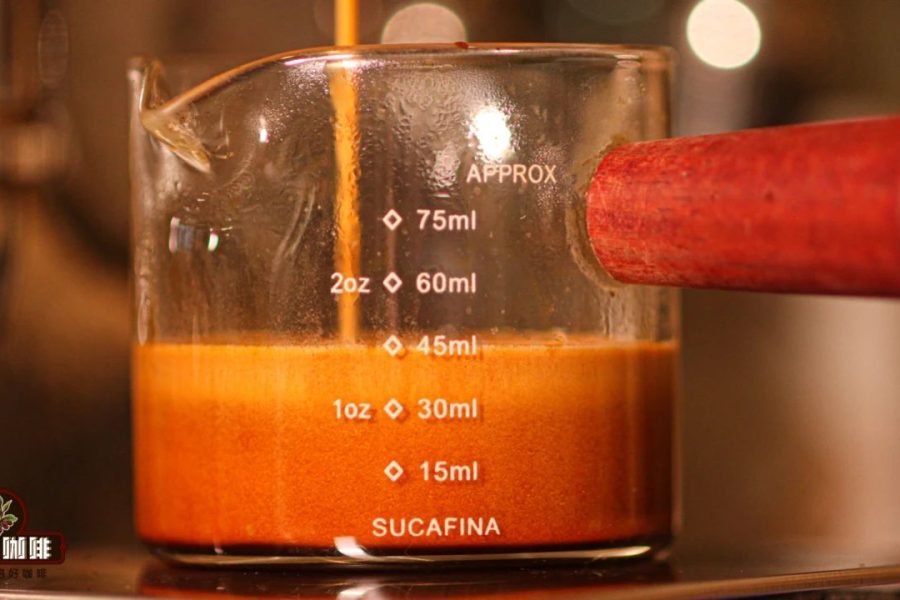
Introduction: Within espresso's 25–30 second extraction window, every single second can change the flavor direction of the whole cup. This article takes apart the triangular relationship between dose, grind size and time, reveals the practical balance point of the golden cup theory's 18–22% extraction yield, and through cases of parameter adjustment for beans of different roast levels, helps you master the core techniques for consistent output.
From the start of the pour to the end of timing, a complete espresso extraction usually takes just over 20 seconds. But in this fleeting process, every second added or removed significantly affects the coffee's body and flavor layers. To understand this time sensitivity, one must simultaneously master the three core variables: dose ratio, grind fineness, and coffee-to-liquid ratio.
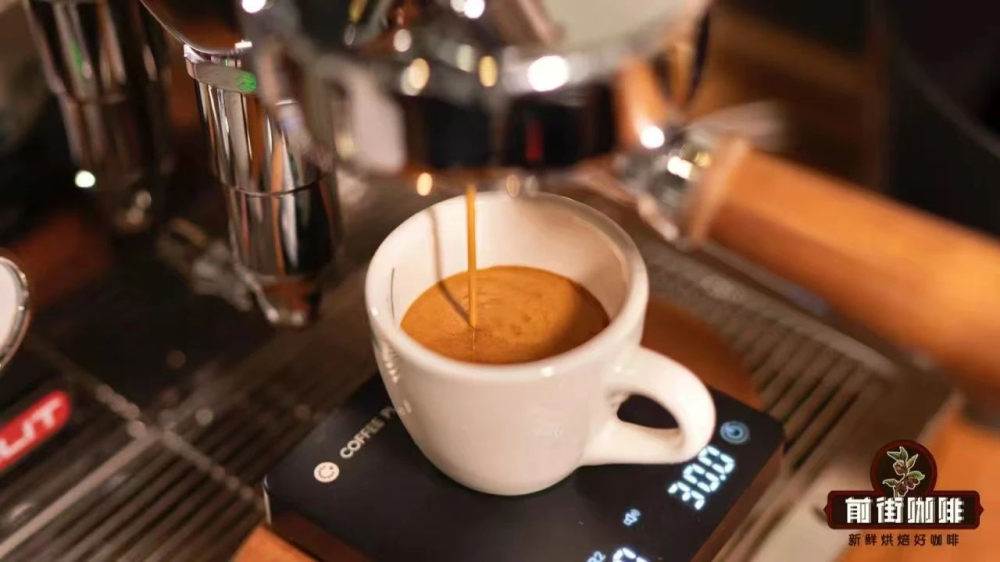
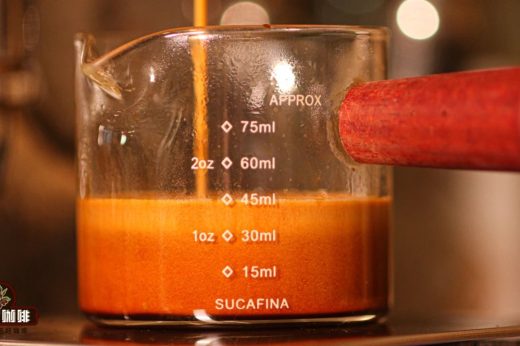
Professional baristas define the ideal range through the golden cup extraction standard: when the soluble substances in the coffee grounds dissolve into the water at a ratio of 18%–22%, rich aromatic compounds are preserved while the bitterness of over-extraction is avoided. The key tool for achieving this balance is precisely controlled extraction duration—with a fixed 1:2 coffee-to-liquid ratio, the most efficient tuning path is to anchor the extraction time in the 25–30 second range by jointly adjusting the grind setting and the dose.
The influence of the time dimension on flavor shows a clear polarization: below 25 seconds, the water flows too fast, so acidic substances do not fully dissolve, producing a thin and sharply sour liquid; beyond 30 seconds, large molecules are over-extracted, producing obvious burnt and drying sensations. In practice, it has been found that controlling the endpoint at 29–30 seconds balances the integrity of flavor compounds with smoothness of mouthfeel, and is especially suited to recipes that need to highlight complexity.
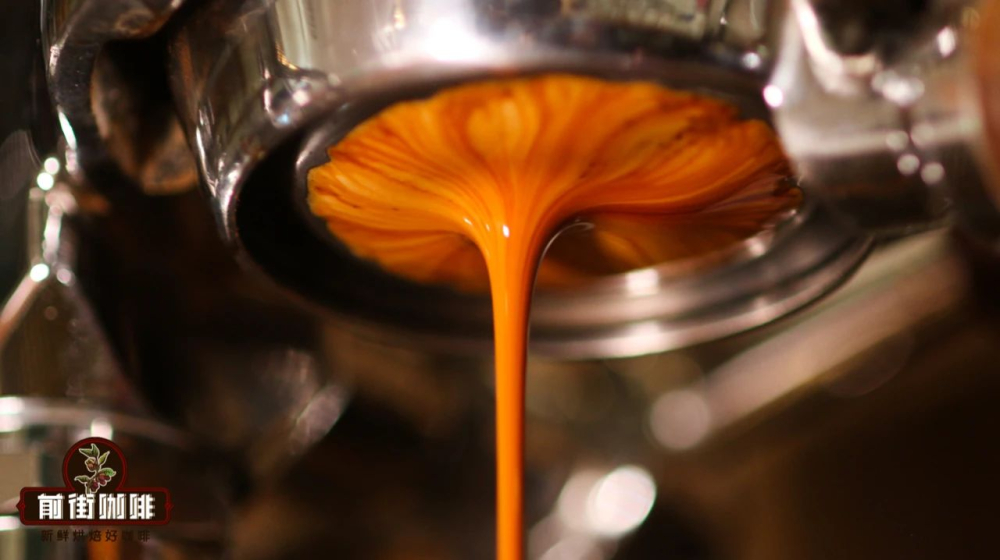
Baseline parameters need flexible adjustment for specific bean characteristics. For example, for medium-light roasted coffees dominated by citrus notes (such as naturally processed Ethiopian lots), extending appropriately to 32 seconds can make the floral and fruity aromas more three-dimensional; dark-roasted beans, because of their loose internal structure, only need the standard duration to prevent charred notes from standing out. Observing flow rate changes is an important auxiliary method—when the coffee drips at a rate exceeding 3 drops per second for three consecutive seconds, it usually means the grind needs to be tightened or the dose increased.

The choice of dose directly determines puck density and extraction pressure. When a standard double portafilter is fitted with an 18–20 gram basket, a 20-gram dose paired with a 40-gram liquid output is a common industry baseline (corresponding to a 1:2 ratio). Single-shot mode uses an 8–9 gram dose to produce 25–30 grams of coffee liquid. Note that differences in the actual capacity of baskets may cause parameters to fluctuate; it is recommended to run a blank test when using new equipment for the first time.
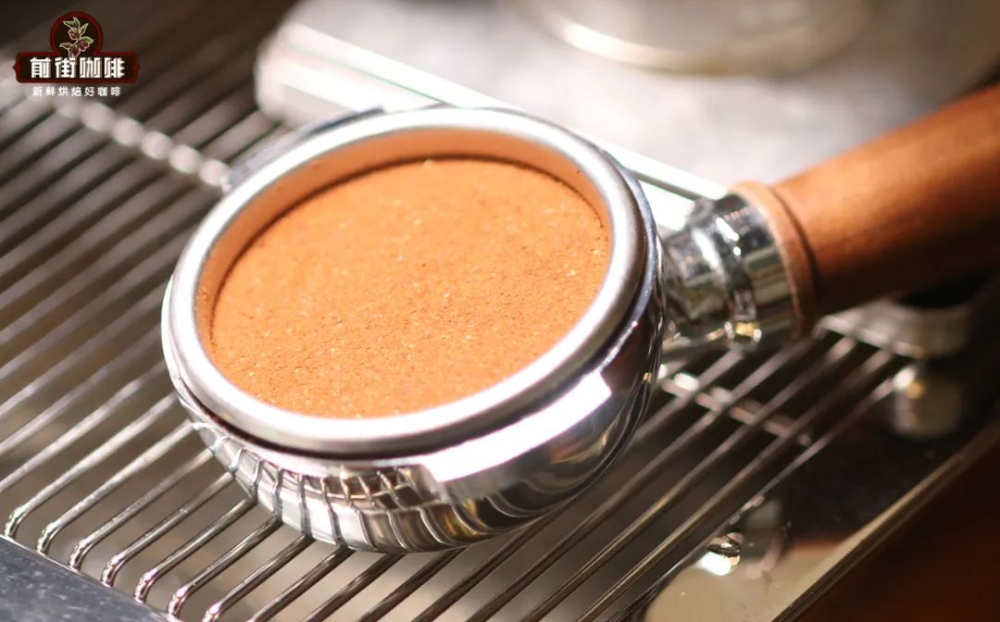
Fine-tuning the dose and controlling flow rate are linked: increasing the dose raises the puck's compression ratio, extending water penetration time by about 2–3 seconds; conversely, reducing the dose may cause channeling and local over-extraction. Observing the state of the golden crema at the start of extraction is also key—fine, dense crema usually reflects a stable extraction environment.
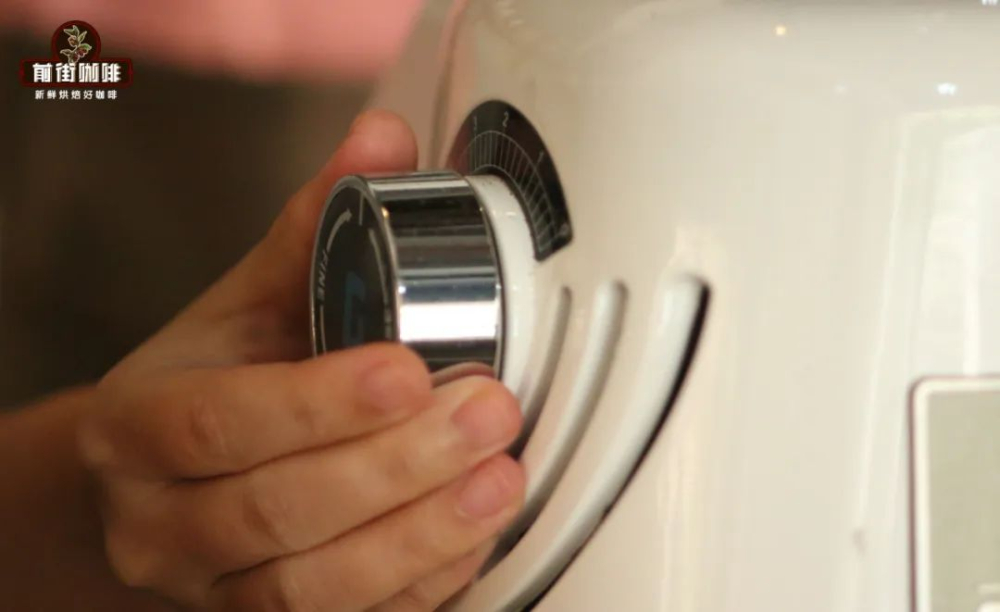
Grind adjustment is the tool for real-time correction. When the coffee liquid looks pale and flows too fast (completing in under 25 seconds), the burrs need a slight adjustment toward a finer setting and residual grounds should be cleaned out; if a dark brown stream appears with slow dripping (over 35 seconds), correct toward a coarser setting. Note in particular that adjustments to an espresso grinder should progress in units of 1/4 turn; drastic changes will break the extraction curve.

Comprehensive tuning follows the principle of "sensory priority": regular slurping tests are more valuable than relying on time alone. If you taste a sharp burnt bitterness but the strength is normal, first try coarsening the grind by 0.5 step; for a flat, weak mouthfeel, you can simultaneously increase the dose by 0.5 grams and check the puck's tamping. It is recommended to change only one variable at a time and record the results, building a personalized parameter database.
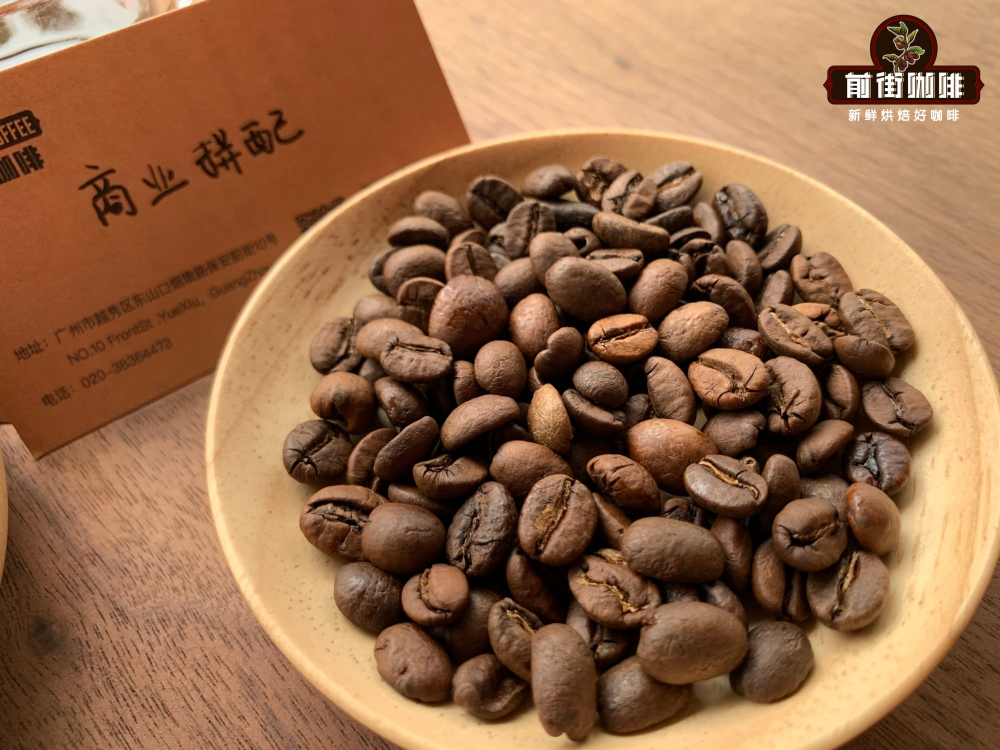
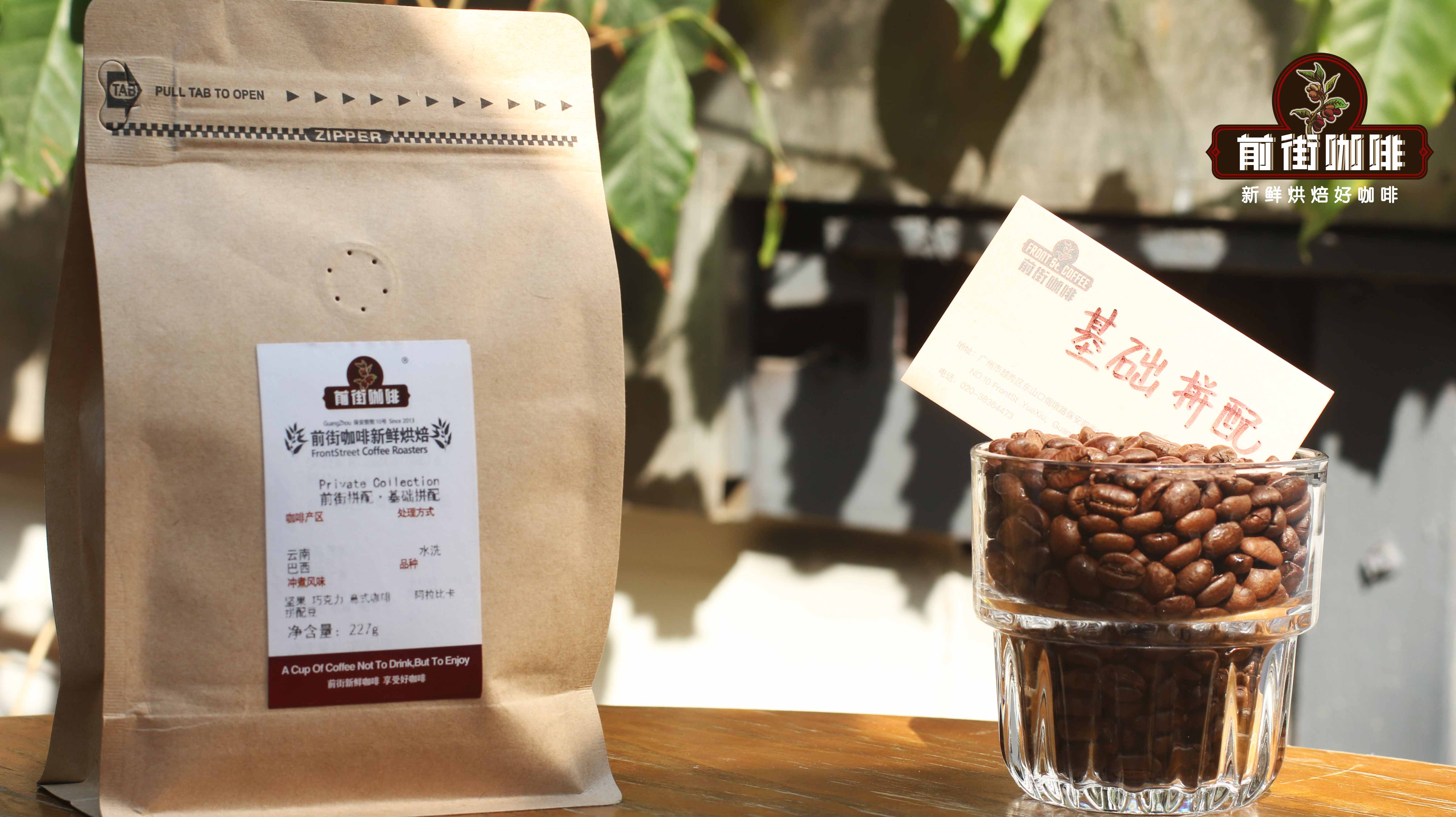
For beginners, choosing a suitable espresso blend can reduce tuning difficulty. Medium-dark roast composite recipes usually have a wider margin for error—their rich caramelized substances buffer the negative effects of parameter deviations. Avoid directly using extremely light-roasted single-origin beans; such beans are extremely sensitive to changes in time and temperature and require more precise equipment control capability.
Mastering the code of espresso extraction requires understanding the dynamic balance among parameters. Remember that 25–30 seconds is only a baseline framework; the real goal is, through continuous observation and adjustment, to let every cup of coffee show its unique flavor personality and consistent quality performance.