Light Roast Coffee Beans: Pour-Over Guide to Floral and Fruity Notes
Introduction: Light roast coffee is often misunderstood as having only a sharp, sour taste, but it actually contains rich floral and fruity notes and layers. This article explains the definition of light roast beans and their core flavor characteristics, selects five high-quality beans that combine citrus, berry and tea notes, and provides three-pour pour-over parameters and practical tips to help you precisely control water temperature, grind size and pouring rhythm, avoid bitterness caused by over-extraction, and easily present a bright and refreshing coffee flavor.
For pour-over coffee enthusiasts, roast level is one of the key factors affecting flavor presentation. Light roast beans retain more original flavor compounds and can display unique fruit aromas and lively acidity during brewing, making them the first choice for people seeking a fresh taste. But many beginners are often confused: are light roast coffees destined to be sour and hard to drink? How can brewing adjustments bring out their best state?

The definition of light roast needs to be understood from the coffee bean roasting process. After green beans enter the roaster, they successively go through the dehydration and yellowing stages, then reach first crack (the bursting sound when steam pressure inside the bean breaks through the shell). The drop time for light roast beans is locked in the period from the middle to the end of first crack—at this point the bean core temperature is about 195-205°C, organic acids have not yet been completely decomposed by high heat, and natural components such as citric acid and malic acid are retained, giving the coffee a bright acidity base, while the amount of bitter substances produced is relatively low, and the overall flavor is mainly floral and fruity aromas, honey sweetness and a light tea note.

When choosing light roast beans, it is recommended to prioritize origins and processing methods with clear fruit flavors. For example, high-altitude Ethiopian beans often carry bright fruit aromas such as citrus and blueberry; Kenyan beans, due to the characteristics of the SL28/SL34 varieties, easily present the unique sweet-and-sour notes of smoked plum and cherry tomato; Panama Geisha, through natural or washed processing, releases tropical fruit notes such as rose and mango. These flavor types are more easily and fully extracted through pour-over under light roast conditions.
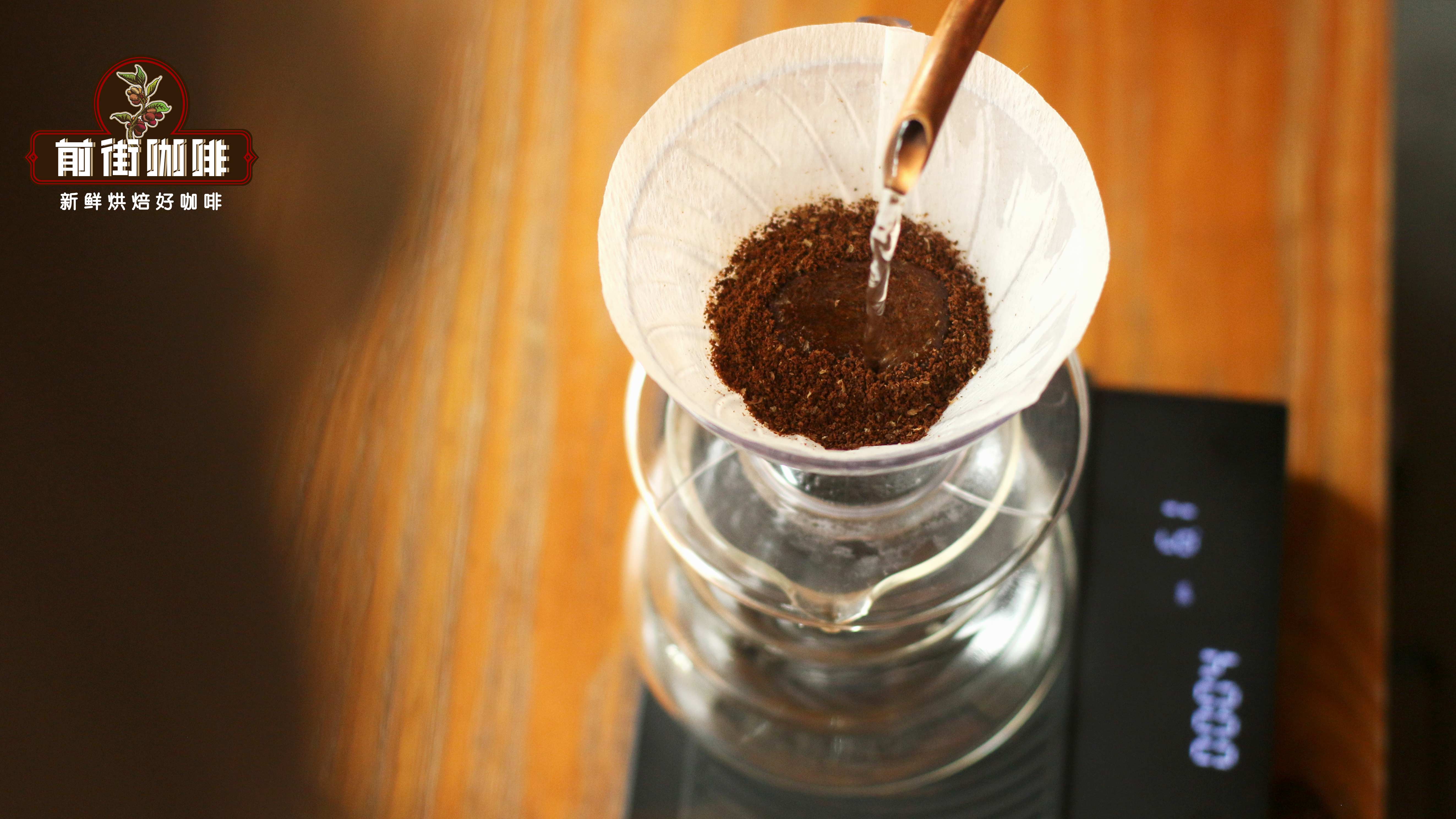
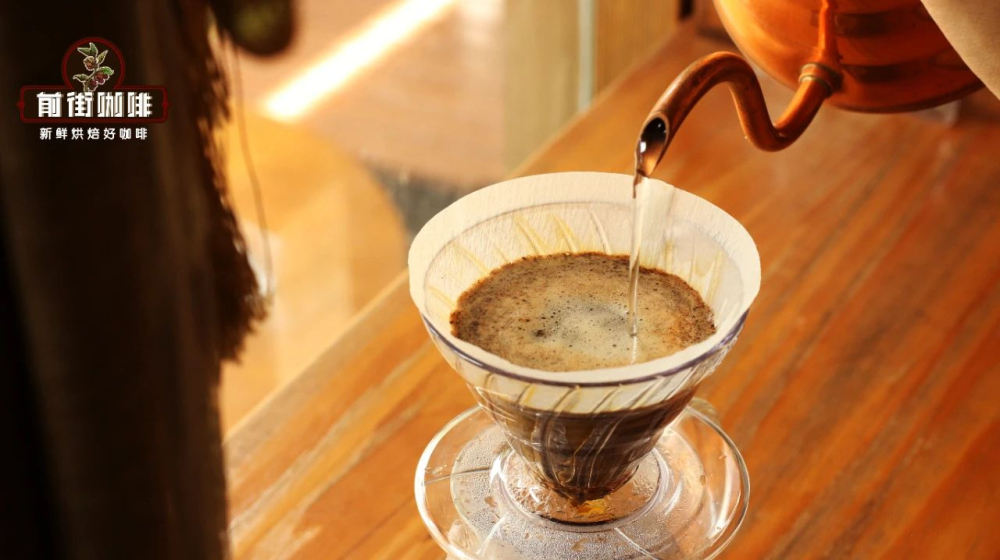
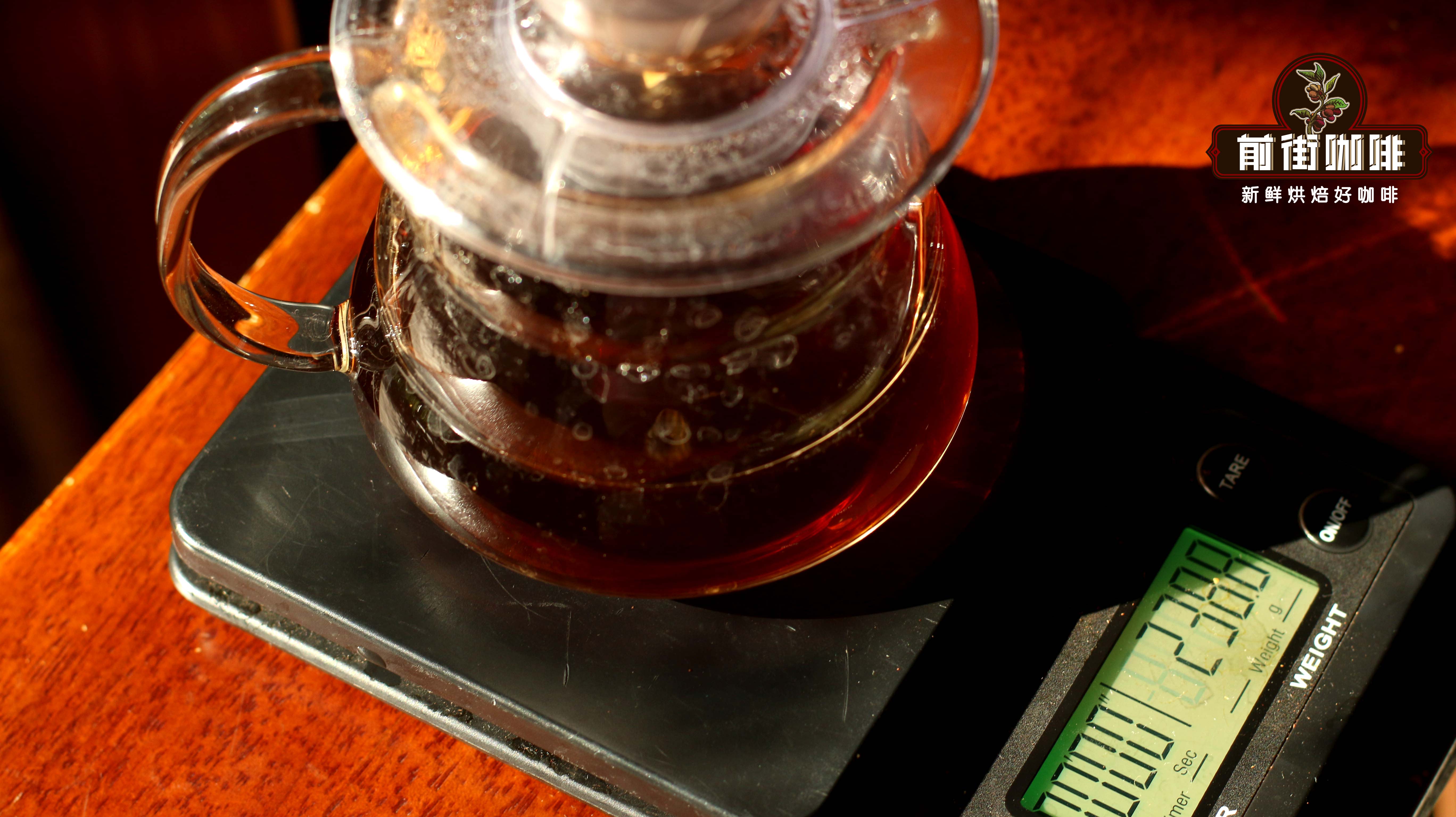
For beginners, the three-pour method is recommended to balance flavor extraction. Taking 15 grams of coffee grounds and a 1:15 coffee-to-water ratio (225 milliliters total water) as an example, the specific allocation is: first pour 30 milliliters of hot water (about 92-93°C) for a 30-second bloom to activate the coffee grounds; second, pour 95 milliliters with a slightly larger stream to lift the coffee bed and promote even extraction; finally, pour 100 milliliters with a thin stream, controlling the flow rate to avoid excessive agitation of the coffee bed. This method can effectively extend the extraction time to about 2 minutes, ensuring that flavor compounds fully dissolve while preventing bitterness caused by long soaking at high temperature.
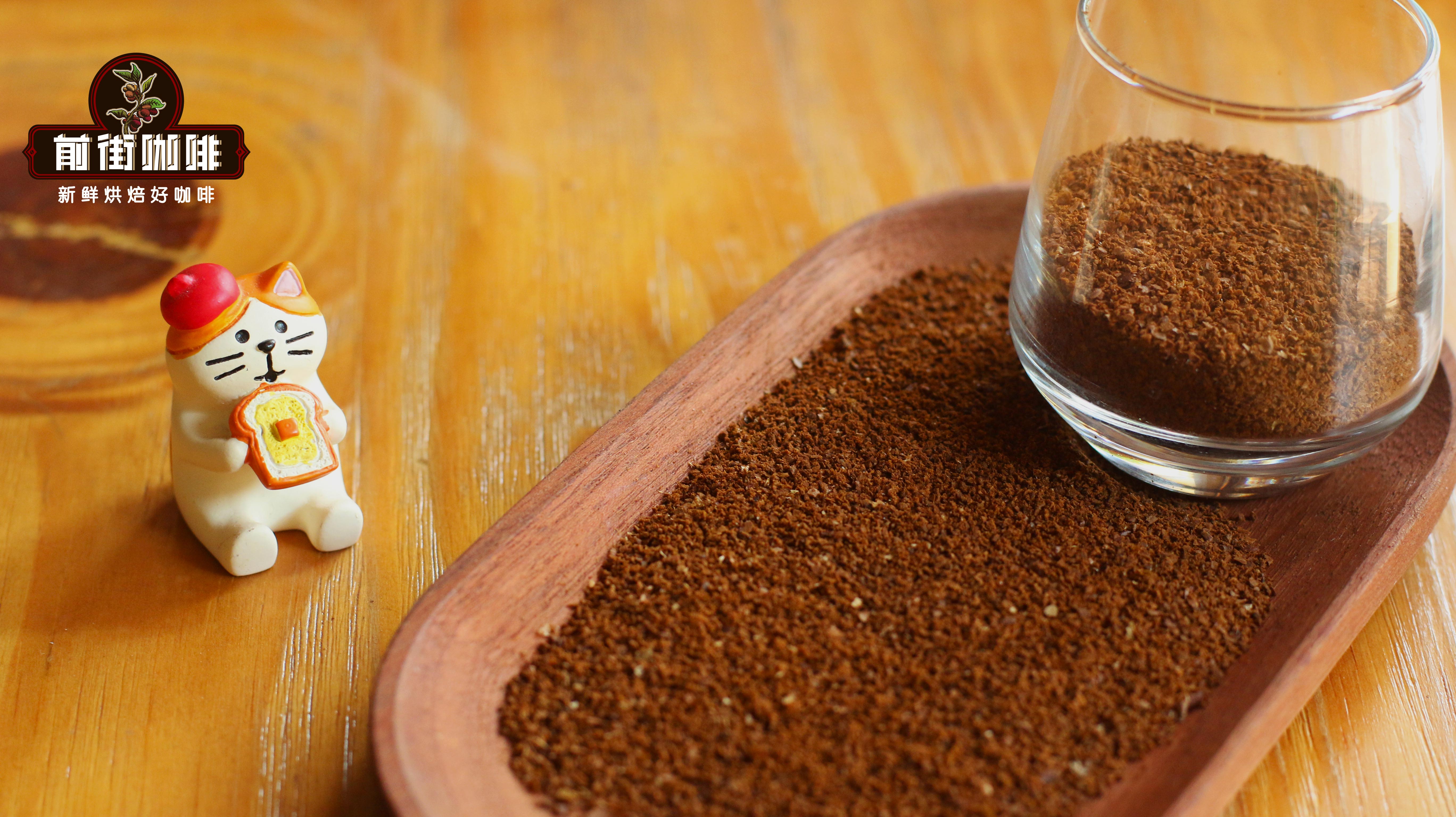
In terms of equipment selection, the spiral rib design of the V60 dripper helps with venting and accelerates the expansion of the coffee bed, making it particularly suitable for highlighting the acidity and aroma of light roast beans. The grind size is recommended to be adjusted to about 78% passing rate on the Chinese standard No. 20 sieve (close to fine granulated sugar in coarseness); too coarse will lead to a thin flavor, while too fine will easily release excessive phenolic substances at high temperature and produce astringency. If you prefer a richer taste, you can slightly adjust the coffee-to-water ratio to 1:15; when pursuing clear floral and fruity sweetness, extend it to 1:16 to let the flavors unfold more.
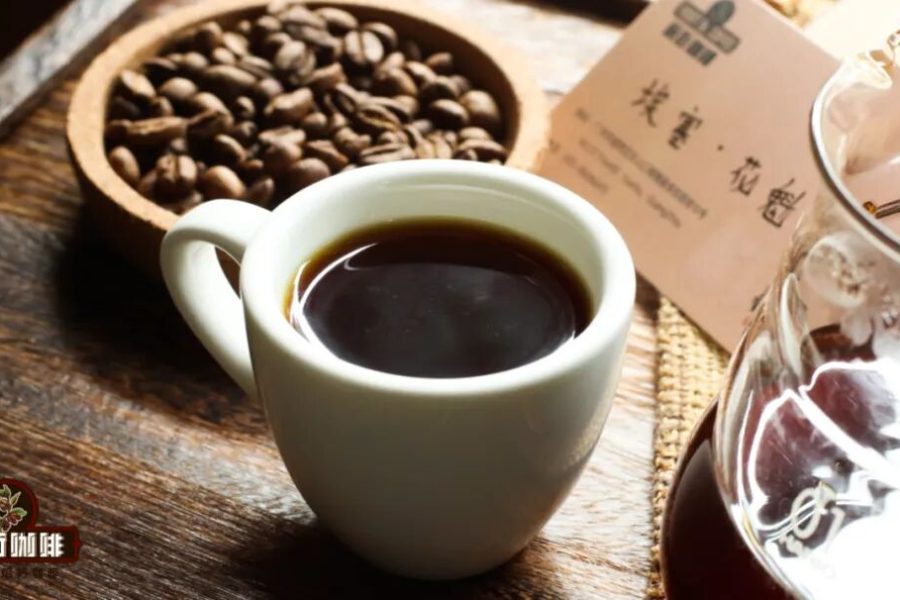
During actual brewing, pay attention to details: after placing the filter paper, first warm the cup with a small amount of hot water and pour off the remaining water to ensure the dripper and server are at the same temperature; during the bloom stage, the water needs to evenly cover all coffee grounds to avoid local clumping; maintain a steady stream for subsequent pours, and try to let the water fall vertically along the inner wall of the dripper to reduce impact on the coffee bed. Start timing from the beginning of pouring and complete the drip filtration within 2 minutes and 10 seconds; at this point the coffee liquid should be clear and translucent amber, with a lively citrus or berry acidity on the first sip, followed by a gentle honey or black tea sweetness, and a clean finish without off-flavors.
As for the frequently mentioned problem that "light roast beans are too sour," most cases stem from improper brewing parameters. If the water temperature is too low (below 90°C), the acidity will be sharp and lack layers; if the grind is too coarse or the pouring speed is too fast, it will cause under-extraction, with abrupt sourness and insufficient sweetness. It is recommended to adjust through small-batch testing: keep other variables fixed, change only the water temperature (±1°C) or grind size (sieve passing rate ±2%) each time, observe flavor changes and record your preferred settings. After mastering these techniques, even entry-level pour-over equipment can fully reveal the elegant flavor potential of light roast beans.