Brazil's Six Major Coffee Regions: Flavor Profiles and Pour-Over Bean Guide
Introduction: Brazil is the world's largest coffee producer, and its six major regions each have distinct terroir. From the nutty, chocolatey profile of Cerrado to the high-altitude specialty beans of Bahia, learn how altitude, variety, and processing method in different regions affect flavor, and master the key factors for choosing Brazilian beans suited to pour-over.
 Brazilian coffee is known for its full-bodied balance, in stark contrast to the bright acidity of high-altitude regions. Its beans are generally lower in density and are grown under full-sun conditions that accelerate ripening, making them suited to coffee lovers who prefer low-acid, smooth flavors, especially beginners new to specialty coffee.
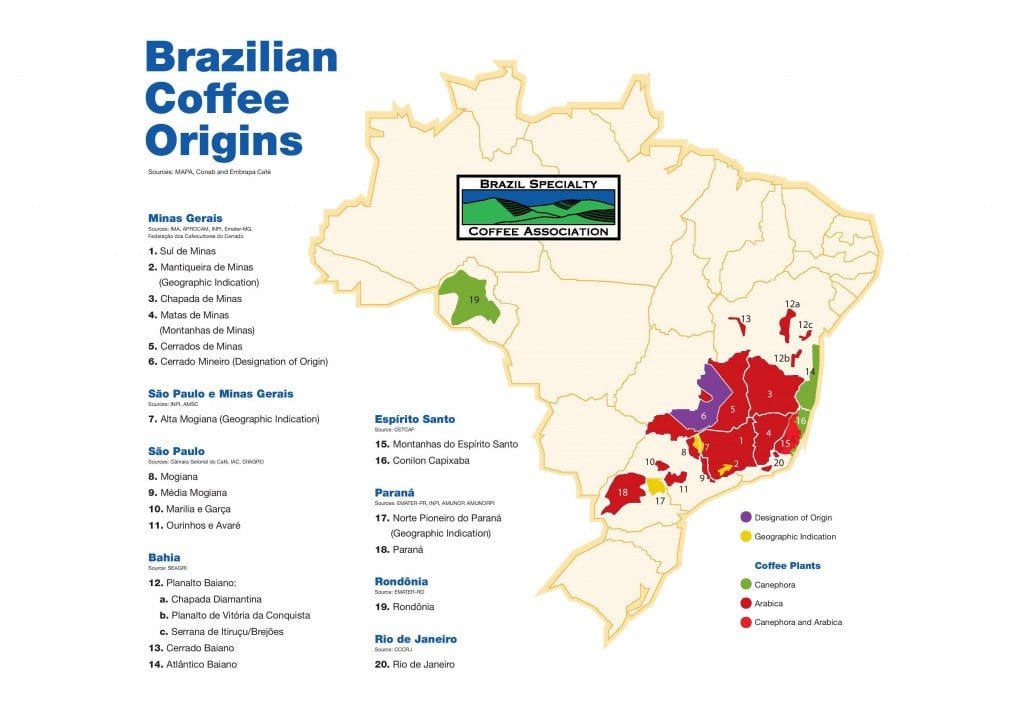
 Brazil's six core regions cover the country's main coffee belt: Minas Gerais (55% of production), São Paulo, Bahia, Espírito Santo, Paraná, and Rondônia. Because of differences in altitude, microclimate, and variety, each region produces a diverse range of products, from commercial beans to competition-grade specialty beans.
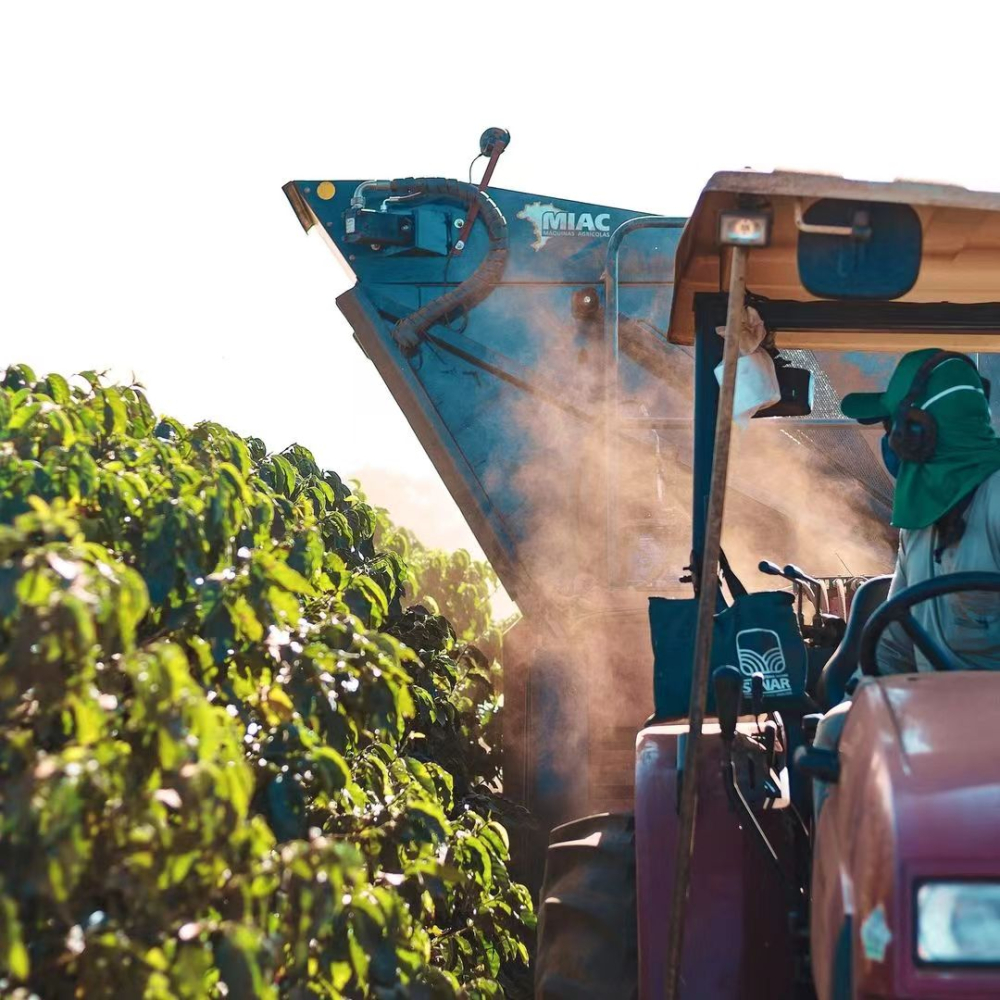
 The northern emerging region of Bahia, though it got its start in the 1970s, has risen to prominence thanks to a 75% arabica planting ratio and efficient mechanized production. Its subregions Chapada Diamantina and Western Bahia use fully automated equipment, and in the 2009 COE competition they took five of the top ten places, demonstrating top-tier potential.
 In the southeast, Espírito Santo is the country's second-largest producing region, dominated by robusta (subregion Conilon Capixaba), while the highland area Montanhas do Espírito Santo (700–1,300 meters) grows Mundo Novo and Catuai varieties and has the conditions for specialty coffee development.
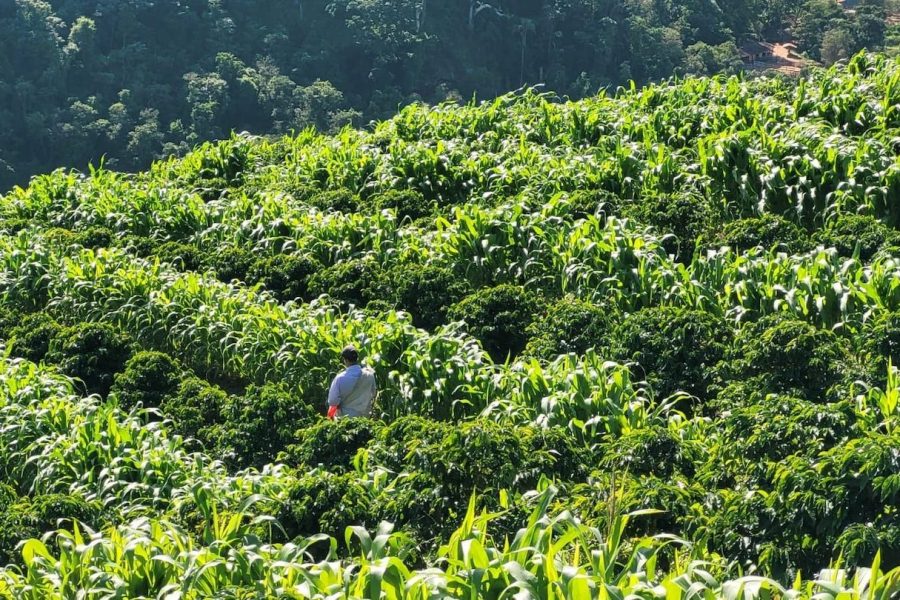
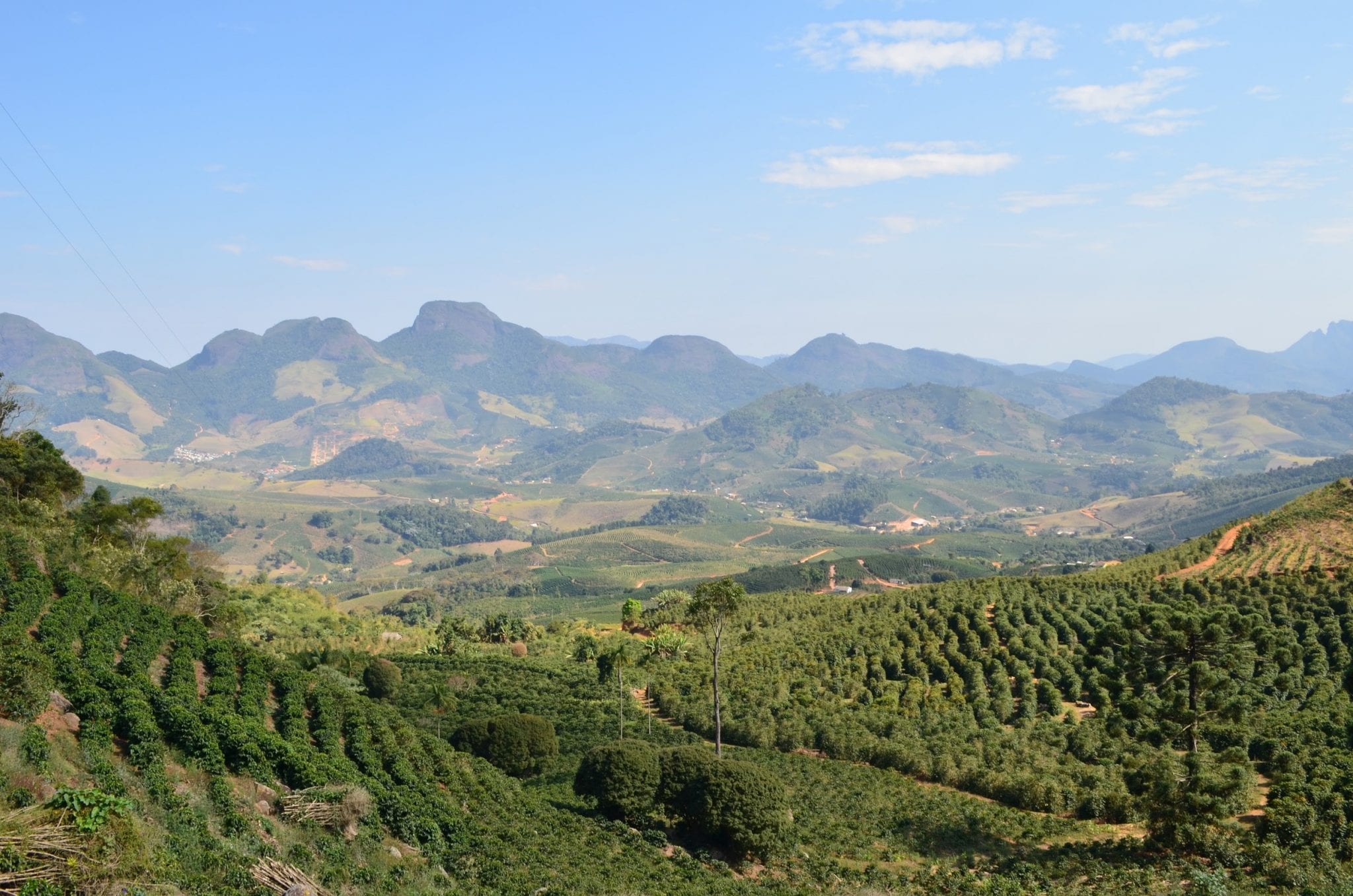
The core region of Minas Gerais contributes more than half of national production and is divided into four subregions: Cerrado (800–1,300 meters), the first region to receive origin certification, uses irrigation systems to cultivate medium-sized plantations; Sul de Minas (average altitude 950 meters) nurtures small and medium farms with an average temperature of 9.5°C; Chapada de Minas has flat terrain suited to mechanization; and Mata de Minas (80% of farms under 20 hectares) has shown a marked specialty-coffee trend in recent years. Coffee from this region often presents a balance of a nutty base and mild acidity.
 São Paulo, the oldest region, relies on the Port of Santos for exports. Its subregion Mogiana (900–1,200 meters), with rugged terrain and an average temperature of 20°C, produces arabica beans with prominent sweetness and balanced structure, suited to consumers seeking a full-bodied cup.
 Paraná was once a traditional region, but its scale shrank after the frosts of the 1970s; lacking high-altitude areas, its flavor expression is now relatively mediocre. Rondônia lies in a tropical low-altitude area and mainly produces robusta varieties, with higher temperatures and notably intense flavor.
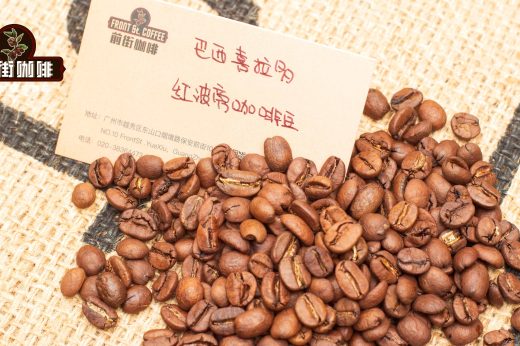
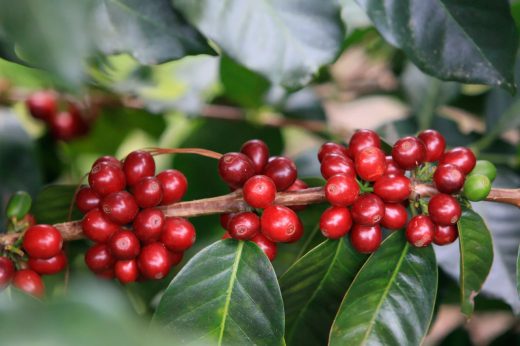
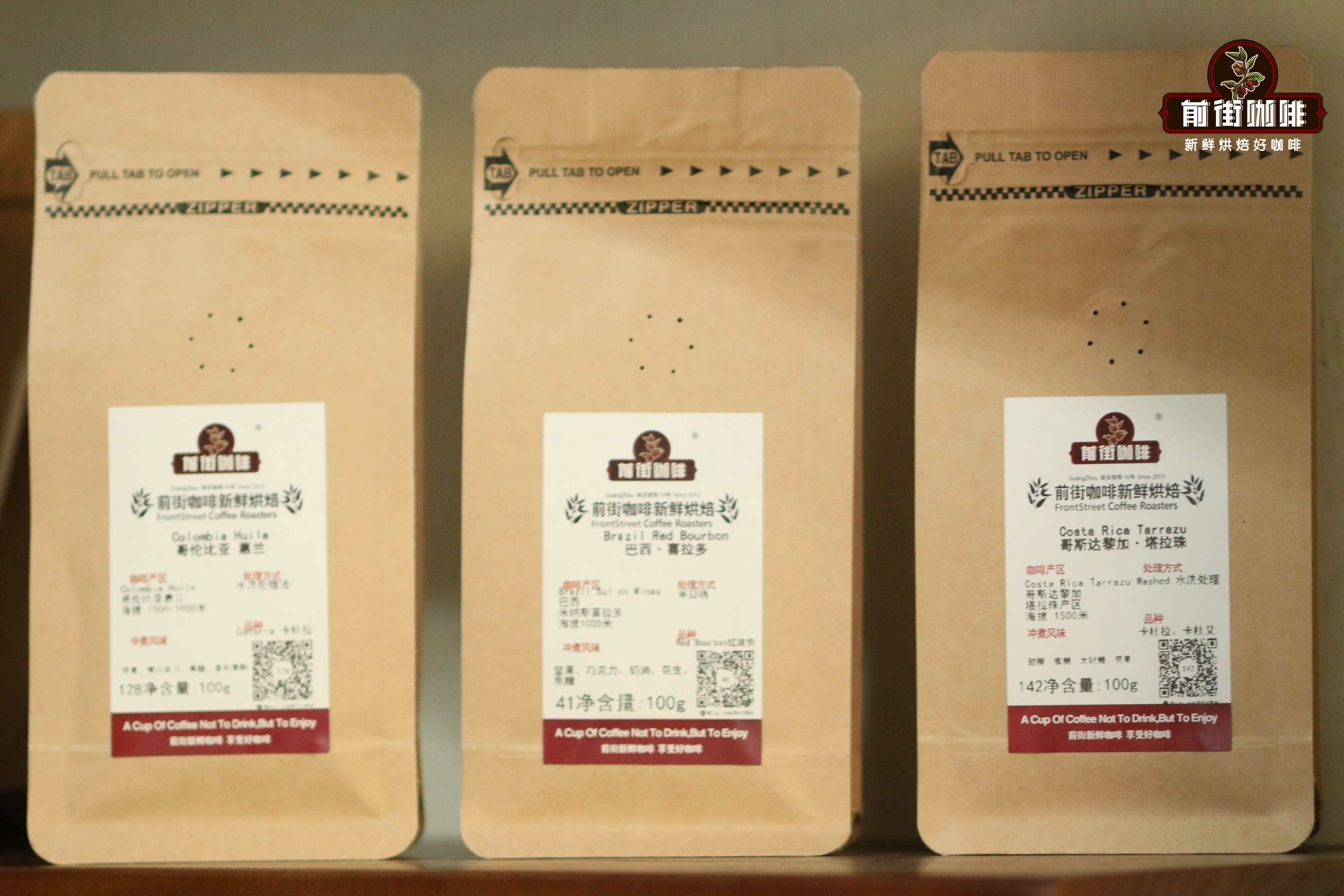
 When buying Brazilian beans, it is advisable to prioritize Red Bourbon from the Cerrado region of Minas Gerais. This category uses the pulped natural process (removing the skin while retaining some mucilage for drying), allowing sugars to penetrate and enhancing sweetness and body—compared with the clean but light washed method, or the overly risky natural method, pulped natural balances flavor complexity and operational stability.
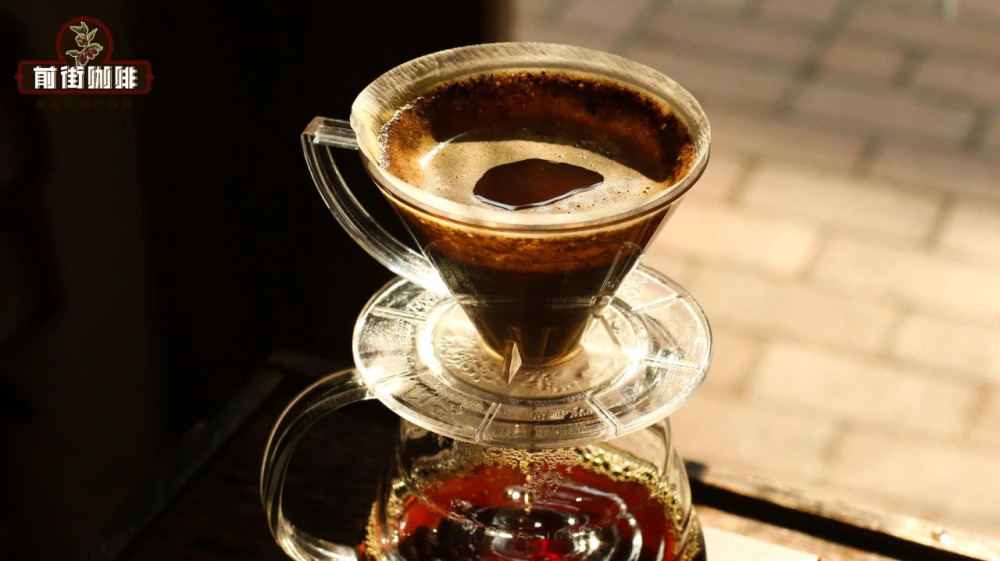
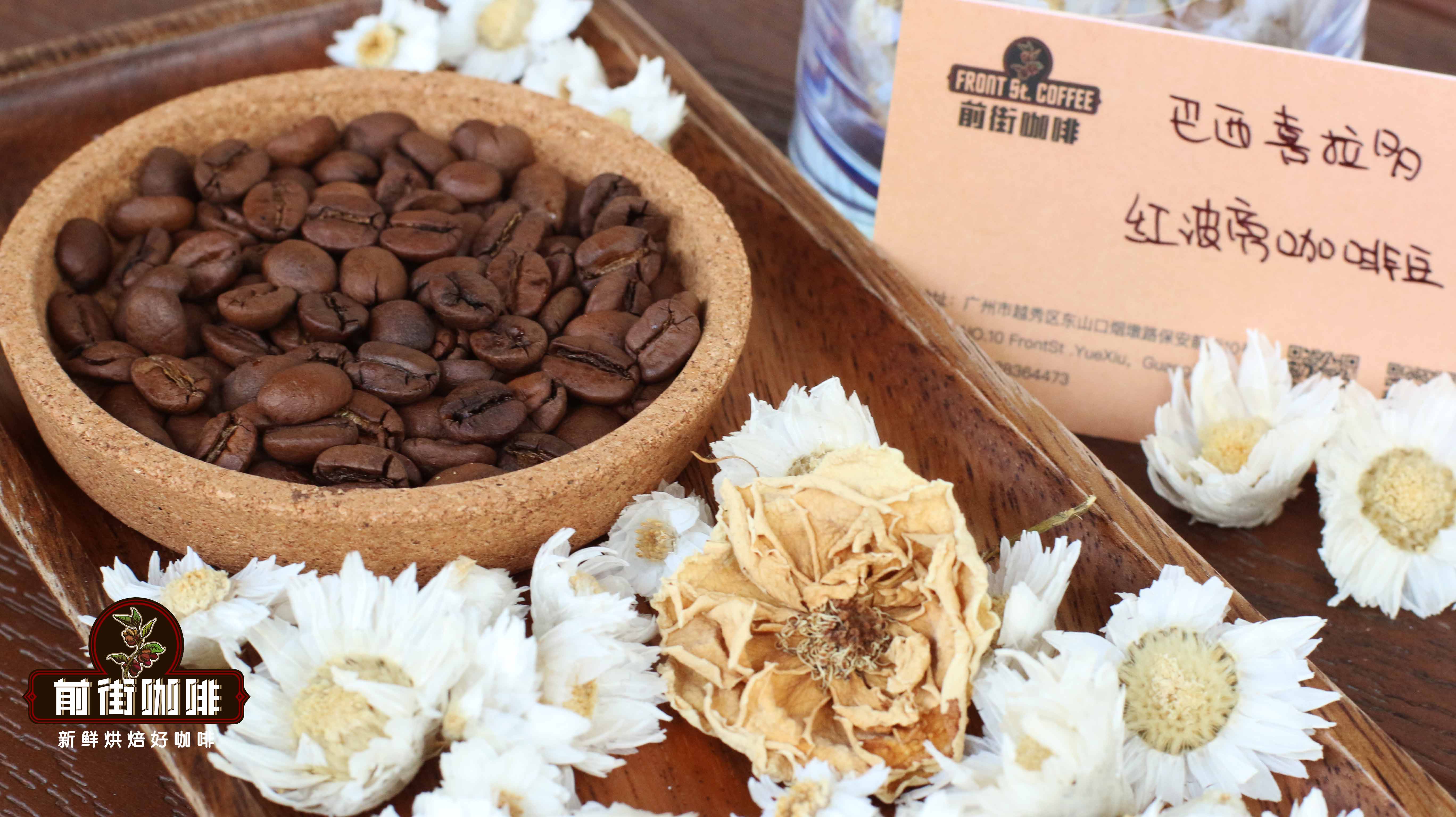 When actually tasting this type of bean, note the medium acidity conferred by the 1,000-meter altitude, together with Red Bourbon's natural peanut and chocolate notes. A water temperature of 88°C with a coarse grind (such as a KONO dripper) is recommended, using a slow pour to highlight the nutty finish and caramel sweetness. Pulped natural beans have lower density, so the bloom time should be extended appropriately to 30–45 seconds to compensate for water absorption efficiency.
In summary, the appeal of Brazilian coffee lies in its stable regional character and diverse range of regional choices. From commercial-grade everyday beans to competition-grade specialty coffee, consumers can find the balance point that suits their personal taste according to roast level (medium-dark roasts are recommended to enhance body) and processing method preference.