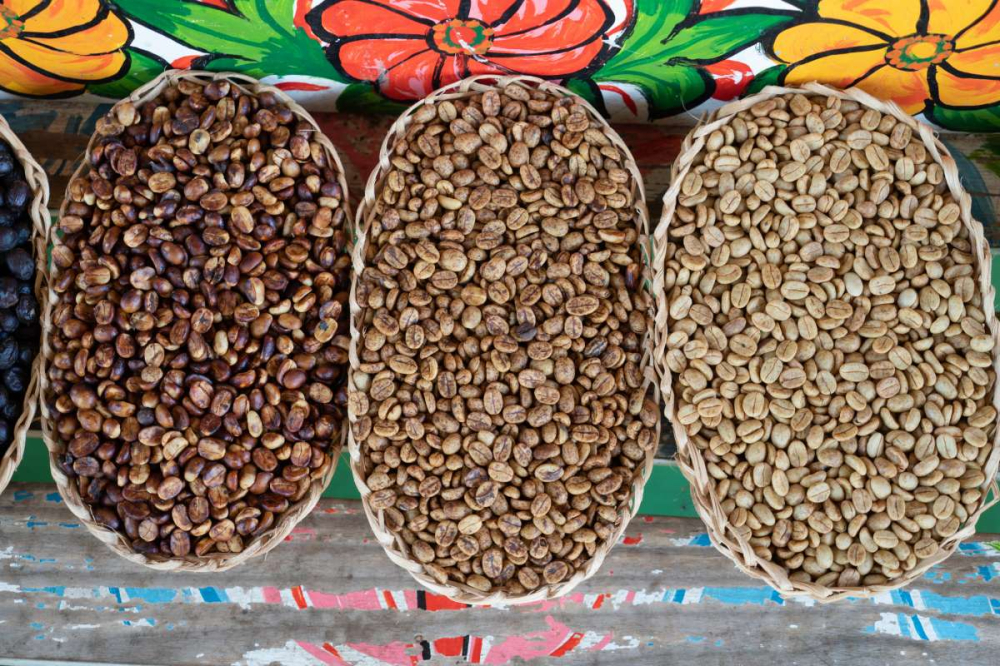
Honey, Washed and Natural: Three Main Coffee Processing Methods
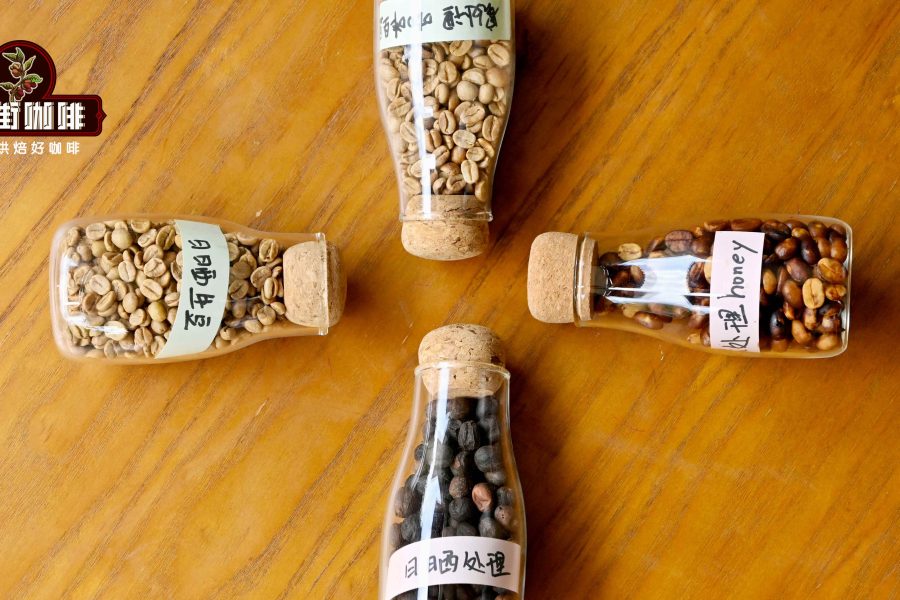
Introduction: The processing method of coffee beans directly influences their final flavor profile. This article systematically analyzes the complete workflows of the three mainstream processing methods—honey, washed and natural—from drying methods and fermentation control to differences in flavor characteristics, comparing how different processes affect sweetness, acidity and fruity aroma, with key parameter references to help you choose the processing method that suits your taste preferences.
Coffee bean processing is a key step that determines the flavor profile, and globally it falls into three main systems: natural (dry), washed (wet) and honey (semi-dry). Each process uses different dehydration and fermentation strategies to give coffee its unique layers of sweetness, brightness of acidity and complexity of fruity aroma.
1. Natural Process (Dry Method)

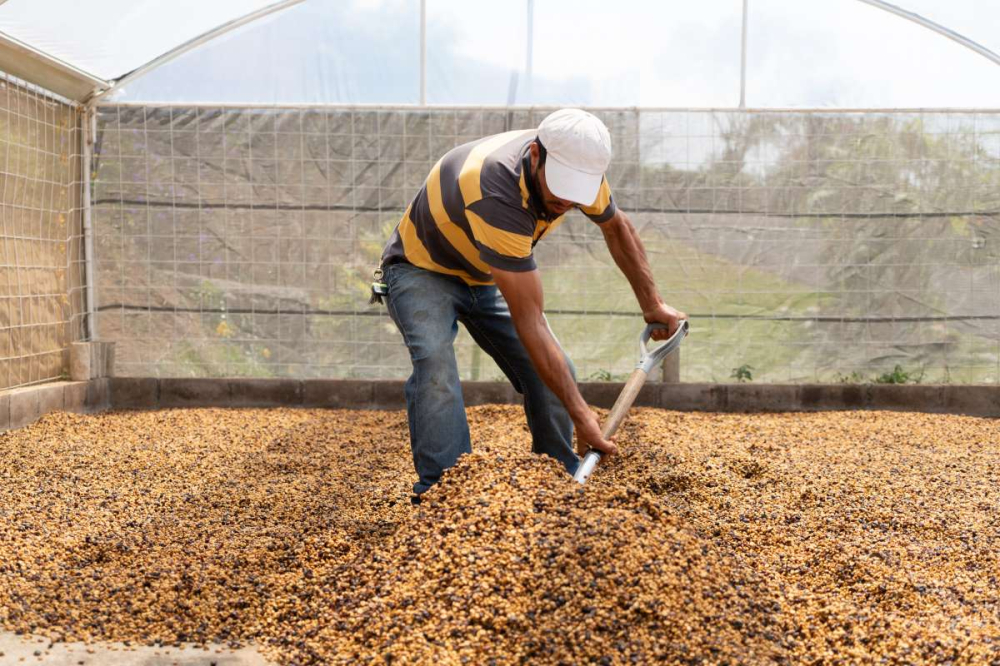
As the most primitive processing technique, the natural method dries whole coffee cherries directly in the sun until moisture drops to 10.5%–12%. This process usually lasts 2–4 weeks and relies on ample sunlight and regular turning to prevent mold. During drying, the pulp, mucilage and seed ferment together, creating rich, complex flavors. Professional operation requires strict control of temperature and humidity: the ideal average daily temperature should reach 25°C or above, humidity below 60%, and the beans must be turned at least three times a day to ensure even dehydration.
Modern improvements include drying beds or mechanical dryers, but natural sun-drying better preserves full-bodied sweetness and tropical fruit notes. This method is commonly used in dry regions such as Brazil and Ethiopia; well-managed natural beans often show rich flavors like blueberry and red wine, with a caramel finish.

2. Washed Process (Wet Method)

This process began in the 18th century: after removing the skin and pulp, the seeds with mucilage still attached are soaked and fermented. Fermentation time varies significantly with ambient temperature: about 12–36 hours at 18–25°C, and in hot regions it may shorten to 6–8 hours. Key operational points include: using pH test strips to monitor changes in the acidity of the fermentation liquid, stopping fermentation when pH drops to 4.5–5.0; then rinsing with running clean water for at least 5 minutes to thoroughly remove residual mucilage.
Eco-friendly improvements such as recirculating water systems can reduce water consumption from the traditional 120 liters per kilogram of beans to under 20 liters. The processed green beans show bright citrus acidity and a tea-like body, suitable for highlighting the microclimate characteristics of the origin, such as Kenya's tomato-like acidity or Colombia's lemongrass aroma.

3. Honey Process (Semi-Dry Method)

As a compromise, the honey process first mechanically removes the skin and pulp, retaining 30%–100% of the mucilage layer for sun-drying. Based on the proportion of mucilage retained, grades include black honey (fully retained), red honey (75%), yellow honey (50%) and so on; the darker the color, the more sugar penetration. In practice, a 60–80% mucilage retention rate balances sweetness and fermentation risk, requiring slow drying under shade nets at 45–55% humidity for 10–14 days.
The pulped natural method, as a simplified version, uses a high-pressure water spray to pre-rinse away most of the mucilage, shortening the drying period to 7–10 days, with a flavor closer to the clean character of washed coffee. Costa Rican honey-processed beans typically show toffee sweetness and red berry flavors, with round, gentle acidity.
Each of the three processes has its own character: the natural method suits dark roasts that pursue rich jam-like body; the washed process fits light-to-medium roasts that showcase clean acidity; and the honey process perfectly balances sweetness and complexity, making it a mainstream choice in the specialty coffee market. Consumers can flexibly choose coffee beans of different processing methods according to drinking scenarios—such as the extraction parameters of pour-over equipment (natural beans are recommended to be ground slightly coarser) or the need to pair with desserts.