What Are Arabica Coffee Beans? 8 Major Varieties, Flavors and Pour-Over Parameters Explained
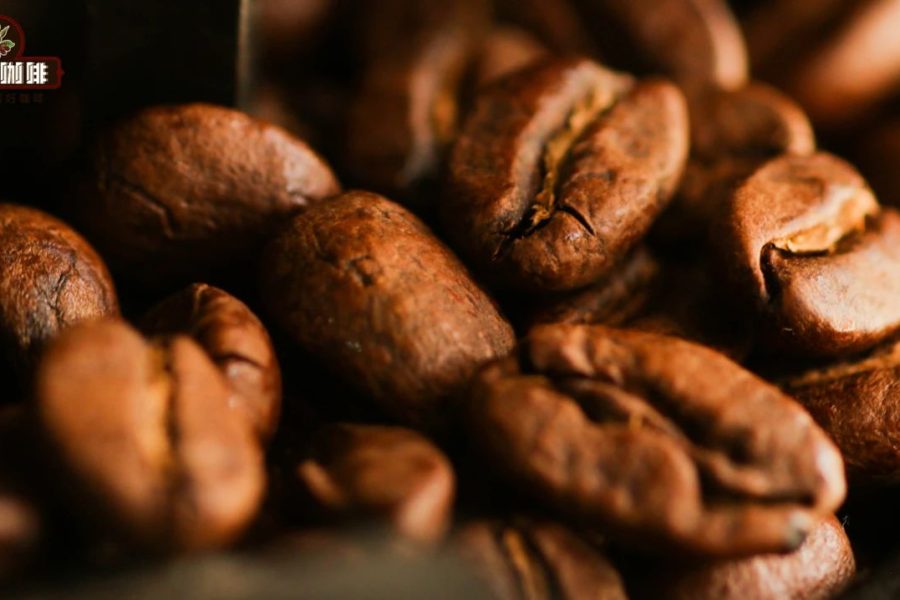
Introduction: Arabica coffee is not a brand but the world's mainstream coffee species, accounting for more than 70% of the market. This article takes a deep look at the origins of Arabica beans and how they differ from Robusta, and introduces in detail the flavor characteristics, suitable altitudes and suggested pour-over parameters of 8 major cultivated varieties, helping coffee lovers choose beans according to their taste preferences.
Many people seeing "100% Arabica" on coffee packaging wonder whether this represents a certain brand. In fact, Arabica is the species name of coffee, listed alongside Robusta and Liberica as the world's three native coffee species. More than 70% of the coffee currently circulating on the market belongs to the Arabica family, which is known for its delicate flavors and is particularly suited to making specialty pour-over coffee.
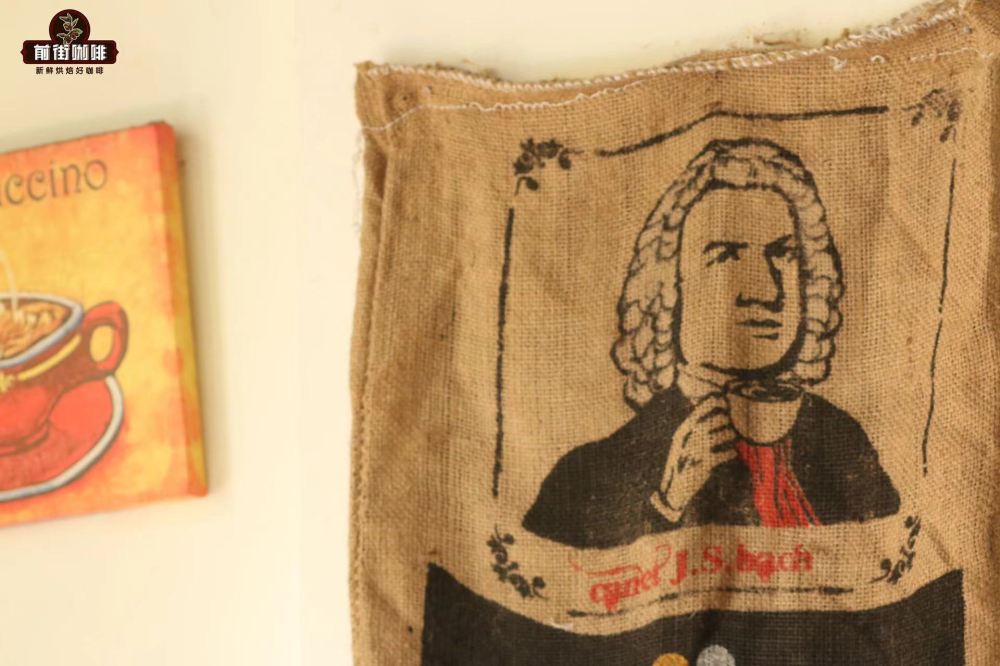
From a botanical classification perspective, Arabica belongs to the Coffea genus of the Rubiaceae family and is the small-bean coffee species. Through long-term natural hybridization and artificial selection, it has now given rise to hundreds of cultivated varieties. Although these varieties share Arabica lineage, they develop unique flavor characteristics due to differences in growing environment. Compared with Robusta, which is commonly used for instant coffee, Arabica generally has higher sweetness, more layered acidity and lower caffeine content (about 0.8%-1.2% vs. 1.7%-2.8% for Robusta).
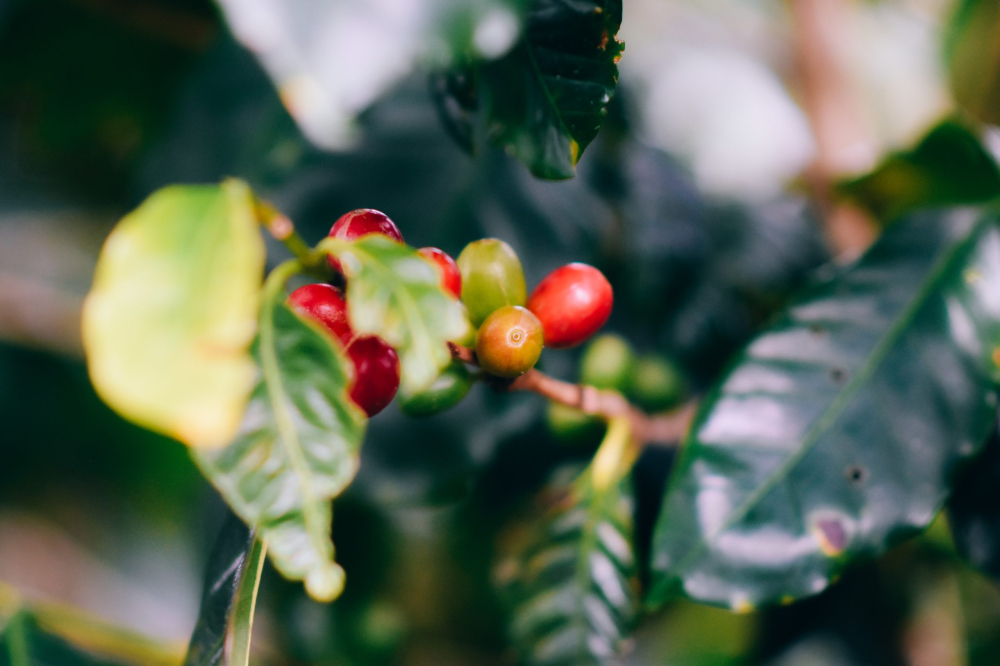
The golden growing belt for Arabica coffee is concentrated in the highlands between 25° north and south latitude, with an ideal altitude range of 1,000-2,000 meters. The temperature difference between day and night in high-altitude environments slows the ripening of coffee cherries, promoting sugar accumulation and the concentration of flavor compounds. It should be noted that Arabica beans grown at low altitudes often have thin flavors due to overly rapid growth, and their prices are relatively lower.
Specialty Coffee specifically refers to high-quality Arabica beans from particular microclimates, requiring a cupping score of 80 points or above. Such coffees clearly express the terroir of their origin: for example, Ethiopia's Yirgacheffe is known for its bright citric acidity and jasmine aroma, while Indonesia's Mandheling presents a rich herbal spiciness. The key to judging specialty coffee lies not in the variety itself but in the combined performance of cultivation management, harvest maturity and processing methods.

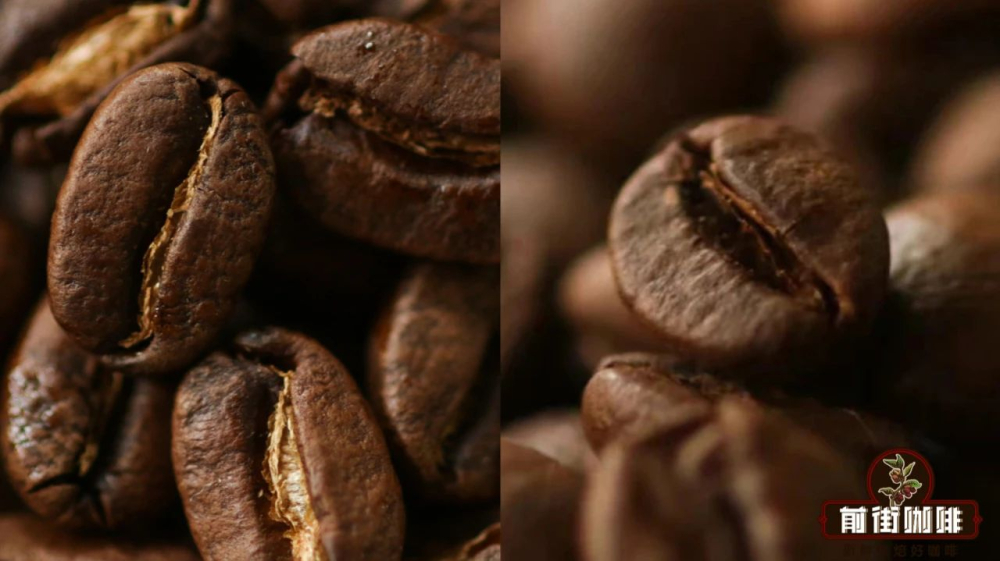
Currently mainstream Arabica cultivated varieties can be divided into two major categories: traditional old varieties and modern hybrids. Typica, as one of the oldest cultivated varieties, has an elongated oval bean shape and bronze-tipped leaves; its classic flavors include mild nutty notes and a clean sweet-acid balance, but it has weak disease resistance. Bourbon naturally mutated from Typica and has a round, plump bean body; at high altitudes (1,400 m+) it can develop caramel-like sweetness and red-wine-like body. Caturra is a dwarf mutation of Bourbon with reduced plant height that makes picking easier, combining stable yields with bright citrus acidity.
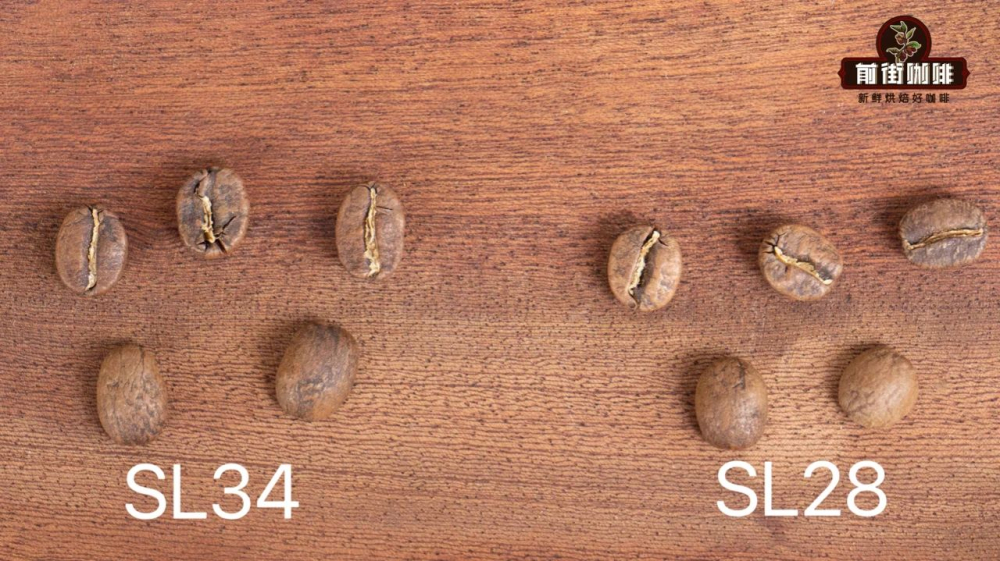
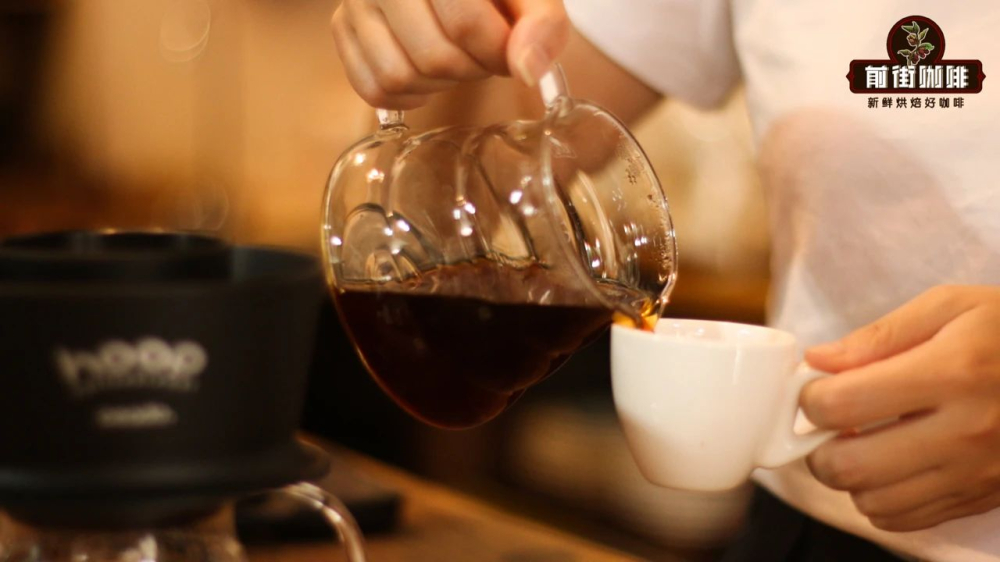
For distinctive varieties from different origins, differentiated brewing plans are recommended: for Typica-type beans (such as Blue Mountain and Mandheling), medium-fine grinding (Chinese standard 80-100 mesh) with 92°C water is recommended, and the staged pouring method better highlights their clearly layered nutty notes; Bourbon and Caturra suit a slightly coarser grind (70-80 mesh) and 90-91°C water, and extending the bloom time helps release sweetness; high-altitude varieties (such as Geisha and SL28) have higher density, so it is recommended to pre-soak for more than 12 hours before carrying out the regular pour-over process.
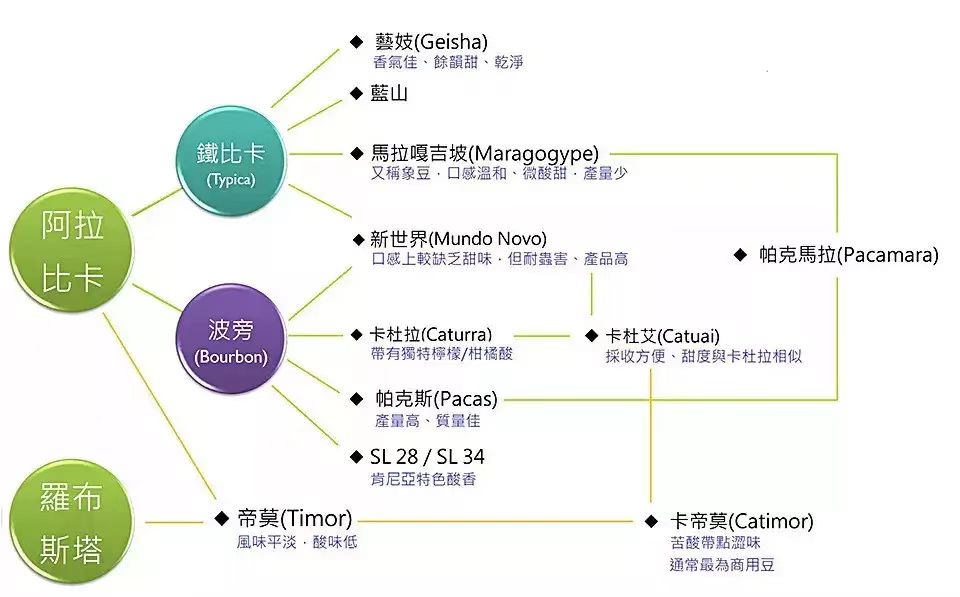
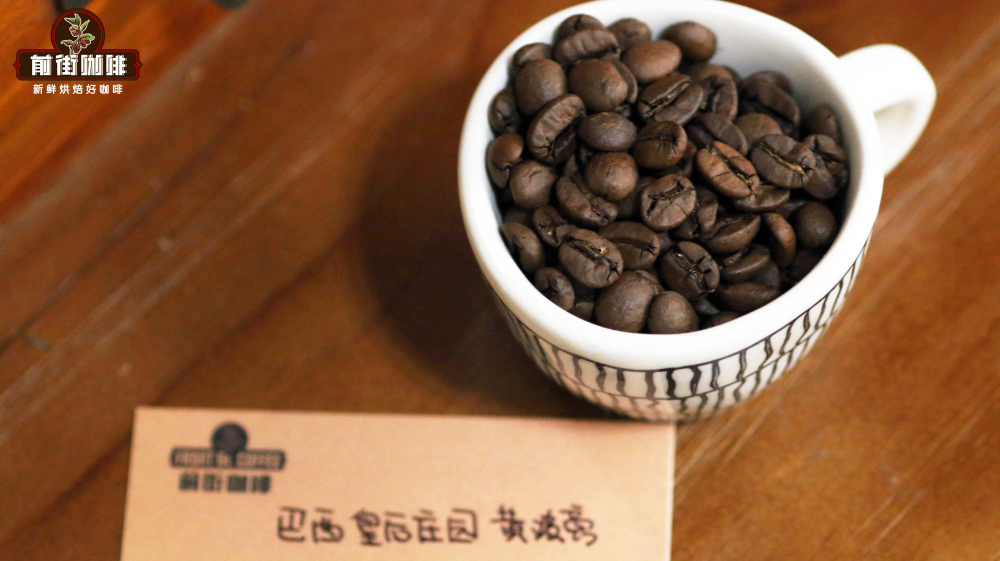
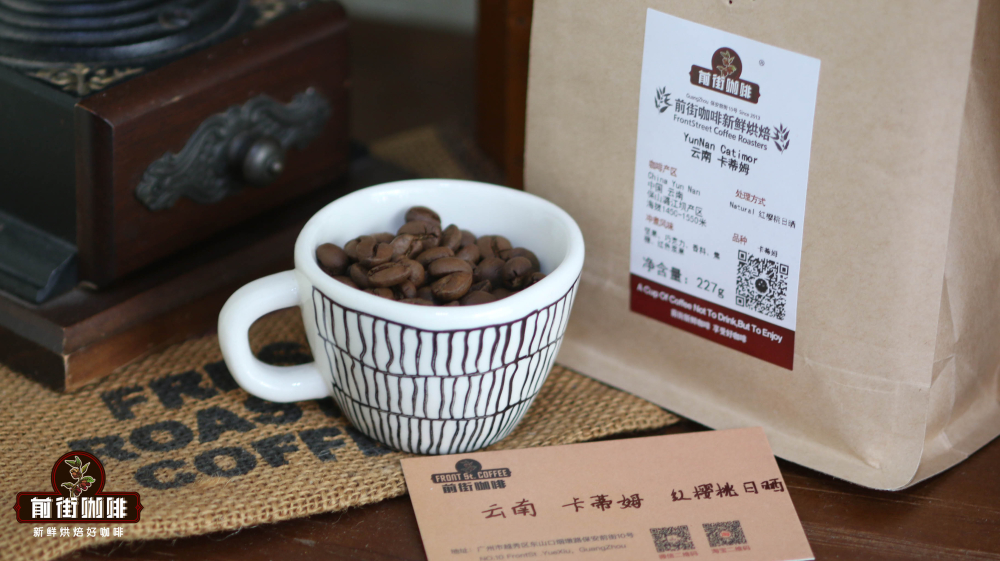
Special varieties such as Panama's Geisha, which originated from a wild population in Ethiopia, became a specialty coffee benchmark after decades of selection thanks to its gorgeous floral and fruity aromas and silky-smooth mouthfeel. Geisha beans grown above 1,700 meters often carry complex tropical fruit and honey flavors in their natural-process versions, while washed processing highlights clearer citrus acidity. In contrast, Catimor, widely planted in Yunnan, is a hybrid containing Robusta genes; although its flavor complexity is slightly inferior, thanks to excellent leaf-rust resistance and high, stable yields, it has become an important foundation of China's specialty coffee industry.
When buying Arabica coffee beans, in addition to paying attention to variety information, also note the following details: first, check the roast date; freshly roasted beans (7-21 days after roasting) show their best flavor; second, observe the defect rate; high-quality commercial beans should have fewer than 3 defective beans per 300 grams; finally, choose the processing method according to how you drink it—if you like a clean mouthfeel, choose washed processing, while if you seek rich fruity aromas, honey or natural processing is recommended. Remember, even the same variety presents completely different flavor profiles at different altitudes, microclimates and processing methods.