The Ultimate Espresso Guide: Extraction Time, Dose-to-Yield Ratio, and Crema Balance
Introduction: The key to mastering espresso lies in precisely controlling extraction parameters. This article explains the standard extraction time range, the golden dose-to-yield ratio, and ideal crema thickness, helping you understand the science behind a 25-30 second extraction and revealing how coffee dose, grind size, and flavor performance are connected. By adjusting these key variables, even beginners can consistently extract balanced, full-bodied, professional-grade espresso with rich crema.

In making a qualified espresso, extraction time is the key parameter that determines success or failure. Unlike other brewing methods, espresso has an extremely narrow extraction window—usually only 25 to 30 seconds—but every second of difference can significantly affect the final flavor. During this time, high-pressure water passes through the tightly packed coffee puck, both fully extracting aromatic compounds and avoiding the bitterness caused by over-extraction.

The traditional espresso standard comes from early recipes: a single shot uses 7-9 grams of coffee to produce about 30 milliliters (1 ounce) of espresso, while a double uses 16-18 grams to make two equal shots, all completed within 20-30 seconds. But modern coffee beans are generally roasted lighter and green bean quality has improved, so directly applying the old parameters may lead to under-extraction. A more scientific baseline today is: using a double basket as the standard unit, maintaining a 1:2 dose-to-yield ratio (for example, 20 grams of coffee yielding 40 milliliters of espresso), and keeping extraction time stable in the 25-30 second range.

Why is this time range so important? Experimental data shows that when extraction time is shorter than 25 seconds, caffeine and acidic compounds are extracted early, resulting in a thin and sharply sour taste; if it exceeds 30 seconds, high-molecular-weight bitter compounds are released in large amounts, producing a scorched sensation and woody off-flavors. A simple way to judge extraction stability: make three consecutive cups; if the actual extraction time of each cup fluctuates by no more than 1 second, it indicates that parameters such as the grinder setting and tamping pressure are well coordinated.

Modern espresso making has developed more precise standards: first, use a double basket (usually with a capacity of about 20-22 grams) as the base unit, and use a digital scale to monitor the weight of the espresso rather than estimating volume by eye; second, lock the dose-to-yield ratio at around 1:2, the golden ratio that balances strength and flavor; finally, the total extraction time must be ensured to fall within 25-30 seconds. Together, these three elements form the basic framework for professional baristas to dial in equipment.

In practice, a three-step method can quickly calibrate: the first step is to adjust grind size—a finer grind slows water flow and thus lengthens extraction time; the second step is to control tamping pressure (30-40 pounds recommended), which directly affects puck density; the third step is to check water hardness—excess minerals accelerate channeling and cause localized over-extraction. It is worth noting that the pre-infusion stage (3-5 seconds) is usually counted in the total time; this low-pressure water delivery allows the coffee grounds to degas evenly and prepares for the subsequent high-pressure extraction.

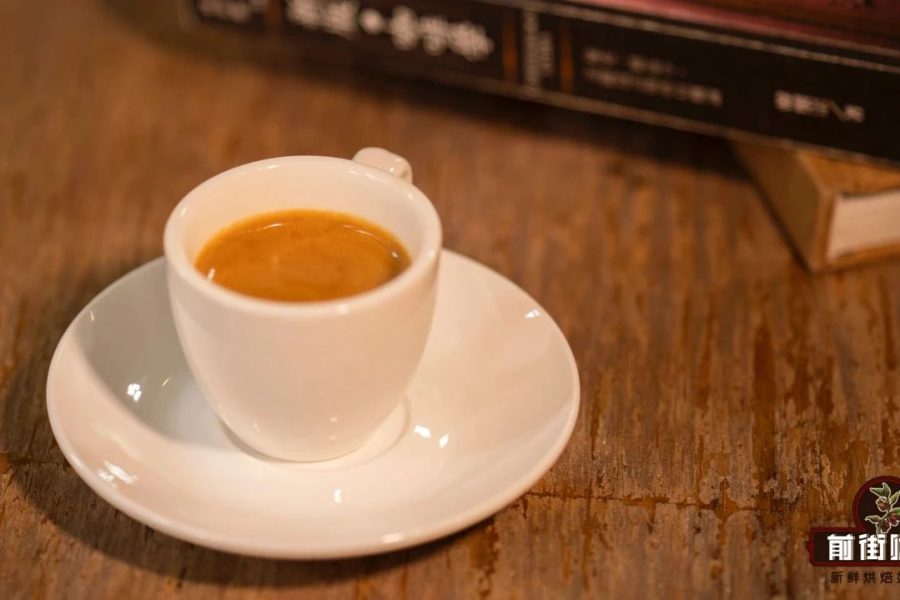
Regarding the debate over crema thickness, scientific advice is that a high-quality espresso should have a crema layer of 3-5 millimeters, with a reddish-brown sheen that lasts more than 30 seconds without collapsing. Note, however, that an overly thick foam layer (more than 8 millimeters) may be a sign of too many fines or over-extraction. If the crema appears pale or dissipates quickly, check the freshness of the coffee beans—beans within two weeks of roasting produce richer, longer-lasting crema.

Handling special cases: when using high-altitude hard water or an old grinder, you may need to appropriately extend extraction time to 32 seconds while still maintaining balanced flavor; and for certain light-to-medium roasts, to highlight floral and fruity notes, you can compress the time to 22-24 seconds at a slightly lower dose-to-yield ratio of 1:1.8. However, these adjustments need to be paired with a precise TDS concentration meter (target value 1.15%-1.35%); ordinary enthusiasts are advised to prioritize following the standard parameter range.

In summary, 25-30 seconds is not an absolute truth, but an empirical value based on the characteristics of currently mainstream coffee beans and equipment conditions. Truly professional extraction requires comprehensive consideration of multiple parameters including dose (usually 18-22 grams), grind setting (referencing a 70%-75% pass rate through a No. 20 sieve), and water temperature (90-94°C). Beginners are advised to keep other variables fixed and fine-tune only the grind size to match the time requirement, gradually building sensitivity to changes in coffee flavor.


