How to Choose Espresso Beans: 12 Key Factors That Shape Espresso Flavor
Introduction: Making a perfect espresso starts with choosing the right coffee beans. This article takes a deep look at the 12 core factors that shape espresso flavor, including roast level, blend recipes, and extraction parameters, along with practical tips, and offers bean pairing suggestions for different needs. Once you master this knowledge, you can pull a layered, complex espresso at home or in a café.
Espresso is a highly concentrated drink made by extracting very finely ground coffee with water at about 92°C under 9 bar of pressure. Many coffee lovers are often puzzled when buying beans: why is it that with the same equipment, someone else's espresso is fragrant and rich, while theirs is sharp and thin? This is often closely tied to bean selection and extraction parameters.
Roast level is the first consideration. Espresso suits beans at medium-dark roast or darker; light-roast beans retain too much acidity and lack body, easily leading to a sharp, thin cup. Check the roast date and roast level on the packaging, and prioritize products labeled "suitable for espresso machines."

Coffee beans fall mainly into blends and SOE (single-origin espresso). SOE uses beans from a single region and can highlight a distinct regional character, but it demands extremely high bean quality—a quality SOE can show complex floral and fruity notes, while poor beans magnify every flaw. Blends mix beans from different regions in set proportions, complementing each other's strengths to achieve a stable, balanced flavor profile, and are better suited to everyday use.

Four classic blend recipes explained:  The economy blend commonly uses Brazilian beans (70%) with Yunnan beans (30%) to provide a nutty-chocolate base;
 the intense blend adds 10% robusta to boost body, combining Colombian and Brazilian beans for a heavy mouthfeel;
 the specialty version uses the classic 70% Brazil + 30% Colombia combination, balancing nutty notes with fruity acidity;
 the flavored blend pairs Honduras Sherry (70%) with Yirgacheffe Red Cherry (30%) for a surprising collision of wine-like aroma and citrus.
Extraction parameters directly affect the final flavor. Dose control must match the basket capacity (commonly 16-22g), with an error of no more than ±1g—too little coffee leads to too fast a flow and under-extraction, while too much may block the water flow.
Brew ratio is recommended at 1:2 (e.g., 20g dose yielding 40g liquid); a traditional single espresso is 7-8g of coffee extracted to 25-30ml. A ratio that is too low makes the flavor too intense, while too high makes it flat. Extraction time should be kept at 20-30 seconds; too short means under-extraction, too long easily produces burnt, bitter notes.
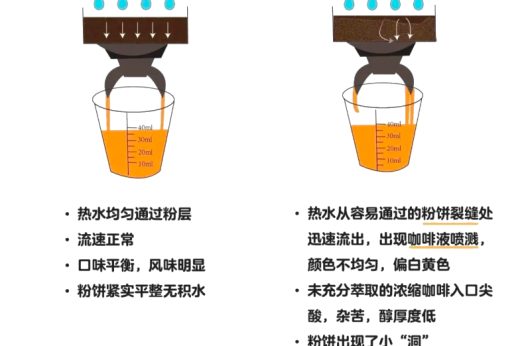
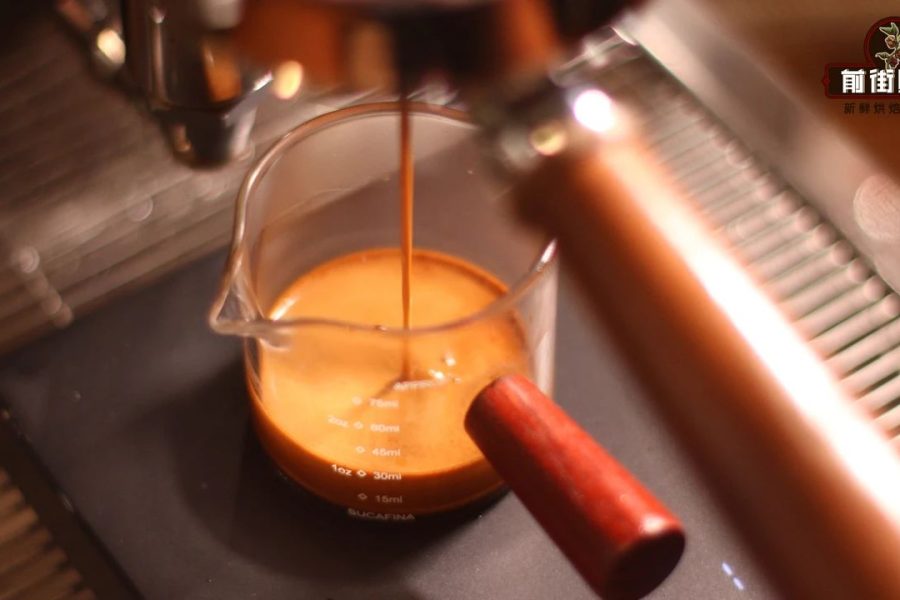
 Watching the flow rate is an important indicator: the ideal state is that dripping begins around the 5th second and the flow is even throughout. If no liquid appears after 10 seconds, the grind may be too fine or the tamp too heavy; a spraying flow indicates the grind is too coarse or there is channeling.
Equipment parameter settings: the standard extraction pressure for commercial semi-automatic espresso machines is 9 bar, and some models support pressure profiling. Water temperature should be maintained in the 90-94°C range—above 94°C easily leads to over-extraction and burnt bitterness, while below 90°C causes under-extraction and a green, harsh flavor.

It is worth noting that beans from the same region have subtle flavor changes every year, which is why professional coffee shops regularly adjust their blend recipes. For home users, it is recommended to fine-tune the above parameters according to personal taste preferences and find the most suitable combination through repeated trials.