Why Iced Americano Is More Popular: Hot vs Iced Flavor and Benefits
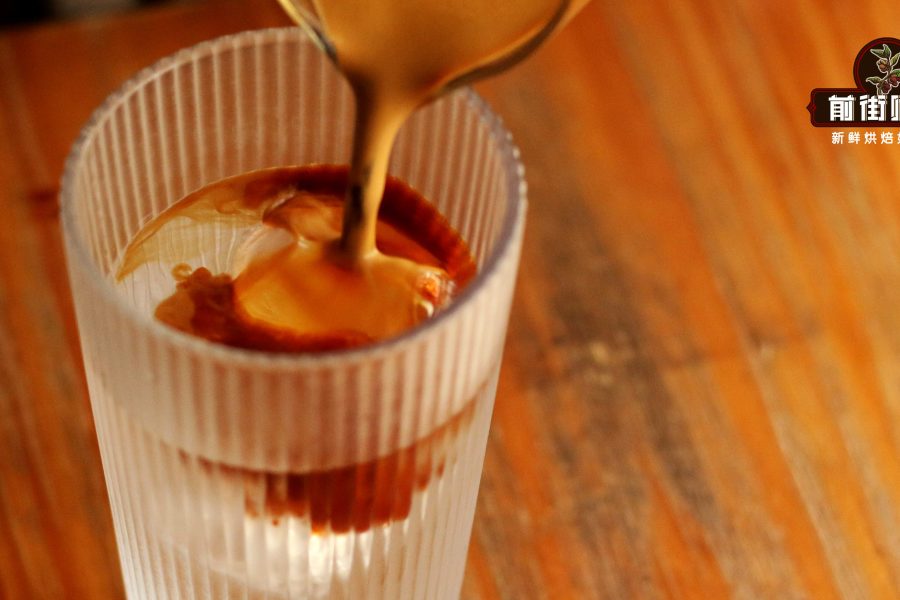
Introduction: Have you noticed that no matter the season, iced Americano is always the bestseller in coffee shops? Compared with traditional hot Americano, what makes iced Americano so appealing? This article examines the differences between hot and iced Americano from the angles of flavor, extraction parameters, suitable occasions, and health effects, helping you understand which one better suits your taste and needs.
Walk into any coffee shop and you will notice an interesting phenomenon: regardless of the weather, customers ordering iced Americano keep coming. Compared with hot Americano, iced Americano seems to be favored by modern consumers. Why? Through market observation and practical testing, we found the reasons mainly center on three points: younger groups prefer cold drinks, iced Americano has a milder bitterness, and it brings a refreshing taste and cuts through richness.

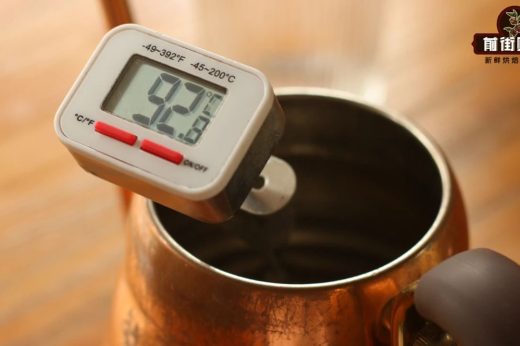
The principle behind making Americano is not complicated: espresso diluted with hot water. However, the final flavor of a cup of Americano depends not only on the quality of the coffee beans and the espresso extraction technique—water temperature is also a key variable that cannot be ignored. To explore the effect of different temperatures on Americano flavor, we used the same coffee beans, the same extraction parameters, and the same coffee-to-water ratio, and tested three conditions: high temperature (about 90°C), room temperature, and ice-water mixture (low temperature).

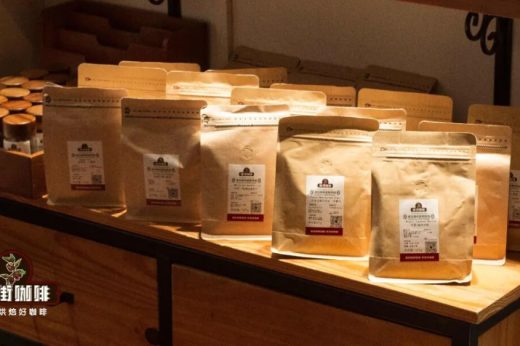
When making Americano, the coffee beans commonly used fall roughly into two categories: medium roast and medium-dark roast. Medium-roast beans, having been heated for a shorter time, retain more fruit acidity and fresh floral notes, with moderate oils, and suit those who dislike strong bitterness. Such beans usually carry bright berry notes and soft acidity; for example, an espresso blend featuring strawberry flavor is specially designed for medium-roast machines and moka pots.

Medium-dark roast beans, by contrast, are heated longer and develop richer caramel and nut aromas with fuller oils, and are often used for Americanos seeking a mellow body. For instance, a medium-dark roast blend based on an old-fashioned recipe delivers caramel sweetness and dark chocolate flavor, making it an ideal choice for a rich-style Americano.

For extraction, we used 20 grams of coffee grounds to extract 40 grams of coffee liquid over about 30 seconds, yielding a balanced flavor with berry sweetness and acidity, vanilla cream aroma, and a caramel-nut finish. When assembling the Americano, we did not use an excessively high water-to-coffee ratio, but rather a coffee-liquid-to-water ratio close to 1:4.5 (about 38 grams of coffee liquid plus 171 grams of water), for a final product of about 210 grams.

In actual blind tastings, the three Americanos at different temperatures showed distinctly different characteristics. Hot Americano stood out especially in aroma, releasing rich warm notes of butter, caramel, roasted hazelnut, and almond. By comparison, iced Americano and room-temperature Americano had more restrained aromas that were harder to detect.

In terms of flavor layers, hot Americano was the fullest, with caramel, dark chocolate, and creaminess interwoven and a finish of almond and spice—the strongest overall expression, though of course this places higher demands on bean quality and extraction skill. Room-temperature Americano sat in the middle, balanced in flavor but slightly weaker in intensity. Iced Americano clearly leaned toward acidity, with bitterness greatly reduced and the mid-to-late palate mainly showing a combination of spice and chocolate, for an overall fresher, more refreshing feel.

In mouthfeel, hot Americano showed a mellow, full body, smooth on entry with distinct layers; iced Americano, due to the low temperature and dilution by ice, offered a more refreshing, smooth drinking experience; room-temperature Americano fell in between, without particularly outstanding character but reliable in its consistency.

Although hot Americano has the best flavor performance under ideal conditions, that performance depends heavily on bean quality and the barista's extraction level. If mishandled, it easily turns overly bitter or thin. Iced Americano, thanks to the low-temperature environment and the continuous dilution by ice, can to some extent soften the coffee's bitterness and harshness, making it easier for more people to accept.

Moreover, iced Americano has become many people's daily first choice because of its value and low psychological burden—compared with cold brew, ice drip, or pour-over iced coffee, iced Americano is not only affordable but also quicker to make. For those who need to quickly refresh themselves, cool down, reduce puffiness, or cut through richness in hot weather, iced Americano is a convenient and efficient choice. It can also serve as an excuse for a brief break between work tasks.
Of course, hot Americano is not without advantages. While providing aroma and complex flavors, it also helps warm the body and promote blood circulation; for people with sensitive stomachs, warm drinks are usually friendlier and can reduce the irritation cold drinks cause to the gastrointestinal tract.

In summary, hot and iced Americano each have their merits, and which to choose ultimately depends on personal taste preference, physical condition, and drinking occasion. By flexibly switching according to your needs, you can find your own cup of "perfect coffee."