Indonesian Kopi Luwak explained: price, flavor and brewing guide
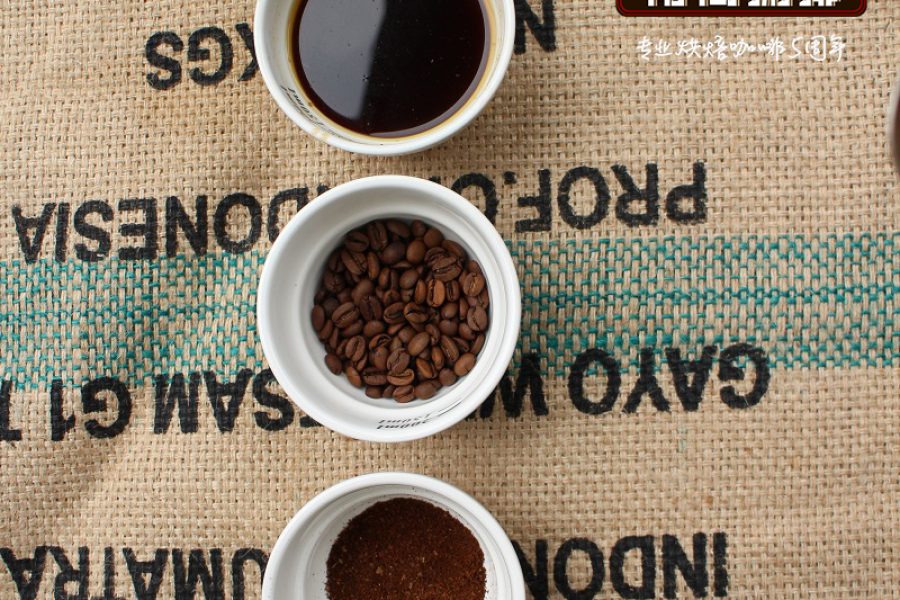
Introduction: Kopi Luwak is one of the world's most expensive coffees, and its unusual production process and flavor have long been debated. This article examines the origins, production process, market price and flavor characteristics of this special coffee, and offers professional pour-over parameter recommendations to help coffee lovers fully understand this legendary drink.
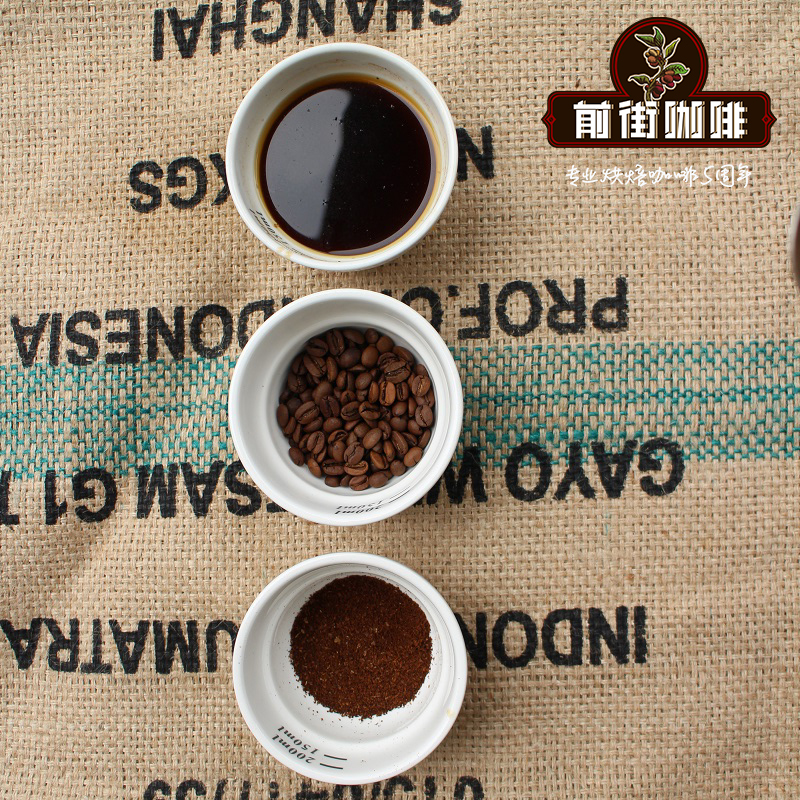
Indonesia is not only a famous producer of Mandheling coffee; it also produces a highly controversial specialty coffee, Kopi Luwak (also known as civet coffee). What makes this coffee unique is its production process: wild civets eat ripe coffee cherries, the beans undergo fermentation in the digestive system, and the excreted beans are washed and roasted. Although this coffee is famous for its distinctive flavor, the production process behind it has also sparked much controversy.
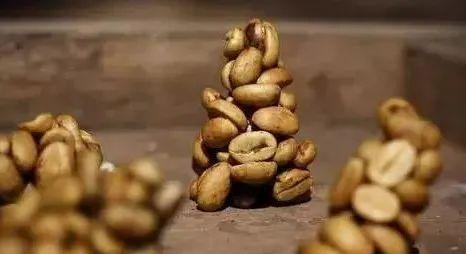
The history of Kopi Luwak dates back to the late 17th century, during the Dutch colonial period in Indonesia. The fertile volcanic soil and ideal climate of Sumatra produced high-quality Arabica coffee. Local farmers discovered that civets select only fully ripe coffee cherries to eat, and that these beans, after fermentation inside the animal and then washing and roasting, display distinctive flavor characteristics: a rich aroma, a full body and a fresh minty note.
There is a widely told story about the popularity of Kopi Luwak: a Dutch official was drawn to the aroma of this special coffee and, after learning how it was made, not only became a devoted fan himself but also introduced it to the royal court. Although the truth of this story remains to be verified, Kopi Luwak has indeed become a prized coffee category because of its distinctive flavor.
However, the production of this prized coffee involves serious animal welfare problems. To meet market demand, some unscrupulous traders have begun capturing wild civets and keeping them in poor conditions, force-feeding them coffee cherries. This practice leads to health problems in civets such as malnutrition and digestive disorders. After learning this background, many coffee consumers have begun to boycott coffee produced in this unethical way.
Genuine Kopi Luwak has distinctive flavor characteristics: low acidity and mild bitterness, a full, smooth body, complex nutty and herbal aromas, and a long finish. Because of its special production process and scarce output (global annual production is only about 500 kilograms), its market price is usually as high as over a thousand yuan per pound.
For coffee lovers who wish to try it, it is advisable to pay attention to the coffee's origin and production method. High-quality Kopi Luwak should come from the Sumatra region, at an altitude of about 1,200 meters, be made from Arabica beans, and be produced through a natural in-vivo fermentation process.
Professional brewing recommendations:
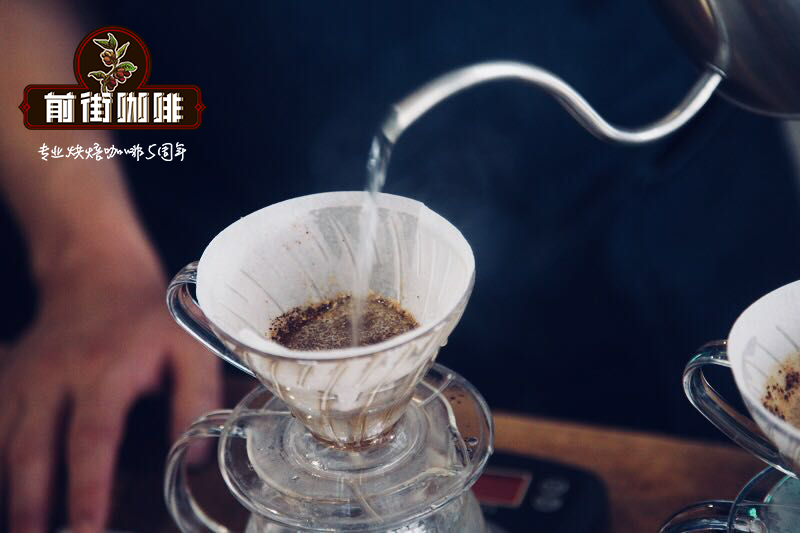
• Equipment: Kono dripper
• Grind: medium-coarse
• Water temperature: 88°C
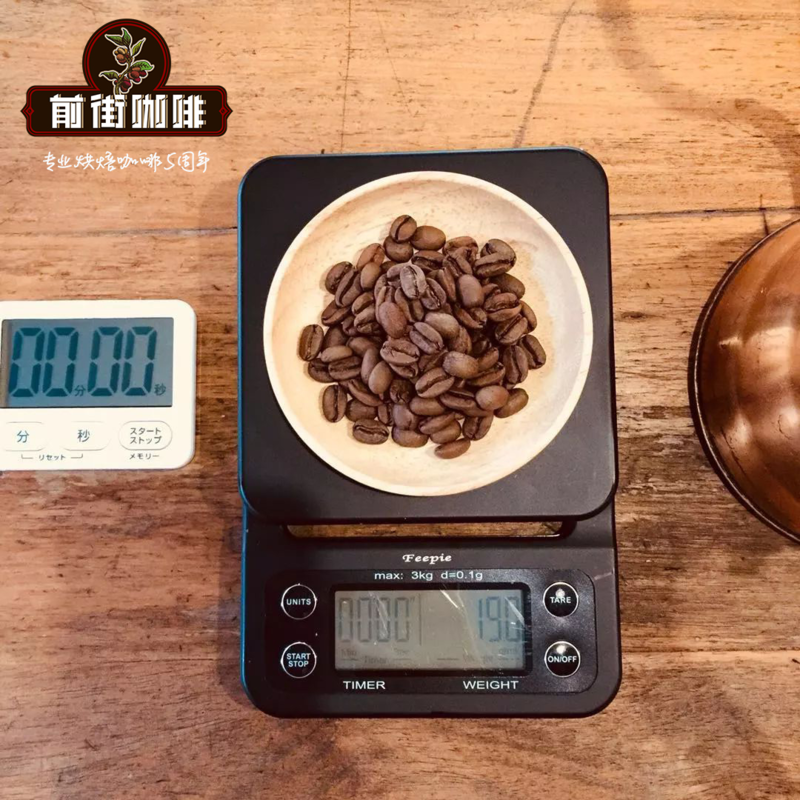
• Dose: 15 grams
• Coffee-to-water ratio: 1:15
• Brewing steps: bloom with 30 grams of water for 30 seconds, pour in stages to 125 grams, then continue pouring to 225 grams, with total extraction time controlled between 1 minute 50 seconds and 2 minutes.
This brewing method fully brings out the full body and rich layers of Kopi Luwak, highlighting its nutty and herbal flavor characteristics. Note that because the beans have undergone special processing, particular attention should be paid to grind uniformity to ensure the best extraction.


