Latin American Coffee Beans: Regions, Processing, and Flavor Guide
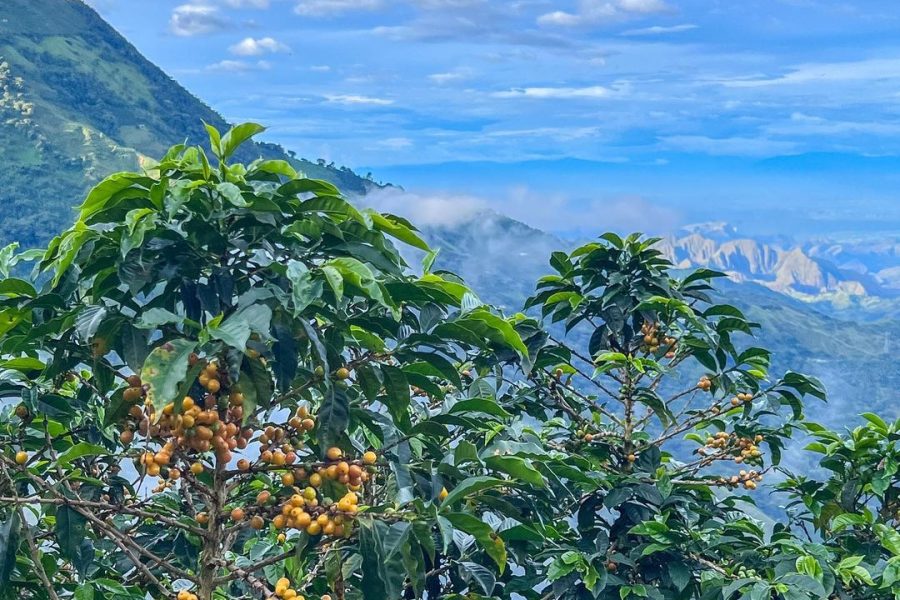
Introduction: Latin America is one of the world's major coffee-producing regions, spanning Brazil, Colombia, Panama, and other countries. Each area, with its unique climate, altitude, and processing methods, produces coffee beans with distinct flavors. This article takes an in-depth look at the characteristics of Latin America's main coffee regions, including flavor profiles, growing environments, and common processing methods, and analyzes the signature beans of each country in detail, helping coffee lovers better understand and choose beans suited to their own taste.
Looking at the global coffee belt, coffee-producing regions can be broadly divided into three major areas: Latin America (Central and South America), Asia-Pacific, and Africa. Among them, the Latin American coffee region is known for its consistent flavor performance and extensive growing scale, and is an important source of specialty coffee worldwide. Compared with the prominent fruity acidity and floral aromas of African coffee, or the heavy herbal and woody notes common in Asian coffee, Latin American coffee usually shows a more balanced body along with warm flavors such as chocolate and nuts.
Coffee cultivation in the region began in the 18th century and was deeply influenced by Spanish colonization. Although early on the focus was on volume, today, with the spread of the specialty coffee concept, countries increasingly value coffee quality and the refined expression of flavor. The coffee is mainly sold to markets in the United States, Europe, and Asia, and is an important choice for many coffee lovers as both an everyday staple and for more advanced tasting.
I. Overall Characteristics of Latin American Coffee
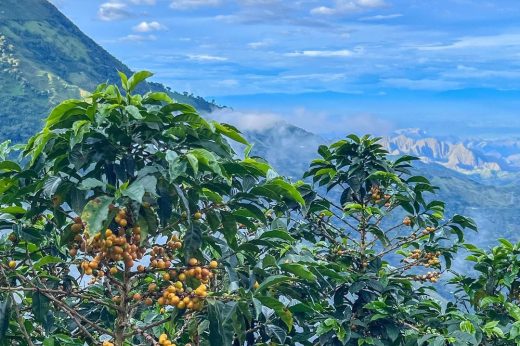
Latin America stretches across the vast area south of the United States, including Mexico, Central America, the Caribbean, and South America. The climate is mostly hot and humid, while high-altitude areas are relatively dry with suitable temperatures, providing diverse microclimates for coffee growing. Coffee beans from this region are characterized by strong balance and high body, often with rich flavors such as cocoa and dark chocolate, and are generally washed; some areas, such as Brazil, prefer semi-washed (pulped natural).
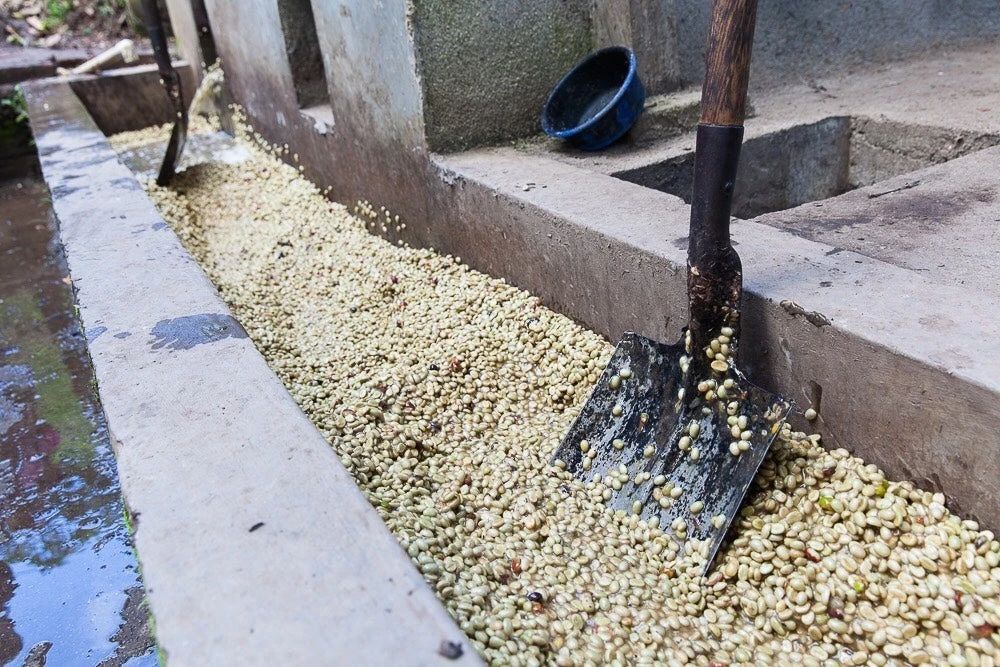
The common processing method is washing, which can highlight clean, clear acidity and complexity; Brazil mostly uses semi-washed (pulped natural), with larger, more intact beans and a flavor leaning toward nuts and low-acid richness.
II. Main Regions and Flavor Characteristics
1. Brazil: The World's Largest Producer, a Benchmark for Low-Acid Richness
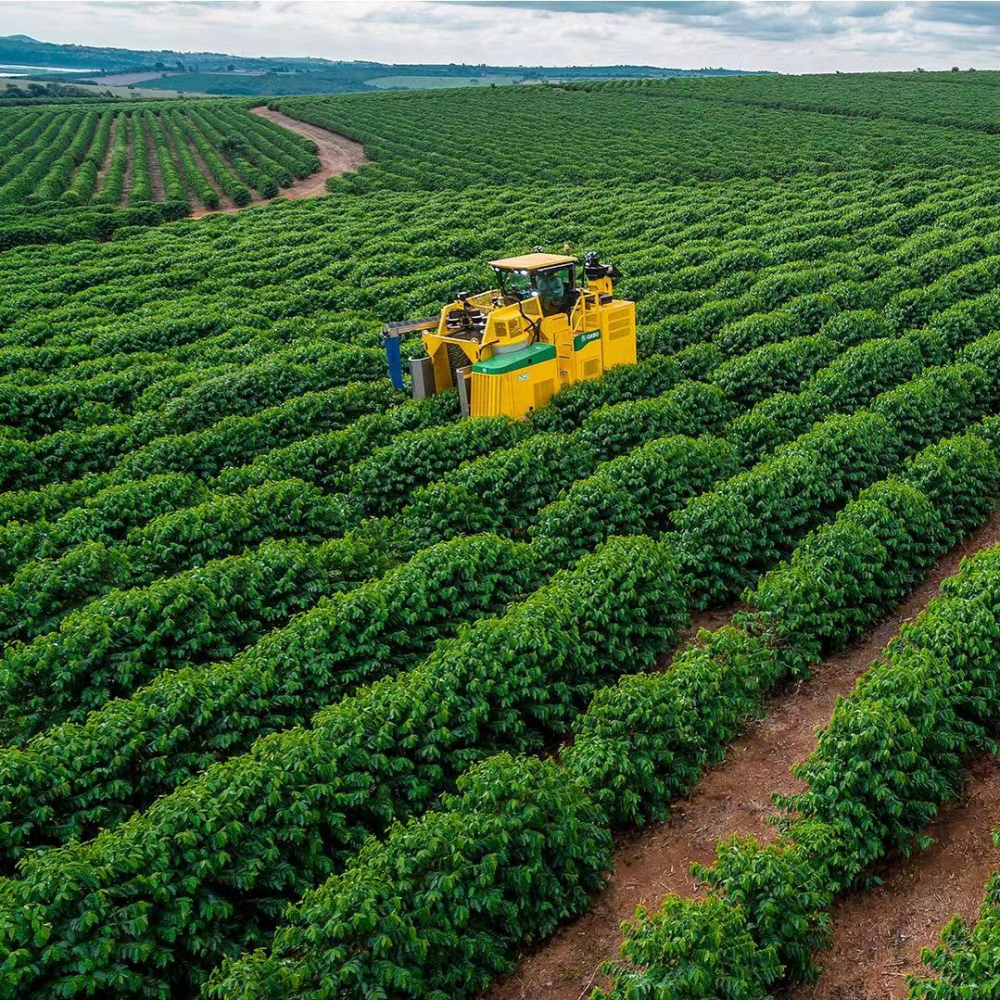
As the world's largest coffee producer, Brazil accounts for a very large share of global coffee supply. Although Brazilian coffee was often considered bland in the past, through continuous improvement of varieties and processing techniques, it can now express rich nut, chocolate, and caramel notes.
Brazilian coffee is characterized by low acidity, full body, and prominent nut and chocolate flavors. Common processing methods include natural, semi-washed (pulped natural), and washed; high-altitude areas mostly use washing, while low-altitude areas prefer natural or semi-washed. Due to climatic limitations, the growing altitude of Brazilian coffee beans is generally not high, so they do not use "hard bean" as a selling point, but are graded by bean size, defect rate, cupping performance, and flavor.
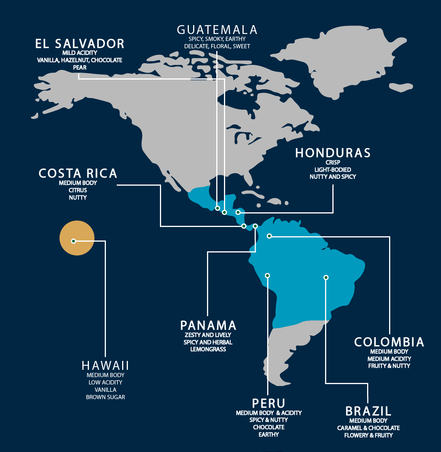
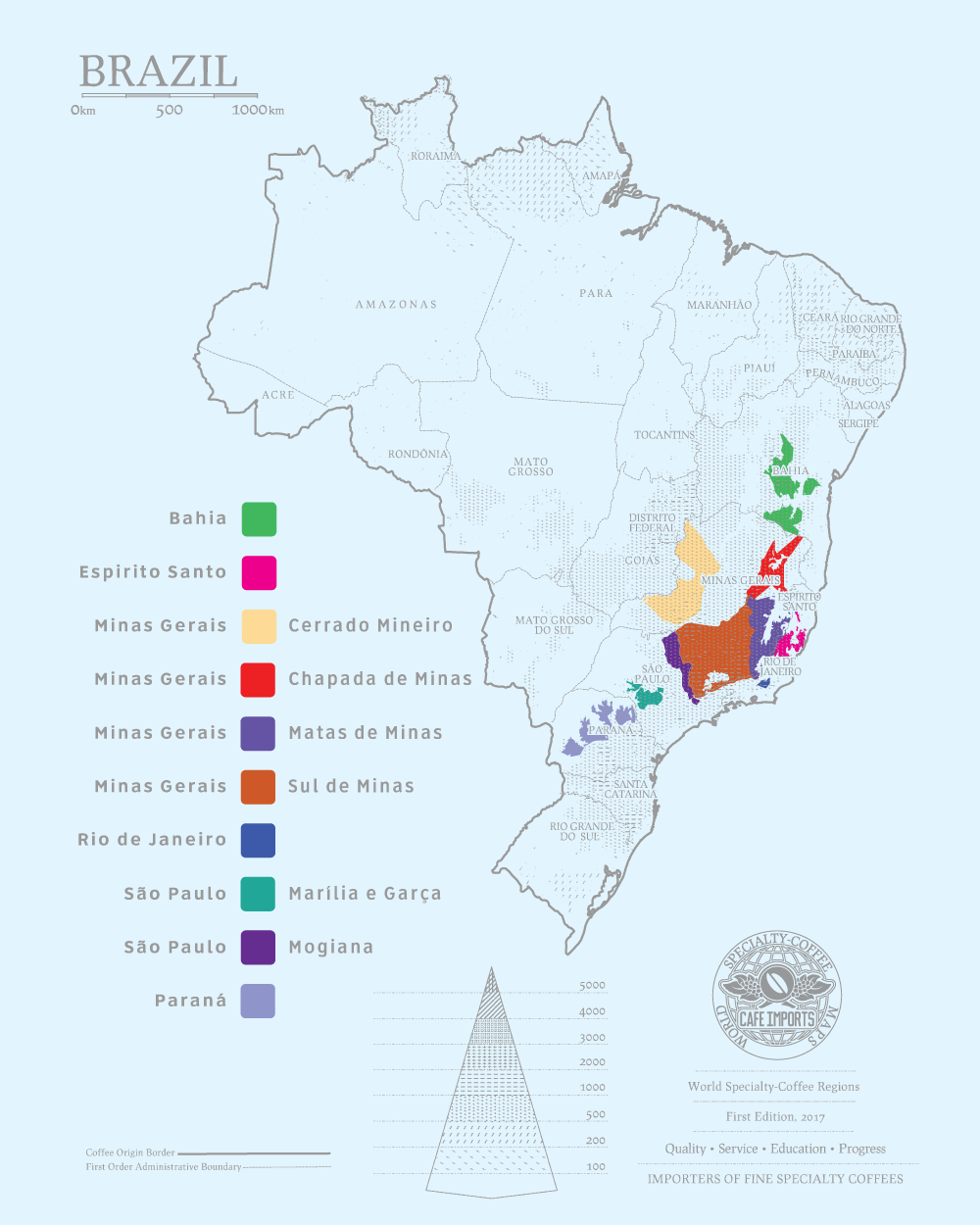
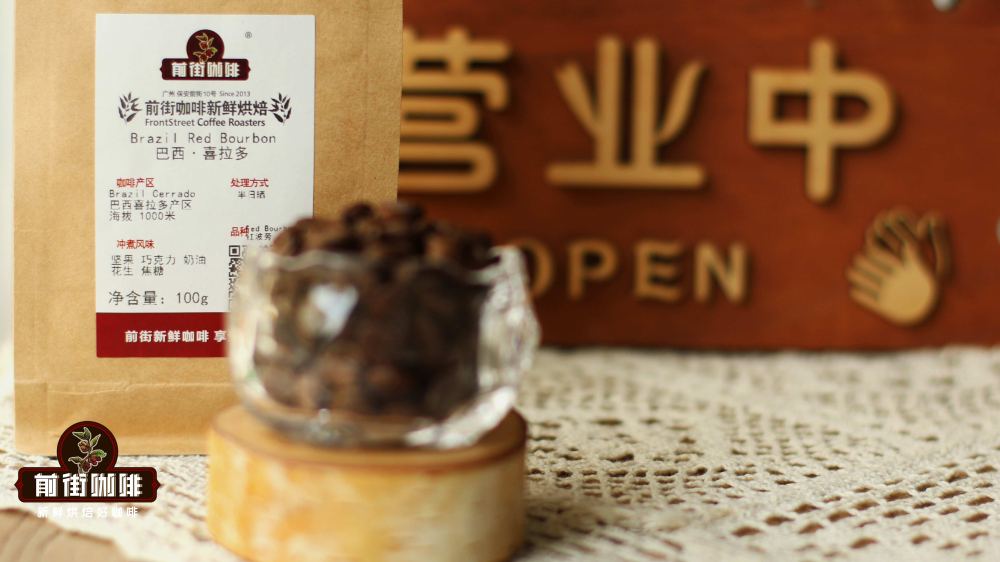
The main producing areas are concentrated in Minas Gerais, São Paulo, Bahia, and Espírito Santo. Among them, Cerrado and Sul de Minas in Minas Gerais, due to their high altitude, produce a good deal of high-quality coffee. Typical flavor descriptions: distinct nutty notes, caramel sweetness, and a soft dark chocolate finish.
2. Colombia: Excellent Balance, Bright Acidity
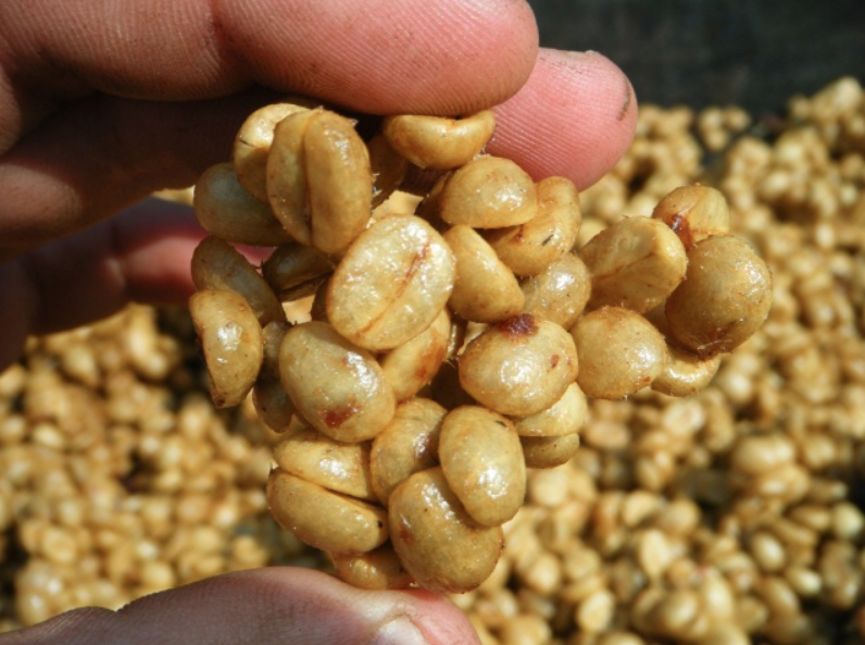
Ranking as the world's third-largest coffee producer, Colombia has diverse terrain and marked climatic differences among regions, giving its coffee both solid nuttiness and bright fruity acidity, with an overall balanced expression. The common processing method is washing; because farmers mostly process their own coffee, more silver skin is retained, giving the beans a distinctive appearance.
In flavor, Colombian coffee has mild acidity, both nut and chocolate notes, and excellent balance. The producing regions are divided into north, central, south, and east, among which the south and central regions, due to higher altitude, produce coffee with greater specialty potential.

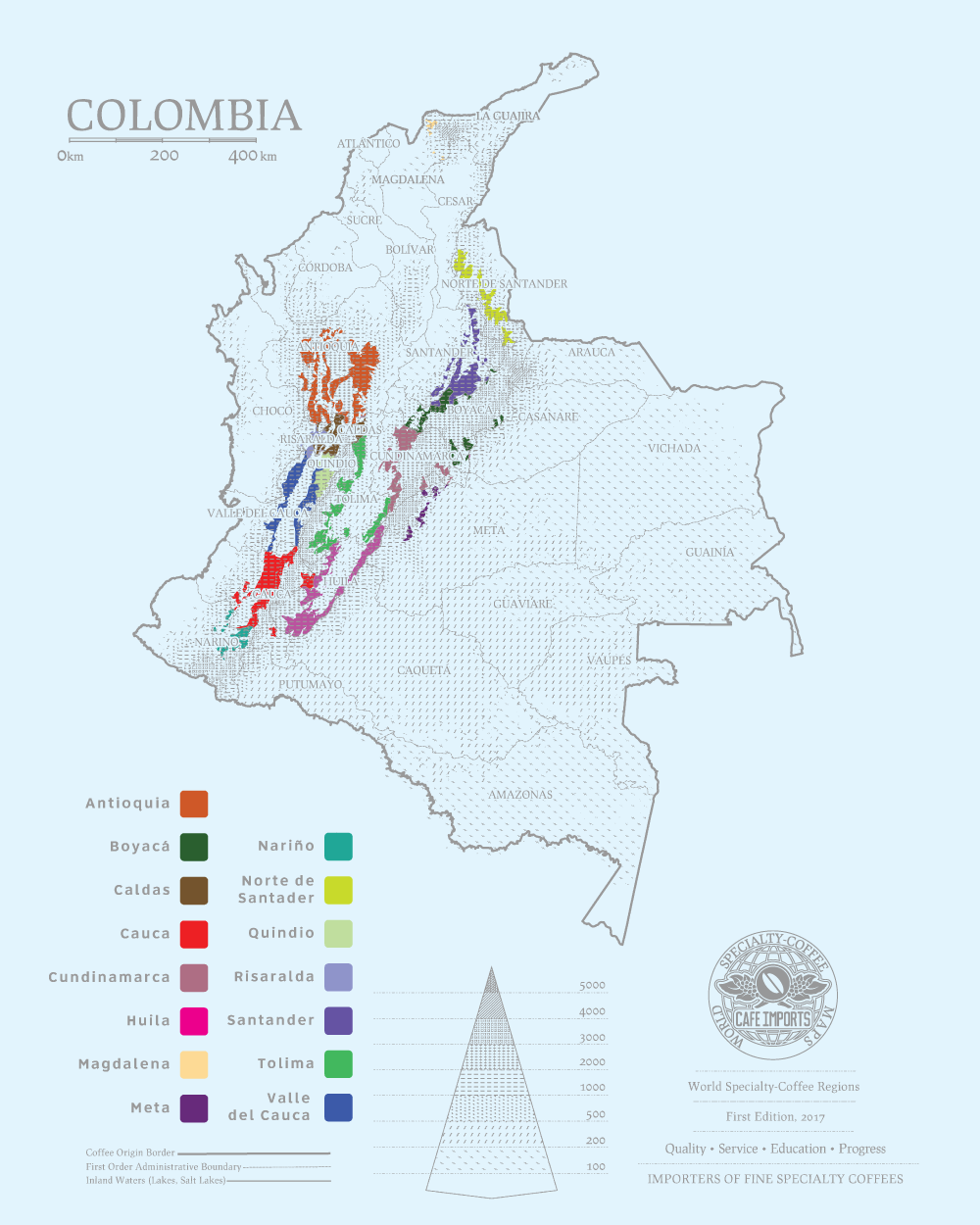
A representative region is Huila, whose coffee often has floral aromas, berry notes, and mild acidity, with a finish often accompanied by dark cocoa and a creamy mouthfeel.
3. Panama: Home of Geisha, a Paradigm of Floral and Fruity Aromas
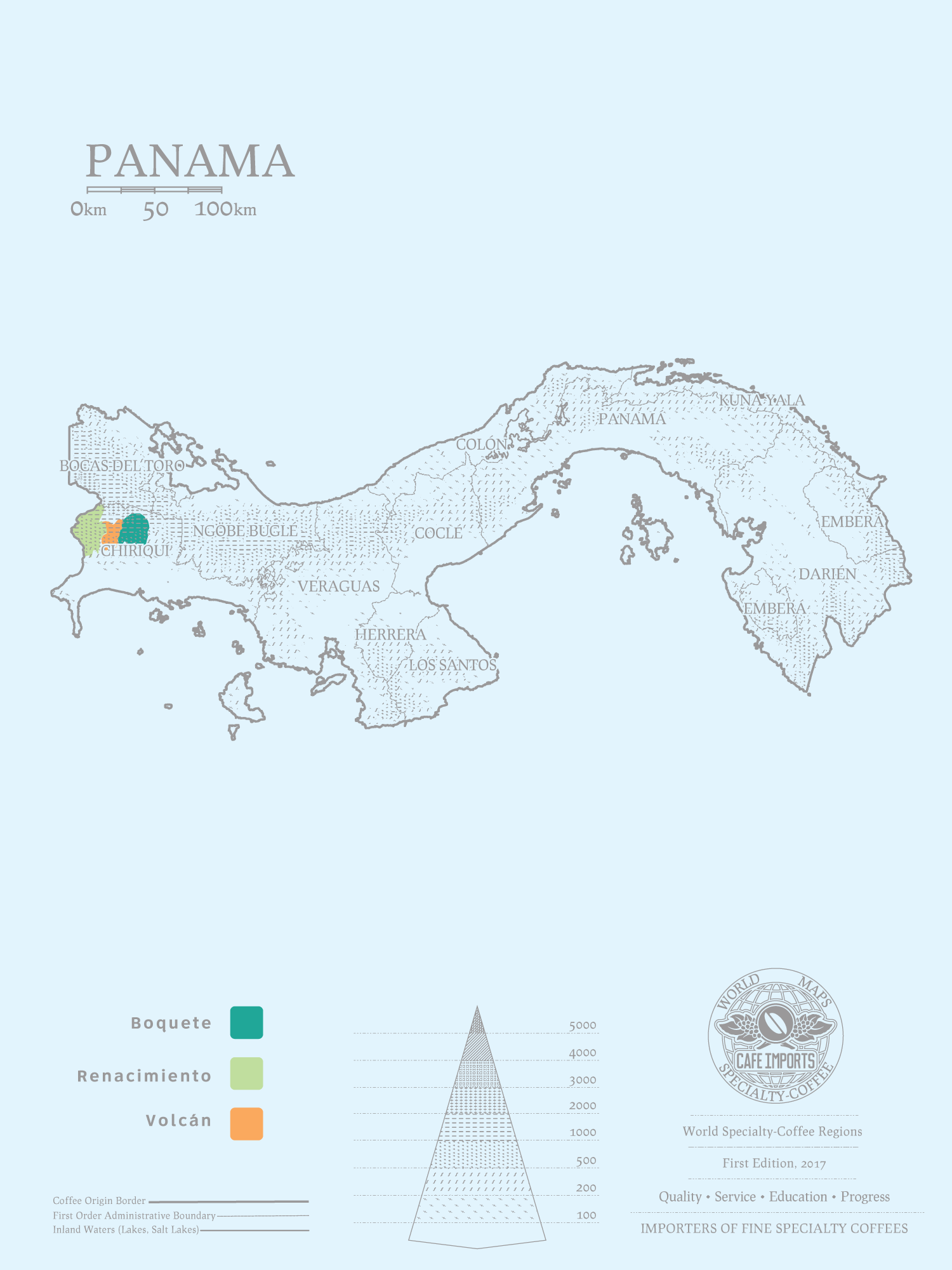
Famed worldwide for the Geisha variety, Panamanian coffee is sought after for its high-toned floral and fruity aromas, bright acidity, and rich layers of flavor. Local volcanic soil, high altitude, and diverse microclimates, together with refined processing techniques, make Panama one of the representative specialty coffee regions.
Common processing methods include washed and natural, as well as innovative processes such as wine processing, which can give coffee more complex sweetness and vinous notes.

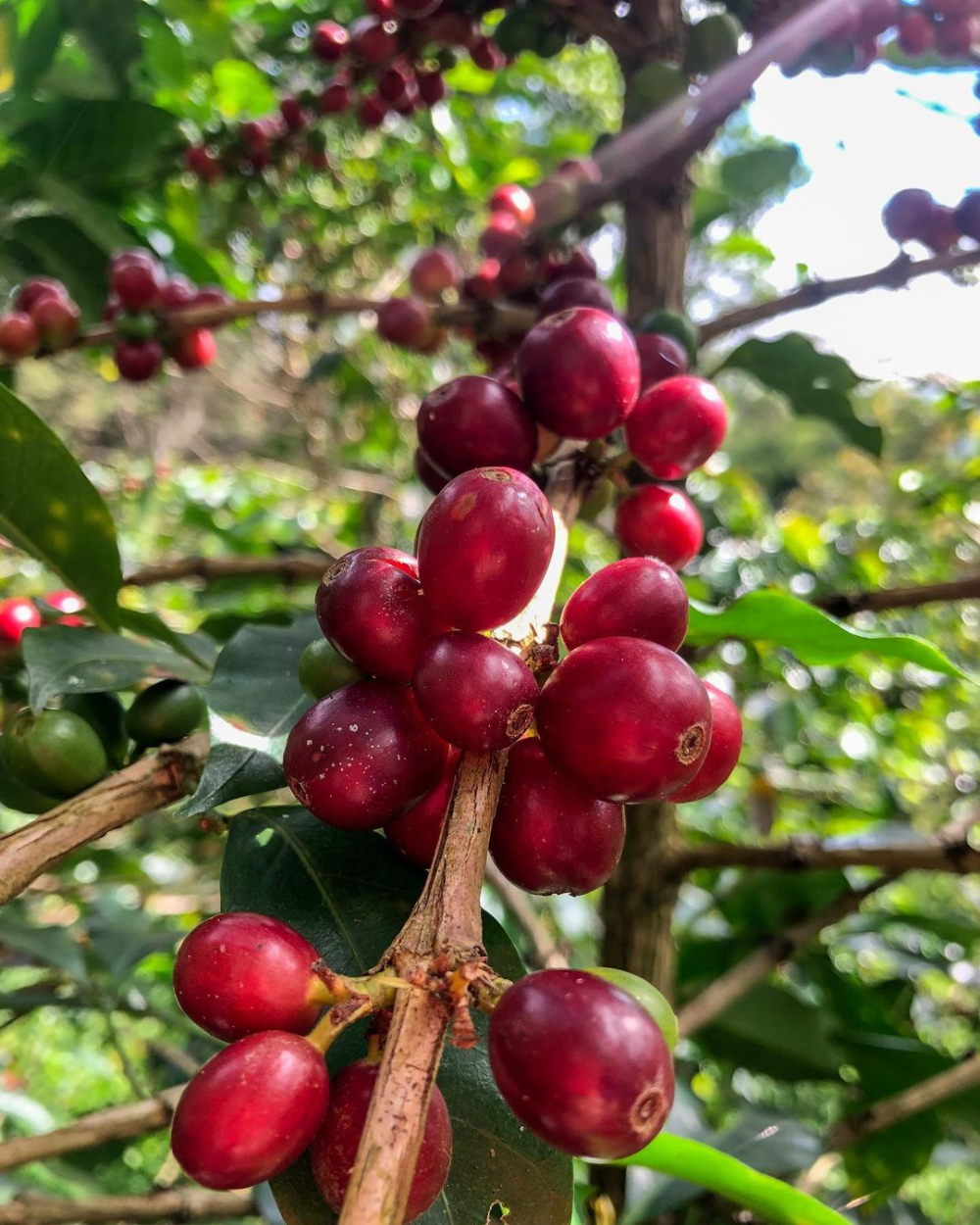
Main producing areas include Boquete, Volcán, and Candela; the Volcán region reaches altitudes of up to 2,000 meters, producing coffee with a mild and balanced mouthfeel. The Geisha variety here displays distinctive jasmine, peach, tropical fruit, and a black tea finish.
4. Costa Rica: A Pioneer of Honey Processing, with Outstanding Sweetness
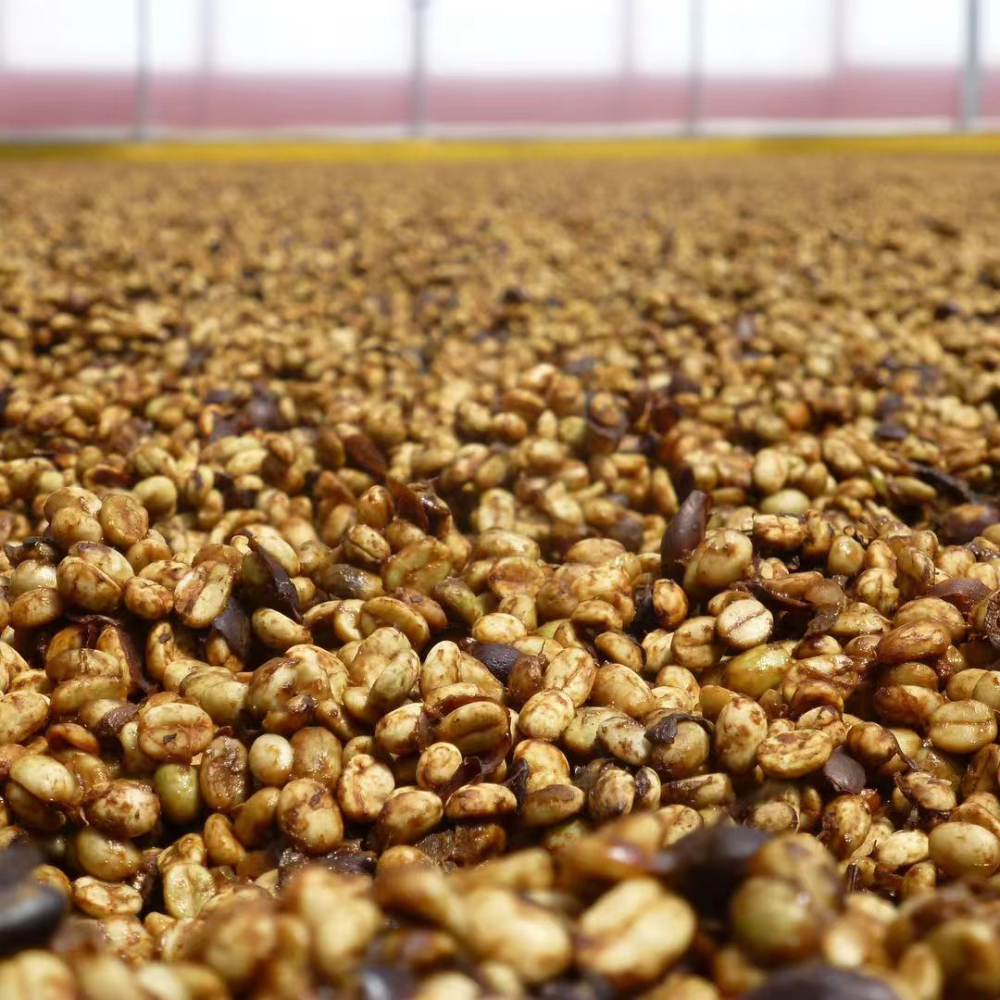
Costa Rica is one of the earliest coffee-growing countries in Central America. The law explicitly stipulates that only Arabica may be grown, the coffee industry receives strong government support, and the private estate system is well developed. Its most representative processing method is honey processing, which, by retaining different amounts of mucilage, develops variations such as white honey, yellow honey, red honey, and black honey, with outstanding sweetness.
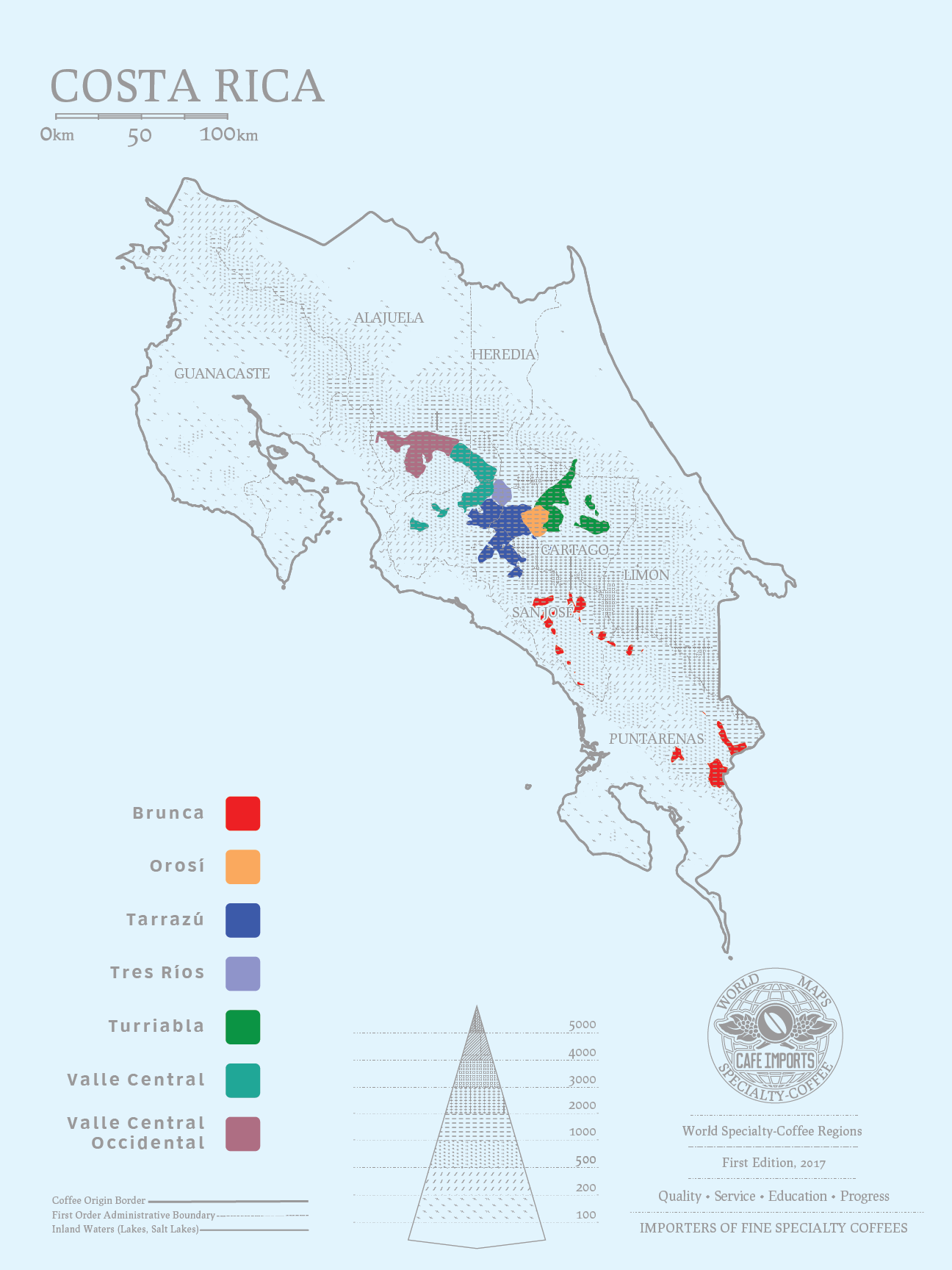
Costa Rican coffee is moderately sweet and acidic, with nut and toffee flavors, fragrant and pleasant. Main producing areas include Tarrazú, the Central Valley, and Tres Ríos; among them, Tarrazú, due to its high altitude, produces coffee with a full mouthfeel and intense aroma.
5. Honduras: A Rising Star, Innovative Sherry Cask Fermentation
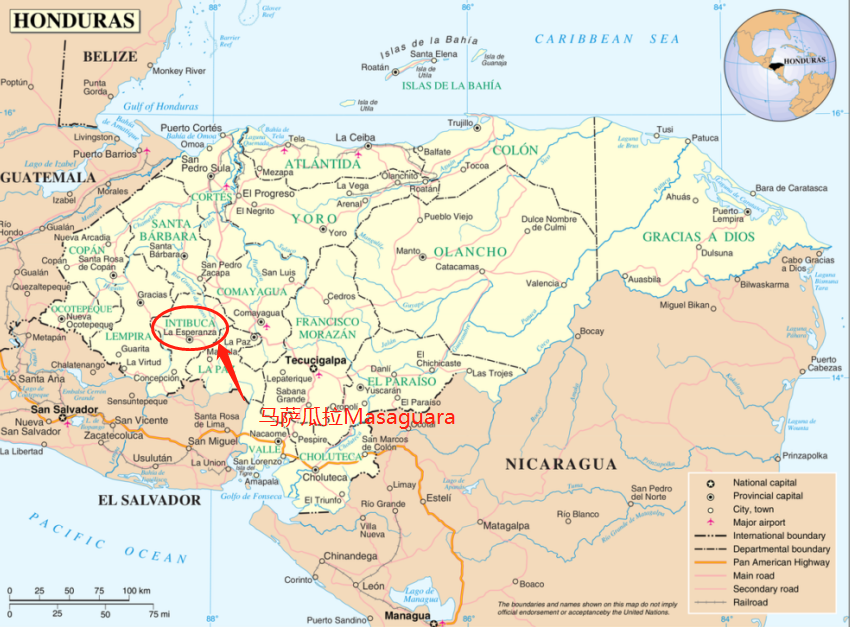
Honduras's coffee industry started relatively late but has risen rapidly thanks to high-altitude growing environments and innovative processing methods. In recent years, cask-fermented washed methods, especially sherry cask processing, have brought intense vinous aromas and caramel sweetness to coffee, and are highly favored by the specialty market.
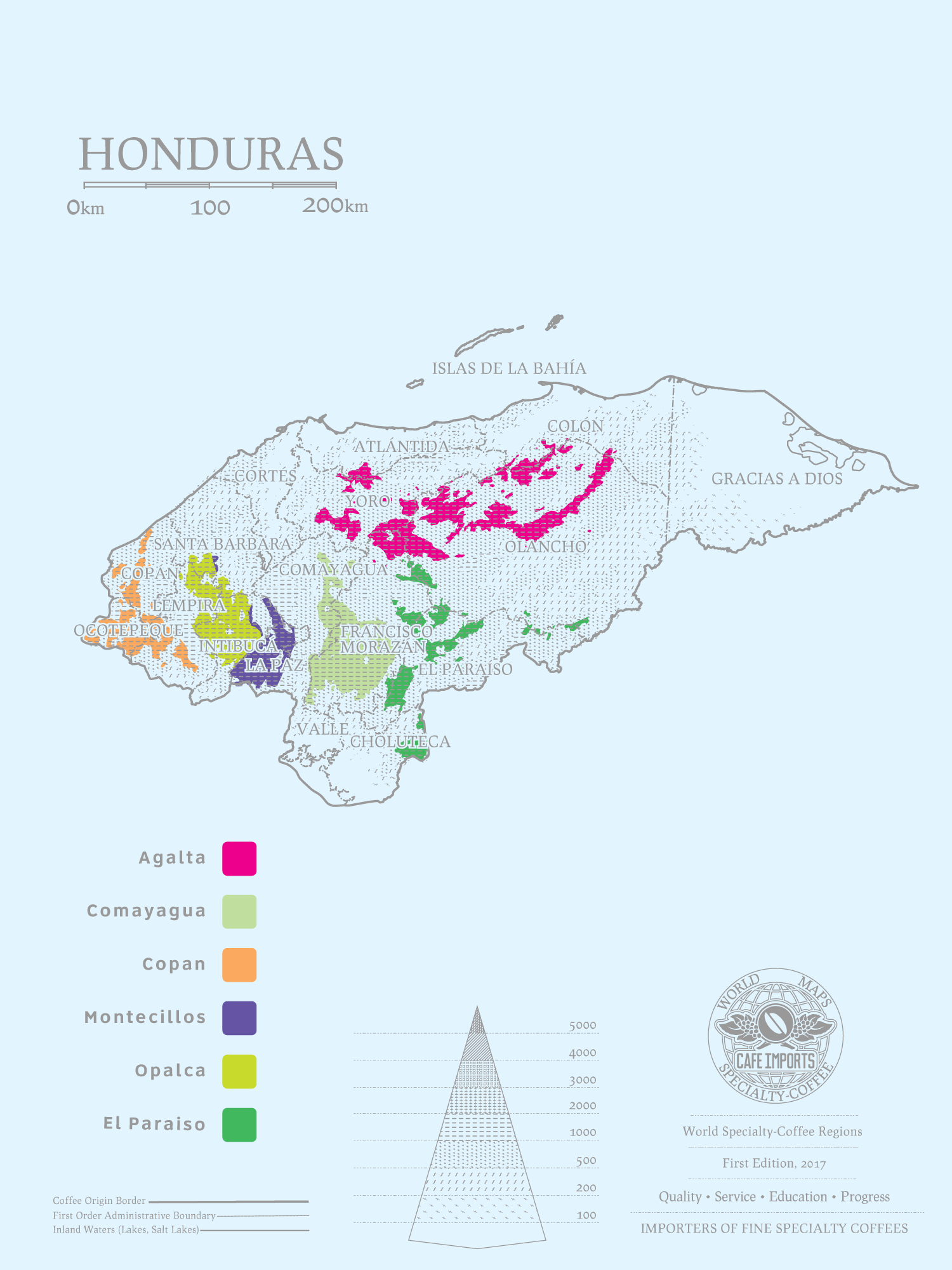
The country's coffee is balanced and smooth, with coordinated sweetness and acidity, and both body and aroma. Producing areas include Montecillos, Copán, and Marcala; the latter is known for its sherry coffee, with layers of vanilla, cream, citrus, and dark chocolate.
6. Jamaican Blue Mountain: Ultimate Balance, Harmony of Three Flavors
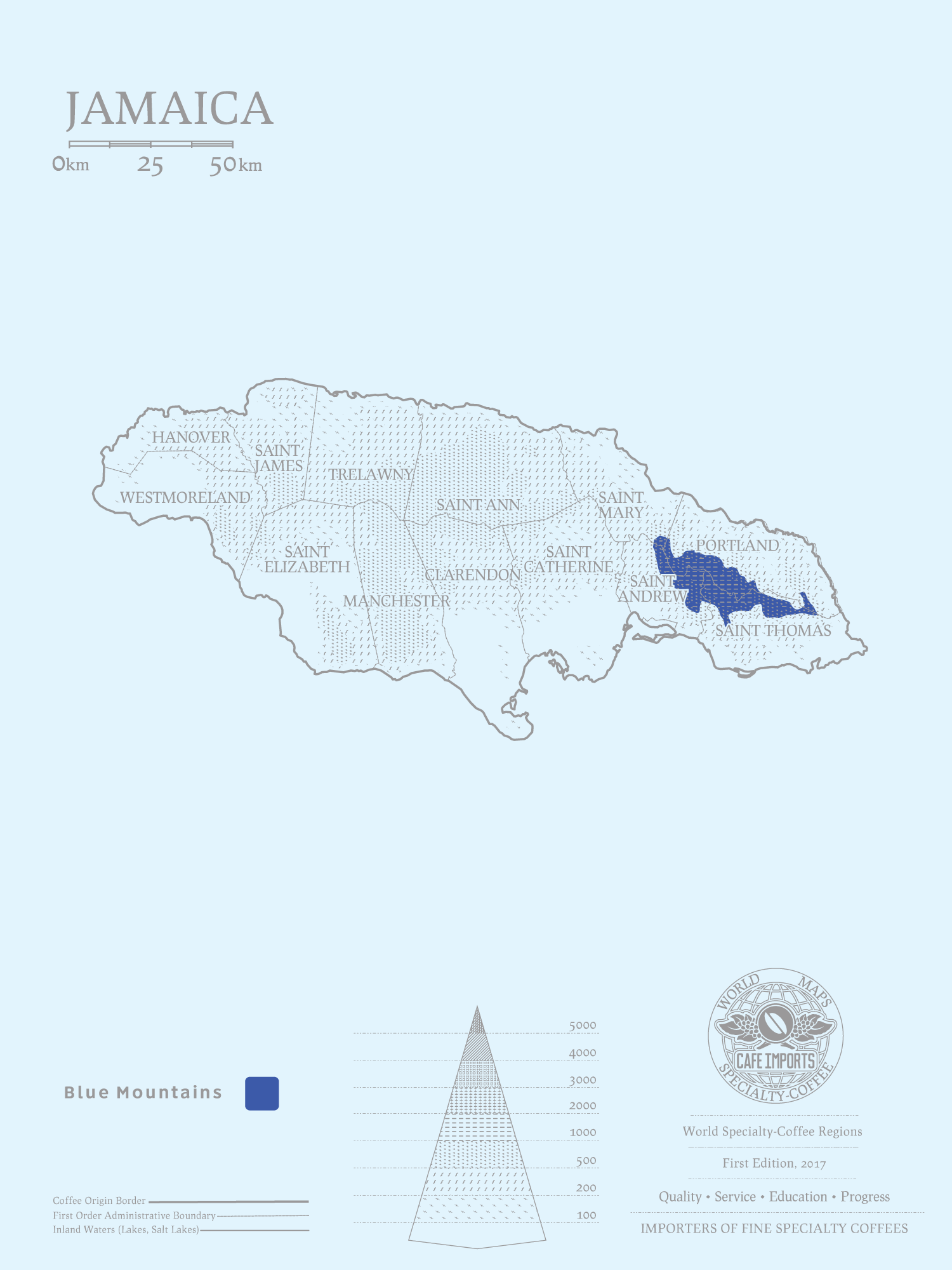
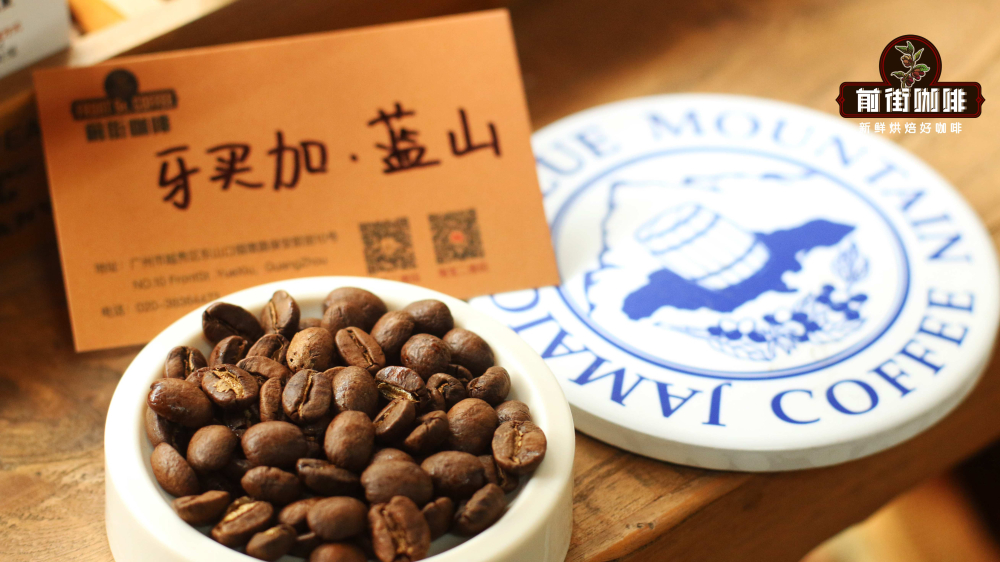
Jamaican Blue Mountain coffee is known for its stringent growing conditions and scarce production, and is globally recognized as one of the top coffees. Grown in areas below 1,700 meters in the Blue Mountain Range, with a cool, rainy climate and large day-night temperature differences, it achieves its unique flavor of a perfect balance of sweetness, acidity, and bitterness, fragrant and rich.
Blue Mountain coffee is graded in detail, with Blue Mountain No. 1 at the top: full bean shape, extremely low defect rate, and a flavor expression of mild acidity, solid body, and a clean, sweet aftertaste.