Nicaraguan Maracaturra Coffee: Flavor and Farm Analysis
Introduction: Take a closer look at one of Nicaragua's core coffee regions and explore the unique flavor and growing story of Maracaturra coffee from Finca La Belleza. From the high-altitude growing environment nurtured by volcanic soil to the meticulous washed processing, this article details the variety's flavor characteristics, processing method and optimal brewing parameters, offering coffee lovers a professional reference for purchasing and brewing.
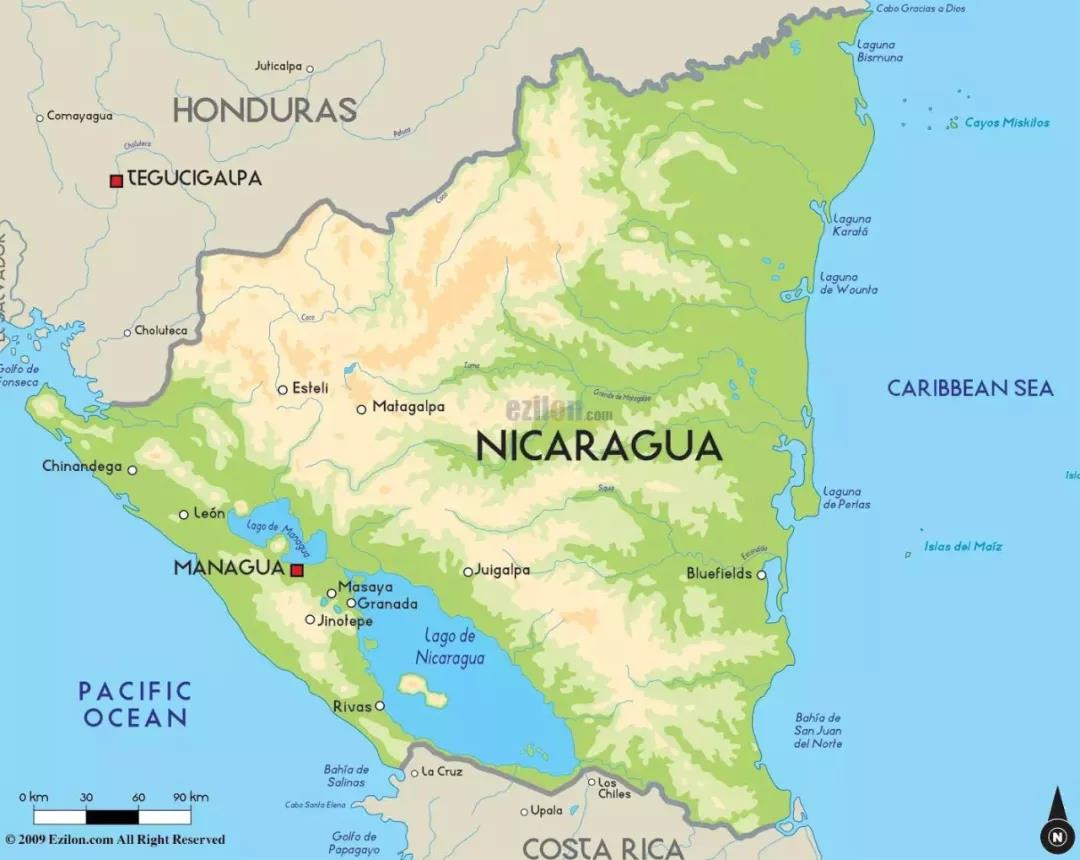
As an important coffee-producing region in Central America, Nicaragua is endowed with a distinctive geographical environment and abundant volcanic soil that give rise to coffee beans with unique flavors and consistent quality. The country is divided into four main regions: Segovia, Matagalpa/Jinotega, Boaco, and the Pacific Coast. Among them, Segovia, at elevations of 1,500–2,000 meters, is the main source of Nicaragua's specialty coffee; its beans are classified as SHG (Strictly High Grown) and have a distinct regional character.
Nicaraguan coffee is widely grown in volcanic-ash soil under shade, which gives the coffee a soft flavor with bright acidity. The beans are generally large, and the Madriz region, located in the northern mountains of Nicaragua and bordering Nueva Segovia, Jinotega and Estelí, is not only scenic, home to the famous Somoto Canyon, but also home to several indigenous groups and people of Spanish descent, creating a distinctive cultural and agricultural landscape. Annual rainfall there ranges from 1,500 to 1,700 mm, with temperatures between 20 and 29 degrees Celsius—an ideal environment for growing quality high-altitude coffee.
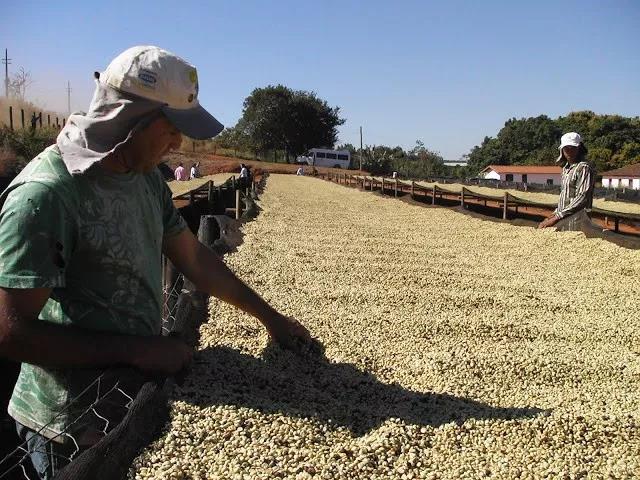
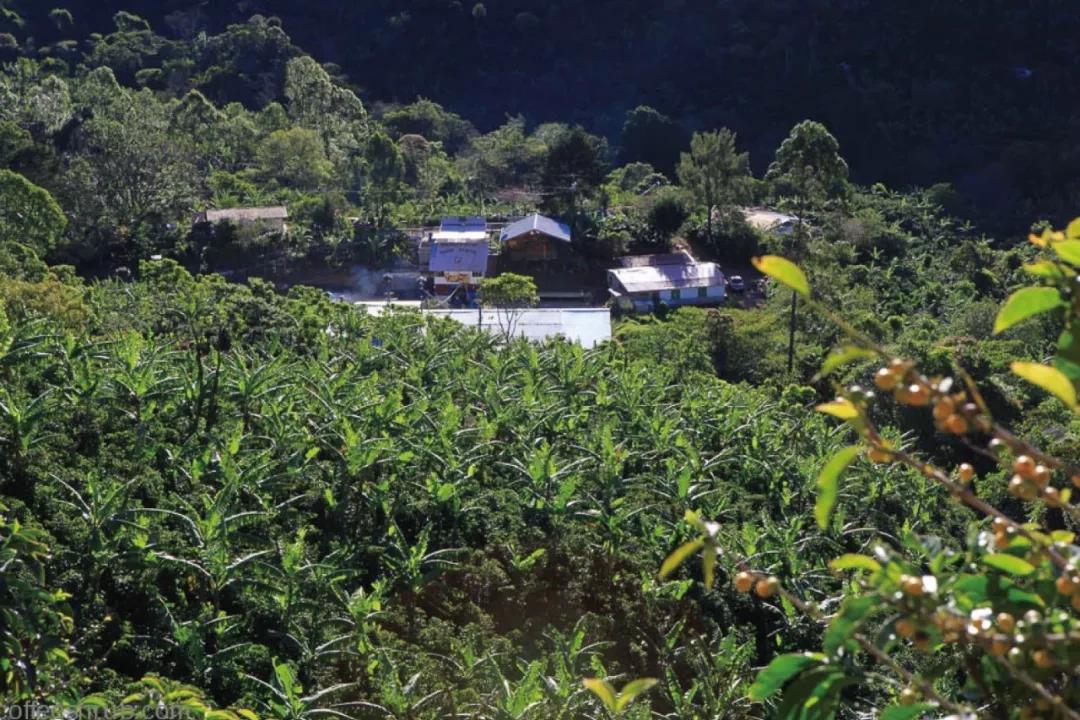
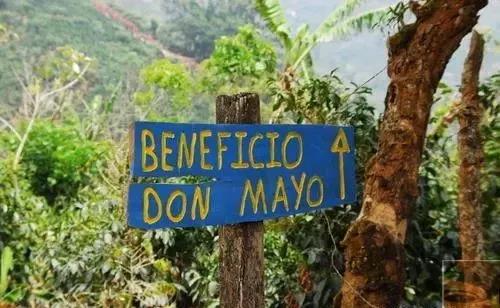
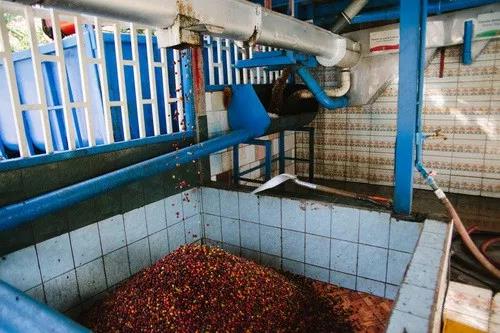
Finca La Belleza is located on the outskirts of San Fernando, Nicaragua, and is run with dedication by founder Roger Esau Herrera Ortez and his family. The farm lies between 1,400 and 1,650 meters; the lower temperatures at high altitude lengthen the coffee trees' growth cycle, and they generally take four years to reach the fruiting stage. This slower pace of growth also makes the farm's coffee cherries richer and sweeter in flavor. Roger Esau Herrera Ortez chose this site in 1997 and overcame numerous challenges; today he owns four growing plots and a wet mill. Besides Finca La Belleza, which he manages himself, the other three plots are each managed by his children. In recent years he has substantially upgraded the wet mill's equipment, introducing a wastewater recycling system and refined washing and grading technology, significantly improving coffee quality and grading efficiency while reducing environmental pollution. This harvest season, the farm also won fifth place in Nicaragua's Cup of Excellence green coffee competition.
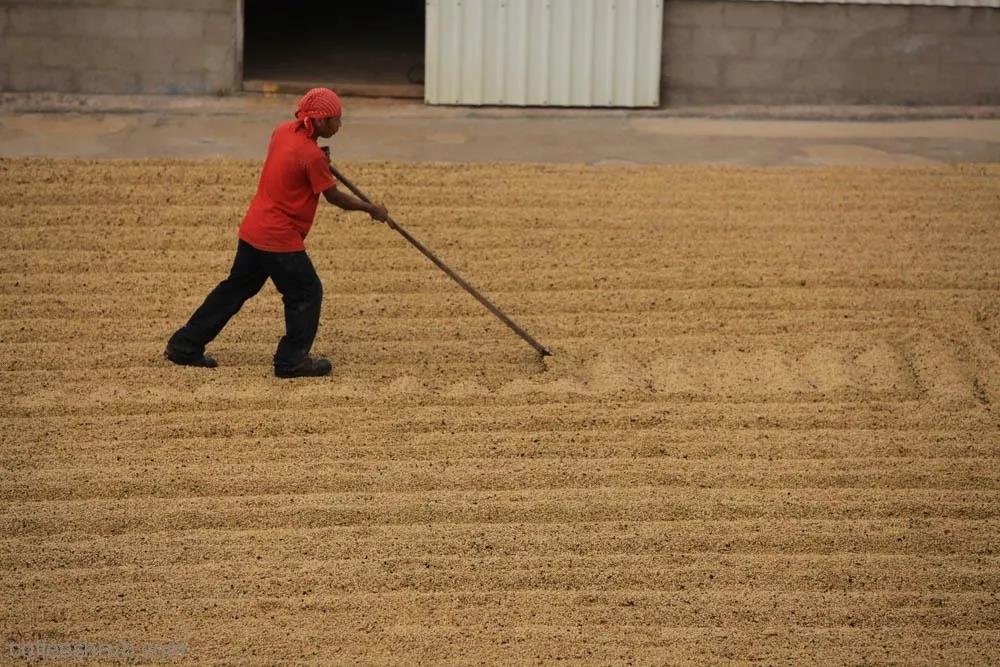
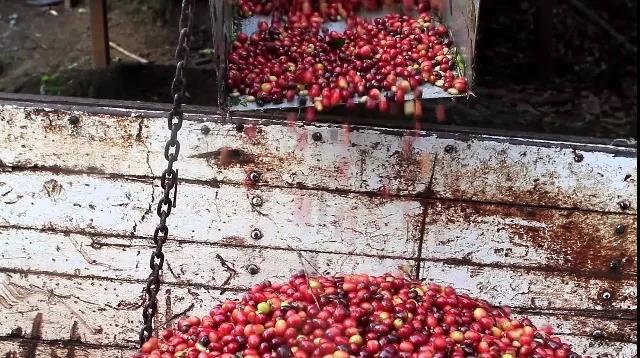
Nicaraguan coffee is generally processed by the fully washed method, which relies on a stable and ample water supply. During processing, after the skin, pulp and mucilage are removed, the coffee cherries must be placed in washing tanks to ferment for 24–30 hours. They are then made smooth and clean through water flow and manual turning, laying the foundation for subsequent drying and flavor development.
Among Nicaragua's many coffee varieties, Maracaturra has become one of the most notable locally thanks to its unique genetic combination and excellent flavor performance. The variety is a cross between Maragogype and Caturra, inheriting both the large bean size of Maragogype and the bright acidity and high yield of Caturra, and is fairly widely planted in Nicaragua. It is worth noting that this variety has twice won Cup of Excellence awards at Finca Himalaya in Apaneca, El Salvador.
Maracaturra's popularity among growers is closely tied to its multiple advantages. Like Maragogype, it has a striking large bean size, while inheriting Caturra's quality flavor and good yield. Its plants are relatively short with dense leaves, which help resist strong winds and make it especially suited to windy environments. However, the variety is fairly susceptible to leaf rust and requires more management and protective measures during cultivation. In terms of flavor, Maracaturra shows pronounced tropical-fruit notes and lively acidity, and it placed fifth in the 2015 Cup of Excellence. Many growers are trying semi-washed, honey and natural processing to unlock more of its flavor potential, and using equipment such as African beds to optimize drying and ensure even flavor development.
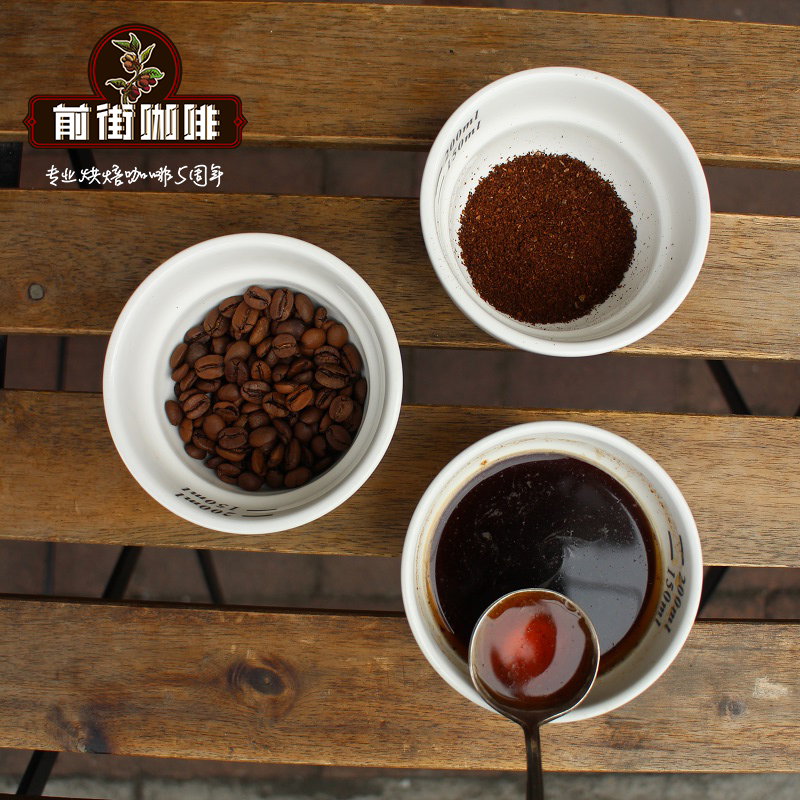
In roasting, because Maracaturra beans are large and dense and absorb heat more slowly, the Maillard reaction is correspondingly prolonged. Take a classic roast profile as an example: charge temperature is set at 200 degrees Celsius, with strong initial heat adjusted gradually as roasting proceeds. The yellowing point is reached at about 6 minutes, with the temperature rise held at 6–8 degrees Celsius every 30 seconds. Using a Yangjia 600g semi-direct-fire roaster, the beans are dropped at 192.5 degrees Celsius; the resulting coffee is clean and balanced, round on the palate with a lasting sweetness, and a finish with almond-like sweet aroma and lively character.
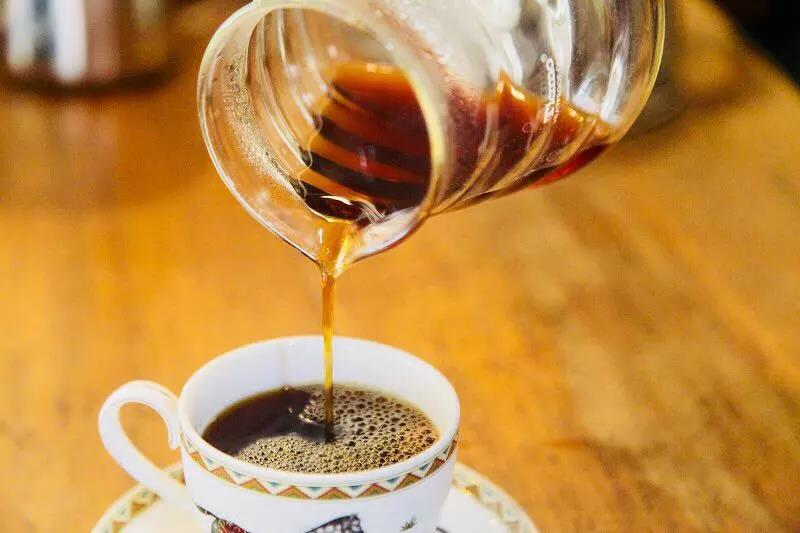
For brewing, Maracaturra coffee is suited to siphon or pour-over methods to fully reveal its layered flavor characteristics. A V60 dripper is recommended, with 15 grams of coffee, water at 91–92 degrees Celsius, a grind of about 3.5 (referenced to a Japanese Fuji R440), and a water-to-coffee ratio of 1:15. In practice, first pour 33 grams of water for a 25-second bloom, then pour in stages, pausing at 100 ml, then slowly pouring to 225 ml; the commonly used parameter ratio is 30-100-95. For other drip devices, such as a French press, a grind of 3.5–4 and water at 92°C are recommended; for an AeroPress, a grind of 2.5 and water at 88°C; for pour-over, a grind of 3.5 and water at around 89°C can also be used to fully release its tropical-fruit notes and nutty finish.
In summary, the Maracaturra coffee from Nicaragua's Finca La Belleza, with its high-altitude growing environment, unique genetic advantages and meticulous processing, presents a rich flavor, balanced acidity and sweetness, and a long finish. Whether you are a coffee enthusiast or a professional, you can experience the diversity and refined craftsmanship of Central American coffee in it.