Yunnan Arabica Guide: Varieties, Grades, Origins and Pour-Over Flavor
Introduction: Explore the unique appeal of Yunnan arabica coffee, from the legendary history of the century-old Zhukula trees to field visits in core producing areas such as Pu'er and Baoshan, with a full analysis of the characteristics of mainstream varieties such as Typica and Catimor. Detailed introduction to the key steps of the washed processing method, precise pour-over parameter suggestions and flavor descriptions help you systematically understand the growing altitude requirements, quality grading standards and tasting points of Yunnan coffee.
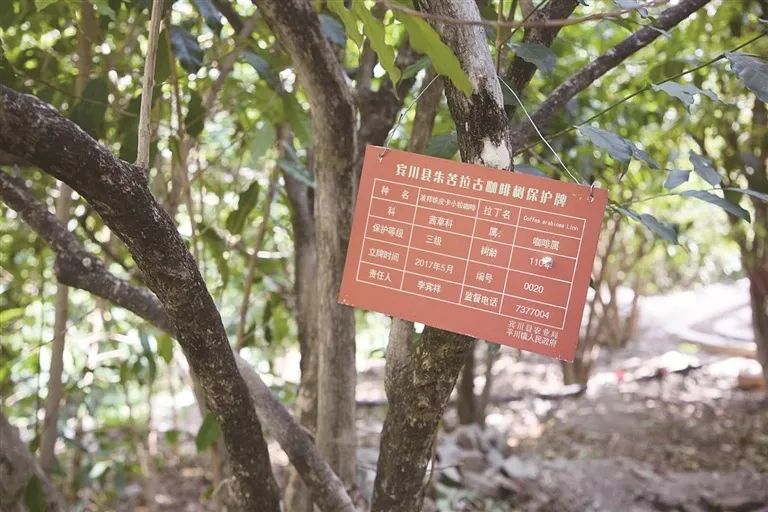
When Chinese coffee is mentioned, Zhukula is a milestone place that cannot be avoided. In 1904, French missionary Tian Deneng traveled over mountains to Zhukula village in Binchuan County to preach, and during that time planted coffee seeds from Vietnam (Typica variety) in front of the Catholic church. These coffee trees not only became the starting point of coffee cultivation in China; after more than a century of natural propagation, 24 old trees still remain, becoming living fossils that witness the history of China's coffee development. Limited by the steep terrain, reaching Zhukula requires waiting for the dry season and relying on a local guide to drive there. Today the area is gradually developing coffee-themed tourism projects.
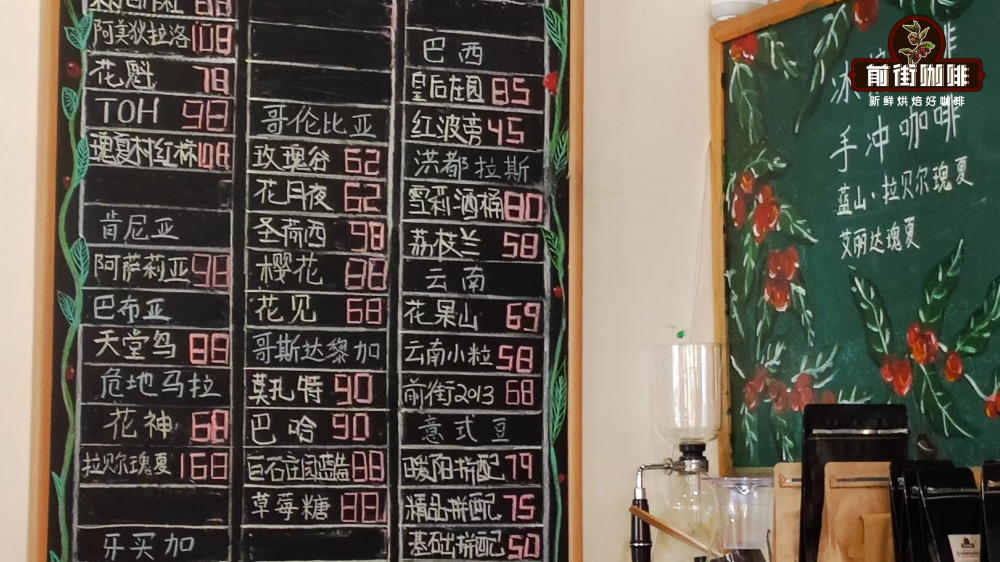
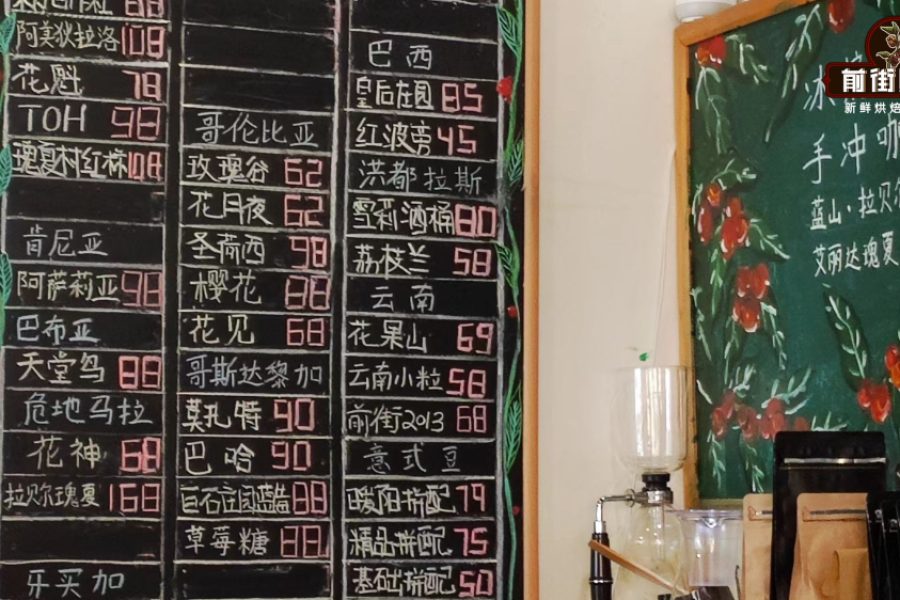
For enthusiasts new to Yunnan coffee, the Pu'er producing area is recommended as the first starting point for exploration. This region is not only the highest-yield coffee area in Yunnan, gathering purchasing centers of international brands such as Nestlé and Starbucks, but also has well-developed supporting facilities: a convenient transport network, a mature urban environment, diverse coffee estate experience programs, themed accommodation and professional cafés. It brings together all types of visitors, from beginners to bulk buyers, and the chance of running into industry experts in cafés is quite high, allowing a quick overall understanding of Yunnan's coffee industry.
Within Pu'er's coffee ecosystem, there are three key places not to be missed: the Yunnan Coffee Trading Center (allow half a day for a visit; you may run into experts from international coffee organizations, and it is a window for the latest market trends); the Nestlé Coffee Center (a 30,000-square-meter modern green bean testing and warehousing facility where, through the glass, you can observe professional-grade sample roasting and the operation of precision cupping equipment); and a hidden coffee spot in Lujiangba, Baoshan.
Baoshan's Lujiangba has grown coffee on a large scale since 1955. Its unique advantage lies in the close proximity of farmers and coffee fields: contiguous growing areas sit right around residential areas, and Taiwanese immigrants together with local growers have built a refined small-estate culture. Compared with Pu'er's commercial cluster, Baoshan focuses more on word-of-mouth marketing among regular customers, and traditional varieties such as Bourbon and Typica are still retained here. Notably, veteran local grower Fan Qizuo has long been devoted to cultivating specialty coffee varieties, and his results have been adopted by several domestic brands.
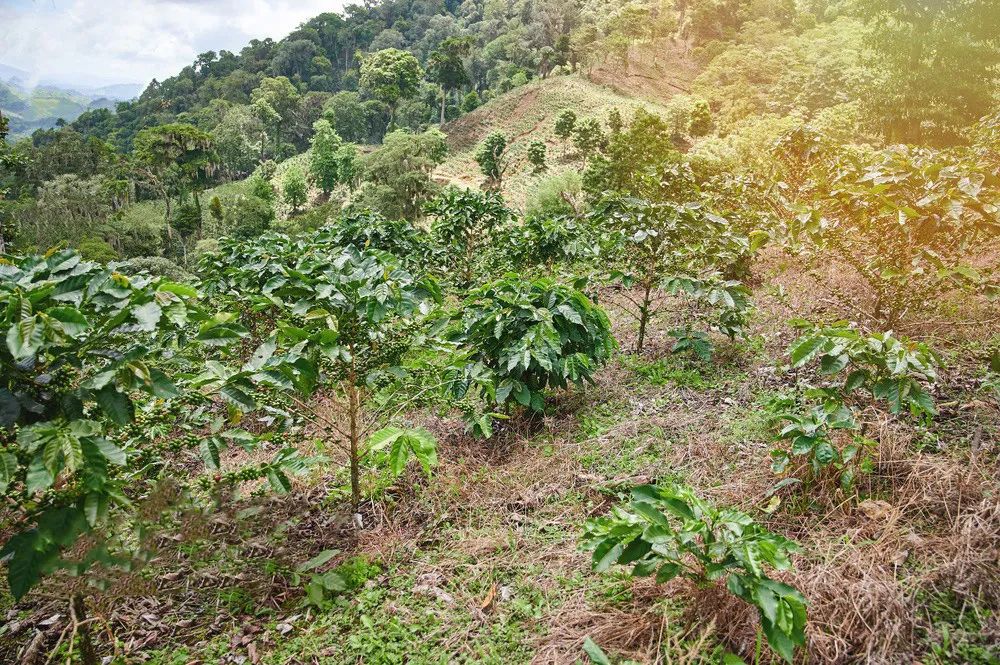
The traceable origin of Yunnan arabica coffee goes back to the Typica variety introduced in 1904 (an arabica small-bean type), whose bean diameter is smaller than Robusta (medium bean) and Liberica (large bean). Because Typica is susceptible to leaf rust and has low yields, Catimor gradually became mainstream in later promotion. This variety, a cross between arabica Typica and Robusta Tim, inherits the advantages of 25% Robusta genes: enhanced disease resistance and higher oil content, while retaining some of Typica's flavor characteristics. At present, Yunnan's main producing areas are mostly concentrated at altitudes of 800-1800 meters, among which coffee beans from the dry-hot river valley zone at around 1100 meters have moderate acidity, rich aroma and a mellow mouthfeel.
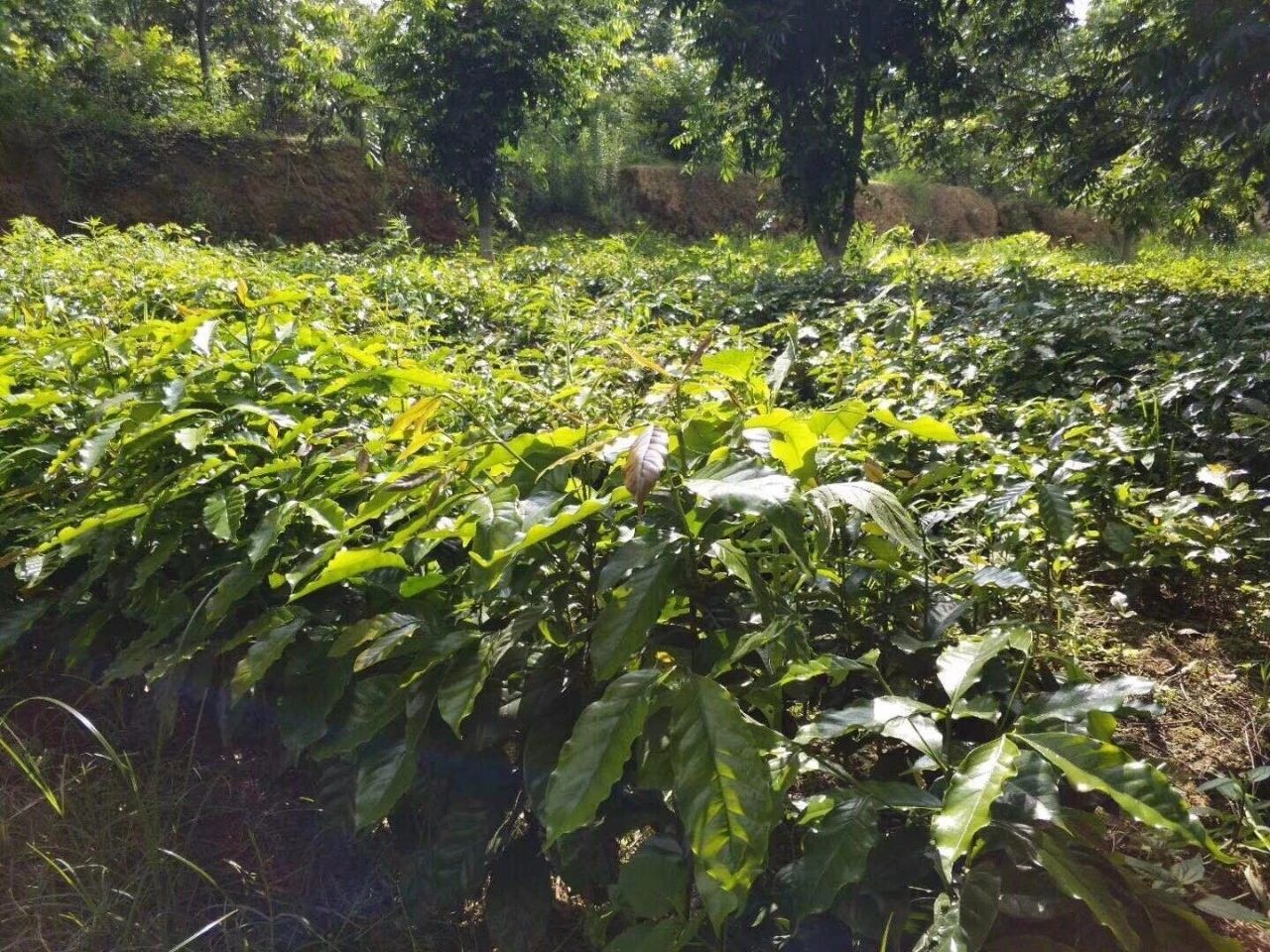
Given Yunnan's changeable climate conditions (especially the effect of the rainy season), the washed processing method has become the mainstream technique: after picking, coffee cherries are floated to remove impurities, then placed in fermentation tanks filled with water for pectin separation. Key operating points include: sunken stones must be removed by hand, light debris is cleared through a sieve, and mucilage-covered berries are transferred to processing channels via a siphon device. This process effectively controls the degree of fermentation and ensures the purity of the final beans.
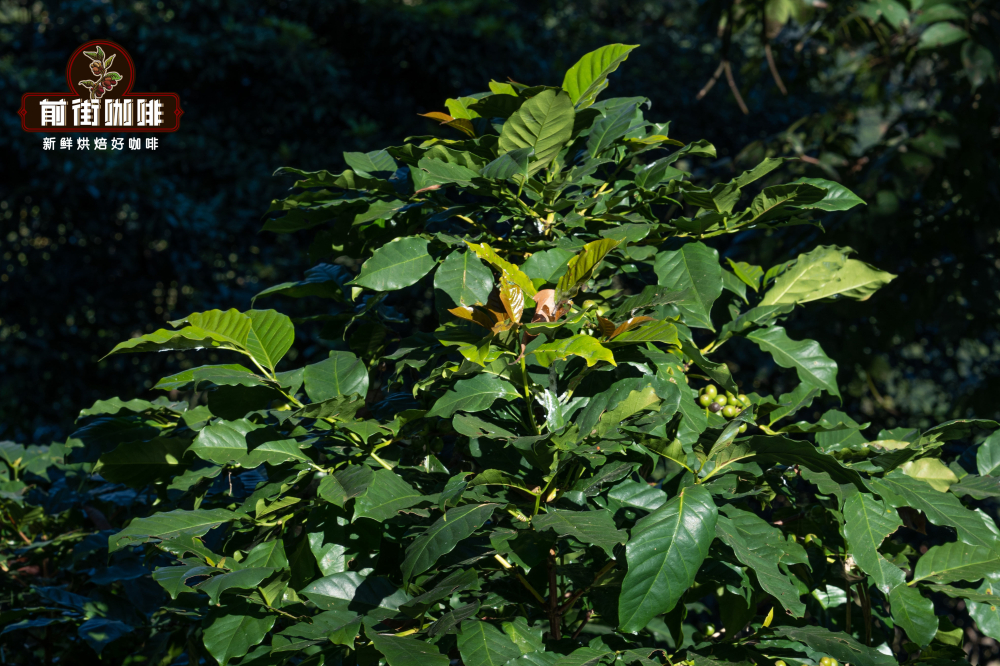
Yunnan coffee's varietal composition is diverse: besides the widely planted Catimor, it also includes Typica, Bourbon, Caturra and Catuai. Catimor dominates because of its disease resistance and high yield, while Typica, as the original variety, survives only in small quantities in specific areas. Notably, altitude directly affects flavor expression: too high easily leads to sharp acidity, too low increases bitterness, and the 1100-1300 meter range usually achieves the best combination of sweet-acid balance and aroma complexity.
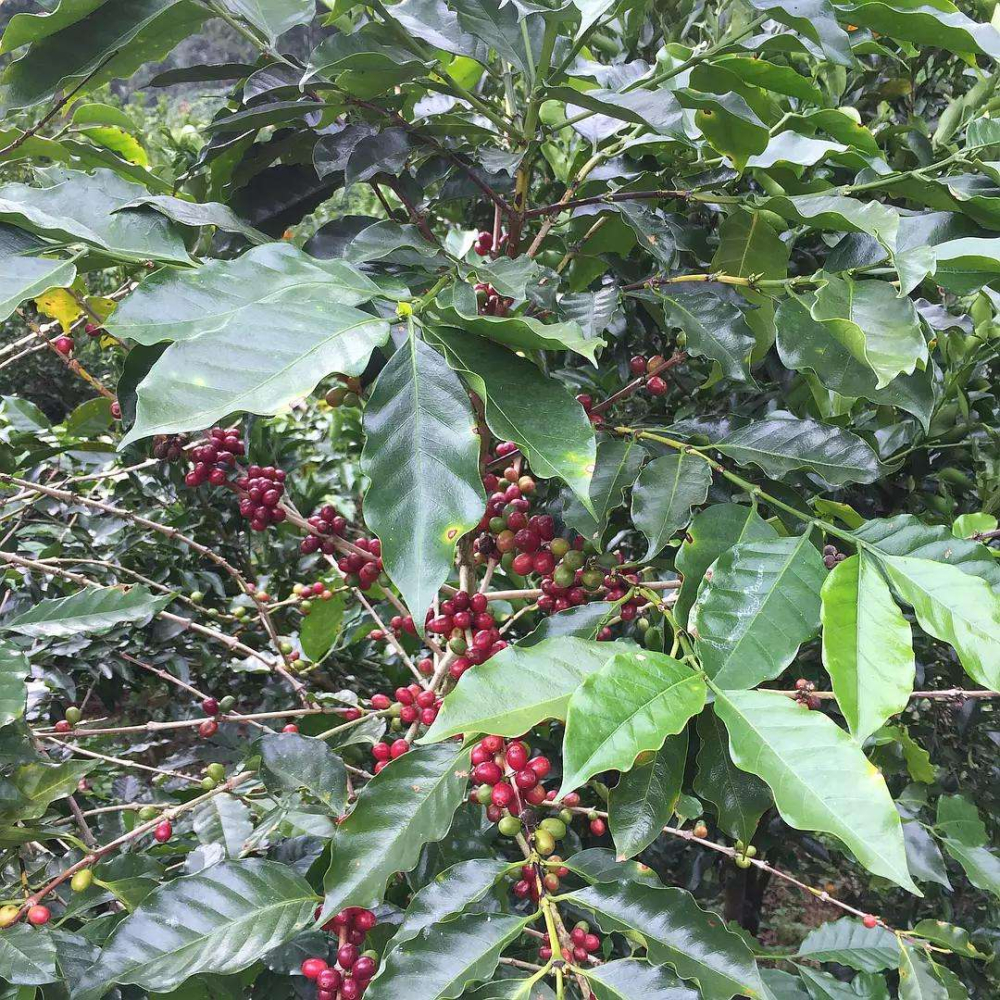
Professional pour-over parameter reference (for mainstream Yunnan washed beans):
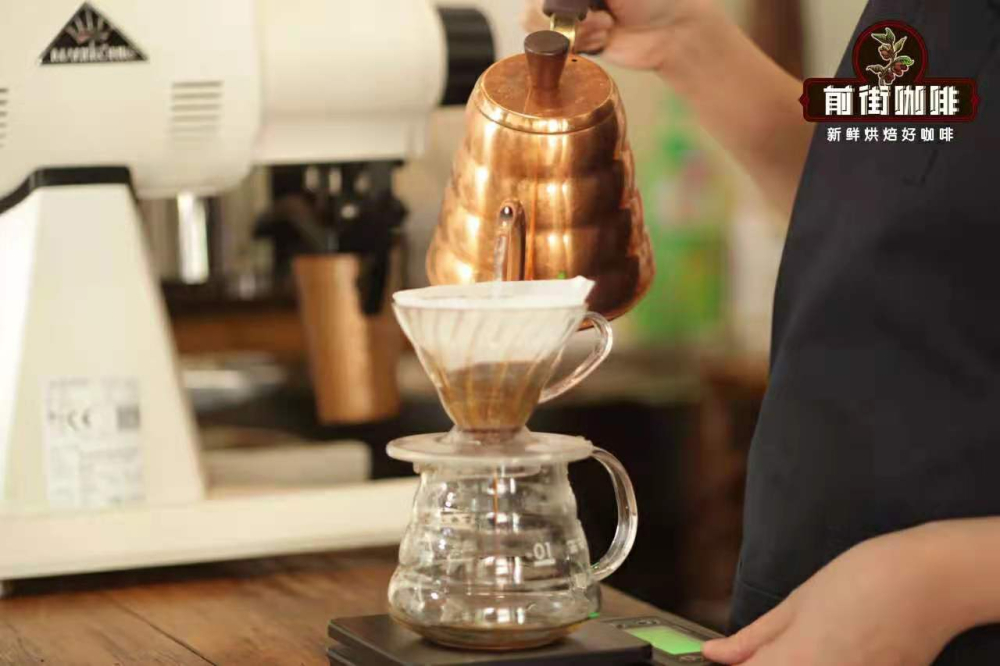
• Equipment suggestion: V60 dripper
• Basic recipe: 15 g dose / 90°C water temperature / grind with 80% passing a No. 20 sieve
• Water-to-coffee ratio: 1:15 (225 ml total water)
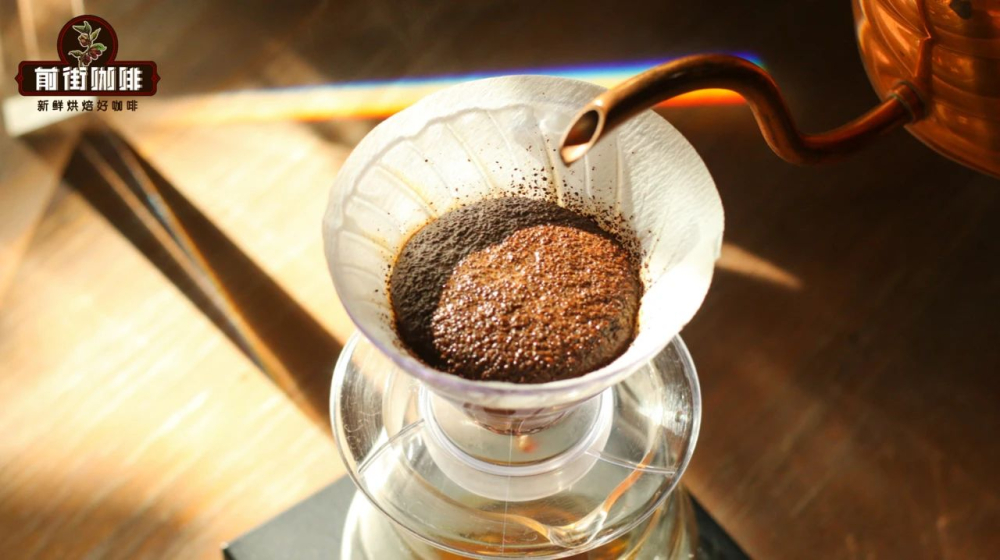
• Key steps: 30-second bloom → staged pouring (first pour 125 ml with controlled flow rate, then pour to 225 ml while adjusting the water flow rhythm)
• Time control: about 2 minutes total extraction
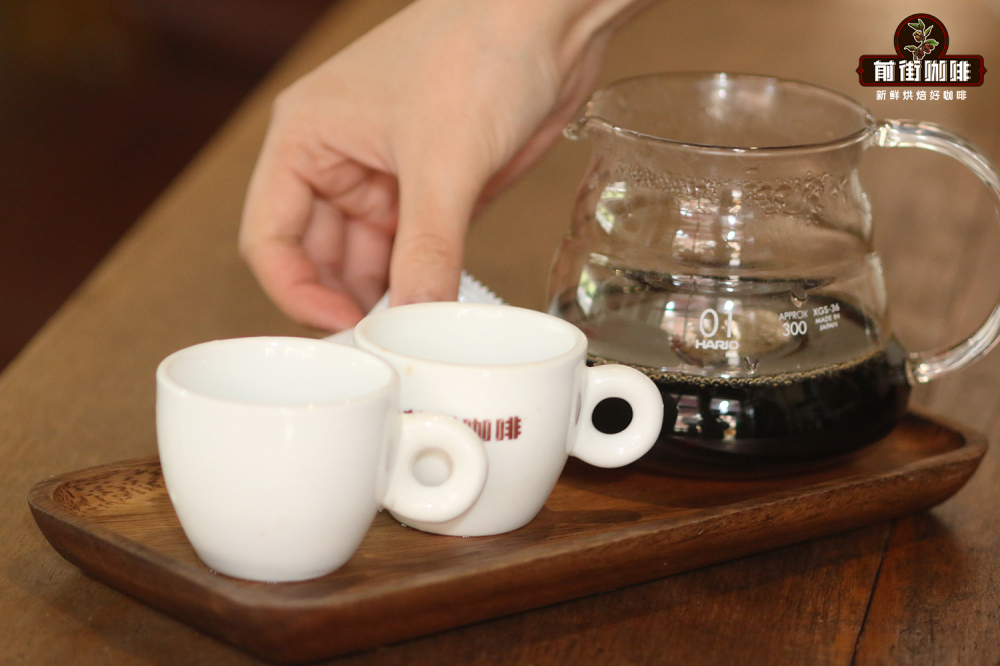
The typical flavor spectrum covers floral and fruity notes (melon, herbs), nutty tones (caramel, dark chocolate), and layered finish (black tea, honey and brown sugar sweetness), with obvious acidity evolution as the coffee cools (plum acidity → apricot and citrus notes).
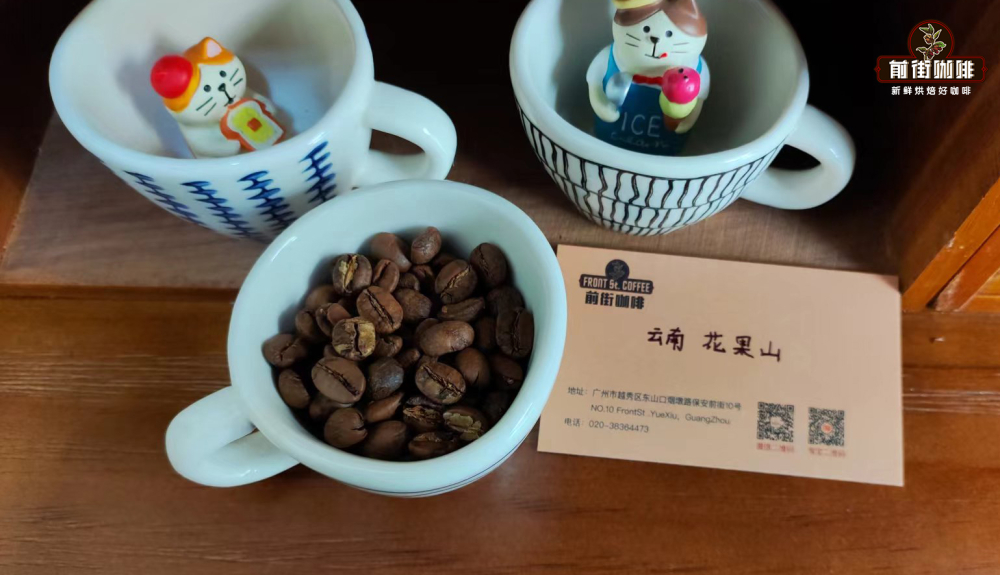
When buying Yunnan coffee beans, pay attention to grade markings: high-quality commercial beans usually require a defect rate below 3%, and a defect rate below 1% can reach specialty grade. For storage, use foil bags with one-way exhaust valves, keep out of light at 10-20°C, and finish within two weeks after opening to ensure freshness. For advanced enthusiasts, pay attention to experimental products with different processing methods (such as natural and honey), and compare their flavor differences with the traditional washed process.