Black Coffee Beginner's Guide: From Flavor Profile to Optimal Brewing Parameters
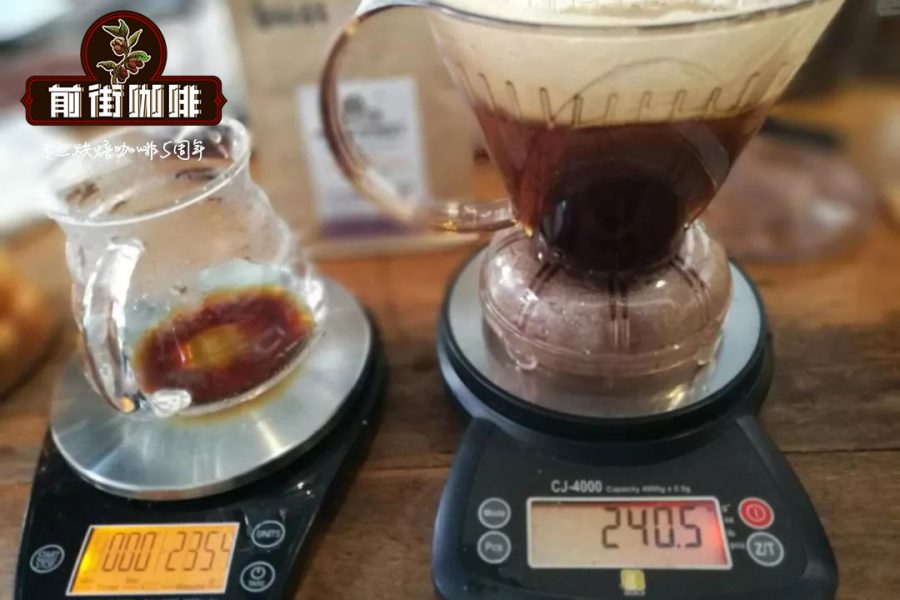
Introduction: Black coffee, with its pure flavor and diverse brewing possibilities, has become a foundational lesson for coffee enthusiasts. This article starts from the definition of black coffee, analyzes its unique flavor characteristics and the story behind them, then explores in depth the key factors affecting taste—including grind size, water temperature, filter type, and other practical parameters. Whether you are a beginner or hoping to optimize your brewing technique, you will find specific methods and suggestions for adjusting flavor.
What is black coffee?
Black coffee refers to a pure coffee beverage without added sugar, milk, or other flavorings, preserving the most original flavor and aroma of the coffee beans. It is the foundation of all coffee drinks; from espresso to pour-over, all can be classified as black coffee. Through different roast levels and brewing methods, black coffee can present rich layers, from bright fruity acidity to mellow bittersweetness, with endless variation.
Flavor characteristics and stories of black coffee beans
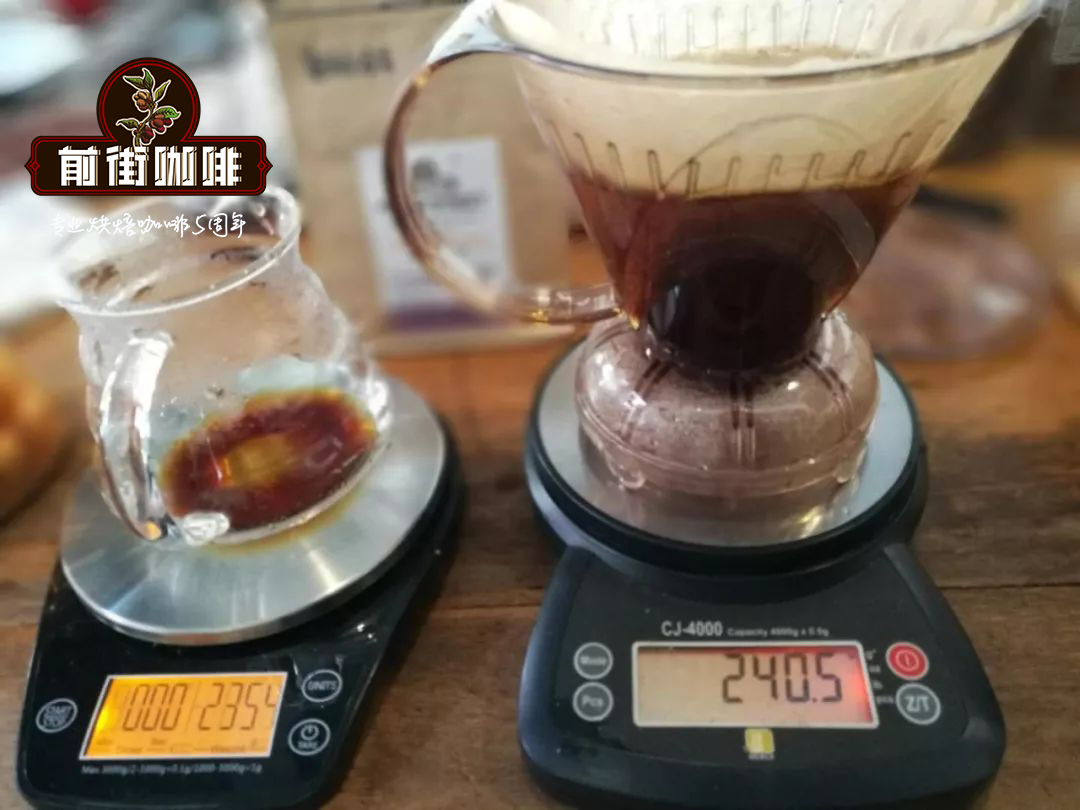
The flavor of coffee beans is influenced by many aspects such as origin, altitude, processing method, and roast level. For example, coffee beans from high-altitude regions usually have brighter acidity, while medium-dark roasts often bring mellow flavors such as caramel and chocolate. Some coffee beans develop unique regional flavors due to special processing methods (such as washed, natural, and honey processing), such as citrus, berries, nuts, and even floral notes. These differences constitute the ever-changing taste experience of black coffee and are also the driving force for coffee enthusiasts to keep exploring.
1. Coffee bean grind size: the key to flavor release
The right grind size is the foundation for brewing a good cup of black coffee. Different brewing devices have very different requirements for grind coarseness. For example, pour-over drip brewing suits a medium grind, similar to the texture of fine sugar; while espresso machines require an extremely fine grind, close to powder. If the grind is too coarse, water passes through too quickly, resulting in insufficient flavor extraction and light, tasteless coffee; if too fine, it may over-extract, producing bitterness and even clogging the filter. It is recommended to adjust according to the device used; generally, household grinders can precisely control this parameter to ensure stable flavor in every brew.
2. Water temperature adjustment: mastering the balance of sourness, sweetness, and bitterness
Water temperature is a core variable affecting coffee flavor release. Common brewing water temperatures range from 80°C to 95°C. Lower water temperatures (such as 80-85°C) tend to bring out brighter acidity, suitable for those who prefer a fresh taste; higher water temperatures (such as 90-95°C) can fully stimulate the sweetness and body of coffee, but if not controlled properly, can easily make bitterness prominent. Low-temperature slow extraction such as cold brew or ice drip, through long extraction (usually more than 12 hours), can also reveal the delicate flavors of coffee, with a smoother mouthfeel. Beginners are advised to record the water temperature and taste changes each time, gradually finding their preferred range.
3. Filter material: the flavor layers filtered out
The filter not only affects flow rate but also directly determines the content of oils and fine particles in the coffee liquid, thereby affecting mouthfeel. Paper filters can filter out most oils and fine powder, making the coffee cleaner and fresher, but may lack some body; cloth filters (such as flannel) retain more oils, bringing a round and soft mouthfeel, but require careful cleaning and maintenance; metal filters (such as stainless steel) block almost nothing, giving the most original, intense coffee flavor with rich oils, suitable for those who like a full-bodied taste. Choosing the right filter is an important part of tuning personal flavor preferences.
Summary: Crafting your own black coffee
The charm of black coffee lies in its purity and plasticity. By adjusting grind size, controlling water temperature, and choosing filter material, you can easily customize a cup of coffee that suits your personal taste. Whether pursuing bright high acidity, mellow sweetness, or a clean and fresh mouthfeel, understanding these basic parameters will help you better enjoy the multi-layered sensory experience brought by black coffee. Starting today, try different combinations to find your own perfect cup of black coffee.


