Pour-over coffee ratio guide: brewing proportions and measuring tools
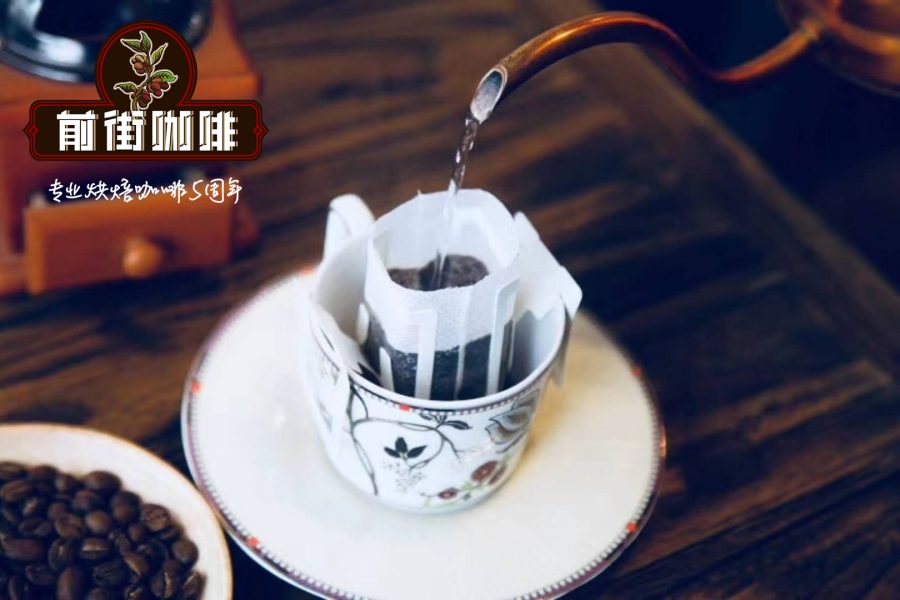
Introduction: Mastering the golden ratio of coffee grounds to water is the foundation of brewing a good cup of black coffee. This article systematically breaks down the coffee-to-water ratio parameters for different brewing methods, teaches you to measure your coffee grounds accurately, and compares the pros and cons of common measuring tools. Whether you are a beginner or a seasoned enthusiast, you will find the key details for improving extraction quality.
The creation of a perfect cup of black coffee depends on three core elements: bean quality, water temperature control, and the coffee-to-water ratio. Among these, the ratio of coffee grounds to water directly affects how the flavor comes through—an improper ratio leads to either over-extracted bitterness or a thin, under-extracted mouthfeel.
For brewing methods that require manual control, such as the French press and drip filtering, accurately controlling the coffee-to-water ratio is especially important. A common reference standard is 10 grams of coffee grounds per 171 milliliters of water (about a 1:17 ratio). This baseline can be adjusted to personal taste: lower it to 1:15 for a stronger cup, or raise it to 1:18 for a lighter one.
Practical methods for measuring coffee grounds fall into two categories. The professional approach is to use a digital kitchen scale and weigh out roughly 5 grams per tablespoon of coffee grounds (a single scoop varies by ±0.5 grams). The alternative is to estimate with a standard tablespoon—2 tablespoons of coffee grounds per 171 milliliters of water—but note that scoop capacity can differ by as much as 30% between brands.
A note on units of measurement: the capacity of a "cup" and a "mug" differs significantly. A standard coffee cup is usually 236 milliliters (8 ounces), while an everyday mug is typically 340 milliliters (12 ounces). Many cups sold today do not state their exact volume, so it is best to use a graduated measuring cup first to ensure consistency.
For precise measuring, professional measuring spoons are recommended: the Space Life coffee scoop is made of rust-resistant stainless steel with an accuracy of ±0.1 grams; the Alehme magnetic measuring spoon set uses a magnetic design for convenient storage, and its 5-gram coffee scoop meets industry standards; the 1Easylife Endurance measuring spoon features an ergonomic curved handle for greater stability, and its stainless steel construction ensures it will not deform over long-term use.
Principles for matching coffee-to-water ratios to different brewing devices:
• Capsule machines (such as Keurig) have preset parameters and need no adjustment
• For pour-over coffee, a medium-fine grind at a 1:15–1:17 ratio is recommended
• Because of the longer steeping time, a coarse grind at a 1:12–1:15 ratio is recommended for the French press
• Espresso has a coffee-to-water ratio as high as 1:2–1:3 (but this is a high-concentration special case)
Common pitfalls to keep in mind: avoid relying on ordinary tablespoons as measuring tools—the amount of grounds a household tablespoon holds can vary by 3–5 grams, and the looseness of each scoop cannot be kept consistent. If you lack professional equipment, first calibrate the actual capacity of your usual spoon with a digital scale to establish a personalized conversion baseline.


