Yirgacheffe Red Cherry Natural: Flavor Profile and Pour-Over Guide
Introduction: Explore in depth the natural-process specialty coffee beans from Yirgacheffe and uncover the secrets behind their distinctive sweet aroma and tropical fruit flavors. This article details the growing environment, processing method, and roasting approach for this Red Cherry Project coffee, and provides a precise pour-over extraction plan to help you fully experience its bright citrus notes and rich layers of sweetness.
In the Yirgacheffe region, even beans from the same area can take on entirely different characters depending on the processing method. Among them, natural-process beans often show intense sweet aromas and full fruitiness, in sharp contrast to washed beans with their emphasis on fresh acidity. The dry fragrance of such natural beans frequently carries heavy dried-fruit and ripe-berry notes, while in the cup they reveal tropical-fruit sweetness and a soft texture like black tea.
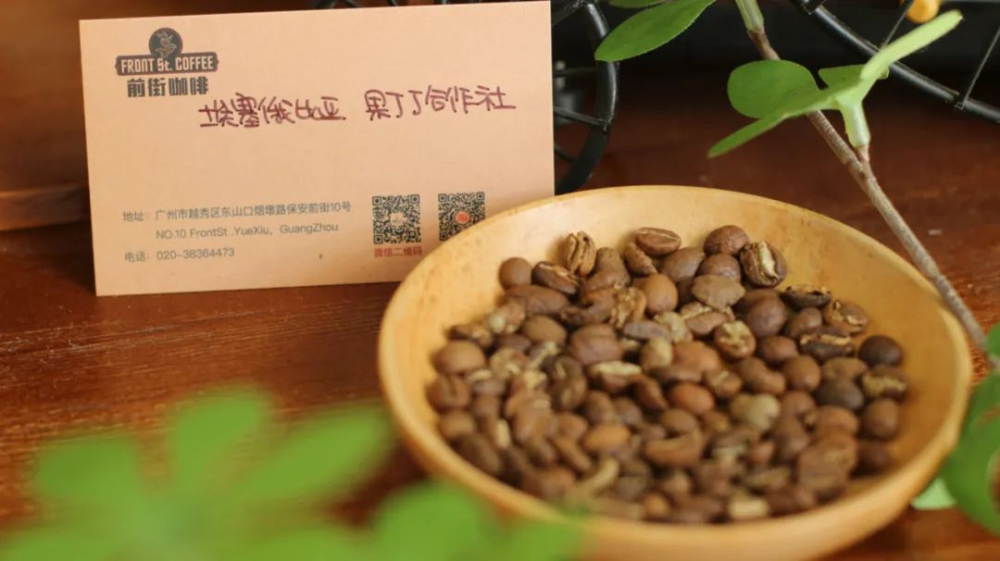
Take a well-known Yirgacheffe natural bean as an example: during drying it retains the fruit pulp and mucilage intact, so fermentation generates abundant fruit sweetness. Its dry fragrance is intense, with a complex aroma of strawberry, mango, and apricot jam; the wet aroma resembles thick syrup, blending the warm, mellow qualities of honey and chocolate. In the cup, the body is medium, like drinking a cup of richly flavored fruit tea—sweet without being cloying, with soft acidity and many layers.
The flavor strengths of this coffee begin with its place of origin, Yirgacheffe. In the local language, "Yirgacheffe" is made up of "Yirga" (meaning calm) and "cheffe" (referring to marshy wetlands), together meaning "let us settle and live on this wetland." Although it is often regarded as an independent region, it actually lies in the northwest of Ethiopia's Sidama state and is a highly renowned sub-region within that state.
Compared with the heavy bitterness of traditional dark roasting, Yirgacheffe coffee is known for fresh floral aromas and bright citrus acidity, created jointly by the local high altitude, marked day–night temperature difference, and volcanic soil rich in phosphoric acid. These natural conditions give the beans their distinctive fruity vibrancy and delicate aroma, making them feel as refreshing and pleasant as lemon tea.
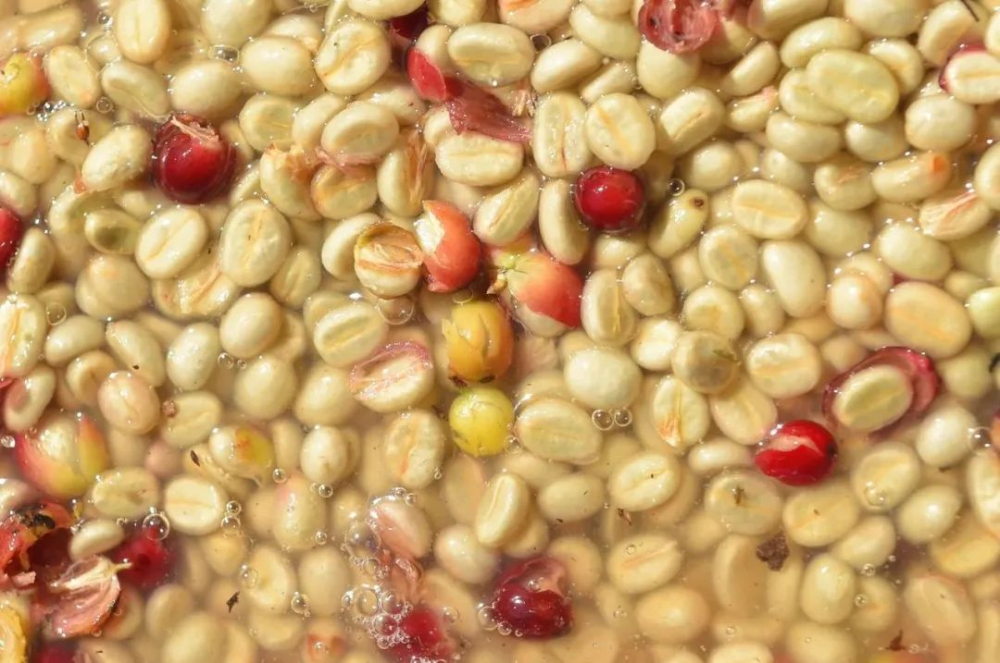
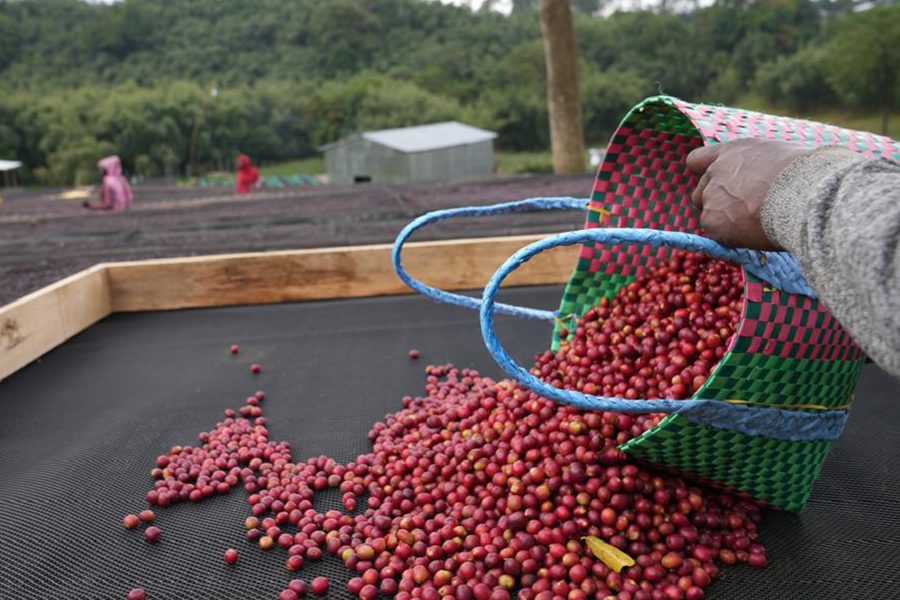
To fully realize Yirgacheffe's flavor potential, only fully ripe coffee cherries are selected for quality natural beans. After harvest, the processing station carefully sorts out flawless coffee cherries, keeps the pulp and skin intact, and places them on raised beds for sun drying. This raised-bed drying not only keeps the fruit from touching the ground and reduces contamination by off-flavors, but also requires extensive manual management to ensure even drying, ultimately producing pure, intense fruit flavors.
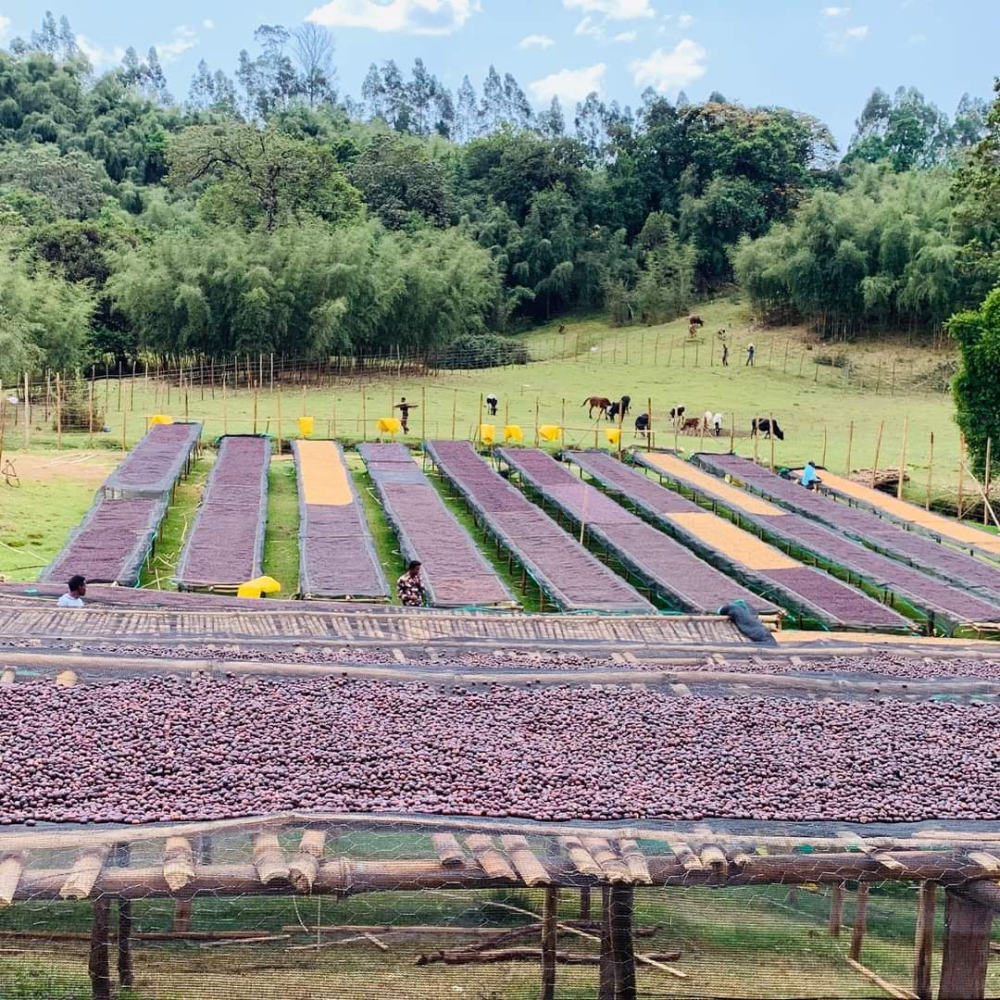
After more than two weeks of natural sun drying, the coffee cherries gradually turn dark brown and enter the flavor-maturation stage. Only before shipment is the outer pulp removed to extract the coffee beans inside. This method lets the beans absorb more sugar from the pulp, making the sweetness more pronounced while retaining the bright acidity and floral-fruity aroma characteristic of the Yirgacheffe region.
Because Yirgacheffe is inherently bright and high in acidity, roasters typically use a light-to-medium to medium roast for beans from this region to preserve their natural flavors. This roast level highlights fresh notes such as citrus and berries while balancing sweetness and body, making the coffee livelier and more layered in the cup.

Note that the flavor expression of coffee beans is closely tied to freshness. To ensure the best tasting experience, choose fresh beans within 5 days of roasting. Over time, aromatic compounds gradually volatilize, affecting the release of aroma during extraction and the overall flavor performance. Therefore, obtaining freshly roasted coffee beans is essential to reproducing their true flavors.
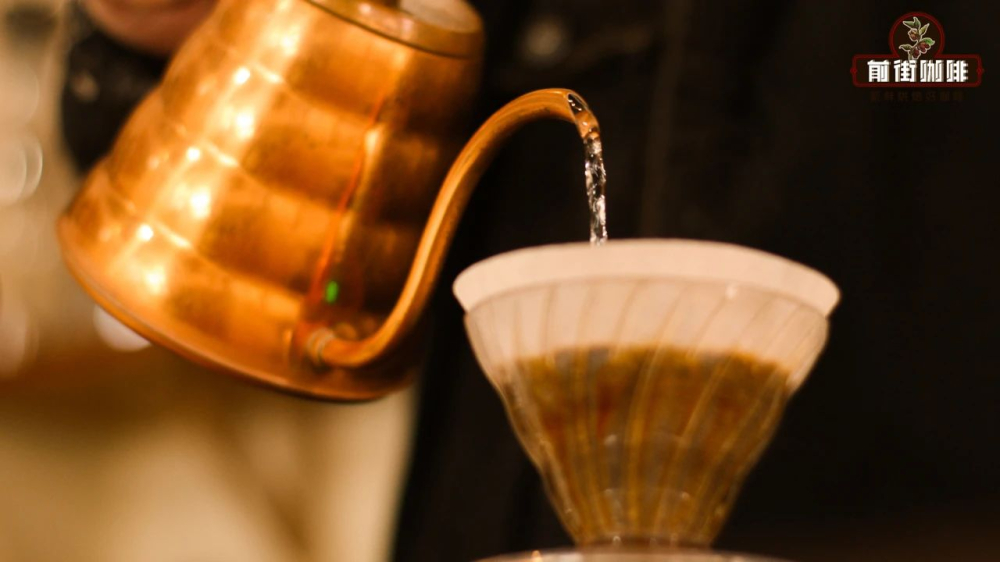
Pour-over recommendations for this Yirgacheffe natural bean are as follows: because high-altitude beans are denser and the light-to-medium roast preserves more acidity, use a medium-fine grind (about 80% passing a Chinese No. 20 standard sieve) and brew with 90–91°C water. A V60 dripper is recommended; its distinctive spiral ribs and large opening help enhance the layering and flow of extraction.
The specific parameters are as follows:
Dripper: V60 #01
Water temperature: 90–91°C
Dose: 15 g
Coffee-to-water ratio: 1:15
Grind: medium-fine (about 80% passing a No. 20 sieve)
Suggested pour-over steps: first pour 30 g of water for a 30-second bloom, then pour 95 g of water (about 125 g total), completing in about 1 minute; when the water level drops to two-thirds of the coffee bed, continue pouring the remaining 100 g of water (about 225 g total), finishing the pour within about 1 minute 35 seconds. Keep the total extraction time between 2:00 and 2:10, then remove the dripper to end extraction.
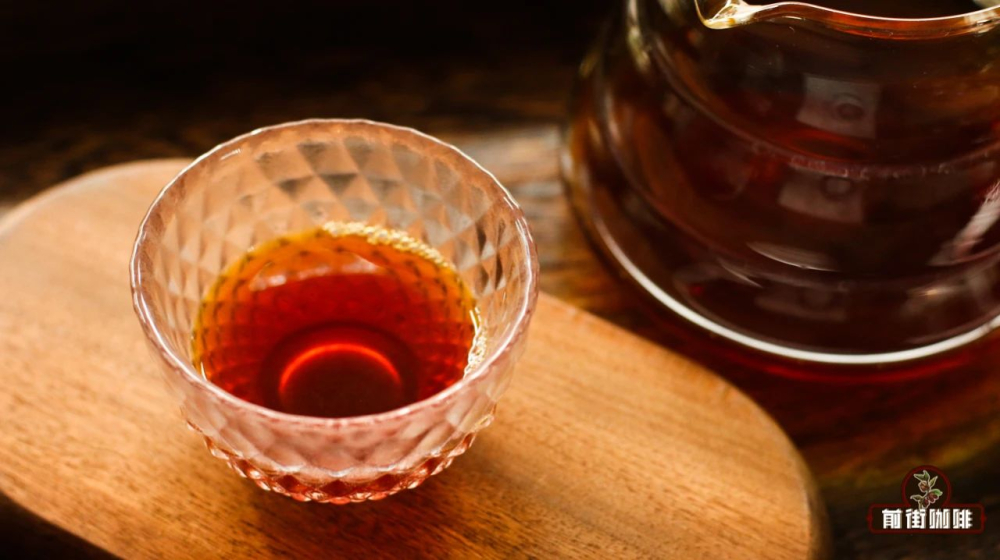
In the cup, this coffee typically shows fresh fruit notes of lemon, licorice, citrus, berries, and sweet orange, with pronounced sweetness and a lingering finish carrying warm caramel and cream qualities, accompanied by an elegant black tea aroma—a natural specialty coffee with remarkable layering and distinctiveness.


