Kopi Luwak Explained: Flavor, Price Reality, and Buying Guide
Introduction: Kopi luwak, the world's most renowned special-process coffee, has long been controversial for its high price and unusual production process. This article takes an in-depth look at the flavor characteristics brought about by palm civet digestion and fermentation, reveals market price ranges across different quality grades, breaks down the real cost structure of a cup of authentic kopi luwak, and points out the common variety-confusion traps in the market. Whether you are a coffee enthusiast or a professional, you will gain professional buying advice and a deeper understanding of the industry.
The real market price of kopi luwak shows a clear polarization. For premium palm civet green beans that have undergone professional roasting, a reasonable price is usually around 2,500 RMB per pound (about 454 grams). This price range corresponds to rigorously sorted, aged beans whose flavor performance and hygiene standards both meet commercial drinking standards. Note in particular that some merchants' so-called "deluxe collector's editions" may be priced as high as 45,000 to 11,000 RMB per pound; such products often carry premiums for luxury packaging or limited-edition numbering.
From a cost-accounting perspective, a standard single pour-over uses about 10 grams of coffee beans, corresponding to a raw-material cost of about 55 RMB. If you factor in commercial rent (daily rent in core business districts of first-tier cities can reach 30-50 RMB per square meter), labor costs (barista hourly wages generally exceed 50 RMB), and a reasonable profit margin, a retail price of 200-300 RMB is market-reasonable. But this price band reflects only the basic cost structure and does not include added value such as brand premium.
There is a widespread misconception about the raw-material species. Some unscrupulous merchants exploit the similarity in English naming within the Viverridae family (such as the translation difference between civet cat and palm civet) to deliberately conflate the masked palm civet with the palm civet. In fact, although both belong to the Viverridae family, the animal truly used to produce kopi luwak is the palm civet (Paradoxurus hermaphroditus), native to Southeast Asia, whose digestive enzyme activity differs significantly from that of the masked palm civet. Professional buyers usually identify beans by characteristics such as the shape of the droppings and traces of digestive fluid remaining on the bean surface.
Professional coffee rating agencies' evaluations of kopi luwak quality are polarized. Early assessment reports from the Specialty Coffee Association of America (SCAA) showed that some samples, due to excessive fermentation, produced unpleasant animal odors and were marked by senior judges as "unbalanced." But high-quality batches can still display distinctive nutty notes (such as roasted almond and hazelnut) and low acidity, with a body that often reaches medium to full. The key is to choose batches that have undergone at least three rounds of manual sorting to ensure bean integrity (broken-bean rate below 5%) and cleanliness.
Market price differences mainly stem from three dimensions: first, the processing method—traditional wild collection is the most costly but yields inconsistent quality, while modern controlled-farm products have more balanced flavor; second, origin—beans from traditional producing regions such as Sumatra, Indonesia, and Luzon, Philippines, usually command prices 30-50% higher than emerging regions such as Vietnam due to higher transport costs; and finally, certification systems—products certified by the Rainforest Alliance or Fairtrade carry a 15-20% premium.
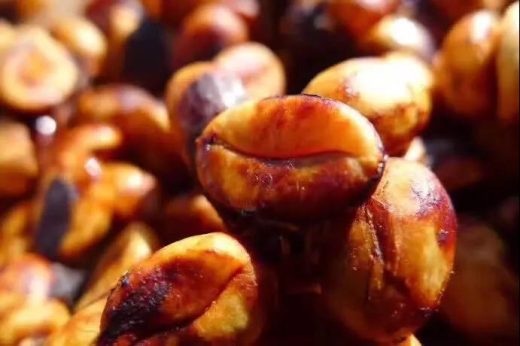
When buying, consumers should watch three key indicators: the beans' appearance should be dark brown with a natural oily sheen—if the color is too pale, they may not have fermented sufficiently; the dry aroma should have an obvious fermented sweetness rather than a pungent off-odor; and after brewing, the crema should appear reddish-brown rather than a dull gray tone. First-time tasters are advised to choose small sample packs (a 50-gram pack costs about 200-300 RMB) and brew by pour-over or French press to fully experience the special flavor layers.
It should be noted in particular that so-called "10,000-RMB kopi luwak" is mostly a marketing concept product, with its high price often coming from special commemorative packaging or celebrity collaboration editions. As for the coffee's quality itself, professional roasters recommend prioritizing regular batches with stable processing. For enthusiasts on a limited budget, mid-range products that have undergone a second manual bean sorting (in the 1,500-2,000 RMB per pound range) are worth considering; these retain the distinctive flavor characteristics while offering better value.