Peru Pineapple Estate Caturra Honey Process: Hand-Brew Citrus Flavor Analysis
Introduction: This issue features a specialty coffee from Peru's Cajamarca region—Pineapple Estate Caturra Lot 4250 honey process. Grown at 1800m on a small farm, the honey process retains the mucilage layer, delivering a bright flavor interwoven with citrus and honey. This article details its origin background, processing method, and optimal hand-brew parameters to help coffee lovers unlock its rich tropical fruit notes.
In Peru's coffee regions, renowned for high-quality Arabica, over 70% of coffee trees grow at altitudes above 1500m. Among them, the Caturra variety, with its strong adaptability to high-altitude environments, has become one of the most representative cultivars. These coffee farms mostly use shade-growing systems; after the fruit ripens, it is carefully hand-picked and then dried through traditional sun-drying or innovative processing methods.
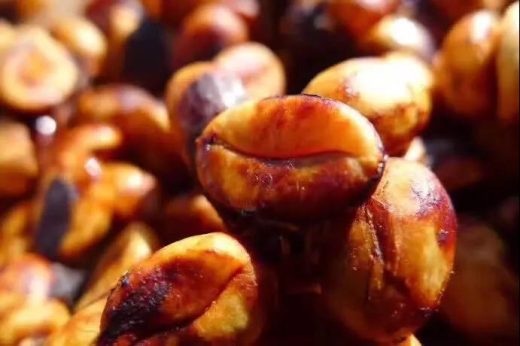
The Pineapple Estate Caturra Lot 4250 highlighted here is a rare specialty-grade bean from this region that uses honey processing. Its uniqueness lies in retaining about 30%-50% of the mucilage layer for slow drying, which preserves the clean base of washed processing while imparting a sweet fermentation character similar to natural processing. In terms of origin coordinates, the plantation located in Colarada Village, San Ignacio Province, enjoys a microclimate with significant day-night temperature differences, which plays a key role in sugar accumulation and flavor compound formation.
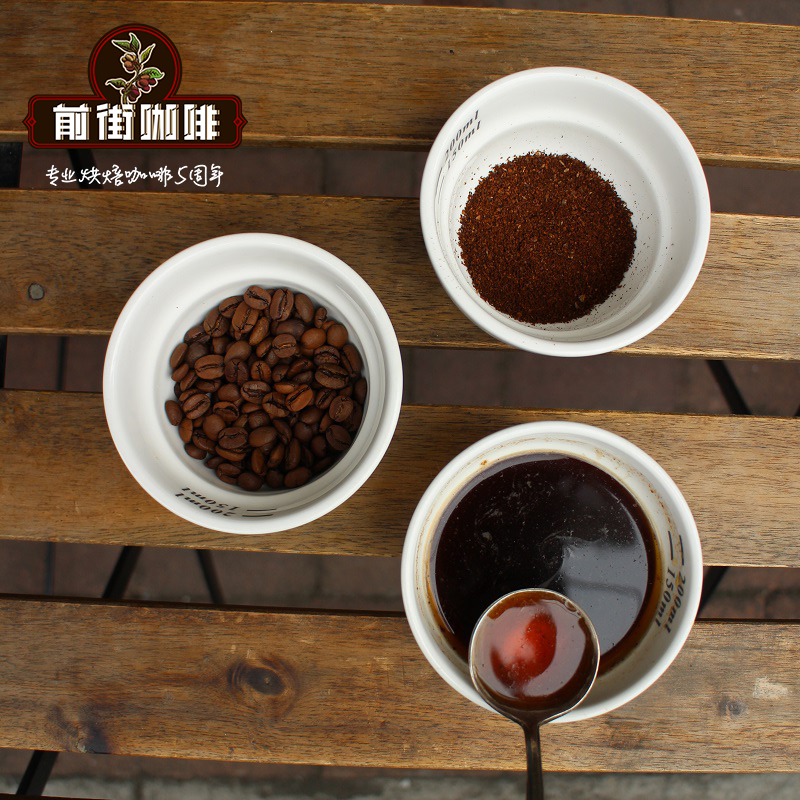
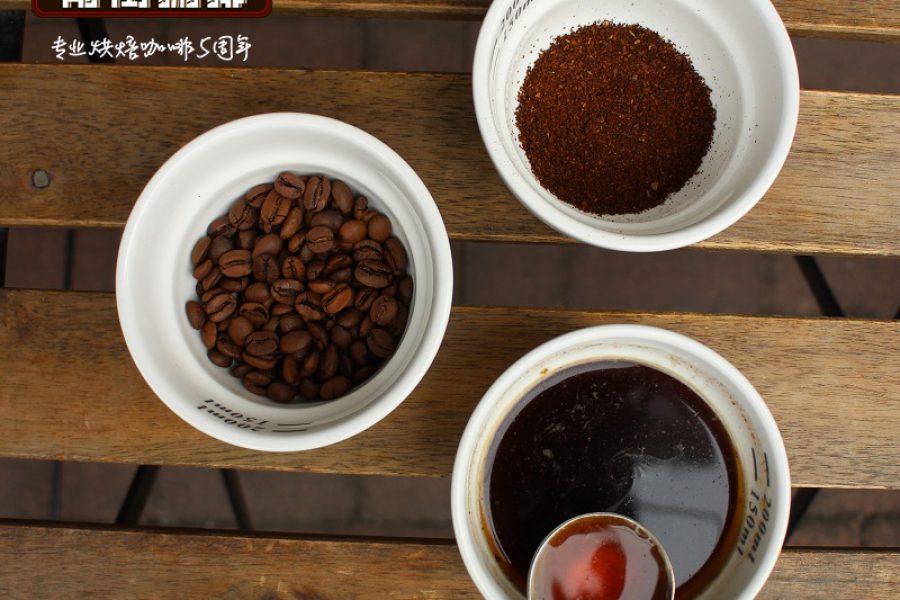
When brewing this honey-processed bean, a light roast (Agtron about #65) is recommended to highlight its bright acidity structure. In actual tasting, a fresh citrus aroma combination can be captured even during grinding, including the sharp acidity of lime and the soft fruitiness of orange, accompanied by a moderate caramel sweetness. When hot water is poured into the dripper, the lively acidity of grapefruit is released first, followed by the spicy note of orange peel and the mellow finish of honey, with an overall clear and layered flavor profile.
For beginners, the ideal extraction parameters for this bean are: a coffee-to-water ratio of 1:16, a grind size equivalent to 80% passing through a Chinese standard No. 20 sieve (about medium fine granulated sugar), and a water temperature of 90-92°C. A staged pouring method is recommended: first pour 30% of the total water for a 30-second bloom, then pour the remaining water in a circular motion while maintaining a steady flow. The total extraction time should fall between 2 minutes 10 seconds and 2 minutes 30 seconds.
Note that honey-processed coffee, due to the retained mucilage, is more sensitive to humidity during storage. After opening, it is recommended to store it in an airtight canister with a one-way degassing valve and consume it within 2 weeks to ensure the best flavor performance. If you notice reduced sweetness or a cardboard taste after brewing, it may be due to oxidation caused by improper storage conditions.
From the terroir of the origin to the processing technique and finally to specific brewing practice, this Pineapple Estate Caturra Lot 4250 honey-processed bean from Peru not only demonstrates the pure fruit acidity base brought by high-altitude growing but also achieves a perfect balance of sweetness and aroma through its unique honey processing. It is worth exploring for every coffee lover who seeks flavor complexity.