Pour-Over Coffee Bean Buying Guide: 6 Regions' Popular Flavors and Brewing Tips

Introduction: Choosing quality pour-over coffee beans requires balancing freshness, roast level and regional characteristics. This article selects classic beans from renowned regions worldwide, explains the flavor layers of varieties such as Red Bourbon and Geisha, and includes a comparison chart of roast degrees and flavor characteristics to help you find your ideal choice based on personal taste preferences, while also mastering the optimal brewing parameters for different roast levels.
Whether you are a beginner or a seasoned coffee enthusiast, choosing coffee beans is the key first step in brewing. Quality coffee beans not only affect flavor expression but also directly determine brewing success. It is recommended to prioritize freshly roasted beans, ideally with a roast date within 5-14 days, and with clear region information and processing method descriptions.

Professional roasters usually provide stable quality control; freshly roasted beans have fuller aroma and better sweet-acid balance. When purchasing, check the roast date and avoid stock beans older than one month. Ideal storage conditions are a sealed bag with a one-way exhaust valve, placed in a dark, cool place; after opening, it is recommended to use within 10-15 days.
Light-Medium Roast Recommendations: Highlighting Fruit Acidity and Floral Layers
Light-medium roast (from dense first crack to before second crack) preserves the coffee beans' original flavors and is suitable for showcasing bright citrus notes, berry acidity and floral-fruity aromas. It is recommended to use 90-94°C water temperature, a 1:15-1:16 coffee-to-water ratio, and staged extraction to balance sweetness and acidity.
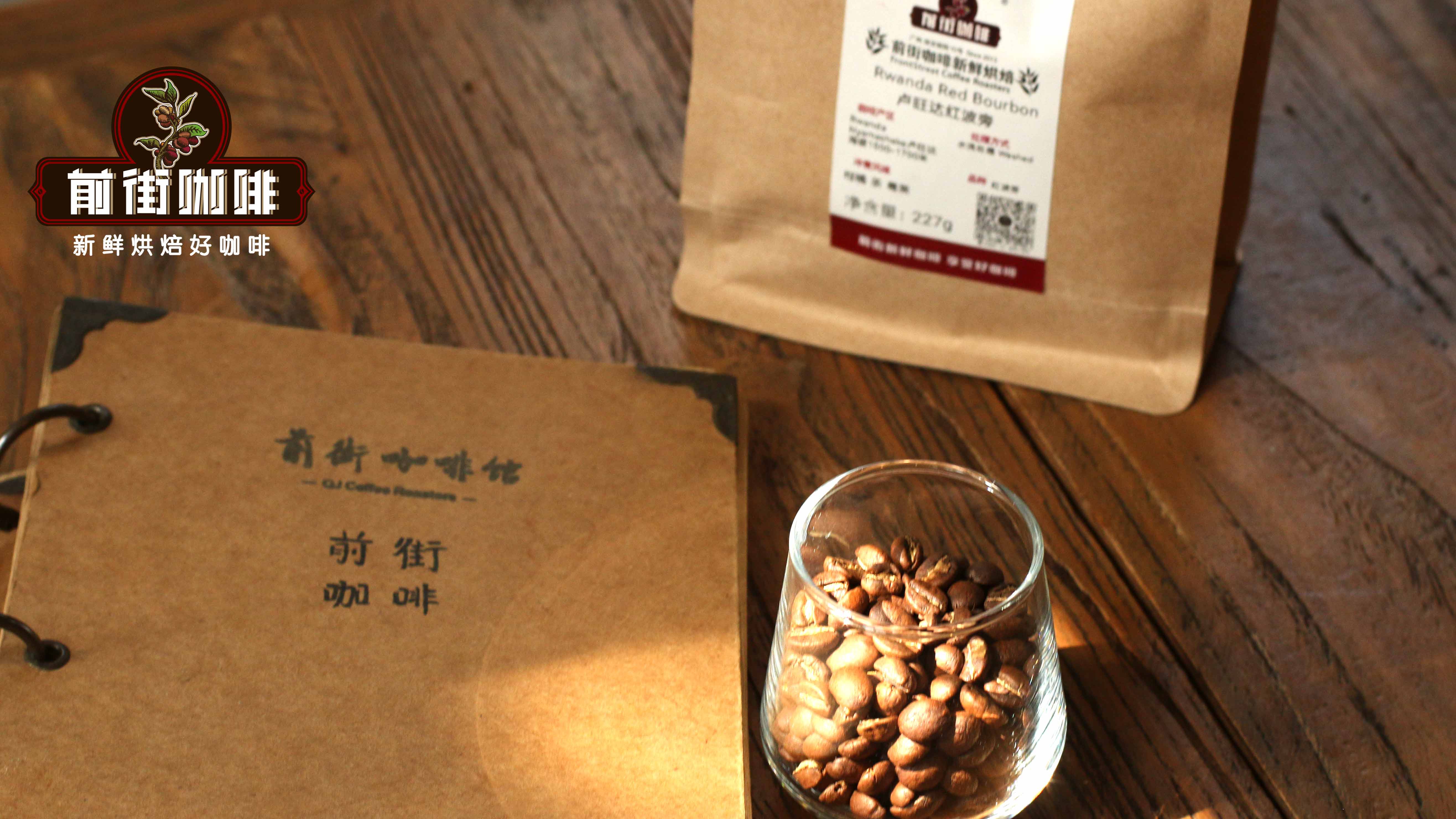
[Rwanda Red Bourbon] A typical light-medium roast representative; the dry aroma presents citrus and white floral notes, and after brewing it develops plum acidity and a honey finish. For 15 g of coffee, pour 225 ml of water, with the staged pouring rhythm controlled to finish in 2 minutes. After cooling, the berry flavors become more pronounced; suitable for fine water-flow control with a pour-over kettle.

[Ethiopia Hualui] The natural processing method gives it intense tropical fruit character, with prominent creamy strawberry and mango aromas. Note that natural beans may contain slight fermented off-flavors; it is recommended to extend the resting period to more than 7 days. The high-temperature stage (starting at 90°C) can highlight citrus notes, and after cooling, mango and blueberry flavors are gradually released.

[Geisha Variety] Famous for Panama Hacienda La Esmeralda, but Ethiopian heirloom varieties also perform excellently. Jasmine floral aroma and honey sweetness are its signature characteristics. It is recommended to use a V60 dripper with a center-pour technique to avoid over-agitation causing over-extraction. The green tea base and black tea mouthfeel are especially harmonious under light-medium roast.

[Yirgacheffe Gudingding] A high-quality representative from a branch of the Worka cooperative; jasmine floral aroma and tea-like acidity form a unique balance. Citrus notes and honeyed tea notes are distinct under light-medium roast. Beginners can try constant-temperature extraction at 92°C to reduce the sharpness of acidity.

[Kaffa Forest] A typical washed bean from western Ethiopia; light-medium roast highlights orange-like citrus aroma and creamy melon-seed flavors. The orange-peel note in the dry aroma contrasts with the apricot sweetness after hot water is poured. It is recommended to grind slightly coarser than fine sugar to avoid over-extraction causing sharp acidity.

Medium Roast Recommendations: Balancing Sweetness, Acidity and Fermented Flavors
Medium roast (after first crack to the beginning of second crack) balances sweetness and acidity with body, suitable for showcasing complex flavors such as grape and berry. Recommended water temperature 88-92°C, 1:14-1:15 coffee-to-water ratio, and extending the bloom time to bring out the fruit aromas.
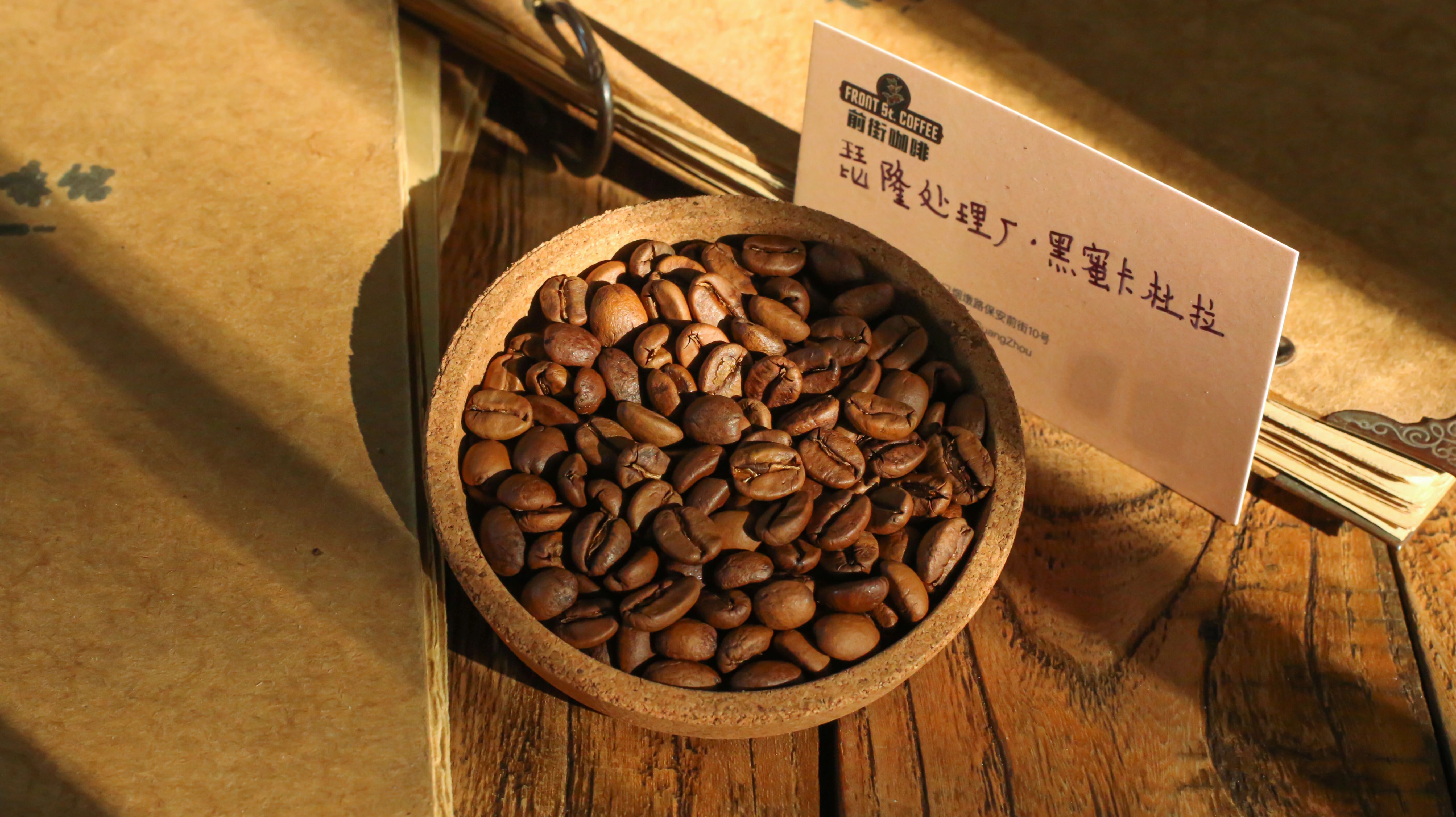
[Costa Rica Blackberry] The black honey processing method retains a large amount of mucilage, and slow drying for more than 14 days gives rich sweetness. Grape and berry flavors are prominent. Note that black honey beans have higher density; it is recommended to extend the bloom time to 45 seconds. The slight fermented note transforms into a sweet vinous character under medium roast.

[Colombia Xizhua] Grown at 1,700 m in the Huila region, the double anaerobic natural processing brings explosive passion fruit and grape aromas. The clean sweetness of dried fruit contrasts sharply with mandarin acidity. It is recommended to use a flat-bottom dripper such as Kalita Wave to reduce flow rate and promote even extraction. The almond finish is especially noticeable under medium roast.

[Musician Series Mozart] Berry and fruit-wine fermented aromas are its characteristics; in the high-temperature stage, raisin and sweet orange flavors dominate. After the temperature drops to 85°C, osmanthus aroma is gradually released. The raisin flavor is fuller at a 1:14 coffee-to-water ratio, suitable for drinkers who prefer prominent sweetness.

Dark Roast Recommendations: Intense Caramel Aroma and Full Body
Dark roast (after dense second crack) emphasizes caramelization reactions and is suitable for showcasing the heaviness of dark chocolate, caramel and nuts. Recommended water temperature 85-88°C, 1:13-1:14 coffee-to-water ratio, and shortening extraction time to avoid excessive bitterness.

[Golden Mandheling] The benchmark of G1-grade Indonesian beans; a selected screen size of 18+ ensures a low defect rate. Dark chocolate and caramel aromas are especially prominent under dark roast. It is recommended to use a flannel filter cloth to reduce flow rate and extend extraction time to more than 3 minutes. Pine and spice finish are the signature characteristics of high-quality Mandheling.

[Brazil Yellow Bourbon] The orange-yellow skin variety brings a unique nutty-chocolate character, with soft and clean acidity. When dark roasting, pay attention to controlling the heat to avoid excessive carbonization causing smoky flavors. The cane sugar sweetness and buttery texture are best balanced at medium-dark roast (close to second crack).
[Huila Region Coffee] A classic Colombian dark roast representative; the mountain-surrounded growing environment gives it a heavy body. Dark chocolate and cocoa aromas are prominent. Paired with cream and roasted nut flavors, it is suitable for making iced coffee or espresso bases. For 15 g of coffee, it is recommended to pour no more than 200 ml of water to enhance the full body.


