Costa Rica Tarrazú Bajas Honey Process Beans: Flavor Analysis and Pour-Over Guide
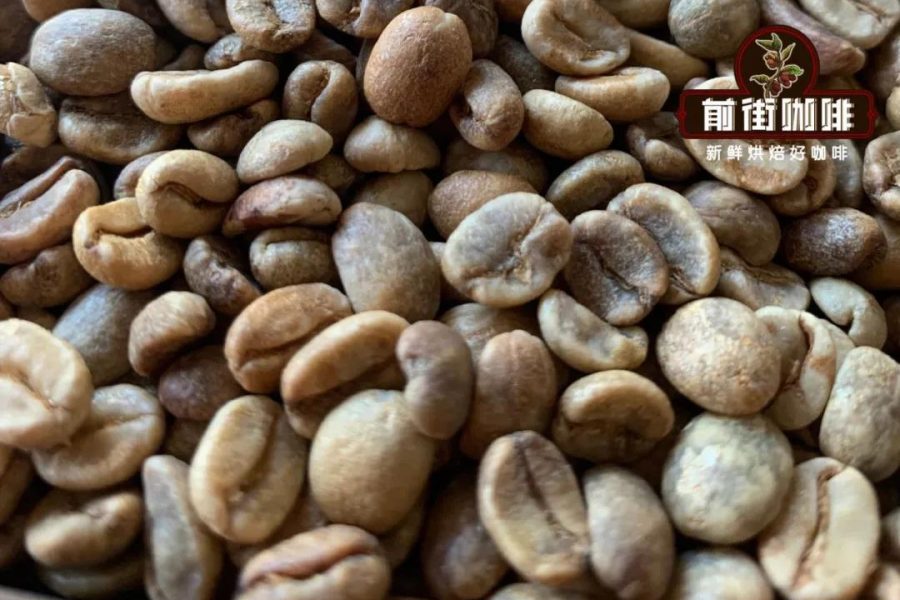
Introduction: An in-depth look at the honey process and distinctive flavors of Costa Rica Tarrazú Bajas coffee beans, from high-altitude growing conditions to Caturra/Catuai variety traits, with detailed fermentation control points for the raisin honey process. Includes professional roast profile data and medium-roast flavor performance, plus a Hario V60 brewing recipe to help you precisely present the berry-nut layers of this high-sweetness honey-process bean.
Costa Rican coffee is renowned worldwide for its vivid sweetness and clear acidity, and the honey process maximizes mucilage retention, creating the category's signature full body. As one of the country's three major specialty regions, Tarrazú, with its high-altitude growing belt above 1950 meters and volcanic soil advantages, consistently produces top-tier beans with both complexity and balance.

The country's coffee industry began with Bourbon lines introduced in 1808 and now accounts for about 25% of national export value. Although the country covers only 3% of Central America's land area, its fertile multi-layered volcanic ash soil supports a dense cultivation system—especially around the Tarrazú region, where drainage slope design is precise to a 0.5% gradient per hectare, ensuring adequate oxygen supply to the roots.
The core region of Tarrazú lies south of the capital, San José, with a microclimate of annual rainfall above 2000mm and a 12°C day-night temperature difference; combined with the morning mist-filtering effect of 15° sloped land, this extends the fruit ripening period to 8-9 weeks. Notably, although the area is mainly known for passion fruit cultivation, the dedicated coffee plots strictly follow 2.5-meter spacing between plants in sparse cultivation to avoid cross-pollination interference among the fruit.

Finca Canet, as a typical representative, has its 5-hectare plantation located in the region's highest altitude range of 1950-2100 meters. The three brothers who run it use the strict standard of hand-sorting red cherries one by one, picking only ripe fruit with sugar content above 22°Brix. The estate's specially equipped small water treatment plant can start the honey process within 2 hours of harvest, maximizing pectinase activity.
For varieties, they use the Bourbon variant Caturra (Caturra Bourbon), a genotype with the advantage of a 1.2-1.5 meter dwarf tree form, which facilitates mechanical harvesting and achieves high productivity of 3500-4000 kg per hectare. Note, however, its biennial bearing characteristic—odd-year yields are typically 18%-22% lower than even years, so it is advisable to confirm the specific harvest batch when purchasing.

Costa Rica uses a strict altitude grading system: SHB (Strictly Hard Bean ≥1500 m), GHB (Good Hard Bean 1100-1200 m), HB (Hard Bean 1000 m). Experimental data show that for every 100 meters of elevation gain, bean density increases by about 0.02 g/cm³, bringing correspondingly brighter citric acidity and longer-lasting body. These Bajas beans meet the Strictly Hard Bean standard (SHB+), with a measured green bean density of 0.78 g/cm³ (industry average 0.72-0.75).
Key implementation points of the core technique, the "raisin honey process":
1. Flotation stage: use salt water at density 1.05 g/ml to remove unripe fruit, with the float rate controlled at <3%;
2. Mucilage retention: after hand-pulping the fruit, keep 100% of the mucilage layer intact, with spreading thickness strictly <3 cm;
3. Drying control: for the first 36 hours, slow-dry at a constant 30°C + 80% humidity; afterward reduce turning frequency daily to twice per day, with a total cycle of 14±2 days to reach the target moisture content of 11.5%.

Yellow Catuai in the variety mix contributes an important flavor dimension—this hybrid bred in Brazil in 1949 (Mundo Novo × Caturra) shows softer malic acidity and higher rust resistance (PRSV resistance rating HR). Comparative trials show that under the same processing conditions, its sweetness compounds are 15%-18% higher than Red Catuai, making it especially suited to the caramelization transformation of the honey process.
Roast parameter record (Yangjia Pegasus 800N model):
• Charge temperature 180°C → turning point 94.2°C (1'43")
• Yellow point 151.5°C (6'15") → first crack start 183.3°C (9'40")
• Development phase 1'45" rising to 196°C, final Agtron bean color 67.7 (medium roast baseline)
A three-stage heat adjustment was used: high heat during the drying phase (damper 5) to maintain a 120°C/min rate of rise, reduced to medium heat (damper 3) during the Maillard phase, and finely adjusted to low heat (damper 2) during development to prevent over-extraction.

The cupping flavor matrix shows a clear three-layer structure:
• Front: sake yeast fermentation note (intensity 7/10) layered with lychee sweetness
• Middle: roasted almond and dark chocolate (acid-bitterness balance pH 5.8)
• Finish: caramel pudding aftertaste lasting more than 12 seconds
For pour-over, note that at 90°C water temperature, extending the pre-infusion time (30-second bloom + an extra 10 seconds of rest) can unlock more hidden passion fruit esters.

Practical brewing recipe optimization suggestions:
• At a 1:15 coffee-to-water ratio, total water should be precise to 3375 ml (±15 ml)
• Staged pouring rhythm: first stage 30 g bloom → second stage 95 g (125 g cumulative) → final stage 100 g (225 g cumulative)
• Water flow control points: use a center-radial pour for the initial stage, then switch to a spiral pattern to expand the extraction area
Common mistake warning: avoid water with hardness above 150 ppm, which would mask the citrus notes characteristic of the honey process.

For storage, pay special attention: within 72 hours of opening, transfer the beans to a one-way degassing valve container, and keep the storage environment at a constant 18-22°C and 55% relative humidity. Laboratory data show that under light-protected conditions, this processed bean's flavor peak can last 21-25 days, significantly longer than the 14-day cycle of traditional washed beans.

In summary, this coffee bean, blending Tarrazú terroir with the essence of the honey process, achieves through precise variety pairing and process control a golden ratio of sweetness (8.5/10) to acidity vibrancy (7/10). Whether you are a veteran enthusiast pursuing complexity or an everyday drinker who values drinking pleasure, you can gain a richly layered tasting experience from it.