Ethiopia Yirgacheffe Konga Natural G1: Flavor Analysis and Pour-Over Tips
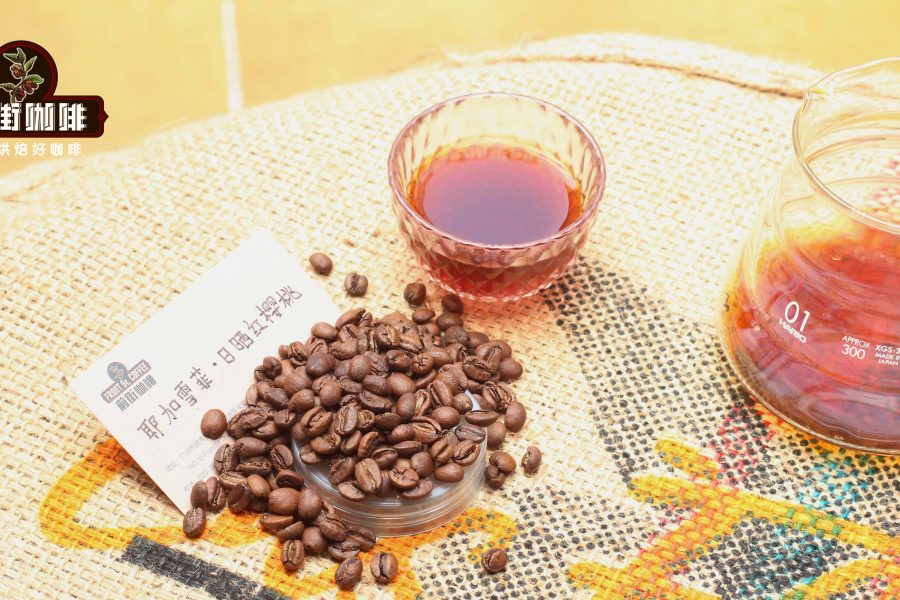
Introduction: A deep dive into the natural G1 coffee beans from the Konga area of Yirgacheffe, Ethiopia—covering growing altitude, processing methods, and distinctive flavor characteristics to fully explain the appeal of this classic African bean. This article also provides professional pour-over parameter recommendations to help coffee lovers better experience its bright acidity and tropical fruit notes.
In the highlands of southern Ethiopia, coffee farmers in Konga village treat every coffee cherry with near-strict standards. The altitude here ranges between 1,800 and 2,000 meters, and heirloom variety coffee trees grow slowly amid the temperature difference between day and night, accumulating complex flavor compounds. The Konga cooperative uses a multi-stage sorting process—after hand-picking fully red cherries, the beans undergo density sorting, defect removal, and electronic weighing to ensure uniform quality of the coffee beans entering the natural processing stage.

Traditional natural processing requires spreading the parchment coffee evenly on raised drying beds and drying it continuously under the intense highland sun for 15-21 days. During this period, farmers must turn the beans 3-4 times a day and adjust shade netting according to the weather; this meticulous management effectively prevents over-fermentation or mold risk. The moisture content after drying is strictly controlled at around 11%, providing a stable foundation for subsequent storage.

This Konga natural G1 coffee displays typical East African highland flavor characteristics: the moment the bag is opened, distinct jasmine florals and blueberry fruit aromas can be detected; on the palate, mango and citrus fruits show clear layers of sweetness and acidity, with a finish of honey-like sweetness and creamy texture. Compared with the clean citrus notes of traditional washed processing, the natural process gives it fuller tartaric acidity and tropical fruit intensity, making it especially suitable for drinkers who enjoy bright fruit acidity.
For home brewing, a 1:15-1:16 coffee-to-water ratio is recommended (e.g., 15 g coffee to 225-240 ml water), using a V60 dripper with a medium-fine grind (75-80% passing through a Chinese standard No. 20 sieve). With water temperature controlled at 90-92°C, use a "three-pour method"—first pour 30 ml for a 30-second bloom, then pour in circles until 125 ml, and in the final stage slowly pour to the target water amount. This parameter combination balances floral and fruity aromas with body, avoiding the astringency caused by over-extraction.

It is worth noting that Ethiopia's G1 grade represents the highest quality assessed by the country's Commodity Exchange (ECX), requiring strict testing of green bean density, defect rate, and other factors. As a sub-region of Yirgacheffe, the Konga area's microclimate gives the coffee more prominent red berry notes, forming a sharp flavor contrast with the neighboring Kochere area. For beginners new to specialty coffee, this bean is an excellent entry point for understanding the unique terroir of African coffee.


