Hawaiian Kona Coffee Bean Flavor Analysis and Pour-Over Parameters Guide
Introduction: As the only specialty coffee region in the United States, Kona coffee produces beans with layered flavors thanks to its unique volcanic soil and maritime climate. This article provides an in-depth analysis of Kona coffee's flavor characteristics, differences in processing methods, and optimal brewing approaches, helping coffee enthusiasts gain a comprehensive understanding of this precious bean from origin background to actual tasting, with professional roasting and pour-over parameter recommendations included.
Specialty coffee refers specifically to coffee made from high-quality green beans grown under superior natural conditions and possessing exceptional flavor performance. Such beans not only require a high-quality growing environment but also undergo strict screening and grading—only beans with extremely low defect rates, full body, and distinct flavors can receive certification. It is worth noting that even with specialty-grade green beans, if roasting or brewing fails to unlock their potential, the final product may still fall short of specialty coffee standards.
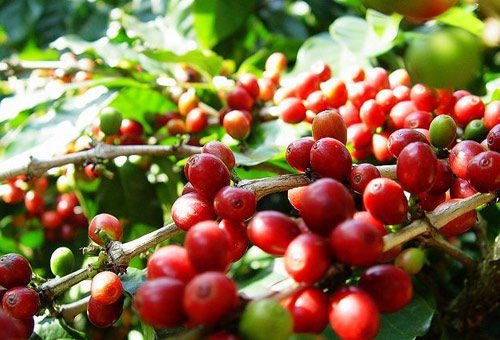
Hawaiian Kona coffee occupies a unique position in the specialty coffee system, with its flavor profile often receiving high ratings of aroma 3.5, brightness 4.5, body 3.5, flavor complexity 4.5, and aftertaste 4.5. The region is located in the Kona district on the northwest side of the Big Island of Hawaii, one of the world's rare coffee-growing belts with volcanic rock soil, where sea mist and volcanic ash together shape the signature balance of Kona beans.
In terms of processing, Kona coffee is known for its meticulousness: commercial beans typically have defect rates in the 10%-30% range, while the Kona region uses hand-sorting bean by bean, with top batches containing no more than 10 defective beans per pound. Its grading system is primarily based on bean size, divided into Extra Fancy and Fancy; flavor differences between the two are minimal, but Extra Fancy usually has a fuller body. Professional roasters recommend the City to Full City range; when the roast reaches the early to middle stage of second crack, it preserves bright citrus notes while developing a caramelized sweetness base.
When tasting Kona coffee, one often perceives qualities similar to high-altitude Central American origins—clear citric acidity, a full body reminiscent of black tea, and a finish of dark chocolate. This style makes it particularly suited to gentle extraction methods such as pour-over and siphon, with recommended parameters of 90-93°C water temperature, 1:15 coffee-to-water ratio, and medium-fine grind (70%-75% passing through China standard No. 20 sieve). Take care to avoid overly prolonged extraction times, which can produce prominent herbal astringency that disrupts the overall balance.
Because Kona coffee's annual production is only about 2 million pounds and labor costs are high, its market price remains at the top of the specialty coffee category long-term. In recent years, other Hawaiian islands have attempted to grow coffee, and products imitating the Kona label have appeared on the market; consumers should look for the official regional certification mark and traceable estate information when purchasing. For coffee enthusiasts, experiencing genuine Kona coffee is not only a treat for the palate but also a double tribute to the volcanic island ecology and artisan spirit.