Cold Brew Coffee Guide: Ratio, Grind Size and Flavor
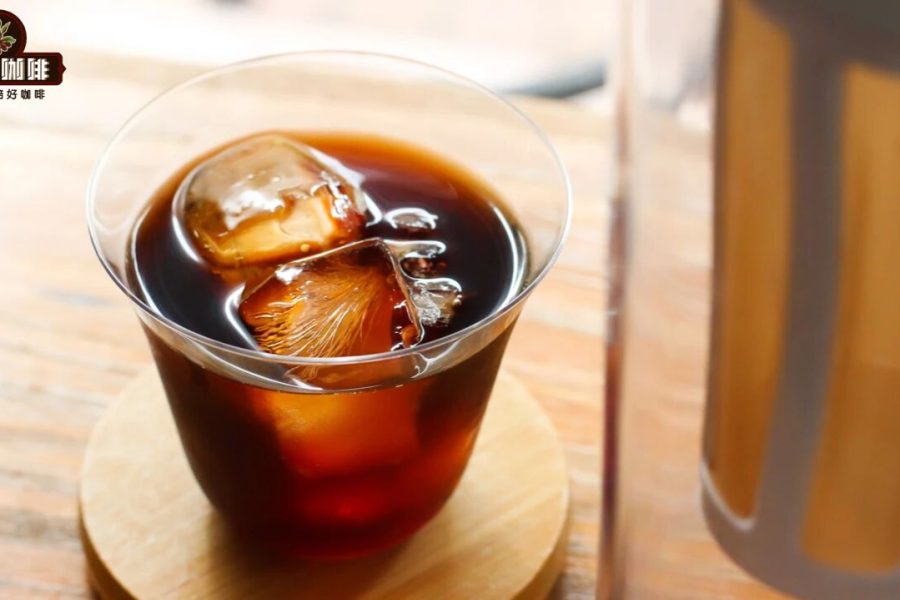
Introduction: Cold brew coffee has become a popular summer drink thanks to its refreshing taste and simple preparation. This article explains the essential difference between cold brew and ordinary iced coffee. Starting from the principle of low-temperature extraction over 12 to 48 hours, it provides precise coffee-to-water ratios (a 1:12 basic version and a 1:10 special version), grind size selection (85% passing through a No. 20 sieve) and an ice-water mixing scheme. By comparing with hot extraction, it reveals the scientific basis for cold brew's low acidity and high smoothness, and includes recommendations on the best time to drink it and how to store it.
When the summer heat arrives, a cup of icy coffee always brings a refreshing pleasure. Among the many iced drink options, cold brew coffee stands out for its unique brewing process and silky mouthfeel. Unlike the usual method of hot extraction followed by adding ice, this all-low-temperature coffee process creates a completely different flavor experience.

The core of so-called cold brew coffee lies in steeping ground coffee in cold water for a long time. The slow extraction process usually starts at 12 hours, and can be extended to 24-48 hours if a richer taste is desired. This low-temperature environment effectively inhibits the release of bitter substances, making the final product mellower and softer. To make it, you only need a sealed container, ground coffee and cold water; after overnight refrigeration you get a basic cold brew that needs no extra dilution.

Mastering the key parameters is the secret to successful cold brew. The recommended basic coffee-to-water ratio is 1:12 (for example, 50 grams of ground coffee). Coffee brewed at this ratio has a moderate concentration and can be drunk directly. If you want to make lattes or other special drinks, adjust the ratio to 1:10 to strengthen the coffee flavor. For grind size, choose a medium-coarse grind close to pour-over fineness, using 85% passing through a No. 20 standard sieve as the reference, and be careful to control the proportion of fines to avoid over-extraction.

As for the ice-water mixing scheme, the professional approach uses a combined ratio of coffee: water: ice = 1:8:4, while the actual coffee-to-water ratio remains 1:12. Adding ice not only maintains a low-temperature environment but also stabilizes extraction efficiency. If extracting at room temperature, the time needs to be shortened to 8-12 hours. In practice, place the ground coffee in a sealed container, first pour in room-temperature water and shake well, then add pre-chilled ice cubes, keeping the total liquid volume at about 12 times the weight of the coffee.

The unique advantage of low-temperature slow extraction is shown in the flavor. Scientific research shows that the cold brew process can reduce the acid content in coffee by about 67%, significantly reducing acidic and astringent notes. At the same time, the low-temperature environment extracts only small-molecule aromatic substances, such as citrus fruit notes and floral aromas, while avoiding the production of large-molecule burnt notes. This makes cold brew coffee smoother and creamier on the palate, with a clean, refreshing finish and a distinctive sweet aftertaste.

There are common misconceptions about extraction time and temperature control. Although cold brew coffee can be made at room temperature, the time then needs to be shortened accordingly to 8-12 hours. Note that prolonged steeping may give the coffee a woody, off-flavor, so it is advisable to monitor the extraction by tasting regularly. Professionals recommend filtering the finished coffee through filter paper or a fine mesh, then transferring it to a sealed container and refrigerating for 4 hours to let the flavors meld, at which point the taste is at its best.

The shelf life of cold brew coffee has clear limits. Although in theory it can be stored longer, after 7 days the flavor compounds may undergo undesirable changes. Experimental data shows that filtered coffee drunk within 2-3 days maintains the best freshness, when the balance of acidity and the aromatic layers are at their ideal. When storing, make sure the container is completely sealed and kept refrigerated, avoiding light and temperature fluctuations that affect quality.

Compared with high-temperature fast extraction, cold brew coffee shows completely different chemical characteristics. The quinic acid produced during traditional hot extraction is the main cause of bitterness, and the cold brew process effectively avoids this problem through its low-temperature environment. The selectivity of flavor extraction gives cold brew coffee a purer taste: it retains the core flavor characteristics of coffee while eliminating the harshness brought by high temperatures, making it especially suitable for drinkers sensitive to acidity.

Making good cold brew coffee requires understanding the science behind the process. From precise control of grind size to strict management of water temperature, every step affects the quality of the final product. Beginners are advised to start with the standard recipe and gradually adjust the parameters to find their personal preference. Also note that the freshness of the coffee beans directly affects the flavor; choose fresh beans roasted within 1-2 weeks and use them after a proper resting period for the best results.