Global Coffee Varieties Explained: From Arabica to Processing Methods, Flavor Differences and Buying Guide
Introduction: Specialty coffee enthusiasts are often drawn to the distinctive flavors of different origins, yet remain only partially informed about the varieties and processing logic behind them. This article systematically sorts out the characteristics of three major native coffee species—Arabica, Robusta and Liberica—explains in detail the genetic origins and flavor tendencies of mainstream lines such as Typica, Bourbon and Geisha, and compares the effects of the three major processes—natural, washed and honey—on the palate. From growing altitude to the proportion of mucilage retained, practical parameters help you build a scientific understanding of coffee.
Main Coffee Varieties
The world's commercial coffee is dominated by three native species: Arabica (Coffea arabica), Robusta (Coffea canephora) and Liberica (Coffea liberica). Among them, Arabica holds over 70% of the specialty coffee market and needs to grow at high altitudes of 1,200 meters or more; its slender leaves and small fruit (each bean weighing about 0.8–1.2 grams) create its complex aromatic layers. Robusta adapts to low-altitude hot and humid environments (300–800 meters), has strong disease resistance but a one-dimensional flavor, and its caffeine content reaches as high as 2.7% (about twice that of Arabica); it is mostly used for instant coffee. Liberica has large fruit (each bean can reach 2 grams) and outstanding resistance to leaf rust, but because of its rough flavor and scarce yield, it is limited to research cultivation.
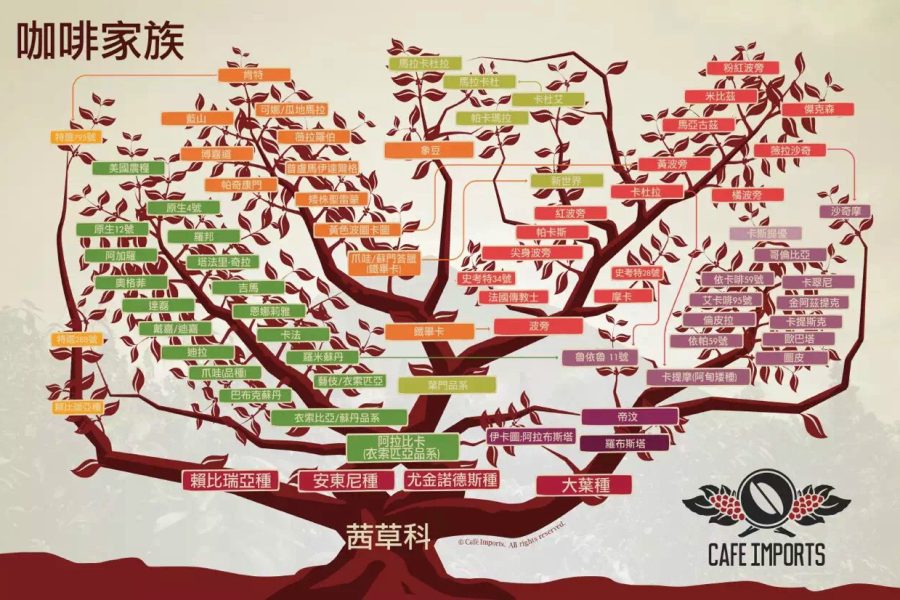
Map of Common Arabica Varieties
The Arabica family has thousands of natural variants (mainly distributed among wild populations in Ethiopia) and artificially selected cultivars. The mainstream lines include:
Heirloom: a general term for the country's wild mixed coffee, since farmers often cultivate mixed, undifferentiated varieties, resulting in uneven bean size (diameter 5.0–6.5 mm). Cupping shows that regardless of the processing method used, it presents vivid citrus acidity (pH 4.8–5.2) and a green-tea-like baseline sweetness,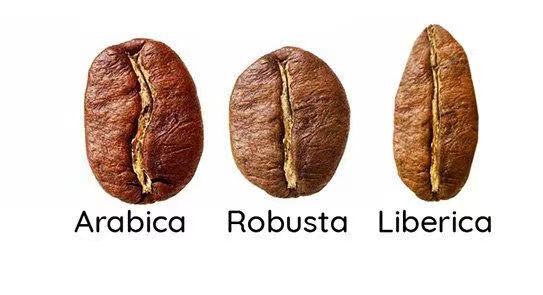 with outstanding freshness of flavor.
Typica: the oldest surviving Arabica variety, with an oval bean shape (length-to-width ratio 1:1.3); its flavor is clean but its disease resistance is weak (it is susceptible to leaf rust, causing yield losses of 30%–50%). It typically shows dark chocolate character, a nutty finish and a balanced sweet-to-sour ratio.
Bourbon: a natural mutation of Typica originating from the Indian Ocean island of Bourbon; the green fruit turns red as it ripens, and the yellow Bourbon variant is especially well known. High-altitude cultivation (1,500 m+) can bring out caramelized sweetness; the bean body is round and thick, with better body than Typica.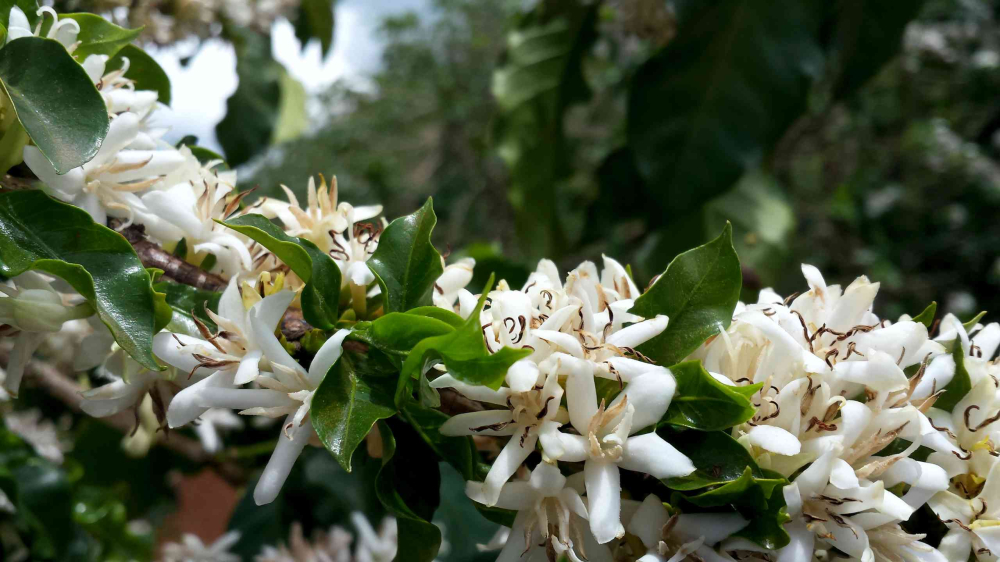
Caturra: a natural dwarf mutation of Bourbon (plant height 1.2–1.5 m); dense side branches increase planting density (30% more plants per hectare), combining high yield with bright acidity and a finish of dark chocolate and caramel aroma.
Catuai: a hybrid developed in Brazil in the 1950s (Caturra × Mundo Novo), with an oval, flat bean shape (length 8–9 mm); it inherits disease resistance and high yield, with soft acidity and rich fruity notes.

SL28 and SL34: numbered varieties selected by the Scott Laboratories (Kenya) in the 1930s; SL28 (short, round bean) is known for high, soaring acidity and pronounced sweetness, while SL34 (oval, flat) shows balanced sweet-sourness and a caramel aftertaste; both are drought-tolerant and disease-resistant.
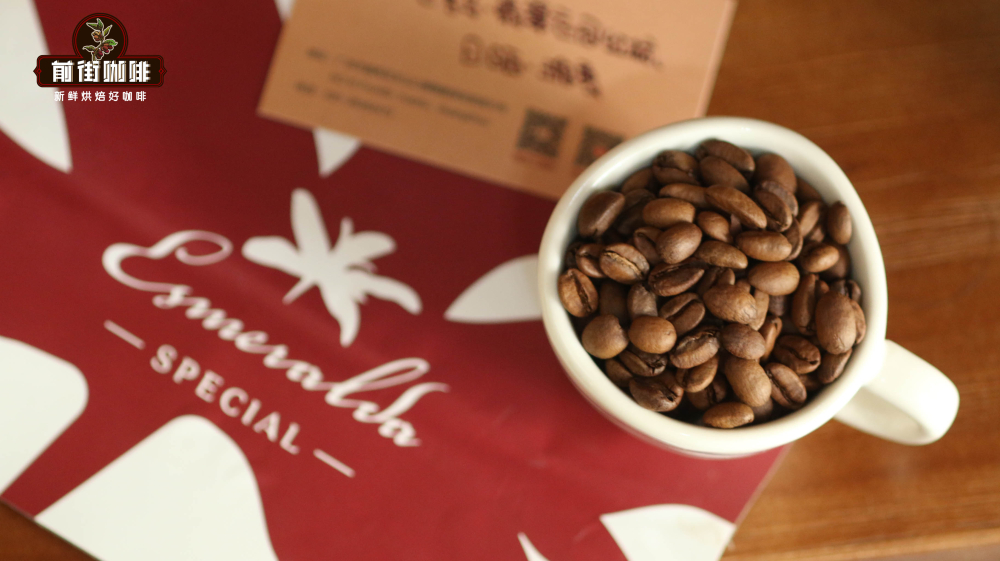
Geisha: a native variety from Bench Maji, Ethiopia, with many branches. The T2722 line from Panama's Hacienda La Esmeralda (slender bean with pointed ends) is famous for jasmine, rose tea and honey aromas; natural processing significantly enhances its body.
Comparison of Coffee Processing Methods
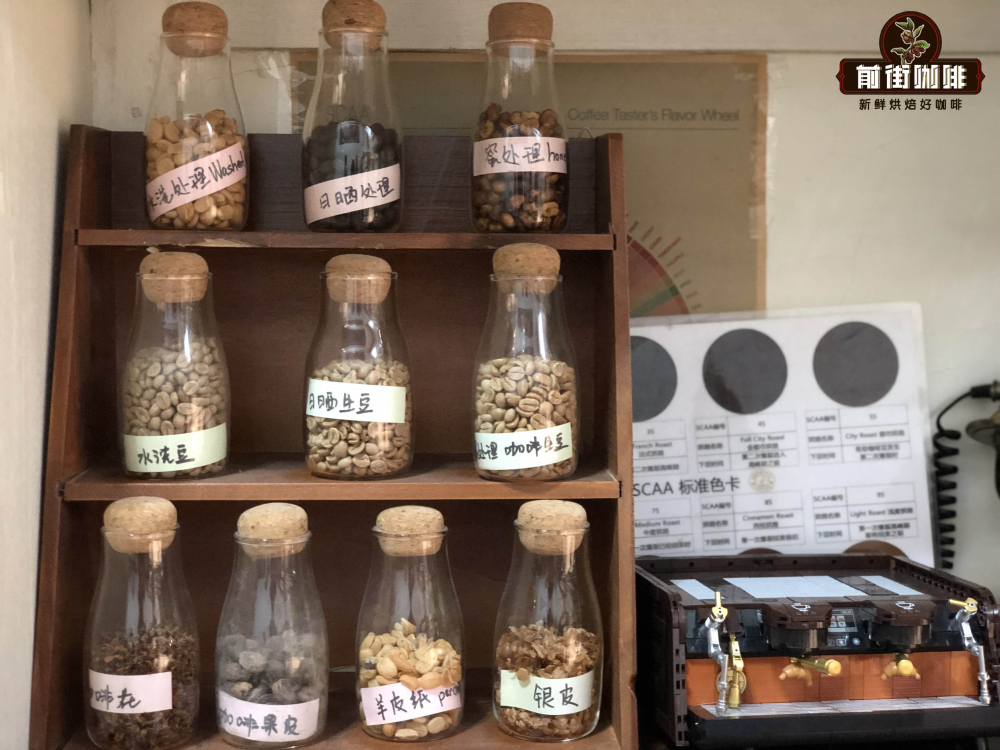
The way green beans are processed directly affects the final flavor presentation. The parameters of the three mainstream processes are as follows:
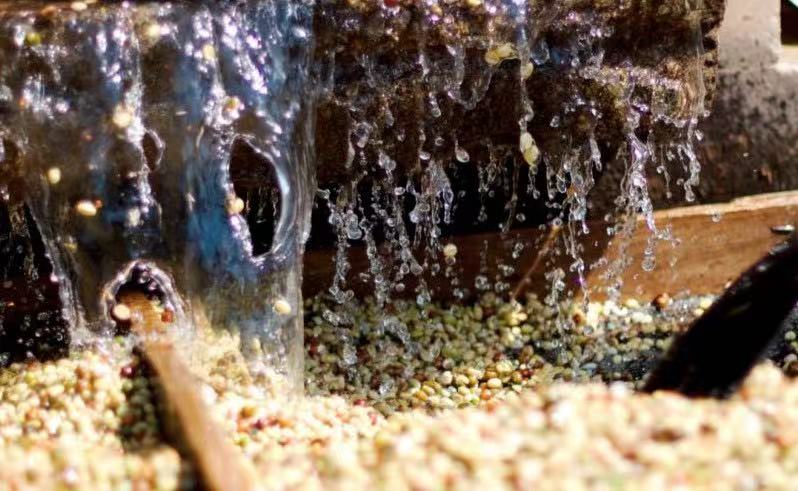
Washed method: after removing the pulp, ferment for 24–36 hours (at 20–25°C) to break down the mucilage, rinse off residues with clean water, then dry to a moisture content of 11–12%. The advantage is clean, refreshing acidity (such as citric acid at pH 3.0–3.5); the disadvantage is relatively thin flavor layers.
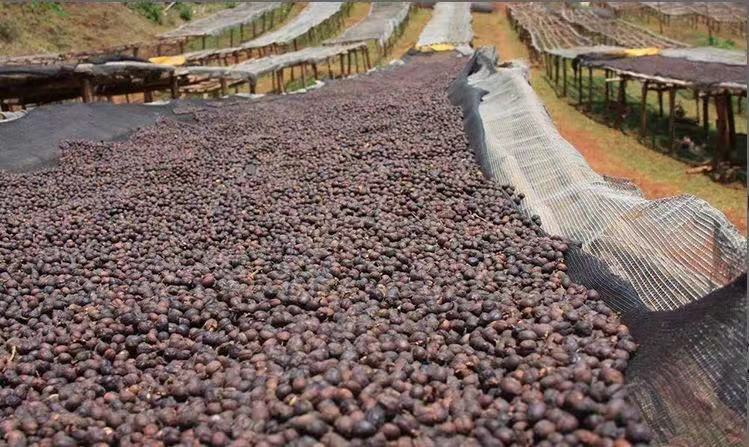
Natural method: the whole coffee cherry is sun-dried directly for 10–21 days (turned daily to prevent mold), and sugars from the pulp permeate the bean to enhance sweetness. Typical characteristics are intense berry sweet-sourness and fermented aroma, but drying uniformity must be strictly controlled to avoid defects.
Honey method: after retaining all or part of the mucilage layer (removing 80%–0%), the beans are sun-dried. According to the amount of mucilage retained, it is divided into:
• White honey (removing 80–90%): a refreshing feel close to washed
• Red honey (retaining 100% without fermentation): balanced sweetness and acidity with medium body
• Black honey (dried at low altitude): heavy, viscous mouthfeel and dark fruit character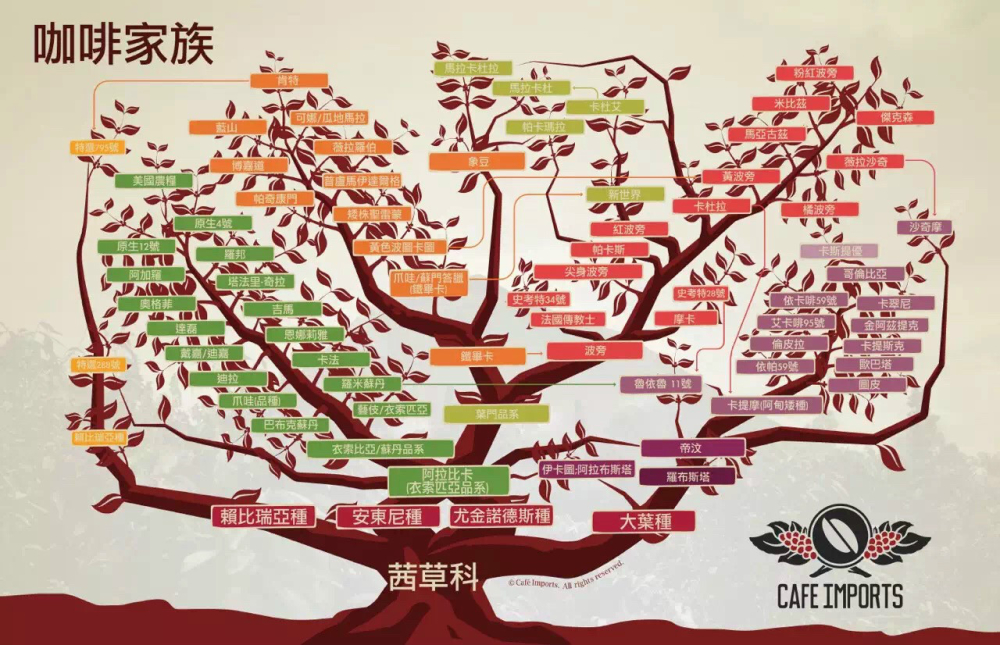
Professional advice: light roasting better highlights differences in processing method; when brewing pour-over, pay attention to adjusting grind size (washed beans finer at 0.85–1.0 mm, natural beans slightly coarser at 1.0–1.1 mm) to match different body requirements.