Top 5 Specialty Black Coffees Worldwide: Origins, Flavors and Pour-Over Parameters
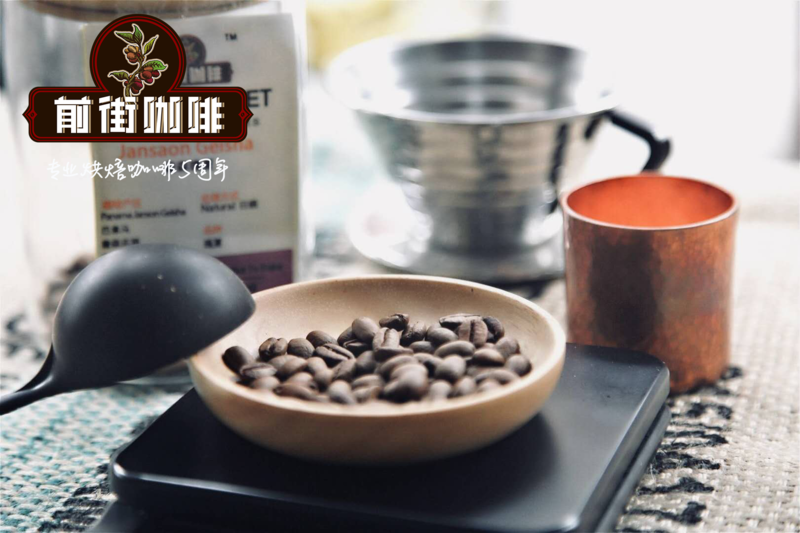
Introduction: From Panama Geisha grown in volcanic soil to the low-acid, mellow Golden Mandheling of Asia, this article selects representative coffee-growing regions across five continents and explains in detail each variety's distinctive flavor characteristics and optimal extraction methods. By comparing how altitude and processing affect taste, it helps coffee lovers choose beans according to personal preference and provides professional-grade brewing parameters for reference.
The birth of high-quality coffee depends on a specific geographical environment; worldwide, only the coffee belt between 15° and 25° north and south of the equator offers ideal growing conditions. Famous regions such as Ethiopia and Jamaica use strict harvesting standards and grading systems to ensure the consistent quality of every bean. This article will take you through the signature coffees of five classic regions and explain how their terroir shapes flavor formation.
[Panama Hacienda La Esmeralda Geisha]
Grown in the Boquete region at the foot of Volcán Barú, where volcanic-ash soil is rich in minerals such as potassium and phosphorus, and combined with the day-night temperature differences at 1,500–1,800 meters, it creates the Geisha variety's distinctive floral and fruity character. This variety, originally from Ethiopia, won the 2004 Best of Panama competition with its citrus notes and tea-like body, and its auction price still tops specialty beans today. For pour-over, use 92°C water at a 1:15 coffee-to-water ratio; staged extraction highlights its jasmine aroma and honey finish.
[Jamaica Blue Mountain No.1]
An old Typica variety planted in the core 666–1,500-meter zone of the Blue Mountain range, its maritime climate with an average annual temperature of 20°C gives it balanced characteristics. Under the strict grading system, the No.1 grade must pass 12 tests, including a defect rate of ≤3% and bean-screen uniformity. A light roast preserves its mild nutty acidity and smooth, black-tea-like body; the optimal extraction parameters are 88–90°C water with a medium-fine grind, and extending the bloom to 45 seconds can bring out layers of blueberry flavor.
[Ethiopia Red Cherry Natural]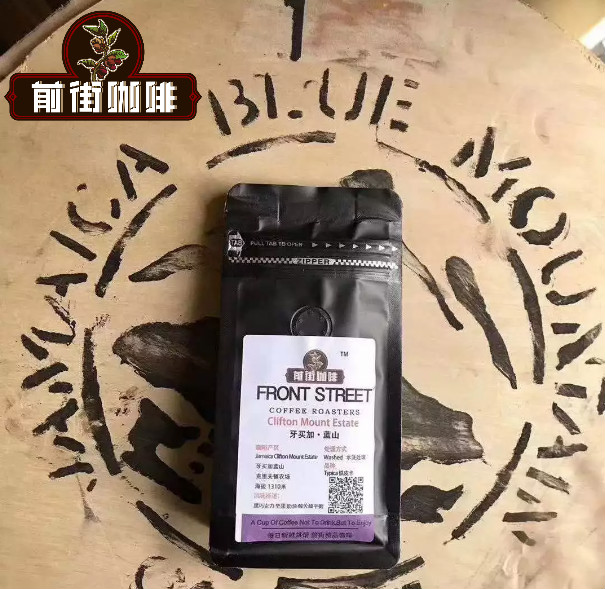
As the birthplace of coffee, Ethiopia has more than 6,000 native varieties. The Yirgacheffe region's growing altitude above 2,200 meters, combined with the traditional natural process, gives the Red Cherry lot a bright citric acidity and blueberry fermentation aroma. When selecting, choose G1 grade (defect rate <3%); a V60 dripper with 94°C water and a fast extraction (under 2 minutes) is recommended to intensify its tropical-fruit character and avoid astringency from overly long brewing.
[Brazil Fazenda Rainha Yellow Bourbon]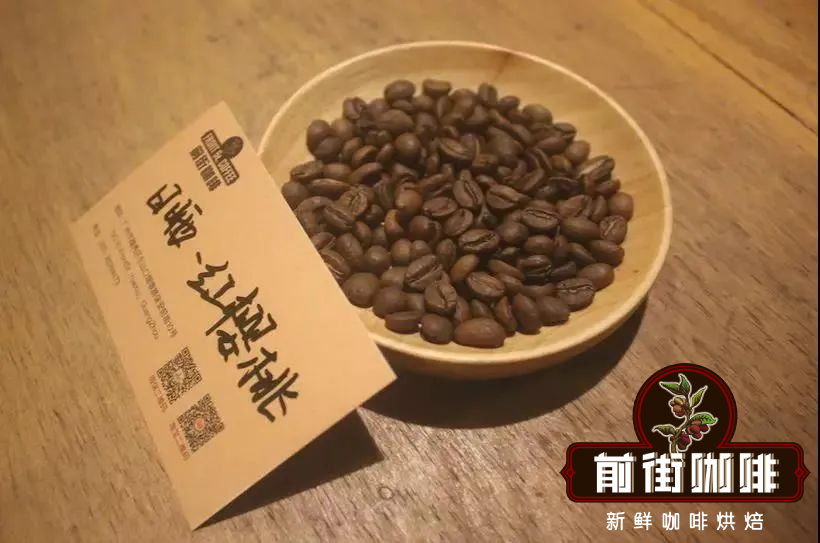
Brazil accounts for 30% of global production, and its Yellow Bourbon variant has a golden-yellow skin due to a recessive gene. Compared with ordinary Bourbon, this variety in the Santos region shows lower acidity and prominent roasted-almond flavor, with density typically reaching above 0.72 g/ml. It is suitable for cold brew or a French press; if using a drip method, choose a medium-coarse grind and keep the water temperature at 90–91°C to avoid extracting tannic acid.
[Indonesia Golden Mandheling]
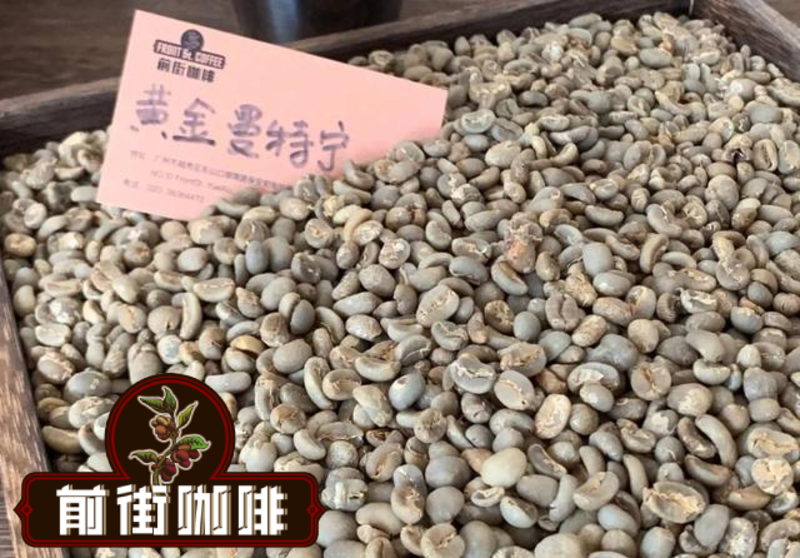
PWN's strict four-stage manual sorting (including a defect-bean rate of ≤2%) produces this Sumatran signature. The wet-hulling process brings a distinctive herbal and woody aroma, and its low-acidity character (pH 5.2–5.4) makes it a good match for breakfast. A moka pot at 9 bar pressure is recommended, or try a siphon to highlight its dark-chocolate finish. When storing, note its high oil content and keep it in an aluminum foil bag with a one-way degassing valve.
When buying, besides paying attention to origin information, also note the direct effect of processing method (natural/washed/honey) on flavor. For professional roasting, a medium roast (Agtron #55–#65) is recommended, as it preserves origin characteristics while avoiding excessive bitterness. Beginners can start with easy-drinking varieties such as Brazil Yellow Bourbon or Yirgacheffe, then gradually try highly complex beans such as Geisha.


